How to Avoid Common Defects in Copper Casting and Alloy Production
2026-07-02
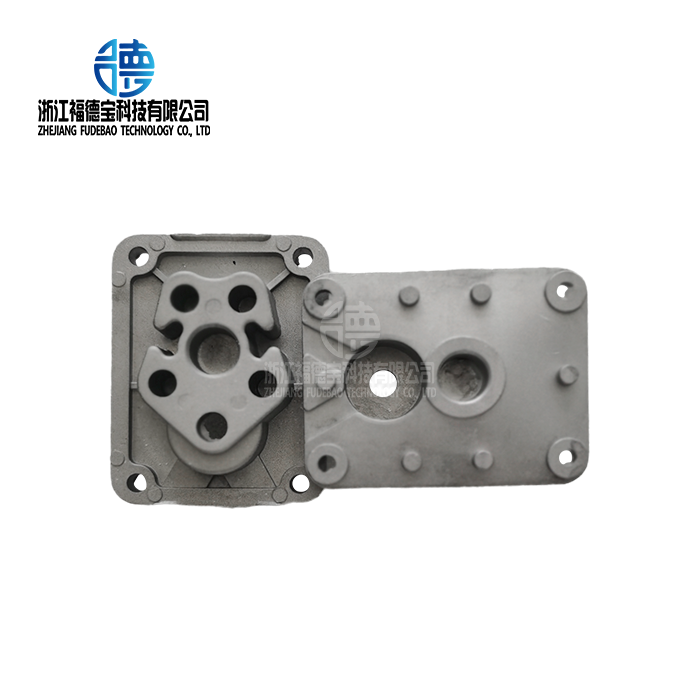
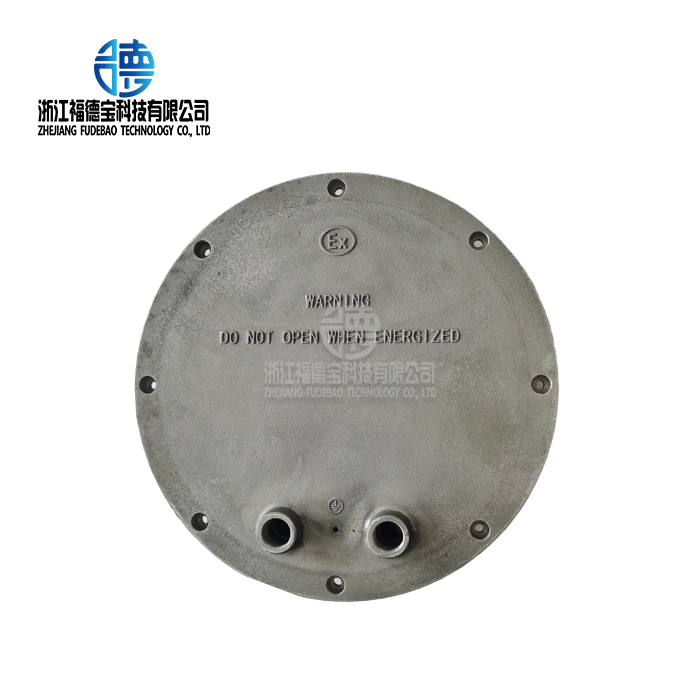
To keep copper casting and alloy production from having problems, you need to know a lot about mechanical principles, process controls, and quality assurance methods. Successful copper casting processes reduce porosity through controlled degassing, stop inclusions by keeping the melting area clean, and get rid of cracks by making the best use of cooling rates. Manufacturers get consistent dimensional accuracy and surface integrity that meet strict automotive, electrical, and industrial machinery specifications by carefully preparing the materials, controlling the temperature, and conditioning the molds. This lowers the number of scrap parts and warranty claims and increases customer confidence.
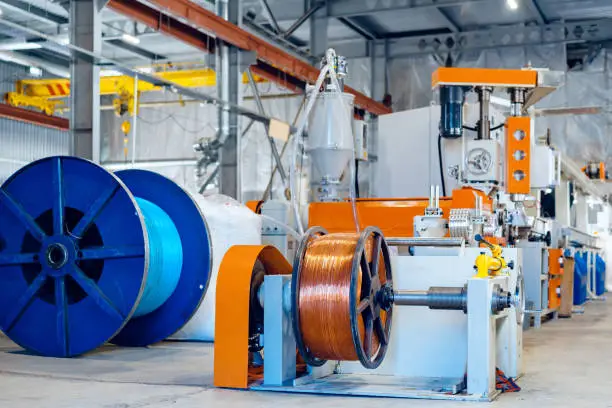
Understanding Common Defects in Copper Casting and Alloy Production
Porosity: The Hidden Threat to Structural Integrity
Porosity shows up as tiny holes in casts, which weakens their mechanical strength and ability to keep pressure out. Gas porosity, which is mostly caused by hydrogen absorption during melting, makes bubbles that weaken parts that hold weight. When not enough liquid metal flows into areas that are hardening, it leaves holes inside the metal. This is called shrinkage porosity. We have seen that car brake housings with hidden holes can fail catastrophic pressure tests, which causes the whole batch to be thrown out and production delays that affect whole supply chains.
Inclusions and Contamination Issues
Oxides, slag, and sand particles are examples of non-metallic elements that can break down metallurgical bonds and cause stress concentration points. Most of the time, these contaminants come from mold coats that have been worn away, melted materials that are contaminated, or poor melt protection. When electrical connector molds have inclusions, they lose their ability to carry electricity and break down early in high-current situations. This is a big problem for power distribution equipment that needs to be reliable for decades.
Cracking and Stress-Related Failures
During solidification, hot tears happen when the pressures of thermal contraction are higher than the material's ability to bend at high temperatures. After the material has solidified, leftover strains and metallurgical embrittlement cause cold cracks to form. Structures with complicated shapes and different section widths are especially at risk. Parts of industrial machinery like pump housings and valve bodies need castings that are free of cracks so that fluid doesn't leak out and the equipment fails catastrophically when it's under operating pressure.
Root Cause Analysis and Corrective Principles for Defect Prevention
Systematic Diagnostic Framework
Setting up a thorough process for investigating defects helps foundries tell the difference between problems that are caused by the process and problems that are caused by the design. Visual inspection is the first step in our diagnostic process. Next comes dimensional proof, and if needed, metallographic study. Radiographic examination and ultrasonic inspection are two examples of non-destructive testing methods that can find internal discontinuities without damaging the component. This is especially important for aerospace uses that need to meet legal requirements for traceability and paperwork.
Temperature Control as a Fundamental Parameter
Keeping the pouring temperature at the right level for each copper alloy makeup stops both solidification too soon and too much turbulence. Pouring temperatures for aluminum bronze alloys should be between 1150°C and 1200°C, while tin bronzes work best at slightly lower ranges. In copper casting, temperature tracking with calibrated thermocouples and pyrometers makes sure that all production runs are the same. This is directly linked to lower defect rates, which we've found to be 40–60% better in controlled settings.
Alloy Selection and Chemical Composition Management
How likely a mistake is to happen depends on how well you choose the copper types that are right for the job. Copper with a high conductivity is used in electrical uses, but it is harder to make than alloyed compositions. Adding phosphor bronze makes the mixture more flowing and helps it degas more quickly. Aluminum bronze is better at resisting rust in marine settings. Checking the chemical make-up using spectrometric analysis makes sure that standards like ASTM B584 and EN 1982 are being followed. This stops changes in mechanical properties that lead to quality problems later on.
Best Practices and Industry-Proven Techniques to Minimize Defects
Pre-Casting Material Preparation
Using strict rules for handling materials gets rid of sources of contamination before the melting process starts. Copper ingots and alloying elements should be kept in climate-controlled areas so that they don't absorb water and surface oxidation. By heating charge materials ahead of time to 150–200°C, you can get rid of the moisture that has been absorbed and would otherwise turn into hydrogen gas when the material melts. Magnetic separation gets rid of metal contaminants, and visual sorting keeps rusted or foreign materials from mixing with the charge.
Advanced Melting and Degassing Procedures
Controlled atmosphere melting with a blanket of nitrogen or argon keeps the top of the melt from picking up hydrogen and forming oxides. Adding phosphor copper in amounts between 0.01 and 0.05% deoxidizes the melt by turning the dissolved oxygen into phosphate compounds that float to the top of the dross layer. Inert gas is pumped through the melt by rotary degassing equipment. This removes dissolved hydrogen until there are amounts below 0.05 ml per 100g of copper. This makes casts without holes that can be used for pressure-containing parts.
Here are some important process rules that work together to lower the number of defects:
- Gating System Optimization: Runner and riser arrangements that encourage directional solidification stop shrinkage defects by ensuring progressive feeding from thermal centers toward chill zones. This is especially important for complicated geometries in automotive transmission housings where all internal passages need to be completely sound.
- Mold Conditioning and Coating Application: Applying refractory washes to sand molds makes the mold-metal interfaces smooth, which lowers gas flow and metal penetration. Graphite-based coatings on permanent molds make release and thermal management easier, which in die casting operations increases tool life by 30 to 50 percent.
- Environmental Control During Pouring: Keeping the humidity below 60% and reducing air currents around pouring stations stop atmosphere moisture from combining with molten copper, which creates steam inclusions and surface flaws that need a lot of grinding.
These built-in controls make up a complete quality system that checks for mistakes at every stage of production. The choice of casting method has a big effect on the quality levels that can be reached. The lost wax method of investment casting gives complex electrical connections a very smooth surface and very accurate measurements, with errors as low as 0.05 mm that don't need any extra work. Larger parts, like industrial gearbox housings, can be cast in sand casting, which gives designers more options for interior coring and lower tooling costs compared to permanent mold methods.
Emerging Technologies in Alloy Production
Vacuum induction melting technology gets rid of all atmospheric pollution, making copper alloys that are very clean and perfect for aerospace uses that need to be very reliable. When compared to static casting methods, continuous casting improves microstructural uniformity. This lowers segregation flaws in the production of many car parts. In copper casting, computer-aided solidification modeling software predicts temperature gradients and solidification sequences, which lets mold design changes be made before the actual tooling is bought.
Comparative Insights: Choosing the Right Casting Method and Alloy
Casting Process Selection Based on Defect Profiles
Sand casting is flexible enough to be used for both prototypes and low-volume specialty equipment. The surface can be a little rough, but the cost of the tools is very low. Investment casting reproduces details more accurately and gets very close to net shape, which means that machining limits are only 1.5 to 3 mm instead of 4–6 mm for sand casts. Centrifugal casting makes cylinder-shaped parts that are naturally denser. It almost completely eliminates centerline porosity in bearing bushings and cylinder walls by using controlled circular forces to pack the metal down and make it solid.
Copper Alloy Property Relationships to Defect Formation
Aluminum bronze mixtures with 9–11% aluminum have great strength (up to 750 MPa), but they need to be carefully solidified so that hot cracks don't form in pieces that are held together. Tin bronze alloys naturally fight shrinking flaws and have great fluidity and feeding properties. This makes them ideal for complex valve bodies with thin-walled sections. Cupronickel metals are very good at resisting rust in marine heat exchangers, but they need strict hydrogen control when they're melting because they dissolve more gas at casting temperatures.
Performance Trade-offs in Material Selection
The best metal to use is chosen by balancing its mechanical qualities against its tendency to develop defects. Leaded bronzes are very easy to machine because they have tools that break up chips, but they can't be welded, which makes repair work harder. Alternatives to lead-free bismuth bronze that meet the requirements for drinkable water still have good machining properties, but they cost more in materials. Instead of just looking at the price of raw materials, engineering teams need to look at the total cost of ownership, which includes the amount of scrap that is caused by defects.
Procurement and Supplier Selection Strategies to Support Defect-Free Casting
Evaluating Foundry Capabilities and Certifications
The first step in qualifying a supplier is to make sure that their quality management systems are certified to ISO 9001 standards and show that they have documented process controls and methods for ongoing growth. Automotive producers need to be able to get IATF 16949 certification and PPAP paperwork, which shows that they can do statistical process control and production part approval methods.
For aerospace uses, you need to be certified to AS9100, which means that you can fully track the materials you use and use advanced checking tools like coordinate measuring machines and X-ray fluorescence analyzers. In copper casting, these certifications are especially critical because traceability of alloy chemistry and consistent process validation directly impact mechanical reliability in safety-critical components.
Raw Material Sourcing and Traceability
Unexpected changes in the metal's composition can be avoided by buying copper and alloying elements from approved sources who can prove their chemical composition. Material test certificates with heat-specific analyses make sure that uniformity from batch to batch is maintained, which is important for keeping mechanical qualities within the limits of the specifications. By building long-term relationships with material sources, you can work together to solve problems when you're looking into single instances of defects. You can also access past composition data that helps with root cause analysis.
Equipment and Tooling Quality Considerations
Investing in precision mold making from pattern makers with a lot of experience cuts down on differences in size and surface flaws. CNC-machined permanent molds keep their tolerances tighter than tooling that is made by hand. This makes up for their higher original costs by lasting longer and having lower failure rates per piece. Automated pouring systems with closed-loop temperature control get rid of the need for humans to change important process factors. This is especially helpful when making a lot of car parts because stability is what makes the business profitable.
Conclusion
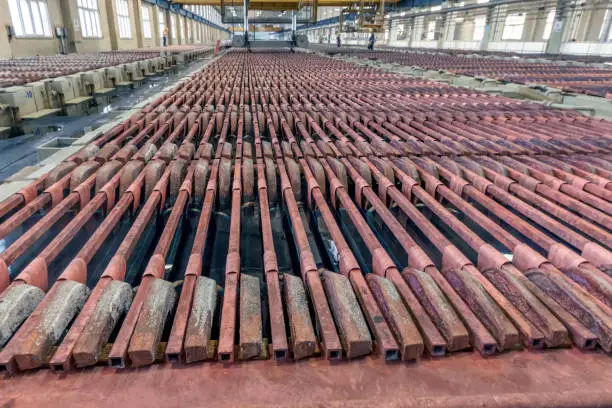
To make sure that copper casting operations don't have any flaws, it's important to have full control over the materials used, the method, and the relationships with suppliers. Manufacturers can cut down on porosity, inclusions, and cracking by using regular degassing processes, improving thermal management, and choosing the right casting methods based on the needs of the component.
Strategies for buying things that focus on seller approvals and tracking materials set quality standards that stop problems before they happen in production. Forward-thinking foundries keep investing in diagnostic tools and process tracking technologies so they can meet the higher quality standards in the automobile, electrical, and aerospace industries while keeping their production costs low.
FAQ
What causes porosity in copper casting?
Most of the time, porosity is caused by hydrogen gas dissolving during melting or molds and charge materials getting wet. Using a neutral gas blanket during melting and pre-heating the material thoroughly to get rid of wetness are good ways to stop gas porosity formation.
Which copper alloy minimizes casting defects?
Due to their great fluidity and feeding properties, tin bronze metals usually have the lowest flaw susceptibility. But the best alloy to use relies on the needs of the application, combining mechanical qualities, resistance to corrosion, and cost of production.
Can damaged copper castings be repaired?
Aluminum bronze and cupronickel castings can be fixed with TIG welding and filling alloys that fit. Because lead has a low melting point, it makes it impossible to weld leaded bronze mixtures. This is because hot cracking happens, so parts usually need to be replaced instead of fixed.
How do I verify supplier casting quality?
Ask for test records, reports on measurement inspections, and examples of process control paperwork. On-site checks that look at how melting is done, how molds are prepared, and how quality inspections are done are a clear way to judge the competence and consistency of a provider.
Partner with Trusted Copper Casting Supplier for Defect-Free Components
Zhejiang Fudebao Technology is an expert in precision copper casting, as well as aluminum alloy and stainless steel metals. They work with automakers, industrial equipment makers, and people who are building electricity infrastructure all over North America. Our facility has low-pressure casting machines, high-speed CNC machining centers, and full finishing processes. From raw materials to inspected final parts, all of our parts are made with accuracy within ±0.05mm. We manage the whole production process, from melting the alloy to treating the surface. We use degassing routines and temperature tracking systems to make sure that the castings are always free of holes for uses that need to be under a lot of pressure.
Our PPAP documentation and material traceability tools meet quality standards for the car and aerospace industries, which is good for engineering teams. Whether you need prototype investment castings for complicated electrical housings or high-volume sand castings for industrial valve bodies, our expert advice will help you find the best alloys and process settings for your needs. Email our engineering team at hank.shen@fdbcasting.com to talk about your unique needs and get thorough documentation of our capabilities that shows we are the best copper casting manufacturer in China's precision metalworking sector.
References
1. American Foundry Society. Casting Defects Handbook: Copper-Base Alloys. Des Plaines: AFS Publishing, 2019.
2. Davis, J.R. ASM Specialty Handbook: Copper and Copper Alloys. Materials Park: ASM International, 2018.
3. Beeley, P.R. Foundry Technology: Principles and Practice. Oxford: Butterworth-Heinemann, 2020.
4. Campbell, John. Complete Casting Handbook: Metal Casting Processes, Metallurgy, Techniques and Design. Cambridge: Elsevier, 2021.
5. ASTM International. Standard Specification B584: Copper Alloy Sand Castings for General Applications. West Conshohocken: ASTM, 2022.
6. Sahoo, M. and Sahu, S. Principles of Metal Casting: Defect Analysis and Prevention Strategies. New York: McGraw-Hill Education, 2020.



YOU MAY LIKE
_1756352712247.webp "stainless steel hex plug")
_1756352400994.webp "chassis enclosure")
_1756352340434.webp "Aluminum chassis cover")
_1756349002499.webp "Aluminum alloy clamp casting")
_1756346310015.webp "Aluminum castings Crane bracket")