Top 5 Reasons to Use Aluminum Die Cast Parts in Automotive Engineering
2026-07-02
Modern car engineering needs materials that work very well and meet ever stricter standards for environmental and energy efficiency. Aluminum die casting has become a revolutionary way to make things, especially for OEMs and tier-1 suppliers that want to improve the design and production of vehicles. As part of this high-pressure die casting process, molten aluminum alloys like A380, ADC12, or AlSi9Cu3 are poured into precise steel molds under a lot of pressure.
This makes parts that are both light and strong. The method solves some of the biggest problems that automakers face, like making vehicles lighter so they use less gas and have longer ranges for electric vehicles, making complex shapes with built-in features in just one cycle, and making mass production cheap while maintaining the accuracy of the shapes needed for assembly line efficiency.
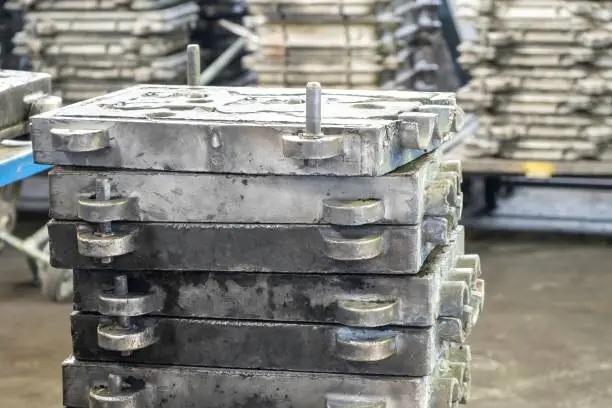
1. Lightweight Strength for Enhanced Vehicle Performance
Weight Reduction Without Structural Compromise
The density of aluminum metals used in die casting is about 2.7 g/cm³, which is about a third of the density of steel or iron. This basic trait directly leads to changes in vehicle performance that can be measured. When engineers in the car industry replace standard steel brackets, housings, or engine parts with aluminum die casting replacements, they can cut weight by 40 to 60 percent while keeping the same load-bearing capacity. Aluminum metals' high strength-to-weight ratio makes sure that safety-critical parts pass crash tests and can handle normal stress levels without adding extra weight.
Direct Impact on Fuel Efficiency and Emissions
Every kilogram of weight taken off of a vehicle helps it use less gas and put out less carbon dioxide. According to studies from the auto industry, a 10% drop in car weight can make it use 6–8% less gas. Even more benefit is that lighter designs make battery range longer, which is a key competitive edge in the EV market. Customers in the car industry who switched to aluminum die casting transmission housings and structural brackets saw measurable gains in their Corporate Average Fuel Economy ratings. This helped them meet new environmental standards.
Performance Enhancement Across Vehicle Dynamics
In addition to improving fuel economy, lowering the weight of a vehicle through aluminum die casting also improves its acceleration, stopping distance, response, and suspension performance. Less unsprung mass in parts that go with the wheels makes the ride better and the tire touch more consistent. These performance benefits are especially important for engineering managers who are choosing materials for next-generation car platforms. Every design choice has an effect on the company's ability to compete in tough global markets.
2. Superior Design Flexibility and Precision
Complex Geometries in Single Manufacturing Cycles
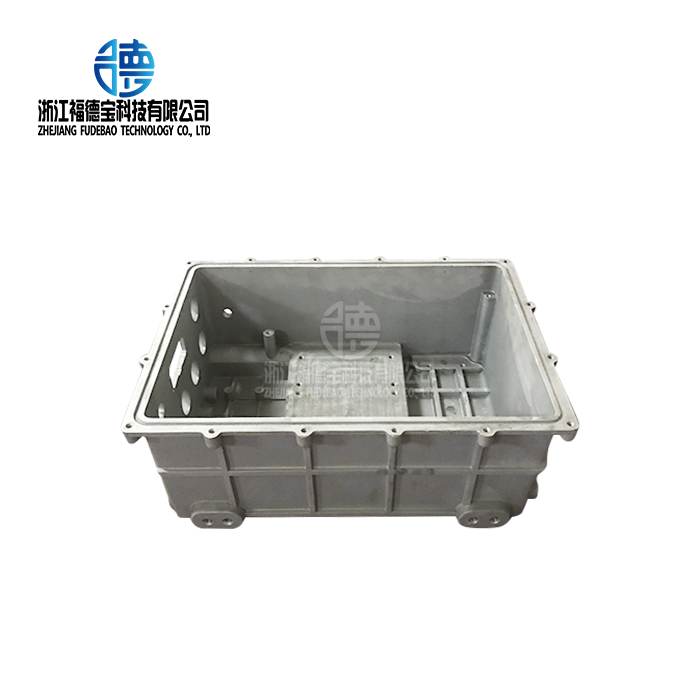
Engineers can use the high-pressure aluminum die casting process to make complicated three-dimensional shapes that would be too expensive to make any other way, like those that would need to be stamped many times or welded together. Ribs, mounting bosses, cooling ducts, and fastening features can be built right into the form of the casting. This combination gets rid of the need for extra steps in assembly, cuts down on the number of parts, and lowers the number of places where welded or bolted joints could fail.
Dimensional Accuracy and Surface Quality
Tolerances for aluminum die casting are usually very close, within 0.05mm to 0.1mm. This is precise enough to meet the needs of current car assemblies, where the accuracy of the component interface directly affects how well it seals, vibrates, and how well it is built overall. The process gives surfaces great finishes and usually doesn't need any extra grinding steps besides those needed for critical fitting surfaces or threaded features. Controlled cooling rates inside solid steel molds make sure that the dimensions stay the same over hundreds of thousands of production runs.
Comparison with Alternative Manufacturing Methods
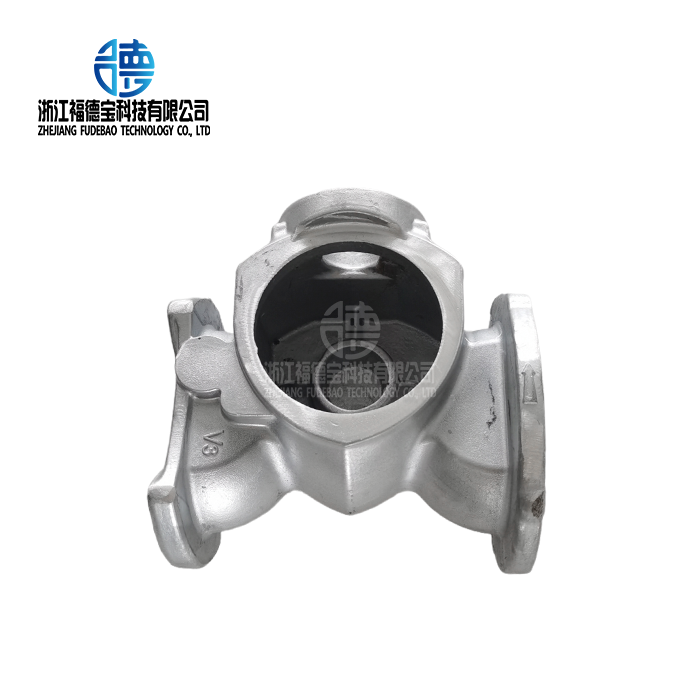
Aluminum die casting is better for accuracy and surface quality than sand casting, even though sand casting can be used for bigger parts and smaller volumes. Extrusion processes force designers to use uniform cross-sectional curves, which limits the number of shapes that can be made. Forging needs a lot of extra machining to get to the end size. When we look at which parts are best for automotive customers, aluminum die casting is always the best option for parts that need to be both geometrically complicated and precisely measured. This is especially true for housings, brackets, and structural elements where shape directly affects function.
3. Cost-Effectiveness and Production Efficiency
Tooling Investment and Per-Unit Economics
Although aluminum die casting molds require a bigger starting investment than sand casting or stamping dies, the economics get better as production numbers rise. The short cycle times—usually 30 seconds to two minutes, based on the size of the part—allow for high production rates that greatly reduce the cost of making a single unit. This cost benefit is especially strong for car uses that often make more than 100,000 units per year. In these cases, aluminum die casting is a much more cost-effective option than CNC machining or low-pressure casting.
Material Utilization and Waste Reduction
When compared to subtractive manufacturing methods like cutting, which take a lot of material as chips, the aluminum die casting process produces parts that are almost exactly the same shape. This means that less material is wasted. Modern aluminum die casting processes use more than 85% of the materials they use, and scrap metal can be easily recycled back into the output stream. This efficiency directly lowers the cost of raw materials and supports sustainability goals that are becoming more and more important to buying teams in the car industry.
Production Speed and Supply Chain Advantages
In the car supply chain, where production plans need dependability and flexibility, shorter lead times are a strategic advantage. Aluminum die casting plants can quickly reach full production rates once the tools are tested and the production settings are set. We keep up-to-date core equipment like high-speed machining centers, CNC lathes, and advanced aluminum die casting tools that cover the whole process, from melting to finishing and treating the surface. This integrated capability allows for one-stop delivery of everything from blank castings to fully finished parts. This simplifies operations and makes it easier for sourcing directors who are in charge of handling multiple sources to coordinate.
When procurement managers buy in bulk from certified aluminum die casting suppliers they already work with, they get big discounts and can be sure that quality will stay high throughout long-term production plans. The process of sourcing has been made easier by digital quoting systems and open platform for evaluating suppliers. These tools make it easier to compare possible production partners' skills, licenses, and delivery history.
4. Enhanced Durability and Corrosion Resistance
Alloy Selection for Demanding Automotive Environments
Extreme working conditions are common for automotive parts, such as temperature changes from subzero to high temperatures in the engine area, vibration stress, possible impact loads, and contact with corrosive substances like road salt, fuel, and hydraulic fluids. Aluminum alloys made just for aluminum die casting, like A380, which has balanced mechanical qualities and is easy to cast, or ADC12, which is more resistant to corrosion, give products the sturdiness they need to last for a long time. These things naturally create an oxide layer that protects the base metal from damage from the surroundings.
Quality Control and Defect Prevention
Cast parts for cars have to pass strict quality control procedures like X-ray screening, pressure testing, and dimensional proof to make sure they meet safety and reliability standards. We use proactive flaw detection throughout the whole production process, from validating the mold design to final checking. This way, we can find problems before they get to the assembly lines. This dedication to quality control handles the main issue that quality teams look at when they assess the skills of suppliers: ensuring consistent, predictable performance over millions of production cycles.
Certification and Standards Compliance
Procurement teams can trust methods for process control, traceability, and ongoing improvement when they work with providers who have ISO 9001, IATF 16949, and other industry-specific certifications. These certificates show that the company has met the quality management standards of the car industry. They also support the paperwork needs of PPAP and the long-term reliability goals that engineering managers look for in manufacturing partners.
5. Sustainability and Environmental Benefits
Aluminum Recyclability and Circular Economy
Aluminum is unique among industrial materials because it can be recycled over and over again without losing any of its original qualities. Recycling aluminum uses only 5% of the energy needed to make new aluminum from bauxite rock, which makes it a strong economic and environmental choice. Vehicle parts that have reached the end of their useful life are recycled in closed-loop systems that let them go back into the supply chain and be used to make new casts. This cycle method fits with companies' promises to be more environmentally friendly, which is becoming more and more important to automakers and the people who work for them.
Energy Efficiency in Die Casting Production
Modern aluminum die casting operations use a lot less energy than other metal shaping methods because they have better heating systems, recover heat, and have short production cycles that make the most of the tools they have. Advanced casting technologies keep lowering the amount of energy needed to make a single part, which helps automakers meet their Scope 3 emissions reduction goals. When OEMs look at their supply chain's environmental impact, working with efficient aluminum die casting sites helps them reach their sustainability goals in a measurable way.
Supporting Green Mobility Initiatives
Electric car companies are under a lot of pressure to make sure their products have the least possible impact on the earth throughout their full lifecycle. Lightweight aluminum die casting parts directly allow for longer EV range, and the material's ability to be recycled supports the environmental sustainability of end-of-life vehicles. Forward-thinking car engineering teams know that the materials they choose today affect not only the short-term performance measures but also the long-term positioning of the brand in markets where environmental credentials are becoming more important to consumers and regulations.
Conclusion
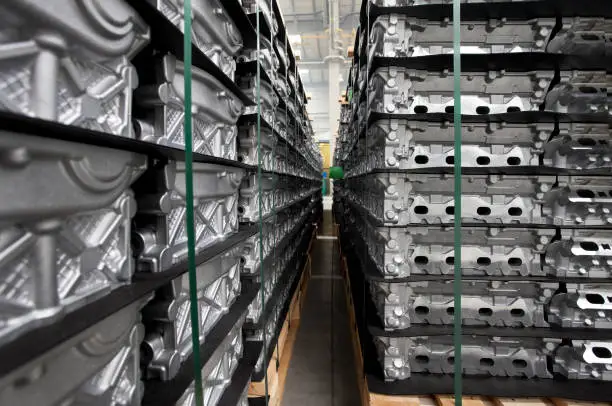
Aluminum die casting is a smart way to make things that meets the most important goals in automotive engineering, such as making lightweight parts that are stronger and better at their job, making complex shapes that are easier to put together, keeping costs low at high production levels, making sure things last through quality control and material properties, and helping the environment by being recyclable and using less energy.
As cars become more electric and environmental rules get stricter, the benefits of aluminum die casting parts become more clear. When engineering managers, sourcing leaders, and quality teams look at manufacturing relationships, they should give more weight to providers that can show they have integrated skills, the right certifications, and a track record of success in demanding car applications.
FAQ
Can aluminum die casting be used beyond automotive applications?
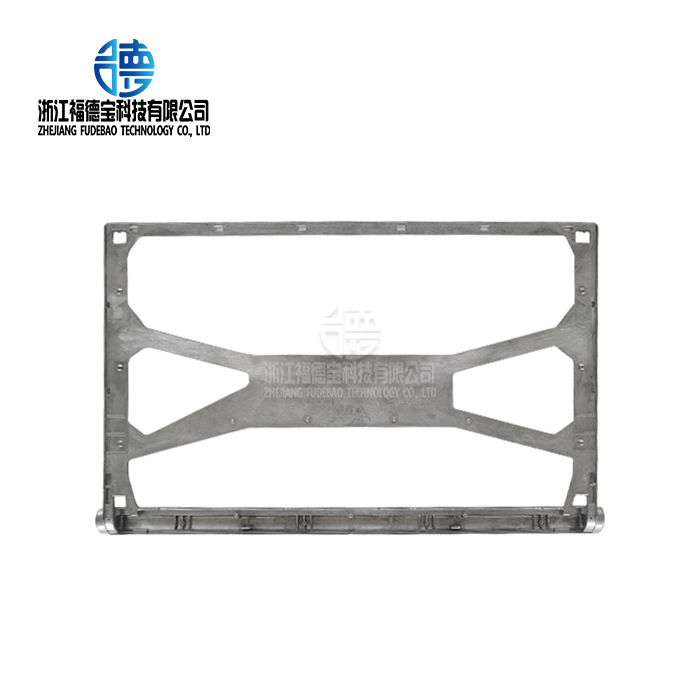
Aluminum die casting is used in many fields, such as telecommunications infrastructure, especially for 5G base station heat sinks and outdoor structures that need to be able to conduct heat and withstand the weather. Pumps and fans in industrial tools have housings made of cast aluminum. The strength-to-weight ratio of the material is needed for non-critical structure parts in aerospace uses. Aluminum die casting frames are used in high-end computers and cameras where rigidity and good looks are important.
How do tolerance levels affect automotive assembly precision?
The quality of the contact between two parts is directly affected by their dimensions. This can affect how well they bond, how much vibration they transfer, and how efficiently the assembly line works. Tighter specs cut down on the need for shimming and raise the success rate of putting things together for the first time. Aluminum die casting usually gets within 0.05 mm of accuracy on important measurements, so it can meet the needs of the car industry without a lot of extra work. This consistency supports lean production concepts and cuts down on warranty claims related to differences in how parts are put together.
When does die casting outperform extrusion or forging?
Aluminum die casting is great for making parts with complicated three-dimensional shapes, thin walls, and features that don't need much post-processing. Extrusion works well for shapes with a steady cross-section, like structural tracks. For high-stress uses like suspension parts, forging gives the grain structure a better shape. We look at the specific needs of each part, like how complicated the design is, how many are needed, how much they need to be made, and how much they need to cost, to help engineering teams choose the best way to make them.
Partner with Fudebao Technology for Automotive Excellence
With its precision aluminum die casting parts for global automakers and tier-1 suppliers, Zhejiang Fudebao Technology has become known as a leader in the aluminum casting business. Our integrated center includes the whole production chain, from melting to casting, finishing, and surface treatment. It is backed by modern CNC and American HAAS automation machine tools. We can make parts with dimensions that are accurate to within 0.05 mm, which meets the high standards for precision car parts like engine parts, transmission housings, structural brackets, and electrical cases.
We can help you meet your PPAP paperwork needs and long-term reliability goals as a qualified aluminum die casting manufacturer with full quality management systems. Email our engineering team at hank.shen@fdbcasting.com to talk about your unique component needs and get a full technical review. Visit fdbcasting.com to learn more about what we can do and how our experience can help speed up the development of your next car.
References
1. North American Die Casting Association (NADCA). "Product Specification Standards for Die Castings Produced by the Semi-Solid and Squeeze Casting Processes." NADCA Standards, 2019.
2. Kaufman, J. Gilbert, and Elwin L. Rooy. "Aluminum Alloy Castings: Properties, Processes, and Applications." ASM International, 2004.
3. Society of Automotive Engineers (SAE). "Aluminum Alloys for Automotive Applications." SAE Technical Paper Series, 2020.
4. European Aluminium Association. "Environmental Profile Report: Aluminium Die Casting." Life Cycle Inventory Data for Aluminium Production and Transformation Processes in Europe, 2018.
5. Lumley, Roger. "Fundamentals of Aluminium Metallurgy: Production, Processing and Applications." Woodhead Publishing Series in Metals and Surface Engineering, 2011.
6. International Council on Clean Transportation (ICCT). "Lightweighting Technology Development and Trends in Passenger Vehicles." Working Paper Series, 2021.



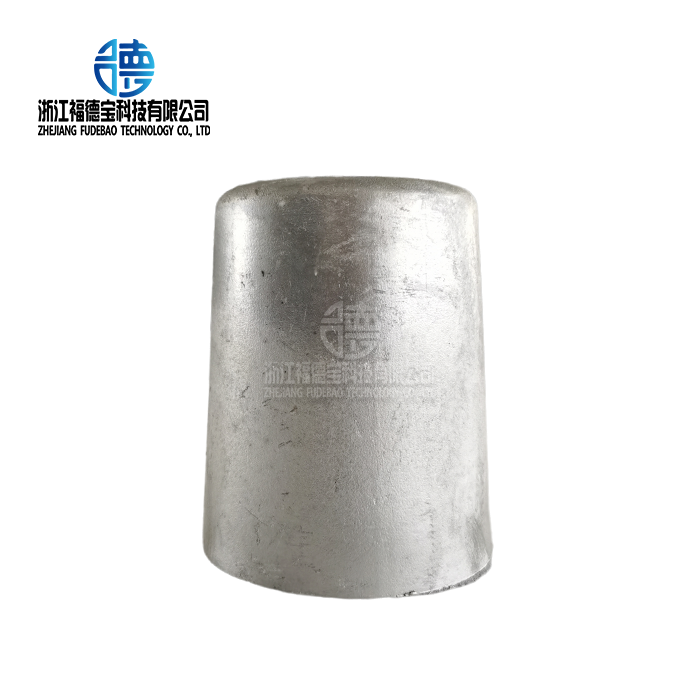
_1756361323684.webp "column guide sleeve")
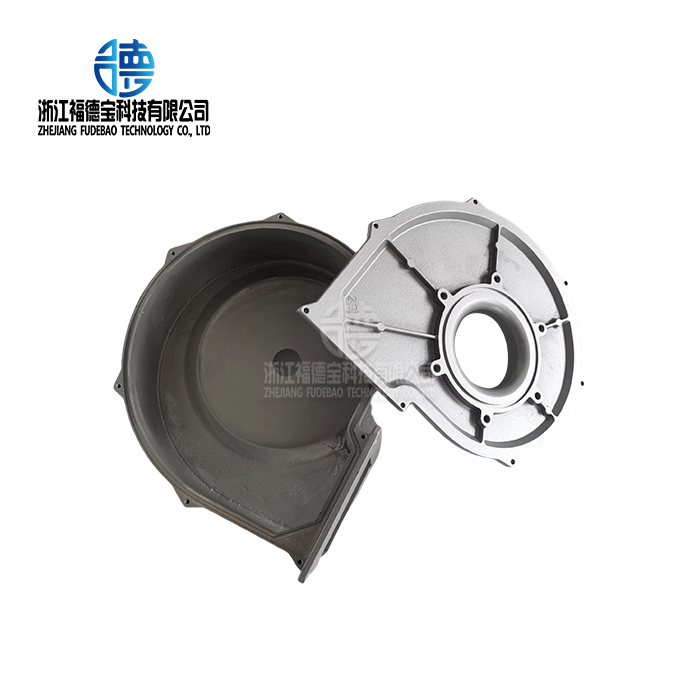
_1756352340434.webp "Aluminum chassis cover")