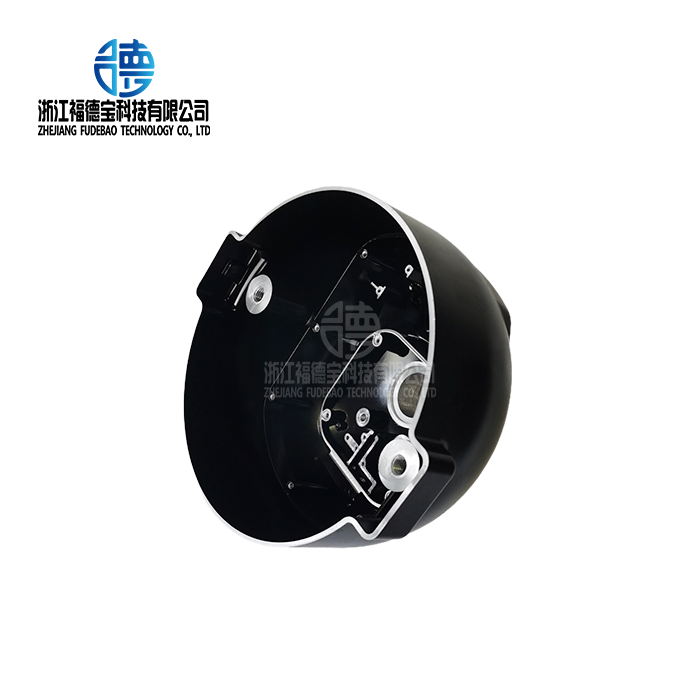
How Low Pressure Casting Improves Mechanical Properties of Aluminum Components?
2026-06-17
Through controlled, counter-gravity metal filling that reduces turbulence and encourages directed solidification, low pressure casting greatly improves the mechanical properties of aluminum parts. The pneumatic pressure in this process is carefully controlled and is usually between 0.02 and 0.1 MPa. This lets the liquid aluminum fill the mold holes easily while getting rid of any oxide inclusions or stuck air. This creates a thick, uniform microstructure with few holes. The parts that are made have high tensile strength, good elongation properties, and can be fully heated and cooled. These are all important properties for safety-critical uses in the aircraft, automobile, and industrial sectors.
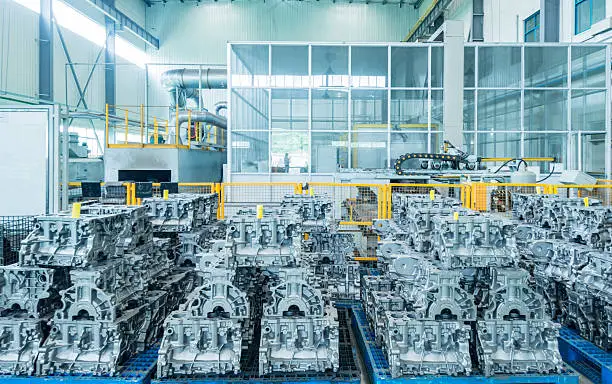
Understanding Low Pressure Casting and Its Impact on Aluminum Components
The Foundation of Controlled Metal Filling
When we look at aluminum casting technologies, the way that the liquid metal gets into the mold hole is the most important factor in determining how well the part will work. One thing that makes low-pressure die casting different is that it uses a counter-gravity filling system that is directly linked to the model through a riser tube from a pressurized holding furnace. During the filling phase, this controlled method ensures smooth flow, unlike traditional pouring methods where metal tumbles and splashes. The mild pressure that stays the same during solidification lets the pool below feed continuously, which successfully makes up for shrinkage in thick-walled parts without the need for risers or feeders that are too big.
Metallurgical Advantages Through Process Control
The better engineering quality of aluminum casts made this way comes from the best cooling rates and pressure-assisted feeding. During solidification, the constant pressure makes sure that the liquid metal constantly makes up for the volumetric contraction. This nearly eliminates shrinking porosity in areas that need to hold a lot of weight. This is especially helpful when making parts like motor housings or suspension control arms, where internal health is directly linked to wear life and structural reliability. The method usually produces specs that meet ISO 8062 CT6–CT7 standards, with surface finishes that range from Ra 3.2 to 6.3 µm. This means that less machining is needed afterward.
Alloy Selection and Heat Treatment Compatibility
One thing that makes parts made with this casting method stand out is that they can be fully treated with T6 heat, which includes solution treatment and artificial aging. Controlled filling gets rid of the gas buildup that causes burning during heating cycles, so engineering teams can ask for full thermal processing to get the best yield strength and extension. When processed properly, with an iron content below 0.15% and the right amount of strontium added, common alloys like A356 and A357 have mechanical qualities that meet strict OEM requirements for the car industry. This ability to be heated up opens up new uses that need both lightweight design and strong structure. For example, this is useful for battery housings for electric vehicles and aircraft structural braces.
The Low Pressure Casting Process: Steps That Optimize Mechanical Properties
Mold Preparation and Thermal Management
The low pressure casting process starts with carefully preparing the molds. Special refractory coats are put on permanent steel molds (usually made of H13 tool steel) to help with heat transfer and part release. When these layers are kept up during production cycles, they change the way solids solidify and, in the end, the structure of the grains. By preheating the mold to the right temperatures, you can make sure that the liquid aluminum doesn't cool down too quickly, which could cause cold shuts or flow lines, which happen when process parameters move out of the ideal ranges.
Controlled Metal Introduction and Pressure Profiling
Once the mold is ready, the riser tube connects the furnace with the liquid aluminum alloy that is being kept at exact temperatures to the mold hole. PID control loops make sure that the speed at the gate opening stays the same while the pneumatic pressure slowly rises along a carefully designed curve. This slow rise in pressure, which usually lasts between 30 and 90 seconds based on the shape of the part, stops turbulence while keeping the speed high enough to keep the solidification from starting too soon. Engineers keep a close eye on pressure-rise curves because even small changes can have a big effect on how metal flows and how dense the end part is.
Directional Solidification and Feeding Strategy
As soon as the mold space is full, the pressure stays the same during the solidification phase. This cools the material in a way that moves it from the edges back toward the feed tube. This controlled solidification process makes sure that any shrinking holes appear in the gate area and not in the body of the component, where they would weaken its mechanical properties. The design of the gating system is very important in this case. Foundries with a lot of experience know how to carefully place gates to encourage gradual solidification while keeping the thermal gradients that make feeds efficient. Material yields often go over 90% because any metal left in the feed tube goes back into the furnace when the pressure is released. This is very different from gravity casting, where yields are usually between 50 and 60% because of the big steps.
Comparing Low Pressure Casting with Alternative Aluminum Casting Methods
Performance Advantages Over Gravity Casting
Gravity casting only uses hydrostatic head to fill molds, which makes the flow rough as metal splashes and falls during filling. This turbulence pulls in air and creates oxide films that become internal flaws. These flaws lower the resistance to wear and create possible failure starting points. The controlled counter-gravity method, on the other hand, makes casts that are much denser and have the same mechanical traits throughout production runs. When purchasing teams look at different choices for parts that are loaded and unloaded over and over again, like car knuckles or compressor housings, the dependability benefit can be measured by longer service lives and fewer warranty claims.
Distinctions from High Pressure Die Casting
In high-pressure die casting (HPDC), liquid metal is injected at very high speeds and pressures. This makes the walls very thin and the cycle times fast, making it ideal for making a lot of market goods. However, the rough filling makes a lot of gas holes in the casting, which means that the parts can't be heated because they could boil. HPDC method can't be used on parts that need to be structurally strong after T6 treatment. The mild pressure method fills in this gap; it provides better internal health than gravity methods while still allowing full heat treatment, which HPDC can't do. Cycle times are longer than with HPDC but much faster than with sand casting. This makes it perfect for medium- to high-volume production where part quality is more important than speed alone.
Cost-Quality Trade-offs and Application Suitability
Investment factors include more than just the cost of each piece. They also include how long the tools will last, how much material will be used, and the needs for handling afterward. For this process, permanent molds usually last between 30,000 and 50,000 rounds before they need to be completely redone. Regular coating care can increase their useful life. Even though the original cost of the tools is higher than that of sand casting, the consistent dimensions and lower machining limits often lead to lower total part costs when more than a few thousand pieces are made each year. Production of automotive wheels is the most common use for this technology. The process is perfect for meeting the needs for complicated looks, lightweight design, and high impact resistance. Additionally, EV motor housings that need complex cooling pathways inside can benefit from using sand cores without crushing them under too much pressure.
Practical Design Tips to Maximize Mechanical Properties in Low Pressure Casting
Wall Thickness Optimization and Uniformity
Starting with wall thickness requirements, the form of a component has a big effect on the mechanical qualities that can be achieved in low pressure casting. Usually, the minimum thickness of the walls should be between 2.5 mm and 3.0 mm, so that the strength standards are met while still letting the material move. Sudden changes in thickness cause stress to build up and stop solidification from going in the right direction, which could trap shrinking pores. Gradual changes in draft angles make it easier for metal to flow when the mold is being filled and for the pattern to be extracted when the cast is being designed. By working together with foundry partners early on, engineering teams can find the best shapes for both casting and structural performance. This saves a lot of money on redesigns that are needed after the first prototype fails.
Strategic Gating and Core Integration
The placing of gates affects the flow paths and solidification sequences of metal, which has a direct effect on the formation of defects. The best designs put gates in a way that encourages smooth, laminar filling, which moves air around slowly without creating turbulence or eddy currents. Standard sand cores, like shell cores or cold box types, can be used with the mild working pressure to make complex internal geometries that can't be done with gravity methods or are too fragile for high-pressure systems. Applications that use this feature include cylinder heads with complex cooling jackets and pipes with internal passageways. To keep core-related flaws from happening during solidification, the design of the core must take temperature expansion and gas leakage into account.
Real-World Performance Improvements
When automakers switch suspension parts from gravity casting to controlled pressure methods, the tensile strength goes up by more than 15%, and the elongation qualities meet high safety standards for crashworthiness in the car industry. In aerospace uses, where reducing weight directly impacts fuel economy and payload capability, it is helpful to be able to select high-strength alloys that can be processed through full T6 cycles without affecting their internal strength. These measurable changes lead to lighter designs that meet the same or higher load standards. This shows how important process selection is in industries with a lot of competition, where performance benefits drive market differentiation.
Procurement Considerations for Low Pressure Casting Aluminum Components
Supplier Qualification and Quality Systems
When purchasing aluminum castings, people in charge must compare possible providers to strict quality standards for low pressure casting. Systematic quality management is right for important tasks, as shown by certifications like ISO 9001, IATF 16949 for car uses, and AS9100 for aircraft parts. In addition to certificates, you should also look at the checking tools that can be used, such as spectrometric analysis for alloy verification, radiographic testing equipment for ASTM E155 compliance, and coordinate measuring machines for measurement validation. Suppliers should show how they use statistical process control to keep track of important factors such as casting temperature, pressure profiles, and cooling rates to make sure that all output lots are the same.
Production Capabilities and Equipment Assessment
Knowing what the supplier's tools can do helps match the needs of the component with the skills of the facility. Computerized pressure control systems with programmable filling curves, automatic mold temperature management, and robotic part handling are all parts of modern setups. It's not enough to just look at ideal cycle times when figuring out production capacity. You should also look at the real throughput, taking into account things like mold changes, maintenance intervals, and quality check cycles. Suppliers who offer combined services, from pattern creation to secondary machining, have big benefits because they make planning easier and cut down on lead times. Multiple-size machine sets show that the company is flexible enough to handle both small batches of prototypes and large amounts of production without having to make changes to the process that could affect the accuracy of the parts.
Total Cost Analysis and Lifecycle Value
The price of a component includes more than just the piece cost. It also takes into account the amortization of tools, the efficiency of material usage, and the needs of downstream processes. This casting method has a high material yield—often more than 90%—which lowers the cost of raw materials compared to methods that need big risers that are then recycled. Better surface treatments and accurate measurements cut down on cutting tasks, which saves time and money on tool wear. When parts need to be heated to improve their properties, these casts are perfect because they don't split, which can happen with gas-contaminated alternatives and cause them to be rejected. When purchasing teams make total cost models, they often find that small premiums per piece save a lot over the life of the model because they lead to less waste, longer service life, and less guarantee risk.
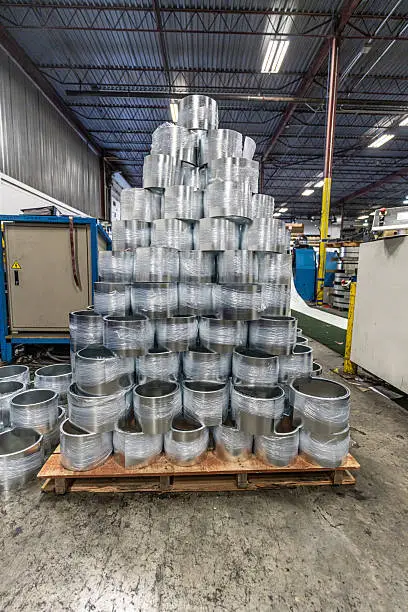
Conclusion
Low pressure casting is a tried-and-true method for making metal parts with better material properties that can be used in tough situations. The controlled filling process, directed solidification, and pressure-assisted feeding all work together to make casts that are dense, regular, and have few flaws and better structural integrity. When procurement teams look at casting choices for safety-critical uses that need to be able to be heat treated, be resistant to fatigue, and have precise measurements, this method stands out as a great way to balance cost, quality, and production freedom. Knowing the basics of the process, how to optimize designs, and how to find qualified suppliers lets you make smart buying choices that improve product performance while keeping total lifecycle costs low.
FAQ
How does low pressure casting specifically improve tensile strength compared to gravity methods?
The controlled, laminar filling gets rid of oxide particles and reduces gas trapping, both of which weaken load-bearing structures by making internal breaks. Maintaining pressure during solidification makes up for shrinking, creating microstructures that are thicker and don't have any holes in them. This internal soundness, along with the ability to fully treat with heat, makes it possible to consistently achieve tensile strengths that are 15–20% higher than those achieved by gravity casting the same alloys.
What typical defects should quality inspections focus on?
Radiographic tests should look at gate areas and thick parts where poor feeding could cause shrinking porosity. If you see cold shuts or flow lines, it means that the melt temperature isn't high enough or the pressure-rise profiles aren't right. Leak testing proves that protected parts, like housings or valves, are pressure-tight. Chemical research proves the makeup of the alloy, especially the amount of iron and other elements that change the alloy's ductility. Checking the mechanical features after heat treatment is done by cutting coupons from real casts and testing them without damaging them.
Can this process accommodate complex internal geometries?
Unlike high-pressure methods, the mild working pressure lets shell-molded or cold-box sand cores be integrated without crushing them. This makes it possible to make parts with complicated internal pathways, cooling jackets, and undercuts that couldn't be made with easier methods. Cylinder heads and motor housings are two examples of complicated shapes that use this feature to balance structural needs with thermal management features.
Partner with Experienced Aluminum Casting Specialists
Zhejiang Fudebao Technology Co., Ltd. is a world-class aluminum foundry that makes precision parts for the aircraft, automobile, and industrial equipment industries around the world. Our integrated building has high-tech tools like computerized casting machines, high-speed CNC machining centers, and full inspection systems that allow us to do full "melting-to-finishing" output with accuracy of ±0.05mm. We work directly with top foreign brands to give them with goods. These relationships are based on technical know-how, consistent quality, and quick communication. Our engineering team uses decades of metallurgical knowledge to make sure that component designs work as well as possible, whether you need samples for proof testing or established volume production with PPAP documentation. Get in touch with our experts at hank.shen@fdbcasting.com to talk about your aluminum casting needs and find out how our services can make your product more competitive by giving it better mechanical features and on-time delivery.
References
American Foundry Society. "Permanent Mold Casting Process Parameters and Quality Control." AFS Transactions, Vol. 128, 2020, pp. 245-267.
Campbell, John. "Complete Casting Handbook: Metal Casting Processes, Metallurgy, Techniques and Design." Butterworth-Heinemann, 2nd Edition, 2015.
ASM International Handbook Committee. "ASM Handbook Volume 15: Casting." ASM International, 2008, pp. 289-312.
Kaufman, J. Gilbert and Rooy, Elwin L. "Aluminum Alloy Castings: Properties, Processes, and Applications." ASM International, 2004.
European Aluminium Association. "Aluminium Automotive Manual: Casting Design and Process Selection." 2019 Edition, Technical Guidelines Section 4.
Society of Automotive Engineers. "AMS2772: Heat Treatment of Aluminum Alloy Castings." SAE International Aerospace Material Specification, Rev. G, 2018.



YOU MAY LIKE
_1756352472762.webp "steel threaded plug")
_1756350046757.webp "Heat sink aluminum casting")
_1756349002499.webp "Aluminum alloy clamp casting")
_1756346613780.webp "Aluminum tent base Casting")
_1756346310015.webp "Aluminum castings Crane bracket")