CNC Machining Copper Castings: Challenges and Best Practices
2026-06-17
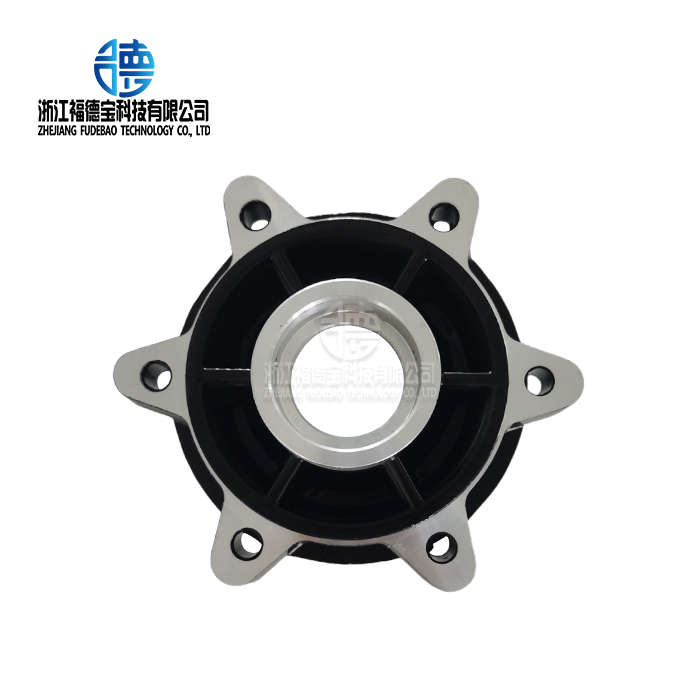
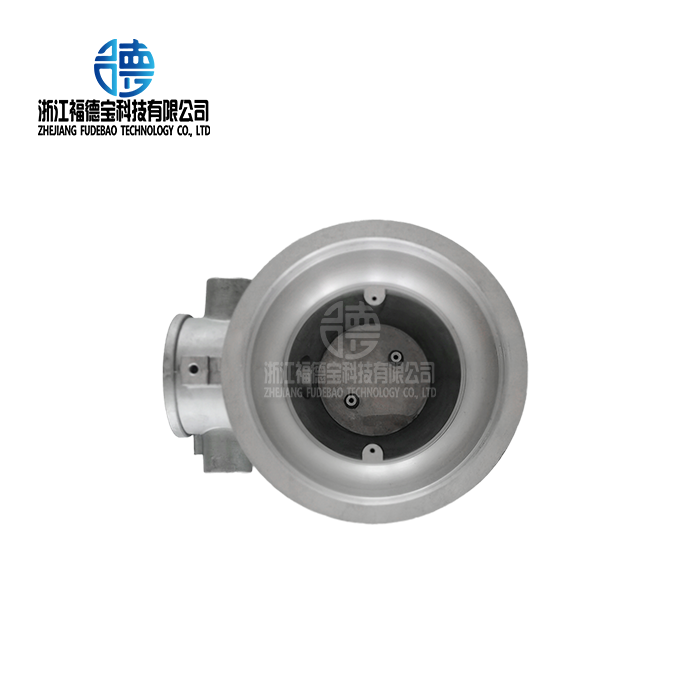
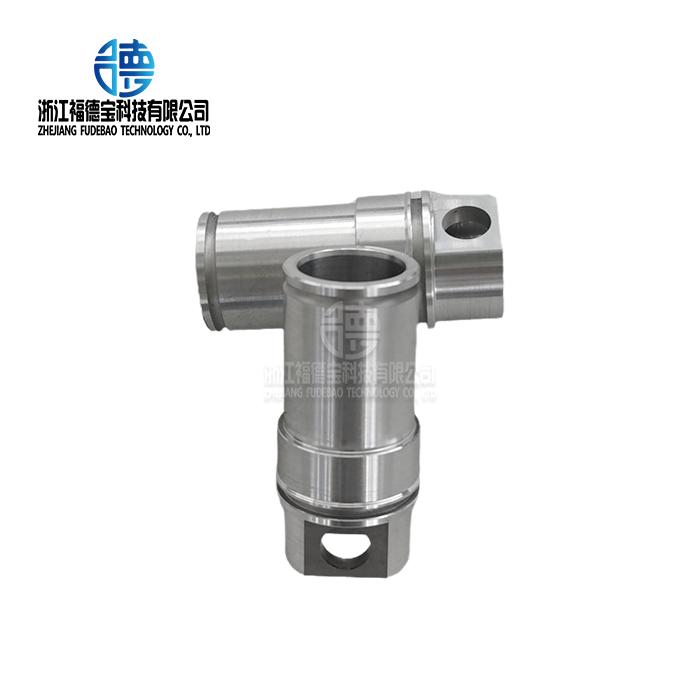
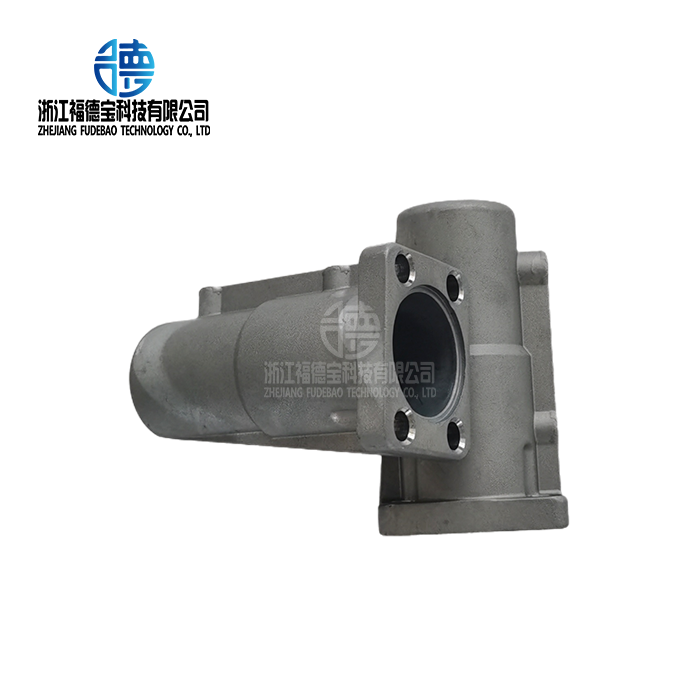
CNC machining copper castings makes precision-engineered parts that are needed in fields that need better electrical performance, heat transfer, and resistance to corrosion. Copper casting metals, such as brass, bronze, and cupronickel, make parts that are almost perfectly round. This cuts down on the cost of secondary cutting by a large amount while still allowing for complex shapes. This process solves some of the biggest problems in manufacturing, like making it easier to machine complex internal cavities, finding solutions for marine environments where galvanic corrosion could damage parts, and making wear parts that reduce friction in places where metal-on-metal contact would cause catastrophic failure. We use our many years of experience as a foundry along with our advanced CNC skills to make sure that the parts we send meet ASTM B584 and EN 1982 standards. These parts are used in the aerospace, automobile, industrial machinery, and electrical infrastructure industries and are always of the right quality and size.
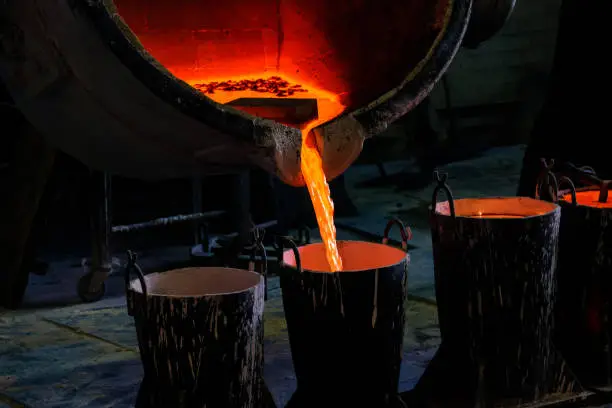
Understanding CNC Machining of Copper Castings
What Makes Copper Alloy Castings Unique
Copper-based castings are different from options made of metal and steel because of the way the material is naturally made, which affects how it is machined. In high-copper versions, these metals have thermal conductivities that are higher than 200 W/m·K. This makes them perfect for use in heat exchanges and electrical terminals. Copper naturally develops a protective patina that keeps it from rusting in harsh settings, such as underwater electricity infrastructure or naval power systems. When you are machining these castings, it is important to know the difference between the alloy families. For example, aluminum bronze has tensile strengths of up to 750 MPa and is very resistant to seawater. Leaded tin bronze, on the other hand, is easier to machine but needs to be thought through for environmental compliance. Because the material is flexible, it can be cold worked and shaped after it has been cast. However, this same flexibility means that CNC operations need to be done carefully so that work hardening and built-up edges don't happen.
Integration of Casting and Precision Machining
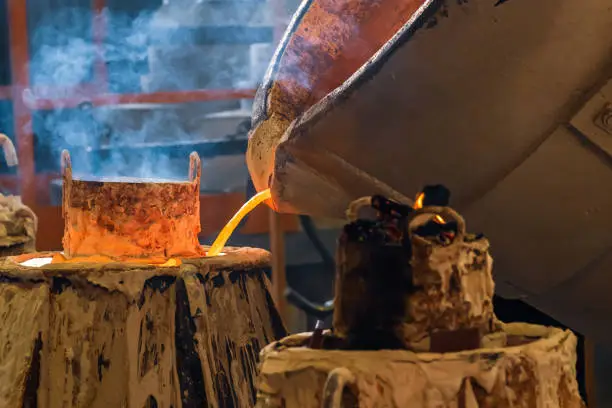
When casting and CNC cutting work together, they make making more efficient than either could do on its own. Casting makes complicated forms with built-in features like fluid channels, mounting bosses, and internal openings that would need to be set up more than once if they were made from solid stock. We make casting models with machining limits that are usually between 1.5 mm and 6 mm. This way, we can balance the need to remove material with the need to save money. This unified method works especially well when making parts for electrical switches, where the high-conductivity copper needs to fit into very exact dimensions to make sure the right amount of contact pressure and current flow. Our low-pressure casting tools make dense blanks with few defects that take less time to machine than sand-cast options. Controlled cooling leads to directional solidification, which reduces porosity in important load-bearing sections. This makes sure that following CNC operations show smooth, void-free surfaces. This way of making things meets the PPAP documentation standards for car suppliers and gives aircraft quality systems the traceability they need.
Material Selection Considerations
To choose the right copper metal for copper casting and cutting, you have to weigh a number of performance factors against the needs of the application. Marine blades and pump impellers are made of high-tensile aluminum bronze casts, which last longer than stainless steel because they don't rust or corrode as quickly. Nickel-aluminum bronze variations make parts that are soaked in salty water all the time less likely to rust. Leaded bronzes used to be the most common material for bearings because they were easy to machine and didn't chip. However, new rules about the environment are pushing people to use bismuth-bronze and selenium-brass instead, which meet RoHS and NSF/ANSI 61 potability standards without lowering performance. Cupronickel alloys are used in condenser tubes and heat exchangers where their ability to fight biofouling and keep their temperature stable are more important than pure copper's slightly better conductivity. We keep a large library of alloy specs, such as C95400, C95800, and C86300. We help engineers match the qualities of materials with the situations they will be used in, such as settings with compressive loads, boundary lubrication, electrical resistance goals, and thermal cycling endurance.
Key Challenges in CNC Machining Copper Castings
Material-Specific Machining Obstacles
Because copper has physical qualities that are very different from those of aluminum or ferrous alloys, it can be hard to machine copper castings. Copper's high thermal conductivity makes it useful for electrical applications but also makes it hard to machine because heat from the cutting edge quickly sinks into the workpiece instead of being carried away by chips. This causes tool temperatures to rise and wear to occur more quickly. Because copper is flexible, chips form long, stringy swarf that can get tangled up in cutting tools and damage finished surfaces if coolant pressure and chip removal methods are not used correctly. Work hardening happens when the wrong cutting settings let the material bend plastically ahead of the tool edge instead of shearing neatly. This makes a hardened layer on the surface that makes later tool passes less effective. These effects are stronger in metals that have a lot of copper than in bronzes that have lead bits in them, which act as internal lubricants and break up chips while lowering cutting forces. Our machining routines deal with these problems by using carbide tools with the right rake angles, controlled depth-of-cut progressions that keep the work from hardening, and high-pressure coolant delivery systems that keep the temperature stable while washing chips out of the cutting zone.
Casting Defects and Their Machining Impact
Even if the casting process is closely watched, flaws can appear during solidification that make it harder to use CNC tools later on and lower the quality of the final part. When hydrogen is absorbed during melting, it creates gas porosity. This shows up as subsurface holes that become visible during machining, leaving behind unsightly flaws or stress concentration places in structural parts. This problem is lessened by clearing with nitrogen or argon and adding phosphor copper deoxidizers, which bind dissolved gases before putting into a mold. Heavy parts can get shrinkage gaps if they aren't fed properly during solidification. These holes might not be seen until a lot of time has been spent on machining. Our casting simulation software models how the material will solidify, which lets us put risers and chills in a way that makes sure the material is sound in important dimensions. Sand particles from mold erosion or incomplete core removal show up as hard spots that chip cutting edges. This means that cutting edges need to be inspected after casting using x-ray or ultrasound techniques before expensive machining operations are carried out. Before setting up machine datums, surface oxidation and scale buildup must be removed by shot blasting or chemical cleaning. This adds process steps that affect wait times. These quality factors make it clear why working with experienced copper casting suppliers has a direct effect on how efficiently and cheaply products are made.
Tool Life and Surface Finish Requirements
To get the desired surface finishes on copper castings while keeping the cost of the tools low, many factors that depend on each other must be optimized. Copper metals can usually have great surface finishes (Ra values below 1.6 μm are common), but only if the cutting conditions don't allow built-up edges and material spread to happen. In production settings, carbide inserts with polished rake faces and controlled edge preparations work better than high-speed steel tools. They last 300–500% longer and keep the same surface quality. For roughing, cutting speeds are usually between 90 and 180 m/min with feed rates of 0.15 to 0.30 mm/rev. For finishing, cutting speeds are usually between 200 and 300 m/min with smaller feeds that reduce cutting forces. Interrupted cuts in complex molds speed up insert wear through thermal cycles and mechanical shock. To keep tools from breaking down in a way that destroys workpieces, they need to be inspected on a regular basis. Surface finish standards for electrical housings and connecting bodies have a direct effect on conductivity and contact resistance. For example, tiny tool marks create air gaps that raise electrical resistance and heat up when current flows through them. Our 5-axis machining centers run continuous tool paths that get rid of start-stop marks. Ceramic cooling nozzles send high-pressure fluid straight to cutting zones, which keeps the surface solid during production runs.
Best Practices for Effective CNC Machining of Copper Castings
Pre-Machining Inspection and Preparation
Systematic checking and conditioning processes are done on workpieces before they even get to the CNC equipment. This is how success in machining copper castings is established. When casts come in, they are measured using a CMM to make sure that the as-cast features are within the pattern limits and that there is enough stock for finishing machining. This way, problems like pattern wear or mold shift can be found before they waste machine time. We use fluorescent penetrant screening on important castings to find flaws that break the surface that can't be seen with the naked eye. This is especially useful for aluminum bronze parts that will be used in high-stress aircraft applications. Stress-relieving heat treatment is necessary for complicated shapes where different cooling rates during solidification leave behind stresses that affect the shape when material is removed unevenly during cutting. Our controlled atmosphere furnaces use different heating processes for each type of metal. For example, aluminum bronzes need to be soaked at 600°C for a while and then slowly cooled down. Tin bronzes, on the other hand, need lower temperatures to keep their phases from changing. Fixture design gets the same amount of attention because copper isn't as hard as steel, so it needs evenly distributed binding forces that keep it from deforming but are also stiff enough to fight cutting forces without chattering. Modular fixturing systems make it easy to switch between part families quickly while still ensuring repeatability, which meets PPAP standards and helps with statistical process control efforts. This careful planning ahead of time cuts down on waste, speeds up cycle times, and makes sure that following machine operations go smoothly toward goals for dimensions and surface finish.
Parameter Optimization Strategies
To keep quality high while increasing output, cutting factors must be carefully adjusted to fit the properties of the copper alloy and the shape of the part. Modern CNC controls allow adaptable feed rate systems that check the load on the spindle and change the cutting speed automatically to keep chip formation uniform. This is especially helpful when cutting molds with different wall thicknesses, where cutting conditions change all the time. We set the basic parameters by planning tests that show how speed, feed, depth of cut, and tool life are related. Then, we make these parameters even better by testing them in real-world production while keeping an eye on how the insert edges wear. Using trochoidal milling techniques lowers radial contact during slotting operations. This spreads heat and wear across the whole cutting edge instead of focusing forces on a small area. High-efficiency roughing quickly removes large amounts of material using settings that maximize metal removal rates without reducing tool life. This is followed by semi-finishing passes that set the dimensions to within 0.1 mm of accuracy before the final finishing cuts reach tolerances of ±0.05 mm. The choice of coolant is also very important. Traditionally, sulfur-based cutting fluids were used for copper machining, but now they can't be used because they are bad for the environment. Instead, synthetic and semi-synthetic options are being used more because they work just as well as the sulfur-based fluids but are easier to get rid of. Through automated tracking systems, we keep the coolant content and pH within certain ranges. This stops germs from growing and stops chemistry drift that damages the surface finish. By making tools last longer, cutting down on cycle times, and lowering the amount of rework needed because of bad dimensions or finishes, these attempts to optimize parameters have a direct effect on the cost per piece.
Advanced Machining Techniques
Complex copper casting shapes often need more than just 3-axis machining, which is why multi-axis tools and specialized methods are bought. Our 5-axis machining centers continuously interpolate between angular points. This lets us make parts with compound angles and undercut features with just one setup, whereas before they would need multiple operations and the datum shift mistakes that come with them. For aerospace parts, where tolerances must be kept to ±0.02mm and all processes must be linked to specific workpiece serial numbers in documents for tracking, this feature is a must. Electrical discharge machining (EDM) is used in addition to traditional cutting to make deep, narrow holes for electrical plugs or complex cooling channels in mold parts. Copper is better at conducting electricity than hardened steels, which makes EDM work better. We use high-frequency tool shaking to lower cutting forces by 40–60% while improving surface finish. This is done on thin-walled copper castings where normal cutting forces would cause deflection and dimensional mistakes. Using spindle-mounted probes for in-process measurement checks important dimensions before removing workpieces from fixtures. This finds regular mistakes caused by tool wear or thermal growth before making parts that don't meet standards. These advanced methods increase the range of shapes that can be manufactured and the levels of accuracy that can be achieved. This helps to drive innovation in areas like electrical infrastructure and industrial machines where performance standards are always rising.
Procurement Considerations for B2B Clients
Supplier Evaluation Criteria
Manufacturing engineers and procurement workers need to use a lot of different criteria to evaluate copper casting suppliers. These criteria should include more than just unit price; they should also include total cost of ownership and the dependability of the supply chain. ISO 9001-certified quality management systems provide basic process controls, while IATF 16949 certifications for the car industry and AS9100 certifications for the aerospace industry show that they can meet the needs of their sectors for traceability, process validation, and ongoing improvement. When judging a company's production capacity, don't just look at how many machines it has; also look at how well it can handle larger orders while keeping delivery times the same. Suppliers that do melting, casting, and machining all under one roof can cut down on lead times and inter-operation logistics compared to companies that use subcontracted processes. When you do a technical capability assessment, you should look at the measuring tools (CMM accuracy and calibration status), the materials that can be tested (spectrometer verification of alloy chemistry and mechanical property testing), and the engineering support that is available during design-for-manufacturability reviews. We are clear about the minimum order amounts based on melt batch economics, which are usually between 500 kg and 1000 kg dependent on the metal. This lets customers weigh the costs of keeping inventory against the benefits of piece price savings. Instead of depending only on capability statements, asking for production samples before investing in tooling lets you check the surface finish, dimensional capability, and mechanical qualities in real manufacturing conditions. Lead times and logistics costs are affected by location, but closeness shouldn't be more important than basic quality and capability factors that decide the success of a long-term relationship.
Supply Chain and Sustainability Integration
Today's procurement strategies know that supplier success is more than just transactional measures. It also includes things like protecting the environment and making sure the supply chain is resilient. Copper casting naturally supports the idea of a circular economy. Recycling scrap metal in melting furnaces uses 85% less energy than mining and processing it from scratch, which lowers the amount of carbon that is built into final products. We follow approved scrap sourcing processes that make sure the material comes from a legal source and doesn't get messed up in a way that breaks its mechanical qualities or adds chemicals that are illegal under REACH rules. More and more, melting processes that use a lot of energy are using waste heat recovery systems and variable-frequency drive equipment, which cuts electricity use by 15 to 20 percent compared to older setups. Water recycling systems reuse and clean process cooling water, which reduces the amount of freshwater that needs to be taken from areas where it is scarce. This is especially important for sites that have long-term production deals. By using stacked component arrangements and reusable dunnage systems that get rid of single-use materials, packaging optimization cuts down on shipping numbers. On-time delivery, quality metrics (PPM defect rates), and sustainability KPIs can all be tracked on clear seller scorecards. This lets companies make relationship choices based on facts that are in line with their CSR goals. These points are especially important in the electrical infrastructure and renewable energy sectors, where finished goods help fight climate change but industrial methods need to show the same level of dedication to environmental performance.
Conclusion
To machine copper castings well, you need to know a lot about metals, controlling the casting process, and making precise parts. The very things that make copper alloys valuable—their heat conductivity, rust resistance, and electrical performance—also make them hard to machine and require special techniques. Procurement workers can get a competitive edge by working with suppliers that can do everything from choosing the alloy to doing the final check. These suppliers should also have quality systems and environmental responsibility that are appropriate for their industry sectors. Moving toward digitalized, environmentally friendly manufacturing doesn't replace basic metalworking skills; instead, it improves them. This means that companies that invest in both technology and training their workers can meet the needs of demanding markets in the automotive, industrial, electrical, and aerospace sectors.
FAQ
What advantages does CNC machining provide over traditional machining for copper castings?
CNC machining gives reliable measurement accuracy within ±0.05mm by using computer-controlled tool paths that get rid of human error. This is very important for parts used in cars and airplanes where assembly standards are very strict. Multi-axis skills cut down on setup time by allowing complex features to be machined in a single process. This lowers the total number of datum shift errors and increases throughput. Before releasing parts, automated inspection processes check their measurements. This finds problems with tool wear that happen over time before they cause batches that don't meet standards.
How do I select the appropriate copper alloy for my application?
Choosing the right material means finding a balance between mechanical needs (like tensile strength and hardness), weather conditions (like corrosion exposure and working temperature), and functional needs (like electrical conductivity and heat transfer). Stronger than 700 MPa, aluminum bronze is good for naval and high-stress uses. Leaded tin bronze, on the other hand, is best for bearing parts because it is easy to machine. High-conductivity alloys that meet IACS percentage goals are most important for electrical uses. Our research team looks at the performance requirements, service area, and loading factors to suggest the best alloy chemistry that meets industry standards.
What are typical lead times and minimum quantities for custom copper castings?
Production times vary on how complicated the part is and what tools are needed to make it. For example, simple sand castings with known patterns can be shipped in 3–4 weeks, but it takes 8–12 weeks to make a new die for a complex geometry. To get melt batch economics, the minimum order quantity for each alloy is usually between 500 kg and 1000 kg. This means that piece numbers change based on the weight of the individual parts. We support prototype amounts by having fluid schedules and keeping framework agreements that let call-off releases happen. These agreements balance the costs of keeping inventory with the benefits of production efficiency for custom copper castings.
Partner with Fudebao Technology for Precision Copper Casting Solutions
To be the best at copper casting and CNC cutting, you need more than just the right tools. You also need to have experts in metals, process engineering, and quality systems working together. Zhejiang Fudebao Technology is a leading copper casting supplier. We can do everything in-house, from melting copper to low-pressure casting to die casting and precision CNC cutting on our high-speed machining centers and CNC lathes. Our building can provide measurements that are accurate to within 0.05 mm, and we also offer full surface treatment and finishing services, so you can get your part from molten metal to finished product all in one place. Manufacturers of cars, industrial equipment, electricity infrastructure, and aircraft around the world come to us for PPAP paperwork, material certifications, and quality systems that meet IATF 16949 standards. If your application needs high-conductivity electrical parts, ship castings that won't rust, or precision-machined bearing kits, our engineering team can help with design-for-manufacturability, which improves part performance while keeping costs low. Connect with our technical specialists at hank.shen@fdbcasting.com or visit fdbcasting.com to discuss your copper casting needs and find out how our manufacturing services can help you reach your product development and production goals through reliable quality and quick service.
References
Davis, J.R. (2001). Copper and Copper Alloys: ASM Specialty Handbook. ASM International, Materials Park, Ohio.
American Society for Testing and Materials (2022). ASTM B584-22: Standard Specification for Copper Alloy Sand Castings for General Applications. ASTM International, West Conshohocken, Pennsylvania.
Kalpakjian, S. and Schmid, S.R. (2014). Manufacturing Engineering and Technology (7th Edition). Pearson Education, Upper Saddle River, New Jersey.
European Committee for Standardization (2008). EN 1982:2008 Copper and Copper Alloys - Ingots and Castings. CEN, Brussels, Belgium.
Totten, G.E. and MacKenzie, D.S. (2003). Handbook of Aluminum: Volume 1 - Physical Metallurgy and Processes. Marcel Dekker, New York.
Anderson, K.R. and Groza, J.R. (2018). "Advanced Machining Processes for Copper Alloy Components in Electrical Applications." Journal of Manufacturing Science and Engineering, 140(8): 081005.



YOU MAY LIKE
_1756349071334.webp "HAAS mounting bracket")
_1756346421748.webp "Aluminum casting telescopic bracket Parts")