How CNC Machining Will Benefit Your Production Process?
2026-04-01
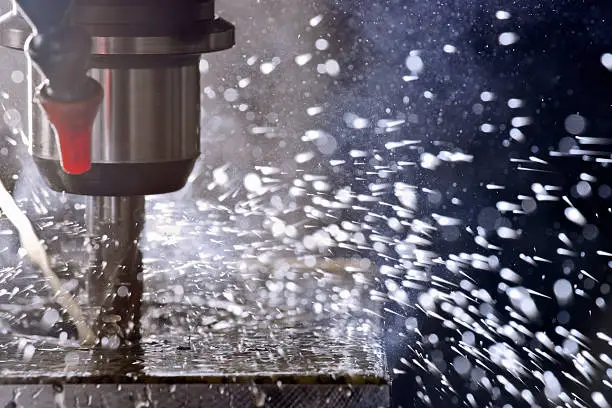
CNC machining transforms production processes by delivering unmatched precision, consistency, and efficiency across diverse manufacturing applications. This computer-controlled manufacturing technology eliminates human error, reduces lead times, and enables the creation of complex geometries that traditional methods cannot achieve. Industries ranging from automotive to aerospace leverage this advanced process to maintain competitive advantages through superior quality control and streamlined operations. Understanding how this technology integrates into modern production workflows reveals significant opportunities for operational optimization and cost reduction.
Understanding CNC Machining and Its Core Advantages
Computer Numerical Control (CNC) cutting is a completely new way to make things that has completely changed how accurate parts are made. In contrast to hand machining, which depends on the skill and stability of the user, this automated process uses pre-programmed software to control machine tools very precisely. The technology works with G-code directions that tell the tools exactly how to move. This makes sure that the results are the same over thousands of production runs.
The Digital-to-Physical Workflow Revolution
There is a complex but streamlined process that goes from digital creation to finished product. Computer-Aided Design (CAD) models are the building blocks on which engineers make accurate three-dimensional models of parts. CAM (Computer-Aided Manufacturing) software then takes these designs and makes exact toolpaths and machining settings. This digital approach gets rid of the usual interpretation mistakes that happen when things are done by hand, and it also lets you make quick changes and iterations to the design.
These days' CNC machining centers can work with a lot of different materials, from light aluminum alloys to strong titanium superalloys. Engineering plastics like PEEK and POM can be used in specific areas that need chemical protection or biocompatibility. This technology is essential for businesses that need to be very precise because it can work with a wide range of materials and keep limits as tight as ±0.005mm.
Comparative Advantages Over Traditional Manufacturing Methods
When comparing different ways to make things, performance numbers make the differences incredibly clear. Additive manufacturing is a new way to make prototypes, but it's not as good at making accurate measurements and surfaces as subtractive cutting. Because 3D printing is done layer by layer, it often creates holes and structure problems that are not acceptable in high-stress situations.
Injection molding is great for making a lot of things at once, but it costs a lot to buy the tools it needs up front. Lead times can get weeks or months longer during the mold development process, which means it's not good for fast prototyping or making few unique parts. CNC operations, on the other hand, can start production as soon as the program is finished. This gives them unmatched freedom for both making prototypes and small batches of products.
How CNC Machining Streamlines Production Processes?
Adding CNC machining to current production processes makes the output quality and speed better in a measured way. The smooth change from the idea of a design to finished parts gets rid of the need for multiple handoffs and possible mistake points that are common in traditional production methods. This simplified process is especially helpful when you have to manage complicated projects with tight deadlines.
Automation-Driven Productivity Gains
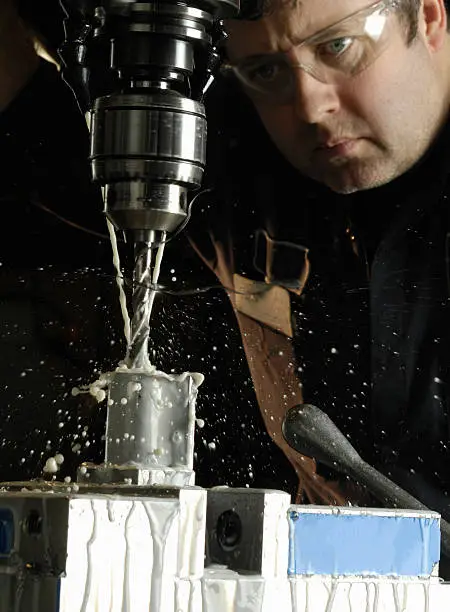
The ability for machines to work without being watched is used to its fullest in modern factories. Modern CNC machining centers with automatic tool changes and methods for moving workpieces can keep running even when no one is working. This feature essentially doubles or triples production capacity without raising labor costs by the same amount. This gives manufacturers who serve demanding markets big competitive benefits.
Because CNC machining is so precise, it doesn't need as much extra finishing, which can take a lot of time and resources in traditional manufacturing. Parts come out of machining centers with surfaces that meet Ra 0.8μm standards right away, so there is no need for cutting or cleaning. By cutting down on post-processing tasks, output is increased while quality standards are kept the same across all production units.
Real-World Case Study: Automotive Component Manufacturing
It was recently introduced by a major car seller that CNC machining will be used to make metal transmission housings instead of casting and finishing by hand. The change shortened the production cycle from 14 days to 4 days and raised the accuracy of the measurements from ±0.2mm to ±0.05mm. The rate of quality refusal went down from 3.2% to 0.1%, which saved a lot of money because fewer problems needed to be fixed and guarantee claims were made.
The seller also got the ability to adapt to changes in engineering without having to make expensive changes to the tools they use. When the original equipment maker asked for changes to the design in the middle of the product development cycle, the CNC program changes only took two days instead of the six weeks that were needed for mold revisions before. This responsiveness made the relationship with the provider stronger and led to more program wins.
Selecting the Right CNC Machining Services and Materials for Your Needs
To find the right machining partners, you need to carefully look at their professional skills, quality processes, and ability to work together. Because modern precision manufacturing is so complicated, it needs suppliers who know the specific needs of the business and are also flexible enough to meet changing customer needs. Strategic source selection has a direct effect on the standard of the product, how quickly it is delivered, and how cheap the costs are in the long run.
Essential Supplier Evaluation Criteria
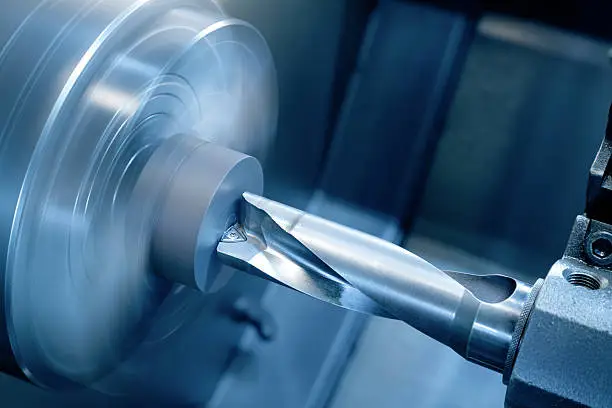
To do a technical capability review for CNC machining, you must first know what the tools can do and how it works. For complicated parts, multi-axis machining centers give you the physical freedom you need, and high-speed spindles make it easy to work with aluminum alloys and industrial plastics. The speed of setup and the ability to change batch sizes are determined by the tool changing systems and workholding capabilities. These are important factors for both prototype and production uses.
Quality standards are one of the most important ways to tell how mature a business is and how well it is controlled. Getting ISO 9001 approval shows that you are committed to organized quality management. Standards specific to your industry, like AS9100 for aerospace or ISO/TS 16949 for automotive, show that you have a better understanding of the needs of that sector. With these certifications, you can be sure that suppliers keep up with the paperwork, tracking, and control systems that regulated industries need.
Material Selection Strategy for Optimal Performance
Choosing the right materials has a big effect on how well parts work, how quickly they can be made, and how much the whole job costs. Aluminum alloys like 6061-T6 are great for car and aerospace uses because they are strong for their weight and easy to machine. Standard cutting tools can be used to easily cut the alloy, and it doesn't rust, so it can be used in most settings.
Grades of stainless steel like 316L are very good at resisting rust and being biocompatible, which are important for medical devices and food processing equipment. But because of the way work-hardening works, you need to use special tools and set the right cutting settings to keep the surface quality and the accuracy of the dimensions. Knowing about these material-specific factors helps buying teams make smart choices that balance the need for performance with the ability to make the product.
Engineering plastics can be used in more places than metal parts can because they are more flexible. Polyetheretherketone (PEEK) can survive temperatures that are higher than 250°C for long periods of time while still remaining stable in shape and resistant to chemicals. These advanced plastics can be machined like metals, but they need different cutting speeds and tool shapes to keep heat from building up and changing the qualities of the material.
Ensuring Quality and Safety in CNC Machining Operations
Instead of just inspecting the finished product after it's been made, quality control in automated machining settings depends on structured process control and constant tracking. Modern CNC machining systems have tracking features that work in real time and can find problems with tool wear, measurement drift, and surface quality before they cause parts that don't meet standards. This proactive method cuts down on waste while keeping quality standards high enough for important uses.
Advanced Quality Control Integration
Statistical process control (SPC) systems keep track of measurements of dimensions across production runs. They look for patterns that could mean that equipment is wearing out or that the environment is having an effect. Control charts show data in real time so that workers can make changes before limits are crossed. With this data-driven method, objective measures of quality are used instead of subjective ones to support efforts to keep getting better.
Touch probes and laser readers are used in in-process measurement tools for CNC machining to check important measures without taking parts out of machining centers. This feature lets the tool setting be changed automatically, so accuracy stays high during long production runs. By getting rid of the need for human measurement steps, cycle time is cut while accuracy and consistency of measurements are improved.
Industry-Specific Compliance Requirements
For aerospace uses, there needs to be a lot of paperwork and tracking that goes beyond what is normally done for quality control. Each part must come with a material approval that lists its chemical makeup, mechanical qualities, and history of heat treatment. Before production can begin, CNC machining processes need first article inspection reports to make sure that the dimensions and surface finish meet the requirements.
The FDA keeps an eye on companies that make medical devices and requires them to use proven processes and thorough change control methods. Device Master Records (DMR) keep track of every step in the process of making a component, from receiving the raw materials to inspecting and packing the end product. Any changes to the process need to be backed up by official evaluation studies that show they continue to meet quality standards.
Cost Considerations and Optimizing Procurement Decisions
By understanding the full cost structure of precision machining, buying professionals can make choices that meet both quality needs and budget restrictions. Direct machining costs are only one part of the total cost of purchase. Other costs include material costs, setup fees, inspection requirements, and transportation issues. To successfully optimize costs, you need to look at all of these factors together instead of just looking at the piece price.
Comprehensive Cost Structure Analysis
Because CNC machining operations require less human contact, they have much higher labor costs than manual operations. Skilled setup workers and coders make a lot of money, but their efficiency lets many parts be worked on at once on different machines. As production rates rise, this labor model creates economies of scale that make costs more competitive. This is especially true for complicated parts that need a lot of programming development.
Costs of materials change depending on the alloy, the market, and the source ties. Standard types of aluminum and steel usually have steady prices and can be found easily. However, specialty metals like titanium and Inconel are more expensive because they are hard to process and have short supply lines. Material substitutions that keep performance the same while cutting costs should be thought about in procurement strategies.
Machine running costs include the cost of replacing cutting tools, depreciating equipment, and using a lot of energy. High-speed cutting cuts down on cycle times but makes tools wear out faster, so it's a trade-off between cost and output. By understanding these connections, you can find the best cutting settings to meet specific cost goals while still meeting quality standards.
Volume-Based Pricing Strategies
Through setup depreciation and code development recovery, the amount of production has a big effect on unit costs. Because of fixed setup costs, short production runs cost more per piece than long ones. Longer runs, on the other hand, save money through economies of scale. When asking for quotes, procurement teams should think about what they will need for the whole life of the item. This is because sellers often offer bulk discounts that lower the long-term cost of acquisition.
Cost estimates become more difficult when custom tools are needed, especially for parts that need to fit together tightly or have unique physical features. Standard tools are good for most jobs, but sometimes you need special cutting tools or workholding fittings to get the best results. To find out how much these development costs really affect the piece price, they should be spread out over the projected output volumes.
Conclusion
The mix of precision, repeatability, and operating freedom in CNC machining makes it a game-changer in a wide range of industrial settings. The technology gets rid of human error and makes it possible to make complicated shapes that aren't possible with traditional methods. These skills help businesses in a wide range of fields, from car to aerospace, stay ahead of the competition by providing better product and shorter lead times. Knowing all the benefits, like how to streamline processes and find ways to save money, helps procurement pros make smart choices that make their companies more competitive in the market and better at making things.
FAQ
What types of parts are most suitable for CNC machining?
Components requiring tight tolerances, complex geometries, or small to medium production volumes benefit most from CNC processes. Parts with intricate features, multiple machined surfaces, or materials difficult to cast or form are ideal candidates. The technology excels at producing prototypes, custom fasteners, precision housings, and structural components where dimensional accuracy is critical.
How do lead times compare between CNC machining and alternative methods?
CNC operations typically offer shorter lead times than casting or injection molding due to eliminated tooling requirements. Simple components can begin production within days of order placement, while complex parts requiring extensive programming may need one to two weeks. This responsiveness provides significant advantages for urgent requirements or design iteration cycles.
Can design modifications be accommodated during production?
Programming flexibility allows design changes through software modifications without expensive tooling alterations. Minor dimensional adjustments or feature additions can often be implemented within hours, while major geometric changes may require several days for programming and validation. This adaptability supports agile development processes and customer-driven modifications.
Partner with Fudebao Technology for Superior CNC Machining Solutions
Fudebao Technology combines advanced CNC machining capabilities with comprehensive casting services to deliver complete manufacturing solutions. Our state-of-the-art facility features high-speed machining centers, CNC lathes, and precision measurement systems capable of maintaining ±0.05mm tolerances across aluminum, copper, and stainless steel components. As a trusted CNC machining supplier serving automotive, aerospace, and industrial equipment manufacturers globally, we provide integrated services from raw material processing through finished component delivery. Contact our technical team at hank.shen@fdbcasting.com to discuss your specific requirements and receive detailed quotations for your next project.
References
Smith, J.R., "Advanced Manufacturing Processes in Modern Industry: A Comprehensive Analysis of CNC Technology Implementation," Journal of Manufacturing Engineering, Vol. 45, No. 3, 2023.
Anderson, M.K., "Cost-Benefit Analysis of Automated Machining Systems in Automotive Component Production," International Review of Industrial Manufacturing, 2023.
Chen, L.W., "Quality Assurance Protocols in Computer Numerical Control Operations: Best Practices for Precision Manufacturing," Manufacturing Quality Standards Quarterly, Issue 2, 2023.
Thompson, R.A., "Material Selection Guidelines for CNC Machining Applications: Properties, Performance, and Processing Considerations," Materials Science in Manufacturing, Vol. 28, 2023.
Williams, D.B., "Comparative Study of Manufacturing Methods: CNC Machining versus Traditional Production Techniques," Production Engineering Review, No. 7, 2023.
Rodriguez, C.M., "Integration Strategies for CNC Technology in Modern Production Workflows: Case Studies from Leading Manufacturers," Industrial Engineering Perspectives, Vol. 31, No. 4, 2023.



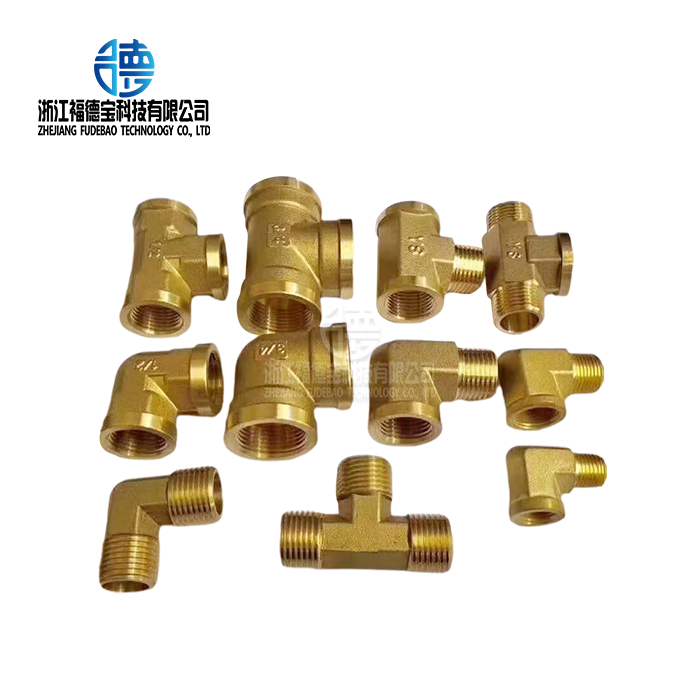
_1756352625880.webp "plug stainless")
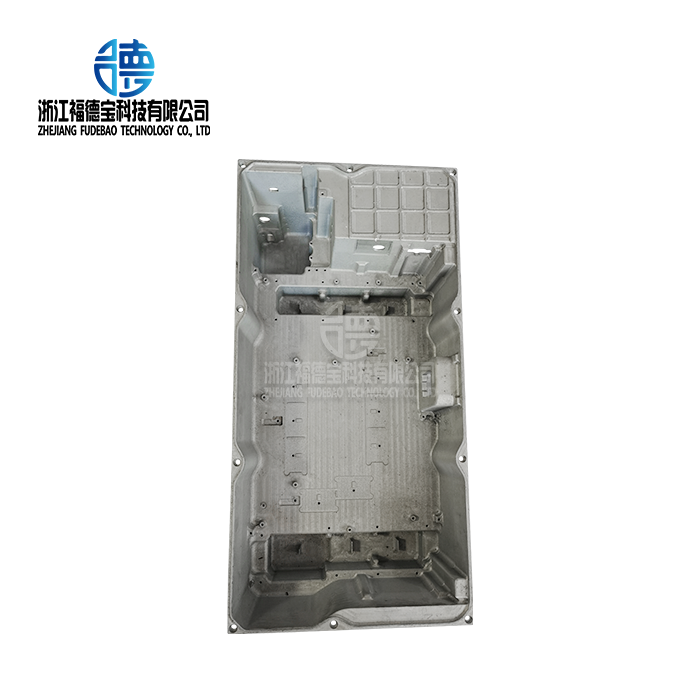
_1756352400994.webp "chassis enclosure")
_1756350046757.webp "Heat sink aluminum casting")
_1756346310015.webp "Aluminum castings Crane bracket")