Complete Guide to Aluminum Die Casting: Process, Alloys, Finishing & Applications
2026-04-01
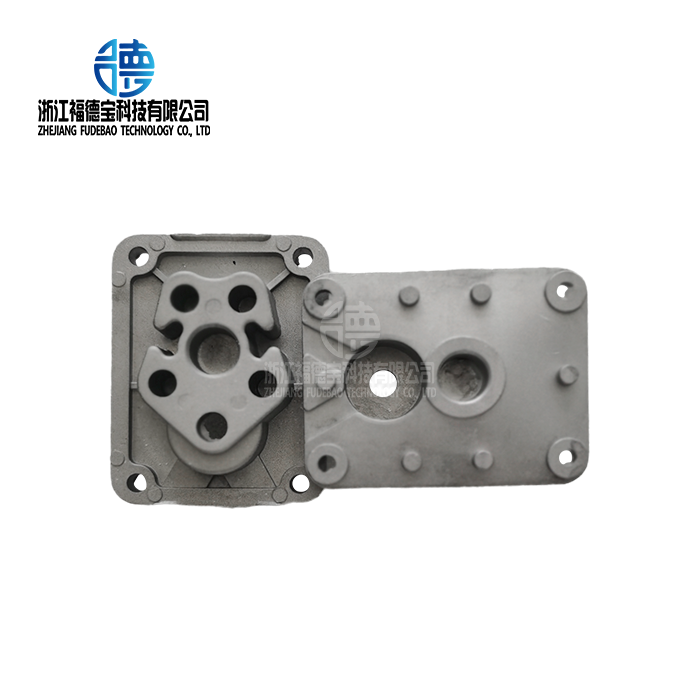
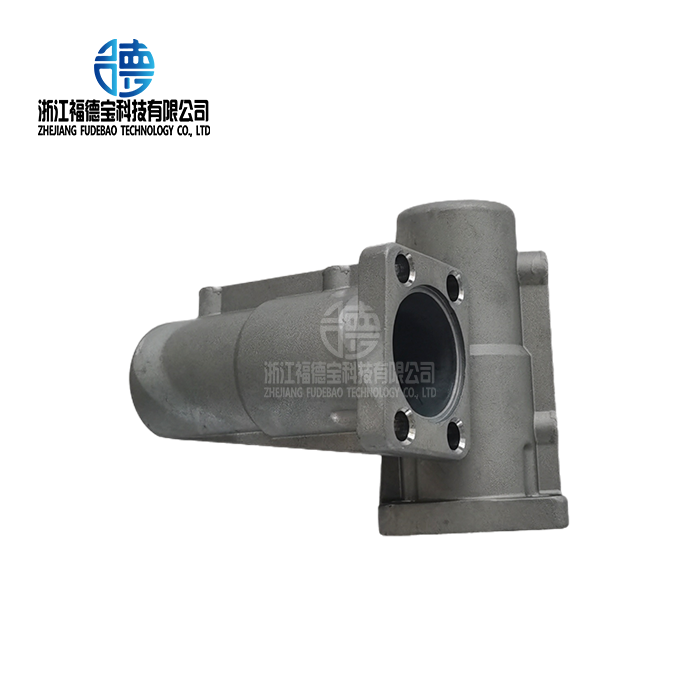
For advanced production, aluminum die casting involves pouring liquid aluminum alloy into steel molds that have been hardened under a lot of pressure, usually between 1,500 and 30,000 psi. This high-pressure die casting method makes it easy to make complicated shapes quickly while keeping the dimensions correct. The surface quality is also very good. This method is used by manufacturers in the electronics, aircraft, automobile, and industrial equipment industries to make parts that are strong, lightweight, and meet strict performance standards while still being cost-effective at scale.
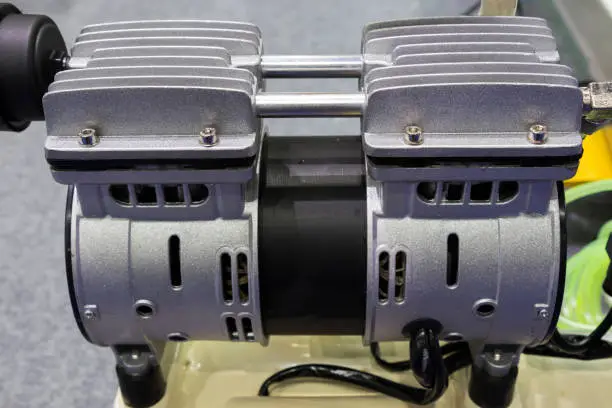
Understanding Aluminum Die Casting Process
The first step in the die casting process is exact mold creation. This is where engineers make steel dies that can survive repeated changes in temperature and high-pressure injection forces. Aluminum metal that has been melted and heated to about 1,200°F (649°C) is pushed into the die hole at speeds of up to 100 feet per second. This fast injection makes sure that the mold is fully filled before the material starts to harden, which stops problems like cold shuts and misruns.
Key Process Stages and Technical Parameters
Several important factors need to be carefully controlled during the injection phase. The quality and accuracy of the end part are affected by the shot velocity, the increase pressure, and the temperature of the die. Modern die casting machines have complex control systems that keep an eye on these factors in real time. This makes sure that the results are the same from one production run to the next. Filling time is usually between 10 and 100 milliseconds, but it depends on how complicated the part is and how thick the walls are.
After injection, there is controlled cooling, and the rate of heat extraction determines the formation of microstructures and the tensile qualities. Cooling ducts inside the die control the spread of temperature, which keeps the cycle efficient and stops bending. Using the right cooling design reduces internal forces that could damage a part over time.
Common Defects and Prevention Strategies
The most common flaw in die casting is still porosity, which is caused by trapped air or gas escaping during solidification. To fight this, engineers use better gate design, vacuum help, and the right way to vent. When partly solidified metal enters the die hole, it causes cold shots that leave weak spots in the final part. This problem can't happen if the metal's temperature and pumping speed stay the same.
Surface flaws like drag marks or ejector pin traces change how something looks and how it works. These worries are lessened by keeping the die in good shape, making sure it's well oiled, and using the best release routines. Quality control procedures, such as X-ray checking and pressure testing, make sure that customers only get parts that are free of flaws.
Exploring Aluminum Alloys and Their Applications in Die Casting
The choice of alloy has a direct effect on how well the casting works, its mechanical qualities, and how long it lasts. A380, ADC12, and A360 are the three most popular aluminum die casting metals, each with its own benefits for different uses. The A380 alloy is great for making car brackets and housings because it is very fluid when it is being made and doesn't rust or break easily.
Popular Alloy Characteristics and Performance
A360 is great for hydraulic parts and naval uses because it is very resistant to corrosion and keeps out pressure. Its silicon content makes it more fluid while still giving it enough strength for structural uses. It is popular in Asian markets and is called ADC12. It is good for thin-wall applications in electronics and telecommunications equipment because it combines being easy to cast with being strong.
High-strength metals, such as A356, are used in aircraft and high-performance cars where reducing weight cannot damage the structure. Often, heat treatment is needed to get the best qualities out of these alloys. This makes the process more complicated but gives the metals great strength-to-weight ratios. Tensile strength can be raised by 40–60% compared to the material as it was made using the T6 heat process.
Tolerance Capabilities and Dimensional Control
Modern die casting can get measurement limits of within ±0.05mm for important features, so there is no need for extra cutting. This accuracy comes from using a hard die, keeping the temperature stable, and using the same process settings every time. If the part is big or complicated, linear errors can be anywhere from ±0.1mm to ±0.3mm. As-cast surface finish can reach Ra 1.6 micrometers.
After casting, heat treatment improves both the mechanical qualities and the rigidity of the shape. After solution treatment and fake aging, the strength is maximized while leftover stresses that could cause distortion are relieved. Stress relief annealing makes it easier to machine parts that need a lot of secondary processes.
Finishing Techniques and Quality Improvement Strategies
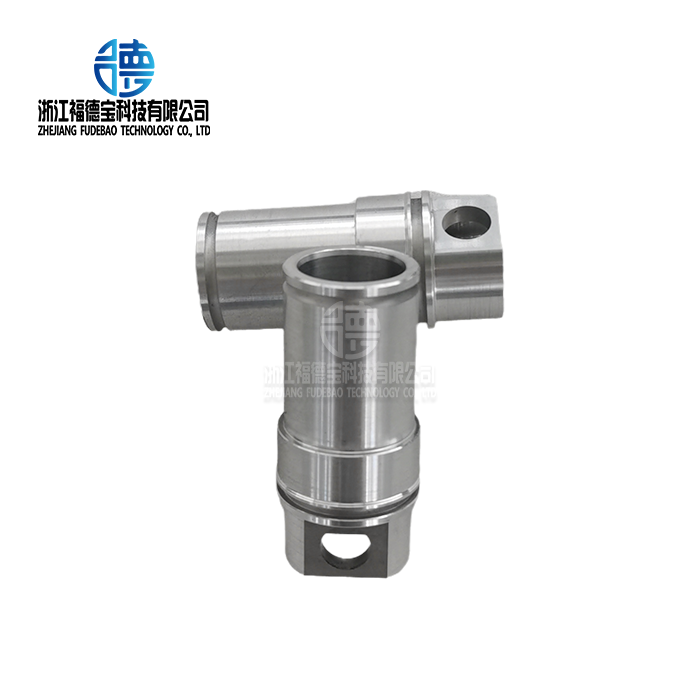
Surface finishing turns rough aluminum die casting into parts that are ready for production and meet both artistic and functional standards. Machining processes get rid of extra material and make sure that features like threaded holes, bearing surfaces, and mating contacts are precisely sized. When they have the right tools, CNC machining centers can keep margins on key measurements within ±0.025mm.
Surface Treatment Options and Performance Benefits
The following surface processes make parts more resistant to rust and improve their look while also extending their useful life:
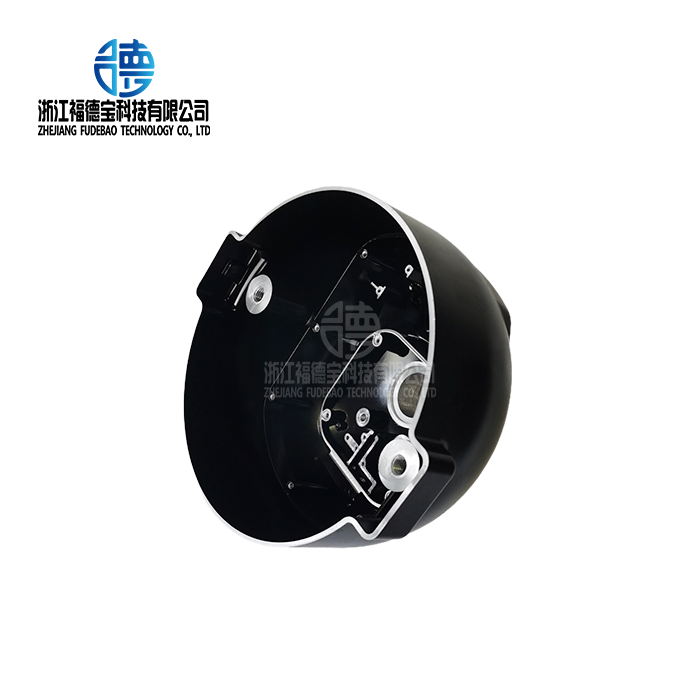
- Powder coating gives you long-lasting color choices and great chip protection, making it perfect for use outside and on building parts. The electrostatic application method makes sure that even complicated geometries are evenly covered, and cure temperatures around 400°F create cross-linked polymer networks that are immune to chemical and UV damage.
- Anodizing makes controlled oxide layers that protect against rust and wear better than other methods. Type II anodizing makes coats that are 0.0002 to 0.001 inch thick and can be used for decoration. Type III hard anodizing, on the other hand, makes surfaces that are thicker and harder for harsh industrial settings.
- Chemical conversion coatings like chromate or phosphate treatments help paint stick and protect against rust while the item is being stored or shipped. These processes go deep into uneven surfaces to make even cover bases for later paint systems.
These finishing methods deal with certain problems in the environment and meet standards for durability and look in the business. Cleaning, cutting, and activating the surface properly before covering it ensures that it sticks well and lasts a long time.
Process Control and Quality Assurance
Statistical process control keeps an eye on important quality indicators during production to spot trends before they turn into problems. Real-time data collection keeps track of things like cycle time, die temperature, and injection pressure, so changes in the process can be quickly responded to. Vision technology and coordinate measuring tools are used in automated checking systems to make sure that every part is the right size.
Regular supplier checks, process capability studies, and incorporating customer feedback are all parts of programs for continuous growth. These projects make sure that the quality is always the same and lower the cost of making things by getting rid of waste and improving running times.
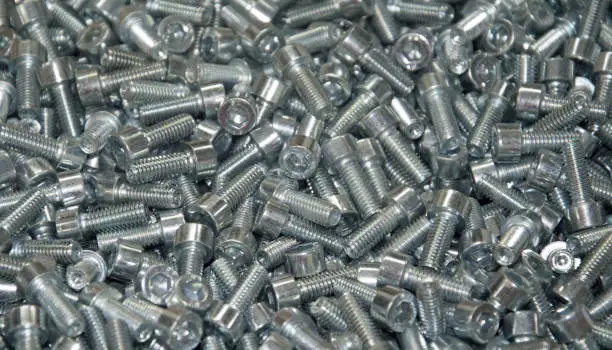
Procuring Aluminum Die Casting Services: Best Practices for B2B Clients
When choosing a supplier for aluminum die casting, you need to look at their technical skills, quality processes, and production ability. ISO 9001 certification is a basic way to make sure of quality, but car suppliers should also keep IATF 16949 approval for better process control. A production capacity review looks at more than just the availability of machines. It also looks at the powers of tools, secondary operations, and shipping logistics.
Supplier Evaluation Criteria
Technical skills include knowledge of alloys, ability to meet tolerances, and choices for finishing. Suppliers should show that they have worked with similar projects before and give model parts that show what quality levels are possible. Production capacity includes the number of available machine tons, the cycle time, and the ability to handle changes in volume during the lifetime management of a product.
Quality systems include more than just certifications. They also include monitoring processes in real time, putting statistical process control into action, and plans for ongoing growth. Suppliers should show their dedication to defect avoidance rather than discovery by giving capability studies, control plans, and corrective action processes.
Pricing Models and Contract Strategies
Die casting prices usually include the cost of materials, processing fees, finishing operations, and the amortization of the tools used to make the casting. Knowing about these parts makes it easier to negotiate prices and compare suppliers. The way tools are owned affects how prices are set and how flexible the supply chain is. For example, customer-owned tools are cheaper in the long run, but they need to be bought with money.
Managing lead time means making sure that the development of tools, the ordering of production, and the planning of supplies all work together. In a market that is always changing, suppliers that can predict their supply times through capacity planning and inventory management have an edge over their competitors.
Conclusion
Aluminum die casting is one of the most important ways that businesses make parts that are light, accurate, and affordable. Because it allows for flexible design, accurate measurements, and fast production, this process is essential for making cars lighter, keeping electronics cool, and making sure that industrial equipment lasts a long time. Procurement pros can make choices that improve both technical performance and economic outcomes by learning about the basics of the process, how to choose the right alloy, the different finishing options, and how to evaluate suppliers. To be successful in die casting procurement, you need to weigh the costs of the original tools against the benefits of higher production over time, all while keeping quality standards that guarantee the reliability of the parts throughout their service life.
FAQ
What makes aluminum die casting superior to other casting methods?
Aluminum die casting has a number of clear benefits over other casting methods. By using high pressure, the injection process makes parts that are thick, have no holes, and are very accurate in their measurements, usually within ±0.1mm without any extra work. Parts are often finished in 60 to 180 seconds, which makes it possible to make a lot of them at a low cost per unit. The process gives the surface a better finish than sand casting or permanent mold casting, so it's often not necessary to finish the parts. The mechanical qualities stay the same throughout production runs.
How do you prevent common defects in aluminum die casting?
Defect prevention requires systematic control of process parameters and die design optimization. Porosity, the most common problem, can be fixed by designing the vents correctly, making sure the gate velocity is just right, and using vacuum help when needed. Changes in temperature can cause cold shots, which can be avoided by keeping the metal at the right temperature and improving the injection speed. For surface flaws like drag lines or flash to go away, the die needs to be properly maintained, oiled, and the ejection processes need to be optimized. Statistical control and regular process tracking help find parameter drift before errors happen.
What factors influence aluminum die casting costs?
Multiple factors contribute to die casting costs, with part complexity and production volume having the greatest impact. Tooling prices rely on the size of the part, how complicated the geometry is, and how much tolerance is needed. Usually, simple shapes cost a modest amount, while complex multi-cavity dies cost a lot. The price of materials changes based on the market price of aluminum and the choice of alloy. Processing costs depend on cycle time, machine tonnage needs, and additional activities. Finishing steps like grinding, coating, or heat treatment raise prices, but they may get rid of the need for assembly, which increases value overall.
Partner with Fudebao Technology for Advanced Aluminum Die Casting Solutions
Fudebao Technology stands as a trusted aluminum die casting manufacturer delivering precision components to automotive, industrial equipment, aerospace, and electronics sectors worldwide. Our comprehensive manufacturing capabilities span the complete process from melting through surface treatment, supported by advanced equipment including high-speed machining centers, CNC lathes, and state-of-the-art die casting machines. With dimensional accuracy reaching ±0.05mm and complete IATF 16949 certification, we ensure your critical components meet the most demanding specifications while maintaining competitive lead times and pricing. Contact our engineering team at hank.shen@fdbcasting.com to discuss your specific requirements and discover how our turnkey solutions can optimize your supply chain performance.
References
American Foundry Society. "Aluminum Die Casting Process Fundamentals and Quality Control Standards." AFS Technical Publication, 2023.
North American Die Casting Association. "Alloy Selection Guide for High-Performance Applications." NADCA Engineering Handbook, 2022.
Zhang, Michael et al. "Advanced Finishing Techniques in Aluminum Die Casting: Surface Treatment Optimization." Journal of Manufacturing Science and Engineering, Vol. 145, 2023.
International Organization for Standardization. "Quality Management Systems for Automotive Production - Die Casting Requirements." ISO/TS 16949:2022.
Roberts, David and Chen, Wei. "Comparative Analysis of Manufacturing Methods for Lightweight Automotive Components." Automotive Engineering International, 2023.
Society of Automotive Engineers. "Material Properties and Testing Standards for Aluminum Die Cast Components." SAE Technical Paper Series, 2022.



YOU MAY LIKE
_1756346144394.webp "aluminum die casting hinge")