What is the Process of Copper Casting?
2026-03-31
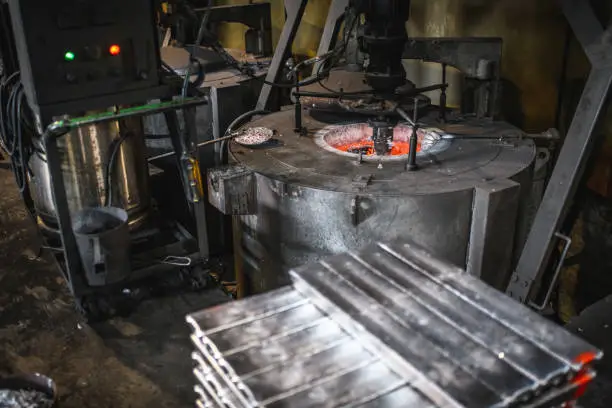
Copper casting is a complicated metalworking process that transforms liquid copper and its alloys into exact, high-quality parts by directing how they solidify in molds that were carefully made for the job. To make things this way, copper is heated to 1083°C to 1200°C, and then the liquid metal is carefully put into molds. The cooling process is then carefully handled to get the best material qualities and precise measures for use in industry.
Understanding the Copper Casting Process
In modern production, the copper casting method is one of the most important tools. When you use this method, you can make complicated forms that would be too expensive to make any other way. This process has many steps, and each one needs to be carefully controlled and watched by experts in order to make parts that meet strict industry standards.
Melting and Temperature Control
The first step is to heat copper or copper alloys in furnaces that can get as hot as 1083°C and stay that hot for a long time. A lot of people use induction heaters because they are easy to handle and don't use a lot of power. A lot of attention is now paid to the chemistry of the melt, and degassing agents are added to get rid of hydrogen and oxygen that could make the end casting porous. It is very important that the temperature stays the same because changes can affect how the liquid metal moves, which in turn impacts the quality of the casting.
Mold Preparation and Design
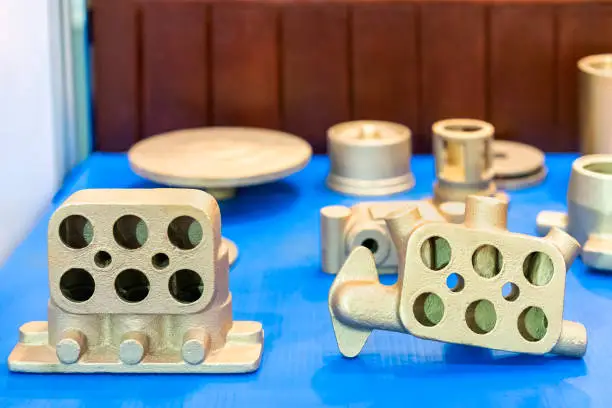
The sand casting and investment casting methods are both part of mold preparation. Each has its own uses and specific needs. Binding agents are mixed with silica sand in sand molds to make holes that are the same shape as the part being made. When you invest cast, clay shells are built around wax models to make parts with a smooth surface and correct measurements. Copper metals usually shrink by 1.5% to 2.1%, so it's important that the mold design takes that into account. This is done to make sure the numbers are correct according to technical rules.
Pouring and Solidification
The melted copper has to be moved from the oven to the mold hole at the right temperatures and speeds for the filling process to work. Those who are trained must do this. When you use the right gate and risering systems, they control the flow of the metal, lower the noise, and make up for the fact that metal shrinks in volume as it hardens. Controlled cooling rates keep stresses inside the metal from building up and make sure that the structure of the grains stays the same throughout the casting. In most cases, this step takes a few hours. However, it varies on the metal and how thick the piece is.
Finishing and Quality Assurance
To make sure the copper casting parts are exactly right, they are carefully made after being taken out of the molds and cleaned. Putting things through heat treatment can make them stronger, especially high-strength bronze metals that are used in tough situations. Different types of quality control are used to make sure that goods meet technical standards and industry rules. Some examples are dimensional checking, non-destructive testing, and metallurgical analysis.
Materials and Technical Considerations in Copper Casting
It is important to choose the right material because it affects both the casting process and how well the finished part works. Engineers have to compare different types of copper metals based on certain needs. They have to look at things like how well the metals conduct energy, how strong they are, and how well they hold up against the weather.
Pure Copper Versus Copper Alloys
Copper that is pure is great at moving both energy and heat, which makes it ideal for use in grounding systems and links between switchgear. It's not very strong mechanically, though, so it can't be used for building things. Bronze alloys, which are made up of tin and other metals, are strong and don't wear down quickly. This makes them good for boat blades and parts in heavy machinery. Brass metals are often used for making hardware and water parts because they are easy to work with and don't rust.
Mold Design Principles
You need to know a lot about how metal moves, how to control temperature, and how to control size in order to make a good model. When the gate is put in the right place, it makes sure that the mold is fully filled while also lowering the roughness that could lead to flaws. Riser systems need to feed enough to make up for shrinkage during solidification. This is especially important for heavy parts with holes in the middle. Draft angles make it easy to get rid of patterns when throwing in sand. For investment casting, it is possible to make forms that are close to net shapes with little draft.
Finishing Techniques and Surface Treatment
After the casting is made, finishing steps make it look better and make it work better. During heat treatment, controlled precipitation and grain cleaning make the mechanical properties better. Surface treatments like cleaning, passivation, and protective coats make things last longer in places where they are acidic. When CNC cutting, it's possible to get very close specs on key areas while still letting the casting's natural power shine through.
Advantages and Challenges of Copper Casting
When creating parts and picking providers, it's helpful to know both the pros and cons of copper casting. There are some great things about this way of making things, but there are also some issues that need to be handled well.
Key Advantages
Up to 100% IACS (International Annealed Copper Standard) in high-purity types of copper casting are better at conducting electricity. When used in electrical infrastructure, this is important because resistance losses need to be kept as low as possible. Because it is a good thermal conductor, heat can easily escape from power systems and motor housings. This keeps parts from breaking when they are very hot. In naval settings, copper alloys are better at resisting corrosion than steel choices, so they are commonly used underground and for installations near the water.
When you cast something, you don't have to do a lot of cutting to make parts with complicated inside shapes. This saves money and cuts down on waste. The near-net-shape feature cuts down on extra steps while keeping the structural integrity of the part. Copper is naturally antibacterial, which means it doesn't get biofouling when used in the sea and helps keep building hardware clean.
Common Challenges and Mitigation Strategies
In copper casting, porosity is still a major issue. Most of the time, it's because gases are trapped or not released enough during freezing. If you use the right pressure degassing and controlled filling methods, this risk is greatly lessened. Solidification shrinking can leave holes in heavy parts, so it's very important to plan the risers well and control the direction of solidification. To get rid of surface flaws like cold laps and gaps, you need to use the right gate design and melt cleaning rules.
Quality control methods like non-destructive testing, mechanical analysis, and real-time process tracking are used to find problems before they happen and affect how well the final part works. It is possible to improve the designs of mold filling and solidification with advanced modeling tools. This reduces the number of trial-and-error development steps.
Comparing Copper Casting With Alternative Metal Casting Processes
It's important to think about how well the material works with the casting process, how good it is, and how much it costs. Each way of making metal has its own benefits, which depend on the job and the amount of metal that needs to be made.
Material Property Comparisons
Copper casting is great for situations where metal or steel won't work because they don't conduct electricity or heat well enough. Copper is better for electrical performance and protecting against rust in tough environments, but aluminum is stronger for its weight. Casting steel is stronger than casting copper, but copper doesn't conduct electricity as well or don't last as long when used in marine environments.
Iron and bronze metals are often used to make parts for big machines because they can hold more weight and don't wear down as quickly. Brass is easier to work with when it comes to cutting than stainless steel. It also doesn't rust as well, so it can be used in water and buildings.
Process Technology Differences
There are many different ways to cast in sand that work with different materials. Copper needs higher filling temps and certain hard materials, for instance. Because the flow is better and there is less chance of gas cavities, copper alloy investment casting can meet stricter standards than aluminum investment casting. Die casting works best with metal when making a lot of things. Sand or investment methods are typically used in copper casting for complicated forms.
When picking resources, the environment is becoming more and more important. For the environment's sake, copper can be reused and can last a long time. But the benefits over the whole life of copper need to be weighed against the fact that it takes a lot of energy to melt.
Procuring Copper Castings: How to Choose Reliable Suppliers?
Getting the right provider is very important for the project's success. You need to think about their professional skills, quality control methods, and how they will deliver the goods. When procurement professionals want to make sure they can get high-quality casts that meet project goals and delivery times, they have to think about a lot of different things.
Certification Standards and Quality Systems
The basic rules for a quality management system are set by ISO 9001 approval. Standards that are specific to the field, like AS9100 for aircraft uses, make sure that paperwork and process control are even better. Skills in the Production Part Approval Process (PPAP) let you know if a supplier is ready to work with cars. For example, they must be able to meet the requirements for material approval and check the measurements.
Advanced sellers keep metals labs where they test for both chemistry and mechanical issues. To make sure that the materials are the same from one batch to the next, this is done. Instead of reactive quality management, putting in place statistical process control shows a commitment to steady growth and avoiding failure.
Production Capabilities and Lead Times
Supply chain providers can handle a range of production amounts, from small numbers for trials to large production runs. Low-pressure casting works well for jobs with a medium amount of parts that need to be smooth and have exact measurements. Sand casting can be used to make big, complicated forms that are too big for die casting.
Goods can be moved more or less quickly or slowly depending on how close you are to major industry areas. Suppliers with more than one spot can give multinational production companies more capacity and make transportation easier.
Conclusion
Some of the most important businesses that use the copper casting method to make high-performance parts are the automobile, industrial, electrical, and aircraft industries. It helps buyers pick the right sellers and set reasonable project goals when they know all the difficult steps, from melting to finishing. Picking the right material, like pure copper or other metals, can have a big impact on both cost and performance, so it's important to think about what each application needs. Even though copper casting is good at conducting electricity, heat, and rust, problems like flaws and physical accuracy need to be fixed during the quality control process. To be successful, you need to work with qualified service providers who can show they have the technical know-how, quality certifications, and output freedom to handle a lot of different projects.
FAQ
What temperature is required for copper casting?
For copper casting, the temperatures need to be between 1083°C and 1200°C, but this can change depending on the metal and the method used. Pure copper melts at 1083°C, but bronze and brass mixes might need a little more heat to be flexible enough to stick to molds.
How long does the copper casting process take?
There are different lengths of time that the copper casting method can take, based on the part's size and complexity. It usually takes two to four hours to melt and fill, but for large casts, it can take six to twenty-four hours to solidify and cool. When making the job schedule, you need to leave extra time for getting the mold ready and finishing the work.
What quality standards apply to copper casting?
For example, for sand casting, the dimensions must be within ±0.5mm and for investment casting, they must be within ±0.1mm. Rules for materials, like ASTM B505 for copper alloy casts, spell out what chemicals they must have and how they must behave mechanically. For industry-specific certifications, you may need to take more tests and fill out more papers.
Partner with Fudebao Technology for Superior Copper Casting Solutions
If you need copper castings made by Fudebao Technology, you can be sure that they will give you precisely built parts that meet the strict needs of airplanes, cars, and industry. High-speed CNC machining centers and modern low-pressure casting machines are both in our state-of-the-art building. This means we can handle everything from raw materials to finished parts. You can get copper castings from us with limits of up to ±0.05mm, and you can choose from a lot of different surface treatments to make sure they meet the highest quality standards. Contact hank.shen@fdbcasting.com right away to talk about your specific needs and find out how our knowledge of copper alloy casting can help your business succeed.
References
Campbell, John. "Complete Casting Handbook: Metal Casting Processes, Metallurgy, Techniques and Design." Butterworth-Heinemann, 2015.
Davis, Joseph R. "Copper and Copper Alloys: ASM Specialty Handbook." ASM International, 2001.
Flemings, Merton C. "Solidification Processing in Metal Casting." McGraw-Hill Professional, 1974.
Beeley, Peter. "Foundry Technology." Butterworth-Heinemann, 2001.
American Foundry Society. "Casting Design Handbook: Copper Base Alloys." American Foundry Society, 2018.
Sahoo, Manas and Sahu, Sam. "Principles of Metal Casting." McGraw-Hill Education, 2014.



_1756352472762.webp "steel threaded plug")
_1756350046757.webp "Heat sink aluminum casting")
_1756349146076.webp "Lawn mower case casting")
_1756344684491.webp "Explosion-proof lamp housing aluminum casting")