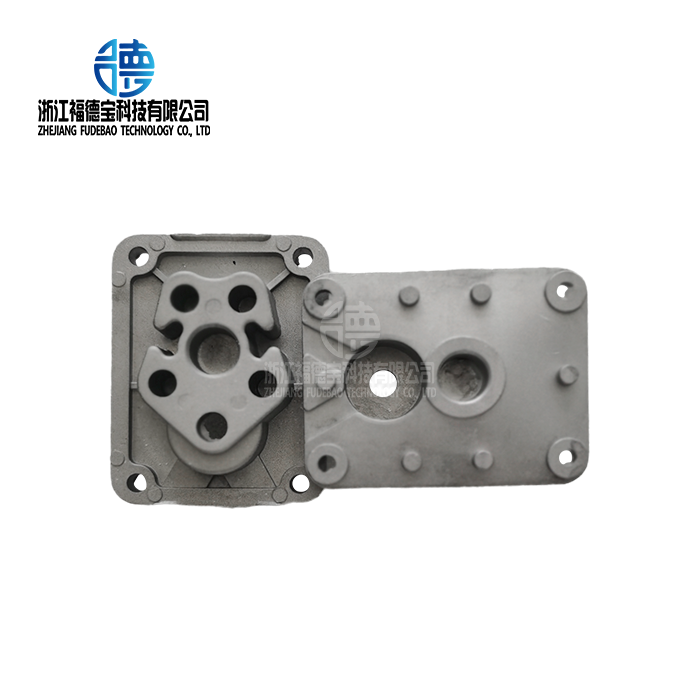
Copper castings are essential in many industries, including plumbing, electrical work, and the marine industry, because they are the only ones that can conduct electricity, fight rust, and last a long time. When used in harsh conditions where failure is not a choice, these precision-engineered parts give great performance. Copper alloy castings are used in many industries because they can survive harsh conditions and still work perfectly. This makes them essential for tasks that need long-term dependability and better material qualities that last longer than other options.

Understanding Copper castings and Their Core Properties
Complex metalworking solutions called copper casts are made using different casting methods that turn liquid copper metals into precisely shaped parts. To make something, copper alloys are melted at temperatures above 1,980°F and the liquid metal is poured into molds that have been carefully made to get exact shapes and sizes.
The main things that make copper alloy castings unique are their high heat conductivity (up to 401 W/mK for pure copper) and high electrical conductivity compared to other metals. Because of these features, copper castings are very useful in situations where transferring heat and electricity is very important.
Modern casting methods used to make copper parts include sand casting for bigger, more complicated shapes, investment casting for precise parts that need to fit together perfectly, and centrifugal casting for cylinder-shaped parts that need the material to be spread out evenly. Depending on the needs of the application and the amount of product being made, each method has its own benefits.
During the molding process, quality control measures make sure that the parts are the right size, made of good materials, and don't have any flaws. Advanced testing methods, like acoustic testing and X-ray examination, make sure that the structure is stable and sound on the inside, meeting strict industry standards for important uses.
Why Copper castings Outperform Alternatives in Plumbing, Electrical, and Marine Applications?
When you look at copper castings next to other materials like metal, steel, and brass, you can see that they work better in a number of different areas. Copper alloys have better qualities than other metals, which helps industries that need stable, long-lasting solutions.
In coastal settings, copper castings are very resistant to rust from seawater. This is something that metal and steel can't do without thick protective layers. Copper metals naturally kill microbes, which also stops biofouling. This means that they need less upkeep and last a lot longer.
When it comes to performance, copper castings are better than other materials because:
- Corrosion Resistance: Copper metals naturally don't rust or break down chemically, which is especially useful in marine settings where saltwater would break down steel parts quickly. This built-in resistance gets rid of the need for regular repair processes, which cuts down on lifetime costs by a large amount.
- Copper castings are perfect for power transfer parts and electrical housings where efficiency is very important because of their exceptional conductivity, which ensures minimal energy loss in electrical applications.
- Thermal Management: Because copper castings are so good at releasing heat, they can handle thermal loads well, keeping things from overheating in important situations and keeping things running smoothly in harsh conditions.
- Mechanical Durability: Copper metals' mix of strength and flexibility makes them very resistant to wear and tear and mechanical stress, so they work reliably in places with a lot of shaking.
These performance traits lead to lower upkeep costs, longer machine lifespans, and higher operating dependability in a wide range of industry settings. For copper castings, the initial investment usually pays off over the part's service life by lowering downtime and upkeep costs.
Procurement Insights for Sourcing High-Quality Copper castings
To buy copper castings successfully, you need to think carefully about the metal you choose, the supplier's skills, and the quality control methods. Different copper metals have different qualities that make them better for different uses. It is important to choose the right material for the job to get the best results.
Copper metals like C95400 aluminum bronze are often used in casting for naval purposes, C83600 red brass for plumbing parts, and C86300 manganese bronze for high-strength uses. Each metal has its own benefits when it comes to resistance to rust, mechanical qualities, and the ability to be machined.
Evaluation of suppliers should include a number of important factors that have a direct effect on the quality of the parts and the dependability of delivery. Manufacturing skills, safety certifications, and technical know-how are all important for making sure that projects go well and partnerships last a long time.
Procurement workers should look at a copper castings supplier's output ability, quality management systems, and expert help skills when choosing one. Suppliers that can do a lot of things themselves, like freezing, casting, and finishing, usually have better control over quality and delivery times.
Lead times depend on how complicated the parts are, how many you buy, and how much space the seller has. Initial shipping times may be longer if custom tools are needed, but established providers usually keep common metals in stock to speed up production for standard shapes.

Applications of Copper castings in Plumbing, Electrical, and Marine Industries
Copper castings can be used in a wide range of industrial settings where dependability and efficiency are essential. Different industries use different copper alloy qualities to deal with different working problems and performance needs.
Copper is good for plumbing because it kills germs along with doesn't rust. This makes copper castings perfect for valve bodies, pump housings, and fitting parts. Because the material doesn't dezincify or crack under stress, it can be used in drinkable water systems and industrial processes for a long time.
Copper's excellent conductivity and heat management qualities are used in many electrical uses. Copper castings are essential to the safety of electrical connections and the efficient removal of heat from switch parts, electrical sockets, and generator housings. The fact that the material doesn't spark also makes it good for use in dangerous areas.
Due to their inherent resistance to seawater and ability to avoid biofouling, copper castings shine in marine uses, which have some of the harshest environmental requirements. Copper is strong in coastal settings, which makes it useful for propeller hubs, seacock valves, and heat exchanger parts.
Ship engine parts that haven't needed any upkeep in decades, electrical switchboard parts in power plants, and plumbing features in business buildings that have lasted longer than expected are all examples of successful copper casting uses.
Conclusion
Copper casts are an important material choice for tough jobs in the naval, plumbing, and electrical industries. Their performance and dependability can't be beat thanks to their unique mix of conductivity, rust protection, and mechanical qualities. Spending money on good copper castings pays off in the form of lower upkeep costs, longer service life, and better performance in the workplace. Copper castings are still the best choice for important uses where failure is not an option even as industries continue to demand higher performance standards.
FAQs
Why are copper castings better than castings made of other metals?
Copper casts have the best electrical flow, the best protection to rust, and the best temperature control. Copper naturally doesn't rust in salt water like metal or steel does, and it also kills germs, which makes it perfect for naval and plumbing uses where durability and performance are important.
How can I tell if the copper castings I buy from sources are good quality?
Material certifications that show the makeup of the metal, measurement inspection records, and proof of non-destructive testing like ultrasound or X-ray examination should all be part of quality control. Suppliers with a good reputation give detailed paperwork that includes the results of metallurgy analysis and mechanical property tests.
What kinds of flaws are common in copper castings, and how can they be avoided?
Porosity, shrinking, and additions are all common flaws. Proper gate design, controlled cooling rates, and degassing processes during melting are all parts of prevention. Modern providers use quality control and real-time process tracking to cut down on defects and make sure that the quality of each component is always the same.
Partner with Fudebao Technology for Premium Copper Casting Solutions
Zhejiang Fudebao Technology has become a top company that makes copper castings and sends precision-engineered parts to businesses all over the world. Our full manufacturing services cover the whole production process, from melting the metal to delivering the finished part. This way, we can keep an eye on quality and track it all the way through.
Our modern factory has high-tech machines like high-speed machining centers, CNC lathes, and specialized casting tools that let us get dimensions within ±0.05mm of accuracy. Because we can be so precise, we are the best copper castings provider for jobs that need to meet exact specs and maintain high quality.
We provide unique solutions that meet the performance needs of a wide range of businesses, such as automobile, industrial equipment, and marine uses. Our engineering team works closely with customers to make sure that the alloys they choose, the casting designs they make, and the finishing methods they use are the most cost-effective and produce the best parts.
Quality control is still very important to us, and we make sure that every part meets or exceeds the standards by using thorough testing and checking processes. Because we strive for quality, we have formed relationships with global names and become known as a leading company in the casting business.
We encourage sourcing managers and engineers to look into how our copper casting skills can help them meet their component needs. Our team is ready to help you with technical issues and give you competitive quotes, whether you need normal stock items or solutions that are specially designed for your needs. Get in touch with us at hank.shen@fdbcasting.com to talk about your unique copper casting needs.
References
American Society for Testing and Materials. "Standard Specification for Copper Alloy Castings." ASTM International Standards, 2023.
Copper Development Association. "Marine Applications of Copper Alloys: Engineering Guide." Technical Publication, 2022.
Institute of Materials, Minerals and Mining. "Copper Casting Technology and Applications." Materials Science Journal, Vol. 45, 2023.
International Copper Association. "Electrical Applications of Cast Copper Alloys in Power Systems." Industry Report, 2023.
Society of Manufacturing Engineers. "Advanced Casting Processes for Copper Alloys." Manufacturing Engineering Quarterly, 2022.
National Association of Corrosion Engineers. "Corrosion Resistance of Copper Alloys in Marine Environments." Corrosion Science Review, 2023.



_1756361323684.webp "column guide sleeve")
_1756349957728.webp "metric v belt pulley")
_1756349146076.webp "Lawn mower case casting")
_1756346668222.webp "Aluminum castings Decorative buckles")
_1756346259673.webp "heavy duty hinges")