Top Sand Casting Foundries for Large Metal Parts
2026-01-19
Sand casting foundries are the foundation of industrial manufacture in the heavy equipment, aerospace, and automotive industries when it comes to procuring massive metal components. These specialist facilities use tried-and-true sand molding processes to turn molten metal into intricate, large-scale pieces. They provide the sturdy parts that power anything from industrial pump housings to automobile engine blocks. To satisfy the demanding requirements of contemporary production, the ideal foundry partner combines cutting-edge metallurgical knowledge with tested quality processes.
Understanding Sand Casting for Large Metal Parts
The Sand Casting Process and Its Applications
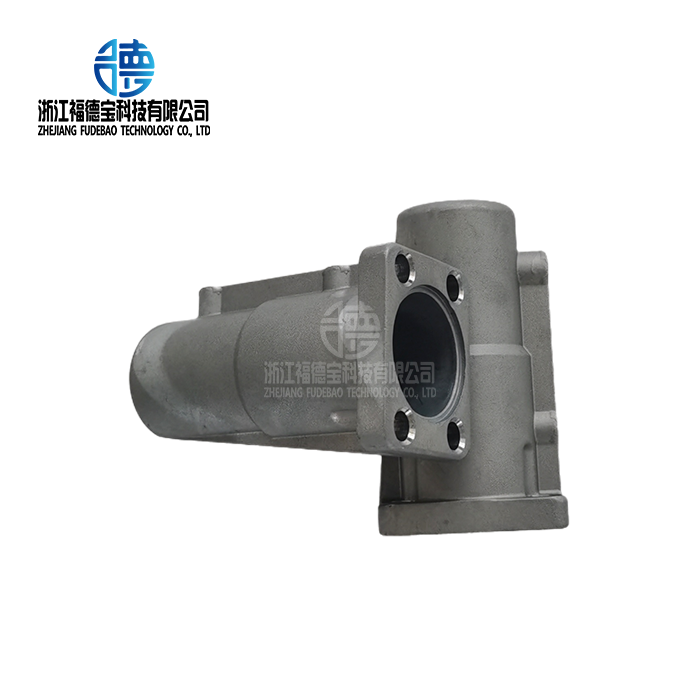
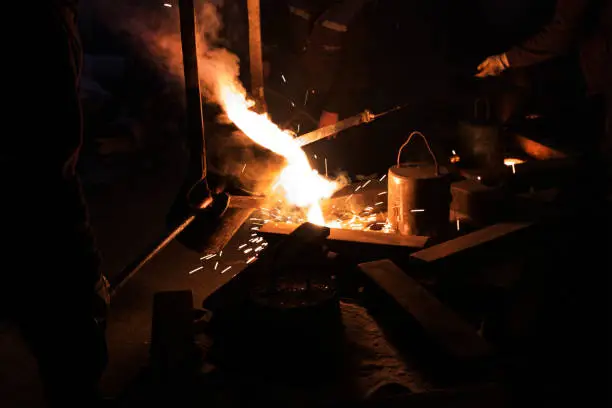
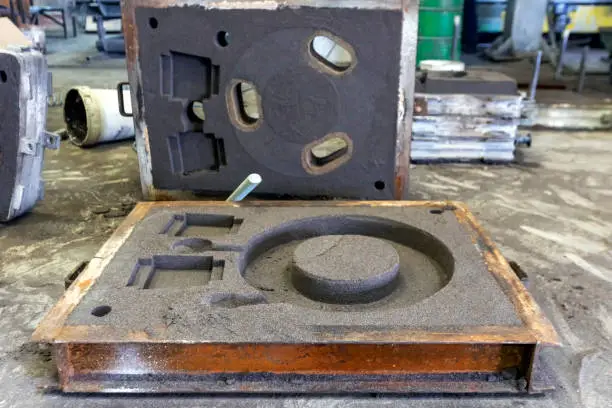
By pouring molten alloy into sand molds, sand casting allows for the creation of metal components with intricate internal geometries and great flexibility. Pattern development is the first step in the process, which is then followed by sand mold preparation with certain bonding agents to guarantee dimensional stability during metal pouring. This process is perfect for automobile gearbox housings, industrial pump bodies, and aerospace structural components since it can handle items that range in weight from few pounds to thousands of pounds.
The method may be used to a variety of alloy systems, such as steel, iron, aluminum, and specialty copper alloys. The choice of material affects cooling procedures, pouring temperatures, and mold design factors. Modern foundries lower the possibility of internal flaws while guaranteeing constant mechanical qualities over wide cross-sections by using computer-aided modeling to forecast solidification patterns and improve gating systems.
Advantages and Technical Considerations
For the manufacture of big components, metal casting using sand molds offers many benefits, such as cost-effectiveness for complicated geometries that would be unaffordable via machining and scalability across production quantities. Before making large tooling expenditures, engineers may verify ideas because to the process's fast prototyping capabilities. Furthermore, compared to permanent mold techniques, sand casting allows for design adjustments more easily.
However, a number of technological aspects need to be carefully considered for big component manufacturing to be effective. Sand grain size and mold preparation methods determine the quality of the surface finish, whilst pattern precision and solidification temperature control affect dimensional tolerances. Prominent foundries overcome these obstacles by using sophisticated molding materials, regulated cooling conditions, and accurate measuring tools that confirm component specs all the way through the manufacturing process.
Top 7 Sand Casting Foundries for Large Metal Parts
Evaluating Foundry Capabilities and Standards
A thorough assessment of manufacturing capacity, quality certifications, and technical skills is necessary when selecting a foundry. The best facilities maintain ISO 9001 certification in addition to industry-specific requirements like AS9100 for aerospace components or TS 16949 for automotive applications. These certifications show a dedication to the continual improvement and methodical quality management procedures necessary for the production of major components.
Investing in state-of-the-art technology for sand casting, such as automated molding lines, real-time temperature monitoring systems, and 3D scanning for dimensional verification is how advanced foundries set themselves apart. Assessing production capacity entails knowing not only the yearly tonnage capacities but also the size restrictions of mold handling systems, heat treatment facilities, and melting equipment. Leading companies in the production of big components are represented by the following foundries:
Leading Industry Foundries
As the biggest iron foundry network in North America, Waupaca Foundry is unique in that it specializes in gray and ductile iron castings for industrial and automotive uses. Their facilities include automated molding lines and sophisticated induction melting systems that can produce components weighing up to 1,000 pounds. Finite element analysis and casting simulation services are part of the company's engineering assistance, which speeds up development and optimizes designs for manufacturing.
Neenah Foundry manufactures utility access devices, valve boxes, and manhole covers with an emphasis on municipal and infrastructure casting applications. Large, intricate iron castings are their specialty, and they also have experience with bespoke industrial applications that call for exceptional durability and dimensional correctness. In addition to providing quick prototyping services for new product development, the facility maintains extensive pattern storage capabilities.
Charlotte Pipe and Foundry, a member of the American Foundry Society, produces iron castings with a focus on plumbing and infrastructure components. To guarantee constant material qualities across lengthy production runs, their quality systems place a strong emphasis on metallurgical testing and statistical process management.
Citation Corporation provides steel and aluminum casting services to the aerospace and military industries. Their facility has the sophisticated heat treatment capabilities and vacuum melting equipment needed for high-performance applications that need exacting dimensional tolerances and exceptional mechanical qualities.
Large gray and ductile iron components for construction and agricultural machinery are the specialty of Dotson Iron Castings. They can produce parts weighing more than 10,000 pounds and provide full machining services for the delivery of completed parts.
Bradken has operations servicing the rail and mining sectors all around the world. Their proficiency in the production of big components and wear-resistant alloys qualifies them for extreme-duty applications that need exceptional performance and durability.
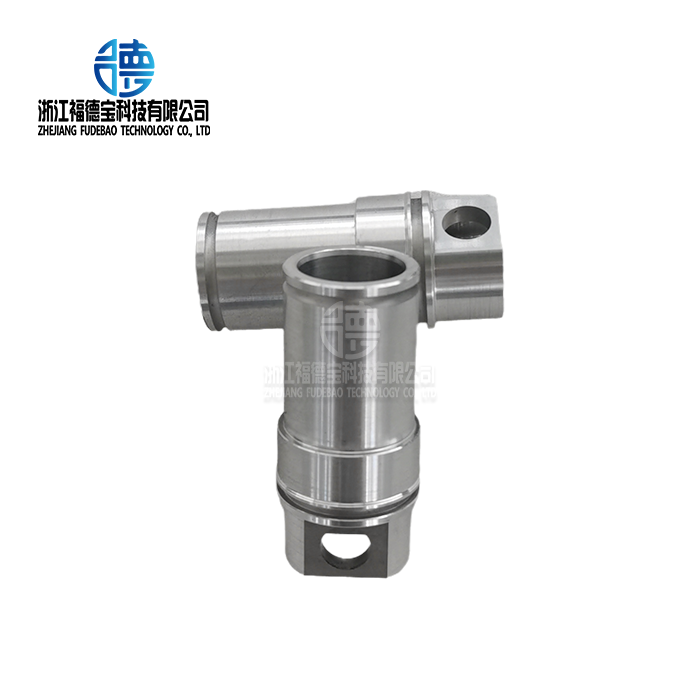
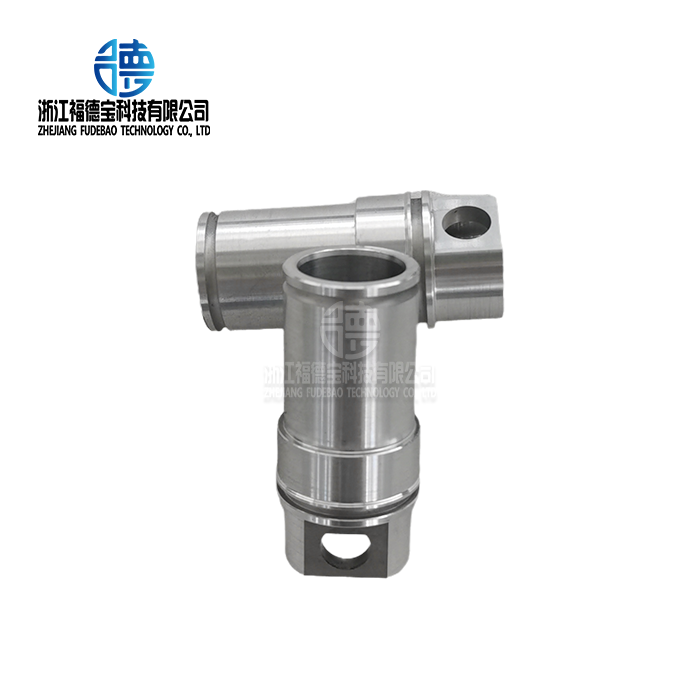
Zhejiang Fudebao Technology has extensive metal casting experience along with specific skills in components made of stainless steel, copper alloy, and aluminum alloy. With high-speed machining centers and precise measuring equipment with an accuracy of ±0.05mm, the facility offers integrated manufacturing from melting to finishing.
These foundries for sand casting provide as examples of the advanced technology and high-quality systems required for the production of big components. Their combined experience covers a variety of sectors, and they are adaptable enough to meet changing design needs and unique demands.
Challenges in Manufacturing Large Metal Parts via Sand Casting and How Top Foundries Overcome Them?
Common Manufacturing Challenges
Large metal casting has particular technological difficulties that need for enhanced process control and specialist knowledge. As the impacts of thermal expansion and contraction increase, maintaining dimensional accuracy over large part sizes becomes more challenging. Warpage or cracking may result from internal stress generation during cooling, especially in intricate geometries with variable wall thicknesses. Another crucial issue is controlling porosity because structural integrity may be jeopardized by gas entrapment or shrinkage problems.
Large castings sometimes demand extra care for surface finish quality because of the intricacy of the mold and the lengthier pouring durations. Large cross-sections may result in longer solidification times, which can change the grain structure and impact mechanical qualities. Furthermore, logistical planning and specialized equipment are needed for the handling and delivery of big molds and completed components.
Advanced Solutions and Process Improvements
Prominent foundries use cutting-edge technology and thorough process optimization to overcome these obstacles. Servo-controlled machinery is used in high-precision molding systems to guarantee constant mold density and dimensional correctness. Through the use of computer simulation software, gating system optimization that encourages directed solidification and reduces defect formation is made possible by the prediction of thermal behavior during solidification.
In order to meet final standards, post-casting treatments are crucial. Controlled heat treatment procedures maximize mechanical characteristics throughout the component cross-section while reducing internal stresses. Foundries may preserve the cost benefits of near-net-shape casting while achieving tight tolerances on key surfaces thanks to precision machining capabilities.
Advanced inspection methods including magnetic particle inspection, ultrasonic testing, and coordinate measuring devices for dimensional verification are all included into quality assurance procedures. These thorough testing procedures guarantee component integrity and provide verified proof of meeting client requirements.
How to Choose the Right Sand Casting Foundry for Your Project?
Assessment Criteria for Foundry Selection
Selecting a foundry for sand casting effectively requires a methodical assessment of many aspects beyond simple manufacturing capacity. For big components, where material qualities must be constant over significant cross-sections, metallurgical competence becomes especially crucial. Foundries should have the analytical skills to confirm mechanical and chemical composition and show that they have expertise with your particular alloy needs.
Assessing production capacity requires knowledge of both schedule flexibility and equipment restrictions. Because large components sometimes need lengthy manufacturing cycles, project planning depends heavily on delivery dependability. Examine the foundry's history of on-time delivery as well as their capacity to adapt to last-minute requests or schedule modifications.
The reliability of the supply chain and the capacity to provide after-sales assistance have a big influence on the success of long-term projects. Reliable foundries provide technical assistance throughout the product lifecycle and preserve strong ties with raw material suppliers. During design optimization, engineering consulting services may be very helpful in spotting any manufacturing issues before they affect production schedules.
Collaboration Strategies for Project Success
Clear communication procedures and precise quality standards from the start of a project are essential for foundry collaborations to be successful. Misunderstandings during manufacturing may be avoided by establishing precise specifications for mechanical qualities, surface polish standards, and dimensional tolerances. Frequent milestone checkpoints and progress reviews keep the project moving forward while assisting in the early detection of any problems.
Before committing to full production quantities, prototyping services provide excellent chances to verify designs and manufacturing procedures. During the prototype stage, several foundries provide engineering consulting, proposing design changes that enhance castability while upholding functional requirements. This cooperative strategy often leads to lower costs and better product performance.
Requirements for quality documentation should be set out in advance, especially for applications that need certification compliance or traceability. Prominent foundries assist client quality systems and regulatory needs with thorough material certifications, dimensional inspection reports, and process documentation.
Company Introduction and Product & Service Overview
With a focus on copper alloy, stainless steel, and aluminum alloy components for demanding industrial applications, Zhejiang Fudebao Technology Co., Ltd. is a leader in precision metal casting and machining services. From initial melting to final surface treatment, our extensive manufacturing capabilities cover the whole production process, allowing for one-stop supply of raw materials to completed components that are prepared for assembly.
Our facility for sand casting is equipped with cutting-edge machinery that supports both prototype development and high-volume production needs, such as CNC lathes, low-pressure casting machines, die-casting systems, and high-speed machining centers. Throughout the project lifetime, the integrated approach gives us the flexibility to adapt special requirements and design adjustments while maintaining exact control over quality and delivery deadlines.
Core Capabilities and Industry Expertise
The business caters to a variety of sectors, such as customers in the energy industry, aerospace suppliers, industrial equipment manufacturers, and automakers. From medical equipment housings that need superior surface quality and dimensional accuracy to automotive precision components that need PPAP certification, our knowledge covers a wide range of crucial applications. This extensive exposure to the industry preserves the technical know-how required for difficult projects while offering insightful information about application-specific needs.
Both precision machining and sand casting services are available for production, with tolerances as low as ±0.05mm. To guarantee consistent outcomes across production cycles, our quality systems include thorough inspection procedures, material traceability, and statistical process control techniques. When casting knowledge and precision machining skills are combined, coordination issues are resolved and project deadlines are shortened overall.
Manufacturability analysis, design advice, and process optimization services are examples of advanced engineering assistance that helps clients get the best possible outcomes while efficiently controlling expenses. To find chances for design enhancements that increase performance and streamline production procedures, our technical team collaborates with client engineers.
Conclusion
For major metal casting projects, choosing the best foundry partner requires a thorough assessment of technical prowess, quality control procedures, and industry knowledge. The foundries included in this book exhibit the cutting-edge technology and tried-and-true procedures required for big component manufacture to be effective across a range of industrial applications.
Modern casting facilities integrate state-of-the-art simulation software, automated production methods, and thorough quality assurance procedures with conventional metallurgical understanding. The cost-effectiveness and design freedom that make sand casting appealing for big metal parts are preserved while consistent manufacturing of complicated components is made possible by this combination.
Effective procurement selections strike a compromise between technical specifications and pragmatic factors including long-term partnership prospects, engineering support skills, and delivery dependability. Better product quality, shorter development times, and increased supply chain stability are all benefits of investing in a complete foundry review.
FAQs
What aspects should I take into account when choosing a large-part sand casting foundry?
Production capacity constraints, alloy knowledge, quality certifications, and delivery dependability are important factors to take into account. Examine the foundry's track record with comparable parts and their capacity to provide technical assistance at every stage of the project. The right certifications and inspection skills that are relevant to your application needs should be included in quality systems.
How can foundries make sure that massive sand castings have accurate dimensions?
Advanced foundries improve designs for dimensional stability using computer simulation, controlled molding procedures, and precise tooling. Tight tolerances on crucial surfaces may be achieved while preserving near-net-shape benefits thanks to post-casting machining capabilities. Throughout manufacturing, thorough measuring methods confirm that standards are being followed.
For big sand cast components, which alloys are most often utilized?
Excellent strength-to-weight ratios are provided by aluminum alloys for use in aerospace and automotive applications. For infrastructure and industrial equipment, ductile iron offers exceptional endurance. For high-stress applications that need maximum strength, steel castings are used, but copper alloys provide superior electrical conductivity and corrosion resistance for certain uses.
How can I check the quality capabilities of a foundry before making an order?
To see manufacturing procedures and quality control systems up close, ask for facilities visits. Examine credentials, client testimonials, and case studies that show expertise with related applications. Before committing to greater numbers, think about developing prototypes or placing small-batch purchases to assess capabilities. Evaluate their readiness to provide thorough documentation and technical assistance.
What lead times might I anticipate for major casting projects?
The intricacy of the item, the tooling needed, and the manufacturing schedule all affect lead times. Production tooling may take 8–12 weeks, depending on complexity, although prototype development usually takes 4–8 weeks. Depending on the quantity and finishing needs, production runs might last anywhere from two to twelve weeks. Skilled foundries provide frequent progress reports and reasonable schedule projections.
Partner with Fudebao Technology for Your Large Metal Casting Needs
With extensive production capabilities and demonstrated experience in automotive, industrial, aerospace, and energy applications, Zhejiang Fudebao Technology is prepared to meet your big metal casting needs. Our comprehensive method, which combines precision machining and modern casting techniques, produces final components that satisfy the most exacting standards while keeping lead times and prices affordable.
To discuss your project needs and find out how our sand casting skills may help you achieve your production goals, get in touch with our engineering team at hank.shen@fdbcasting.com.
References
Campbell, John. "Complete Casting Handbook: Metal Casting Processes, Metallurgy, Techniques and Design." Butterworth-Heinemann, 2015.
American Foundry Society. "Sand Casting Guidelines for Large Components." AFS Technical Publications, 2019.
Brown, John R. "Foseco Foundryman's Handbook: Facts, Figures and Formulae." Elsevier Science & Technology, 2000.
Stefanescu, Doru Michael. "Science and Engineering of Casting Solidification." Springer International Publishing, 2015.
Davis, Joseph R. "ASM Specialty Handbook: Cast Irons." ASM International Materials Park, 1996.
Beeley, Peter. "Foundry Technology." Newnes Publishing, 2001.



YOU MAY LIKE
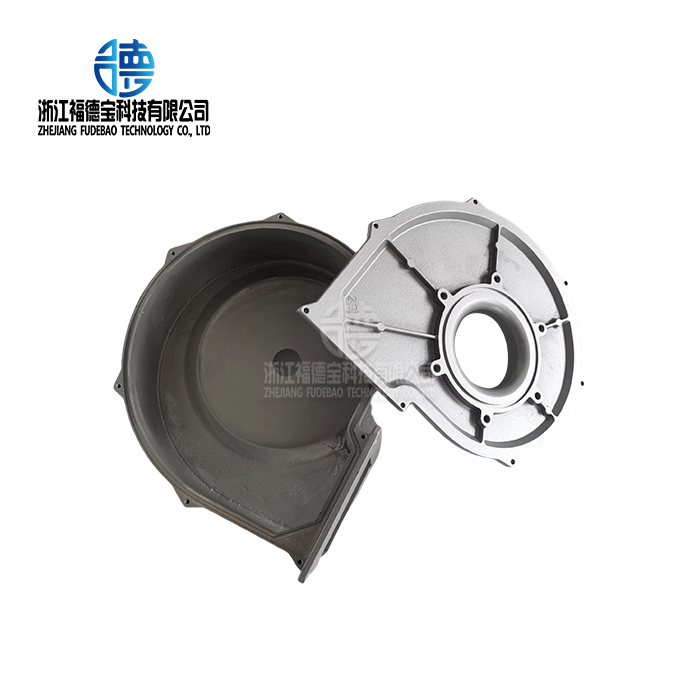
_1756348711711.webp "anti surge turbo housing")
_1756346668222.webp "Aluminum castings Decorative buckles")
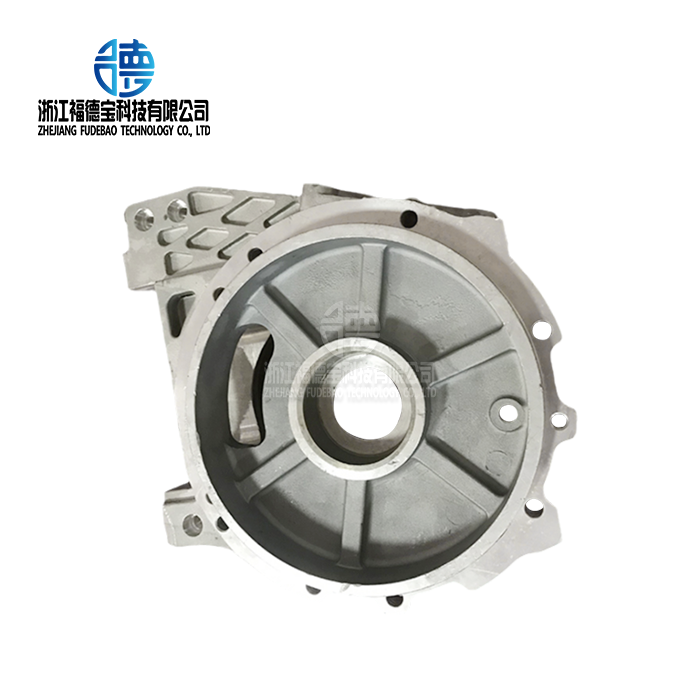
_1756346310015.webp "Aluminum castings Crane bracket")