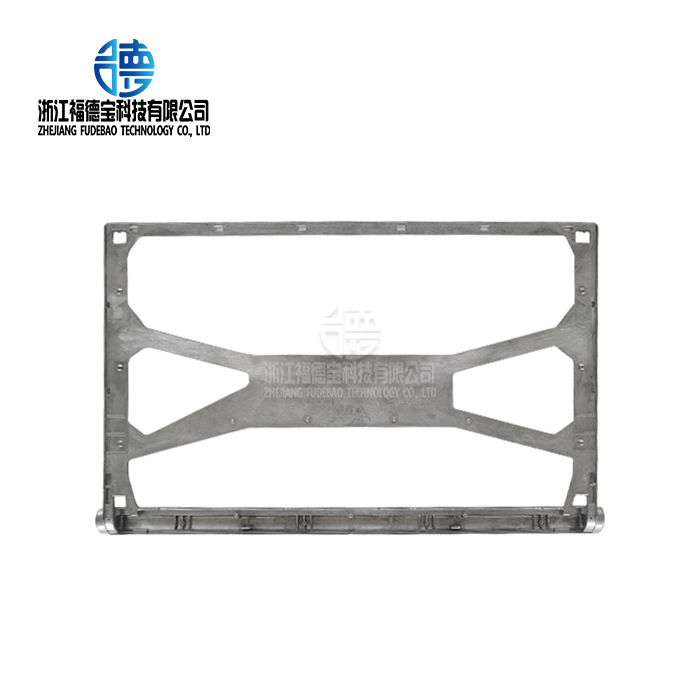
Precision Aluminum Die Casting for Automotive Applications
2026-02-11
Precision aluminum die casting changes the auto business by making parts that are lightweight, accurately sized, and meet strict performance standards. Automakers and tier-1 suppliers can use this advanced manufacturing method to make complex geometries with great repeatability and surface quality. Using this method, molten aluminum is injected into high-pressure steel molds to make engine housings, transmission brackets, structural parts, and complex assemblies that improve the safety and economy of vehicles. Modern car applications need materials that are lighter while still keeping structural integrity. To meet fuel economy and emission standards, aluminum die casting is the only way to go.
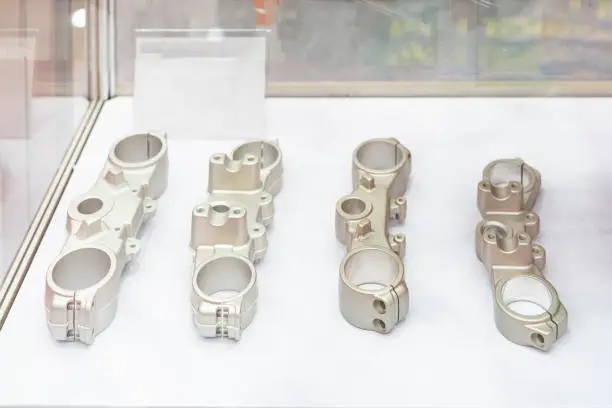
Understanding Aluminum Die Casting and Its Role in Automotive Manufacturing
The first step in the aluminum die casting process is to carefully pour melted aluminum into steel molds while applying pressures between 1,500 and 25,000 PSI. This high-pressure setting makes sure that the mold cavity is completely filled and makes parts that are very accurate in their dimensions, usually within ±0.05mm or better. Compared to traditional casting methods, the fast solidification makes fine-grain microstructures that improve the mechanical qualities.
Process Fundamentals and Equipment Requirements
There are two main types of setups for die casting machines: hot chamber and cold chamber systems. Because they can handle aluminum's high melting point of about 660°C, cold chamber machines are mostly used in the car industry. The process cycle includes getting the die ready, injecting the metal, letting it solidify, and ejecting the part. Depending on the complexity of the part, the cycle is usually finished in 60 to 180 seconds.
Modern die casting plants for cars use automatic systems to keep the temperature stable, keep an eye on the exact shot weight, and check the quality in real time. Because of these improvements in technology, production rates can go above 300 cycles per hour while still meeting the strict size requirements for important car assemblies.
Material Properties and Automotive Benefits
A380, A383, and A390 are aluminum alloys that are often used in automobile die casting. Each has its own benefits. A380 is great for engine parts and housings because it doesn't rust or leak and is very flexible. The material's strength-to-weight ratio is about 65% higher than that of standard iron castings, which directly helps efforts to make vehicles lighter.
Die-cast aluminum parts naturally have great heat conductivity, the ability to block electromagnetic waves, and the ability to be easily machined. These qualities are very important for automobile uses like transmission housings, engine blocks, and electronic control module enclosures that need to keep their shape and get rid of heat.
Comparing Aluminum Die Casting with Alternative Methods for Automotive Applications
Knowing the different ways to make something helps procurement pros make smart choices that meet the needs of the project and stay within the budget. Every technique has its own pros and cons that affect the performance, cost, and ability to produce more of the product.
Aluminum vs. Zinc Die Casting Performance
Zinc die casting can achieve errors as small as ±0.025mm and is better at keeping measurements accurate. It can also make walls that are thinner. However, zinc's density (about 7.1 g/cm³) is much higher than aluminum's (2.7 g/cm³), which means that weight penalties that aren't good for making cars lighter. Zinc parts can't work at as high of temperatures, so they can't be used in engine compartments where aluminum works better.
A cost study shows that zinc's higher material cost is balanced by the fact that it doesn't need to be machined as much because it has a better as-cast surface finish. Zinc is usually used for small, complicated parts like door handles and decorative trim in cars, while aluminum is mostly used for structural and engine parts.
Sand Casting vs. Die Casting Economics
For low-volume car uses, aluminum die casting is a good choice because it saves money on tools and gives you more freedom when making prototypes. But the process has a rougher surface finish, measurements that are off by about 0.8 to 1.6 mm, and longer cycle times that make it hard to make more of them.
Die casting requires a bigger initial investment in tools, but it becomes more cost-effective when production rates go above 5,000 to 10,000 pieces per year. The better surface quality means that there is no need for extra finishing steps, and the constant dimensional accuracy cuts down on the need for machining allowances and the problems that come with putting sand-cast parts together.
Magnesium Die Casting Trade-offs
At 1.8 g/cm³, magnesium die casting has the lowest density of all metal options, making it the best choice for reducing weight. But magnesium isn't widely used in cars because it's expensive, needs to be handled in a certain way, and doesn't fight corrosion very well. It's mostly used for interior parts and structural elements that aren't visible.
Because it is a good electromagnetic shield, the material is useful for making computer housings and supports for instrument panels. When engineers look at magnesium die casting alternatives to aluminum die casting, they have to weigh the weight savings against the cost of the materials and the design limits.
Precision Design and Quality Control in Aluminum Die Casting for Automotive Parts
In order to get consistent quality in car die casting, the design must be fully optimized and strict process control must be put in place. Design for manufacturability principles and advanced inspection methods are used together in successful projects to make sure that every part meets the standards of the automotive industry.
Design Optimization Strategies
For die casting design to work, the wall thickness needs to be uniform. This is usually kept between 2 and 6 mm to make sure the metal flows properly and shrinkage flaws are kept to a minimum. Draft angles between 1-3 degrees make it easier for parts to come out of the die and reduce wear and surface flaws. Strategic placement of ribs provides structural support without making parts that are too thick and cause porosity.
Optimizing the radii of the fillets stops stress concentrations and makes the metal move better when the cavities are filled. When you have sharp edges, you get turbulence and trapped air, which damages the surface and lowers the mechanical properties. The right shape of the gate and runner ensures laminar flow patterns that keep oxide formation and gas porosity to a minimum.
Advanced Quality Control Methodologies
Statistical process control systems keep an eye on important factors in real time in modern die casting operations for cars. Temperature monitoring at multiple injection places makes sure that the metal's properties stay the same, and shot weight verification stops changes in size that come from cavities that aren't fully filled.
X-ray checking and pressure testing are two examples of non-destructive testing methods that can be used to confirm that an internal part is safe and sound. Coordinate measuring machines make sure that the dimensions match the requirements for the car industry, and surface roughness measurements make sure that the parts fit and look good before they are put together.
Process Monitoring and Defect Prevention
The most common flaw in aluminum die casting is still porosity, which is usually caused by trapped gas or shrinking during solidification. Vacuum-assisted die casting methods cut down on gases in the air, and the best ways to cool the metal reduce defects caused by shrinkage. Process tracking systems keep an eye on the speed of injection, the pressure profiles, and the temperature distributions to find quality problems before they affect production.
Statistical quality control tools look at old data to guess when maintenance will be needed and find the best settings for the process. This proactive method lowers the rate of scrap to less than 2% while keeping the consistent dimensions needed for putting cars together.
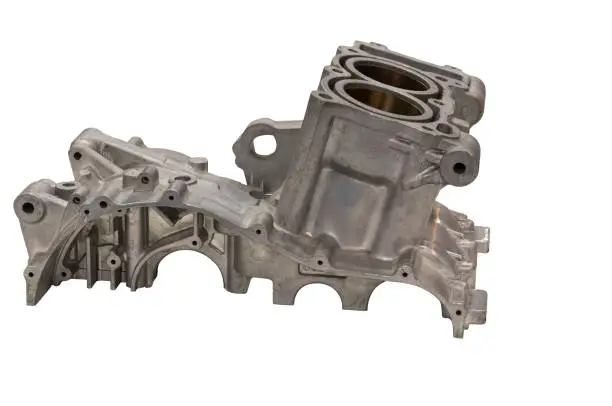
Navigating Supplier Selection and Procurement of Aluminum Die Casting Services
Choosing the right die casting partner has a big effect on how well the project goes, how quickly it is delivered, and how well long-term costs are managed. To find the best relationships, automotive procurement teams have to look at a number of factors, such as technical skills, quality certifications, and the flexibility of the supply chain.
Essential Supplier Qualifications
Automotive-qualified suppliers keep certifications like IATF 16949, which shows that they have complete quality control systems made just for automotive use. The environmental certification ISO 14001 shows that responsible manufacturing practices are becoming more and more important for companies that want to be sustainable.
A technical capabilities review should look at things like the amount of equipment available, the skill of designing tools, and the ability to do secondary machining. When a supplier handles the whole process, from the initial design to the finished cutting, it makes managing the supply chain easier and makes the supplier more responsible for the quality of the parts and their delivery.
Geographic and Logistical Considerations
The location of a supplier impacts the cost of shipping, lead times, and the control of supply chain risk. Regional suppliers can help with communication, quality control, and quick responses to engineering changes that happen a lot during the creation cycle of an automotive product.
Cost optimization and supply chain resilience must be balanced in global buying strategies. Diversified supplier networks lower the risk of dependence while keeping prices low by building strategic relationships with suppliers in a number of different areas.
Partnership Development and Collaboration
Automotive die casting relationships that work well go beyond just buying things. They become strategic partnerships that drive innovation and growth all the time. When suppliers spend money on new technologies, process optimization, and technical support, their products work better and costs go down, giving them a competitive edge.
Getting suppliers involved in the development of a product early on allows for design optimization, which lowers the cost of making while also improving the performance of the parts. When people work together, they often come up with their own ideas that set them apart in the very competitive automotive market.
Conclusion
As needs in the car industry drive technological progress and process improvement, precision aluminum die casting keeps changing. Because the manufacturing method can make parts that are lightweight, accurately sized, and have great mechanical qualities, it is an important technology for making modern cars. To be successful, you need to carefully choose your suppliers, handle quality well, and work together in a way that matches your manufacturing skills with the performance needs of your cars. By investing in advanced die casting relationships, automakers can meet their weight-reduction goals while still meeting the high standards for reliability and performance that today's market demands.
FAQ
What dimensional tolerances can be achieved with automotive aluminum die casting?
Modern aluminum die casting consistently achieves dimensional tolerances of ±0.05mm for critical features when proper tooling design and process control measures are implemented. Complex geometries may require slightly relaxed tolerances of ±0.1mm, while simple features often exceed these specifications. Achieving optimal tolerances requires collaboration between design engineers and casting specialists during the initial development phase.
How does aluminum die casting compare to machined components for automotive applications?
Aluminum die casting provides significant cost advantages over fully machined components, particularly for complex geometries with internal cavities or intricate external features. Die-cast components typically require minimal secondary machining, reducing manufacturing time and material waste. However, applications requiring extremely tight tolerances or specialized material properties may still favor machined alternatives despite higher costs.
What are the most common quality challenges in automotive aluminum die casting?
Porosity represents the primary quality concern, typically managed through proper gating design, controlled injection parameters, and vacuum-assisted casting techniques. Cold shuts and flow lines can occur when metal temperature or injection velocity parameters fall outside optimal ranges. Dimensional variations usually result from inconsistent process temperatures or inadequate die maintenance protocols.
How long does tooling development take for automotive die casting projects?
Tooling development timelines vary significantly based on component complexity, but typical automotive die casting tools require 12-16 weeks from design approval to first article production. Complex multi-cavity tools or components with intricate geometries may extend development time to 20-24 weeks. Early collaboration between automotive engineers and tooling specialists helps optimize designs that reduce development time while ensuring manufacturing feasibility.
What volume thresholds make aluminum die casting economically viable?
The economic viability of aluminum die casting typically begins at annual volumes of 5,000-10,000 pieces, depending on component complexity and competitive manufacturing alternatives. Higher tooling investments become cost-effective as production volumes increase due to reduced per-piece costs and elimination of secondary operations. Low-volume applications may benefit from family tooling strategies that combine multiple components in single die systems.
Partner with Fudebao Technology for Your Automotive Die Casting Needs
Ready to enhance your automotive component manufacturing with precision aluminum die casting? Fudebao Technology delivers comprehensive casting and machining solutions that meet the demanding requirements of automotive OEMs and tier-1 suppliers. Our advanced facility combines high-speed machining centers, CNC lathes, and modern die casting equipment to provide complete manufacturing solutions with tolerances reaching ±0.05mm. As a trusted aluminum die casting manufacturer, we support automotive, industrial equipment, and aerospace applications with proven quality systems and technical expertise. Contact hank.shen@fdbcasting.com to discuss your project requirements and discover how our integrated manufacturing capabilities can optimize your supply chain performance.
References
American Foundry Society. "Aluminum Die Casting Design Guidelines for Automotive Applications." Technical Publication Series, 2023.
International Die Casting Association. "Quality Standards and Best Practices for Automotive Die Casting Manufacturing." Industry Standards Manual, 2024.
Society of Automotive Engineers. "Material Specifications for Lightweight Aluminum Components in Vehicle Manufacturing." SAE Technical Standards, 2023.
European Foundry Association. "Comparative Analysis of Metal Casting Processes for Automotive Component Production." Manufacturing Technology Review, 2024.
North American Die Casting Association. "Process Control and Quality Management Systems for Automotive Casting Operations." Professional Development Series, 2023.
Aluminum Association Technical Committee. "Properties and Applications of Die-Cast Aluminum Alloys in Transportation Industries." Materials Engineering Handbook, 2024.



YOU MAY LIKE
_1756350046757.webp "Heat sink aluminum casting")
_1756349002499.webp "Aluminum alloy clamp casting")
_1756344684491.webp "Explosion-proof lamp housing aluminum casting")