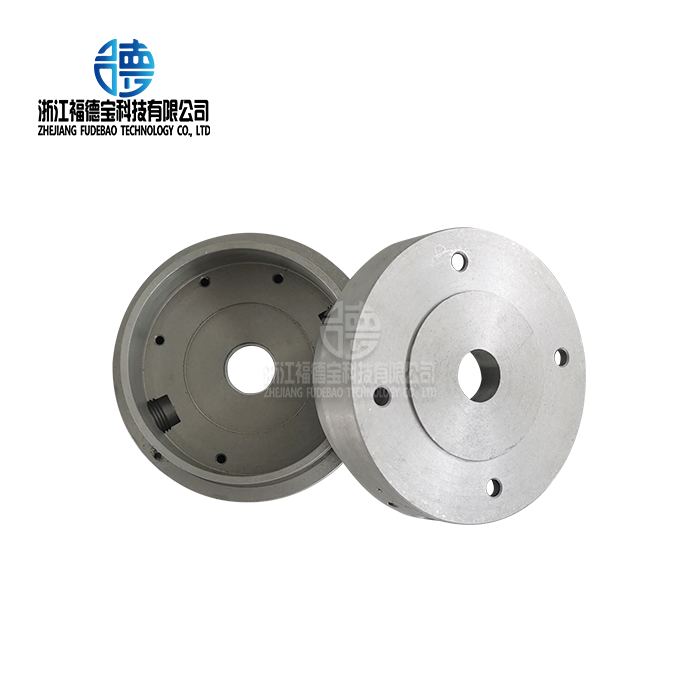
Custom Sand Casting Steel Pump Bodies for Industrial Use
2026-02-11
Custom sand casting steel pump bodies are very important parts that make manufacturing more efficient all over the world. Through sand casting processes, molten steel is turned into exactly engineered pump housings that work well in harsh conditions and last a long time. When it comes to industrial pumping systems, where dependability directly affects production flow, these parts are the backbone. Heavy machinery and chemical processing are just a few of the industries that count on these strong steel parts to keep working well. Modern industrial systems need parts that are accurate in size and don't break easily. Advanced sand casting methods make it possible to make parts with great accuracy.
Understanding Custom Sand Casting for Steel Pump Bodies
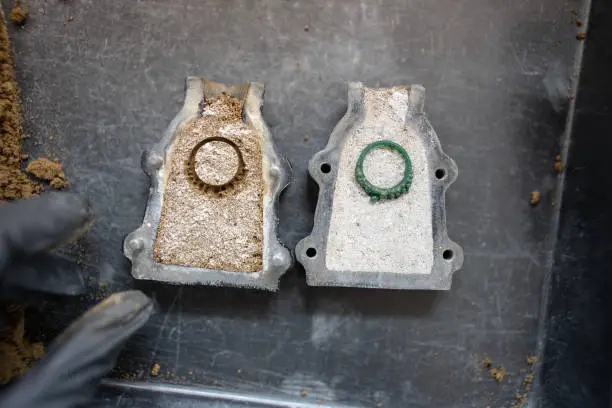
It turns out that sand casting is the best way to make complex steel pump bodies that other methods can't do cost-effectively. For this foundry method, molten steel is poured into specially prepared sand molds. This lets makers make complex internal passages and external features that are necessary for the pump to work.
Versatility and Design Flexibility in Metal Casting
Engineers can make pump bodies with complicated internal cooling channels, mounting bosses, and port setups that would be too expensive to make any other way because sand casting processes are so flexible. CNC cutting takes away material, but sand casting builds parts from scratch, so there is no waste and the cost of materials is lower. This method works especially well in industrial settings where pump parts need to do more than one thing in a single casting.
Changes to the design can be made quickly with sand molds, which makes this method perfect for making prototypes and small to medium-sized production runs. Engineers can change model patterns to try out different shapes and sizes without having to spend a lot of money on tools like they do for die casting or investment casting.
Steel Alloy Selection and Material Properties
The type of steel used has a big effect on how well the pump body works. For normal industrial uses, carbon steel grades have great strength-to-weight ratios. Alloy steels are better at resisting corrosion and can handle higher temperatures, which are important in chemical processing settings. The foundry method gives precise control over the steel's composition, making sure that its mechanical properties meet the needs of a given application.
There are cheaper alternatives to ductile iron that are strong enough for many pumping uses. Steel castings, on the other hand, are easier to machine for sealing surfaces and threaded joints that need precise finishing.
Key Challenges in Producing Steel Pump Bodies via Sand Casting
Using sand casting methods to make high-quality steel pump bodies means dealing with a number of technical issues that can affect the accuracy and dependability of the parts.
Defect Prevention and Quality Control
Concerns about porosity are still the biggest problem in steel casting, because trapped gases can make holes inside the structure that weaken it. Protocols for preparing the sand and degassing steps lower this risk, and the right form of the gates makes sure that metal flows smoothly through the mold cavity. Controlling shrinkage is very important in thick parts where cooling rates change a lot and could cause internal stresses or changes in the shape of the part.
Modern foundries use complex simulation tools to figure out where problems might happen before they happen. With this predictive method, engineers can find the best mold design and cooling methods, which lowers the number of rejects and raises the quality of the final product.
Material Selection and Environmental Resistance
When pump bodies are used in corrosive environments, they need to be made of the right type of steel so they don't break too soon. When metals are exposed to acidic or alkaline fluids, they need alloying elements that make them more resistant to chemicals without changing their mechanical properties. For uses at high temperatures, steels need to have stable microstructures that don't get damaged by heat cycling.
The casting process has to work with these material needs while keeping the ability to cast and avoiding segregation problems that could make the finished part weak.
Dimensional Accuracy and Tolerance Management
For sand cast parts to have tight tolerances, the pattern design, sand qualities, and cooling processes must all be carefully thought out. The end sizes can be changed by thermal expansion and contraction during solidification, especially in complicated shapes with walls that are different thicknesses. Machining allowances need to be carefully figured to make sure that enough stock is removed while waste is kept to a minimum.
Dimensional checks are part of quality assurance routines at many stages of production, from pattern inspection to the final machining steps. This methodical technique makes sure that parts always meet engineering requirements.
Optimizing the Sand Casting Process for Industrial Pump Bodies
To make manufacturing more efficient, production bottlenecks that slow down quality or throughput in steel sand casting processes need to be systematically found and removed.
Advanced Mold Technologies and Process Automation
These days, foundries use automated molding systems that make the products more consistent while cutting down on cycle times and worker costs. Resin-bonded sand systems are more stable in terms of dimensions than standard green sand methods, which lets you get better surface finishes and tighter tolerances. These high-tech molding materials can support complex core assemblies that make complicated internal geometries that are necessary for the pump body to work.
Controlled atmosphere melting keeps the chemical makeup of steel stable while lowering the amount of impurities that could weaken its mechanical qualities. Automated filling systems keep temperatures and fill rates stable, which reduces turbulence that can cause flaws or uneven surfaces.
Quality Assurance and Testing Protocols
Comprehensive testing programs check the performance of each component using a number of different review methods that make sure they will work reliably in real-world situations. Ultrasonic inspection and magnetic particle examination are two types of non-destructive testing that find problems inside parts before they are used. Verification of mechanical properties shows that the tensile strength, hardness, and impact resistance all meet the standards set by the specification.
Statistical process control methods keep an eye on important quality indicators throughout production. This lets changes in the process be quickly found before they affect the quality of the parts. This proactive method lowers the number of rejections while keeping performance levels the same across production batches.
These optimization strategies solve common production problems well while building strong manufacturing processes that regularly deliver reliable parts. Using cutting-edge technologies and doing regular quality checks can give you an edge in tough industry markets.
Choosing the Right Custom Sand Casting Partner for Steel Pump Bodies
In industrial manufacturing settings, decisions about which suppliers to use have a direct effect on the quality of the products, how quickly they are delivered, and how stable the supply chain is in the long run.
Production Capability Assessment and Quality Standards
Before choosing a foundry to work with, you need to carefully check out their steel pump body making skills, quality control systems, and technical knowledge. When a facility is audited, the capacity of the melting equipment, the molding system's abilities, and the machining resources that are available for finishing tasks should all be looked at. Systematic quality management is backed up by ISO certification and quality standards that are specific to the business.
A production capacity study must look at both the current volume needs and the expected growth in the future to make sure that suppliers can adjust production as needed. Logistics prices and delivery options are affected by how close two places are to each other, especially for projects that need to be done quickly or for developing prototypes.
Technical Collaboration and Engineering Support
Successful partnerships include more than just basic manufacturing services. They also include collaborative engineering help that makes designs easier to make and cheaper to produce. Foundries with a lot of experience can help you choose the right materials, make changes to designs, and make process improvements that make parts work better while also lowering the cost of production.
With prototyping, you can test your idea before you buy the production tools. This lowers the risk of development and speeds up the time it takes to get your product to market. Suppliers who give full services, from making patterns to finishing the work, make managing the supply chain easier and improve quality control.
Certification Requirements and Regulatory Compliance
For industrial uses, suppliers often need to show that they have certain certifications or follow certain rules, and they must do this regularly. Traceability, material certificates, and testing records have very different documentation needs in different businesses and applications.
As rules change, environmental compliance becomes more important as suppliers are required to show sustainable practices and trash minimization programs. Thinking about social duty can affect choosing a supplier, especially for businesses with big plans to be environmentally friendly.
About Fudebao Technology and Steel Pump Body Solutions
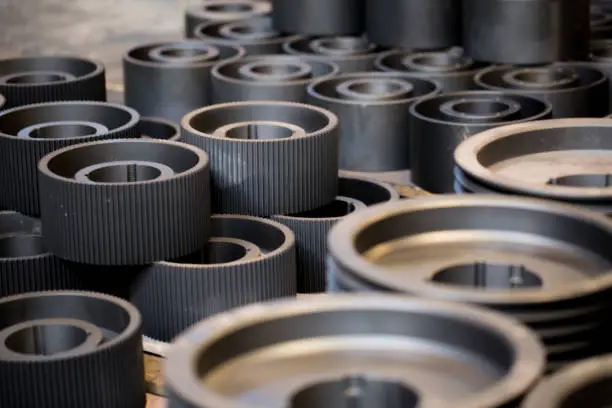
Zhejiang Fudebao Technology Co., Ltd. has been making industrial pump bodies for decades and combines traditional sand casting knowledge with cutting-edge production technologies. Our wide range of industrial skills covers the whole production process, from the initial melting to the final surface treatment.
Advanced Manufacturing Capabilities and Quality Systems
There are high-speed machining centers, CNC lathes, low-pressure casting machines, and die casting equipment in our building that all work together to support integrated production processes. We can give finished parts with dimensional accuracy of up to ±0.05mm thanks to this full process control, which meets the strict requirements for medical equipment and precision parts for cars.
When you combine the melting, casting, finishing, and surface treatment processes, you get consistent quality and shorter wait times than when you use more than one supplier. Our quality control systems are in line with international standards and provide the documentation and tracking that are needed for important industrial uses.
Global Market Experience and Industry Expertise
Our clients come from all over the world and include companies that make cars, industrial equipment, tools, and aerospace. With this wide range of experience, you'll have a deep understanding of how different industries set quality standards and requirements. We can consistently meet strict requirements because we have direct supply agreements with leading foreign brands, such as American HAAS automation machine tools and ESS energy storage systems.
Our manufacturing knowledge helps customers improve the performance of their designs while lowering the costs of production through technical consultation services. From the first idea to the final result, our engineering team works together with customers throughout the whole development process.
Conclusion
Custom sand casting steel pump bodies are important parts that make industry operations reliable in a wide range of manufacturing sectors. The foundry process gives designers the most freedom and the best value for money when working with complicated shapes, and it also gives the right mechanical qualities for tough jobs. Pay close attention to choosing the right materials, making sure the production method is optimized, and checking the quality at all times to ensure success. In industrial markets that are always changing, relationships between suppliers that combine technical know-how with a wide range of manufacturing skills give businesses an edge. Putting money into new casting technologies and organized quality control makes sure that parts always work right and meet the changing needs of the business.
FAQ
Which industries benefit most from custom sand casting steel pump bodies?
Industrial machinery manufacturers, chemical processing plants, water treatment facilities, and heavy equipment producers represent the primary markets for custom steel pump bodies. These sectors require robust components that withstand corrosive environments, high pressures, and continuous operation cycles that standard commercial pumps cannot accommodate.
How do you ensure compliance with stringent industrial standards?
Quality assurance programs incorporate multiple inspection stages, from incoming material verification through final dimensional checking and performance testing. Documentation systems maintain complete traceability records, while certified testing procedures verify mechanical properties and dimensional accuracy according to relevant industry specifications.
What are typical lead times for custom pump body orders?
Production schedules typically range from 8-12 weeks for standard configurations, with complex designs or special material requirements potentially extending timelines to 14-16 weeks. Prototype development usually requires 4-6 weeks, allowing design validation before production commitment.
Can sand casting achieve the dimensional accuracy required for pump applications?
Modern sand casting processes routinely achieve tolerances within ±0.5mm for general dimensions, with critical surfaces receiving additional machining to reach precision requirements of ±0.05mm or tighter. This combined approach optimizes manufacturing costs while ensuring functional performance.
What steel grades work best for different pumping applications?
Carbon steel grades provide excellent general-purpose performance for water and mild chemical applications, while stainless steel alloys offer superior corrosion resistance for aggressive chemical environments. Alloy steels bridge these categories, providing enhanced properties for specific temperature or pressure requirements.
Partner with Fudebao Technology for Your Sand Casting Needs
Industrial manufacturers seeking reliable steel pump body solutions can benefit from Fudebao Technology's comprehensive manufacturing expertise and proven quality systems. Our experienced engineering team collaborates with customers to optimize designs for performance and manufacturability while maintaining cost effectiveness. Contact hank.shen@fdbcasting.com to discuss your specific requirements with our technical specialists who understand the unique challenges of industrial pump body applications. As an established sand casting supplier with global experience, we deliver the precision components and engineering support that drive industrial success.
References
Campbell, John. "Complete Casting Handbook: Metal Casting Processes, Metallurgy, Techniques and Design." Butterworth-Heinemann, 2015.
Stefanescu, Doru Michael. "Science and Engineering of Casting Solidification." Springer International Publishing, 2017.
Brown, John R. "Foseco Non-Ferrous Foundryman's Handbook." Butterworth-Heinemann, 2014.
Beeley, Peter R. "Foundry Technology." Newnes Technical Books, 2001.
Heine, Richard W., Carl R. Loper, and Philip C. Rosenthal. "Principles of Metal Casting." McGraw-Hill Education, 1995.
Mollard, Frank R. "Steel Foundry Practice." American Foundry Society, 2018.



_1756349957728.webp "metric v belt pulley")
_1756346144394.webp "aluminum die casting hinge")