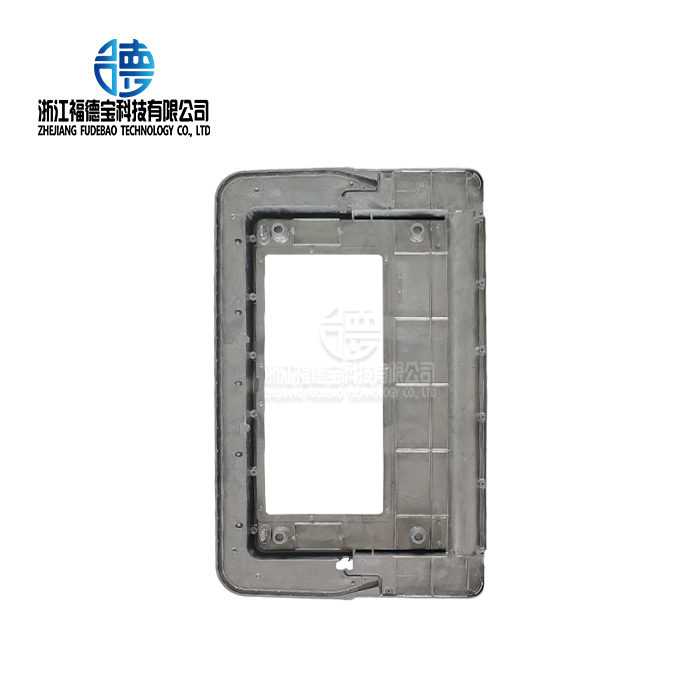
One of the most effective ways to make high-quality metal parts for use in automobile, industrial, electrical, and aircraft settings is through low pressure casting. This detailed guide looks into the low pressure casting process in great detail. It helps engineering managers, quality teams, and procurement workers understand why this method produces more accurate measurements, stable material properties, and better surface finishes. Manufacturers make parts that meet the strict needs of modern industrial uses while keeping costs low and production running smoothly by applying controlled pressure and managing temperatures precisely.
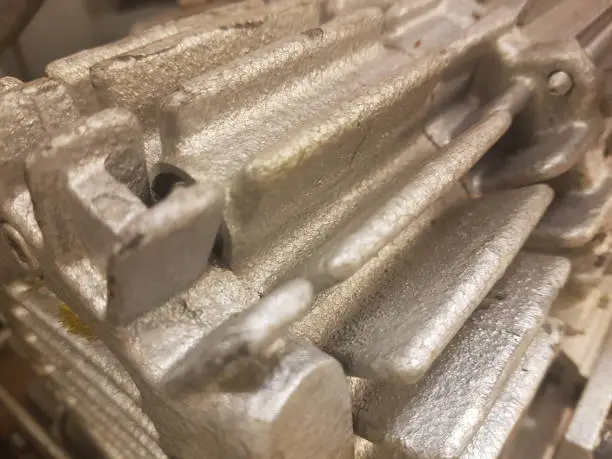
Understanding Low Pressure Casting Fundamentals
If you want to make high-quality aluminum parts, the low pressure casting process is a smart middle ground between gravity casting and high-pressure die casting. This method is different from standard gravity casting because it uses controlled pressure (usually between 0.2 and 1.0 bar) to push liquid aluminum from a covered oven into the mold hole through a system of lifter tubes.
This carefully planned filling method gets rid of turbulence and lowers oxide addition, which makes the metal's mechanical traits better. The light pressure makes sure that the mold is fully filled while keeping smooth flow, which is very important for complicated shapes like those found in car housings and industrial pump parts.
High-tech automatic systems in modern low pressure casting tools exactly handle pressure curves, filling speeds, and cooling processes. These factors have a direct effect on the grain structure, the amount of porosity, and the security of the dimensions. These are important factors that determine how well a part works in tough situations.
Keeping the right temperature is also very important to the process. Keeping the metal at the right temperature during the casting process keeps it open and stops it from solidifying too soon. Depending on the material and the complexity of the part, most processes keep metal temperatures between 680°C and 720°C.
Key Advantages of Low Pressure Die Casting
Low pressure casting has benefits that go far beyond just saving money. These benefits have real effects on how well parts work and how efficiently they are made. The controlled pressure environment cuts down on gas leakage by a large amount, reaching densities that are close to 99% of the theoretical maximum. This is an important factor for making sure that housings and structural parts are pressure-tight.
Another strong benefit is that dimensions stay the same. Most of the features in the process stay within ±0.5mm of error, and important measurements can be kept within ±0.2mm with the right tools design. This level of accuracy cuts down on the need for extra cutting, which lowers total production costs and speeds up delivery times.
When you compare the results of low pressure casting to those of sand casting, you can see right away that the surface quality is better. As-cast Ra values are usually between 3.2 and 6.3 microns, which means that the surface doesn't need to be prepared in a lot of detail before finishing or cutting.
This method achieves very high amounts of material utilization efficiency. The bottom-filling method keeps oxides from getting stuck as much as possible while still letting almost all of the metal be recovered through the runner system. Most of the time, yield rates are higher than 85%. This makes the method especially appealing for high-volume car uses where material costs have a big effect on profits.
Critical Process Parameters and Control Methods
To get uniform results across production runs, the factors for low pressure casting need to be carefully optimized. The application of pressure is carefully managed, starting with a filling pressure of about 0.1 to 0.3 bar and then a feeding pressure of 0.5 to 1.0 bar while the material solidifies.
Optimizing cycle time strikes a balance between the need for high output and high quality metalwork. Cycle times for car parts are usually between 3 and 8 minutes, but this depends on the thickness of the piece and the metal chosen. Controlling the cooling rate is especially important for metals that can be heated and cooled, since precipitation hardening changes the final mechanical properties.
Mold design decisions have a direct effect on how well the process works. Draft angles are usually between 1 and 3 degrees, and tip circles should be greater than 3mm whenever possible to help the metal move smoothly. When releasing is done right, back pressure doesn't build up, which could affect how well the filling works.
Modern process tracking systems for low pressure casting keep an eye on many things at once, like the temperature of the metal, the pressure profiles, the temperatures of the molds, and the time of the cycles. Statistical process control methods help find parameter change before quality problems happen, which is important for meeting the PPAP standards for the car industry.
Material Selection and Metallurgical Considerations
The choice of aluminum metal has a big effect on the success of low pressure casting and the qualities of the end part. A356 and A357 metals are mostly used in cars because they are easy to make, treat with heat, and have good mechanical properties. In the T6 state, these silicon-magnesium alloys have final tensile strengths that are higher than 280 MPa.
Grain polishing techniques are needed to get the best mechanical qualities. Titanium-boron grain refiners, which are usually added at a level of 0.02% to 0.05%, help create small, evenly spaced grains that make the material more flexible and resistant to wear. When you degas properly, you get rid of hydrogen until the amount drops below 0.15 ml/100 g. This stops pores from forming during solidification.
Optimizing the heat treatment of precipitation-hardening metals lets them reach their full potential. Solution treatment at 540°C is the first step in the T6 temper process. Next is cooling and fake aging at 155°C. The right time for heat treatment keeps materials from over-aging and achieves the strength levels needed for structural car parts.
Microstructural study shows the advantages of controlled solidification that come with low pressure casting. The shape of the silicon particles stays fine and evenly spread out, and intermetallic phases form in useful ways. These benefits in the microstructure directly lead to better wear performance and damage resistance.
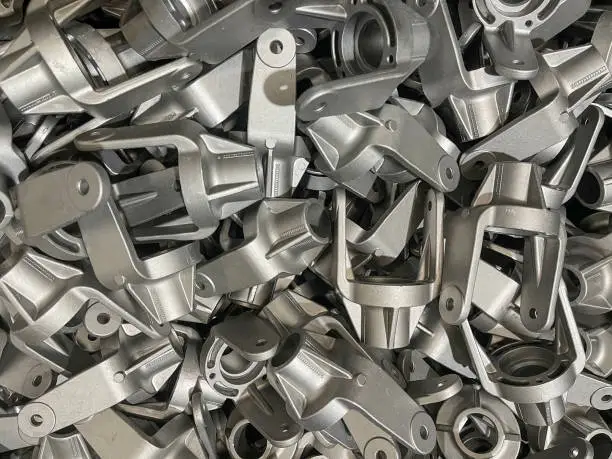
Quality Control and Defect Prevention Strategies
Instead of just inspecting the finished product after production, thorough flaw prevention is a big part of making sure the quality of low pressure casting. Some common flaws are gas pores, shrinking, and oxide spots. For each of these flaws, different steps need to be taken during process development to make sure they don't happen.
Gas porosity can be avoided by properly prepping the metal, which can be done by degassing it with rotating fan systems or injecting harmless gas. Consistent metal quality is achieved by keeping an eye on the amounts of dissolved hydrogen throughout the working day. The design of the mold must include enough vents to keep gas from getting trapped during filling.
To get rid of shrinkage defects, you need to pay close attention to the design of the feeds and the control of the cooling. Directional solidification rules tell us where to put and how big to make the risers, making sure there is enough metal to make up for the shrinking that happens during solidification. Before production starts, thermal analysis software helps find the best ways to cool things down.
Visual inspection and advanced non-destructive tests are two types of inspection methods. Ultrasonic testing finds problems below the surface, while x-rays show patterns of internal cracks. Coordinate measuring tools make sure that the dimensions are correct, which is especially important for parts that need to be machined later.
Applications Across Industries
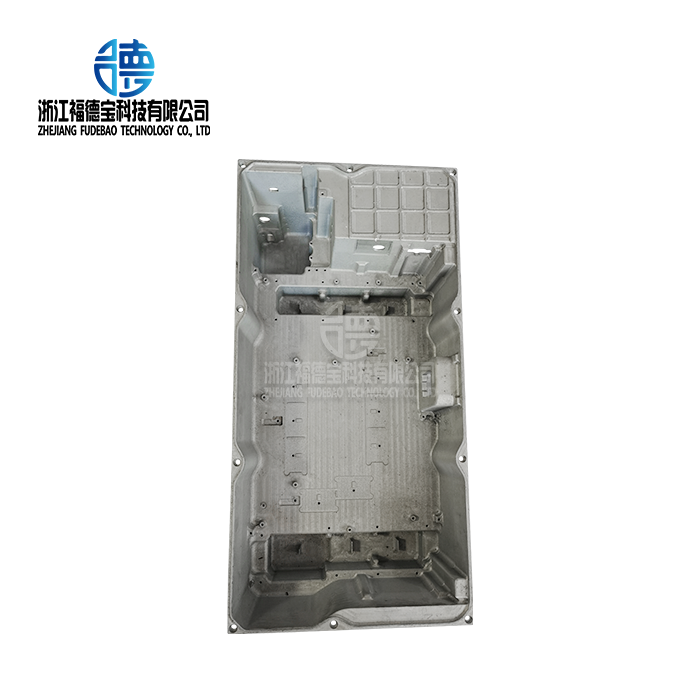
Low pressure casting is used in many fields, and each one needs a different set of performance and quality standards. In the automotive industry, physical stability and pressure-tightness are very important for things like transmission housings, engine frames, chassis parts, and electrical housings.
This process is good for making pump housings, compressor parts, and gearbox cases for industrial machines. The smooth surface prevents friction losses, and the accurate measurements make sure that the bearings fit properly and the closing surfaces are smooth. Because they are resistant to heat, these molds can be used in situations where temperatures are high.
Aluminum's ability to transfer heat makes it useful for heat sinks, motor housings, and power distribution parts in the electrical and energy sectors. The fine surface finish makes it easier for heat to escape, and the resistance to rust makes it reliable in hard settings for a long time.
The process is used to make structure parts, airplane fittings, and special housings that meet the highest quality standards for aerospace uses. Because low pressure casting processes are managed, standards for traceability and material certifications work well with them.
Equipment Selection and Automation Integration
To choose a low pressure casting machine, you need to carefully think about how much you need to make, how complicated the parts are, and what quality standards you have. Modern machines have pressure controls that can be programmed, systems that automatically move molds, and built-in quality tracking tools.
Furnace design changes the quality of the metal and how well it uses energy. Reverberatory furnaces that use electromagnetic stirring keep the temperature even and reduce the amount of metal lost through oxidation. The right amount of capacity should be chosen so that it can handle high production needs while still allowing for normal metal change rates.
Adding automation improves accuracy while lowering the cost of labor. Robotic systems are used to move molds, take out parts, and check the quality of the work. Integration with business resource planning tools lets you keep track of production and control your supplies in real time.
Maintenance tools make sure that machines work the same way throughout all output efforts. Schedules for preventive maintenance cover things like replacing worn-out parts, checking the accuracy, and cleaning the system. With proper repair, equipment lasts longer and processes keep working.
Cost Analysis and Economic Benefits
There are more than just piece prices to compare when figuring out the economic value of low pressure casting. Tooling prices are usually in the middle of sand casting and die casting, and the payback times are fair for medium to high volume uses.
When processes can be automated and secondary activities are cut down, labor efficiency goes up. Because the as-cast surface finish is so good, grinding steps are often not needed, and checking isn't needed as often. These factors work together to give big cost benefits in situations where a lot of products need to be made.
High return rates and reusable runner systems are two perks of material usage. Lower running costs are caused by processes that use less energy compared to others. This is especially important for metal melting activities that use a lot of energy.
Cost saves linked to quality come from lower scrap rates, fewer customer returns, and more reliable products. Because the process is reliable, it helps lean manufacturing efforts and keeps production from stopping.
Conclusion
Low pressure casting is a mature and reliable way to make things that consistently produces high-quality metal parts for a wide range of industrial uses. When the process parameters are managed correctly and the pressure is controlled, casts are made that have great mechanical qualities, accurate dimensions, and a smooth surface. Understanding the basic ideas, important factors, and quality control needs is needed to put this technology into practice successfully. As the needs for production keep focusing on quality, speed, and cost-effectiveness, low pressure casting is still an important way to make important metal parts that meet the strict needs of modern engineering uses.
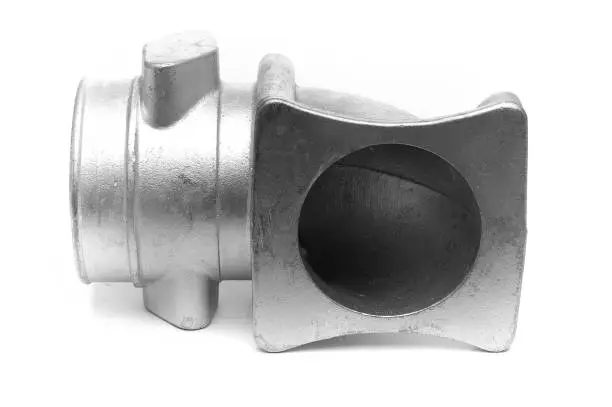
Partner with Fudebao Technology for Superior Low Pressure Casting Solutions
You can trust Zhejiang Fudebao Technology as a low pressure casting maker to give you precise metal parts that go above and beyond what the industry requires. Our modern factory has cutting-edge low pressure casting tools and strict quality control methods. This lets us get dimensions within ±0.05mm while keeping the highest level of mechanical integrity. Whether you need housings for cars, parts for industrial pumps, or custom electrical systems, our experienced engineering team works closely with your design requirements to make sure the best performance and ease of manufacture. Are you ready to improve the quality of your parts and the speed of your production? Get in touch with us at hank.shen@fdbcasting.com to talk about your unique application needs.
References
Campbell, J. "Complete Casting Handbook: Metal Casting Processes, Metallurgy, Techniques and Design." Butterworth-Heinemann, 2015.
Sigworth, G.K. "Fundamentals of Solidification in Aluminum Castings." International Journal of Metalcasting, vol. 8, no. 1, 2014.
Bonollo, F., Urban, J., Bonatto, B., and Botter, M. "Gravity and Low Pressure Die Casting of Aluminium Alloys: A Technical and Economical Benchmark." La Metallurgia Italiana, 2005.
Kaufman, J.G. and Rooy, E.L. "Aluminum Alloy Castings: Properties, Processes, and Applications." ASM International, 2004.
Tiryakioğlu, M. "On the Relationship Between Structural Integrity and Casting Quality." International Journal of Metalcasting, vol. 11, no. 2, 2017.
Dispinar, D. and Campbell, J. "Critical Assessment of Reduced Pressure Test. Part 1: Porosity Phenomena." International Journal of Cast Metals Research, vol. 17, no. 5, 2004.



_1756346371362.webp "separator housing")
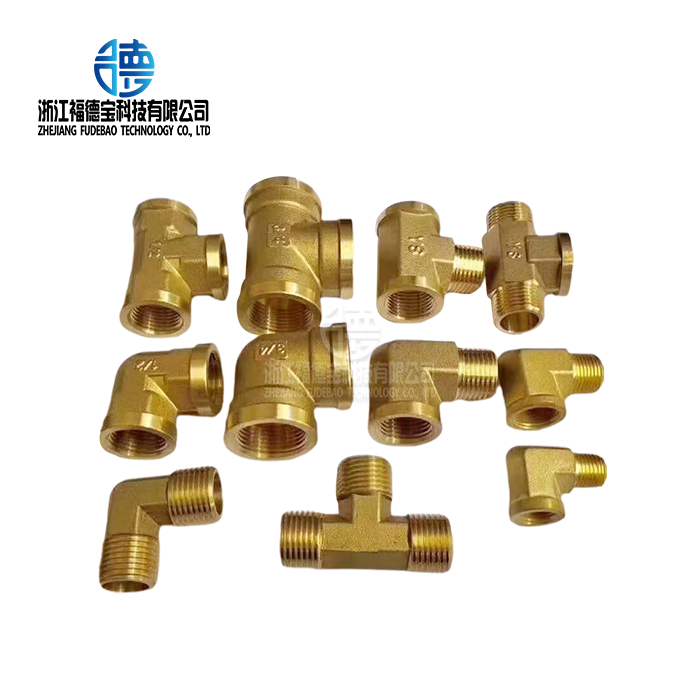
_1756361494985.webp "sliding block copper castings")
_1756349696500.webp "Pulley aluminum casting")
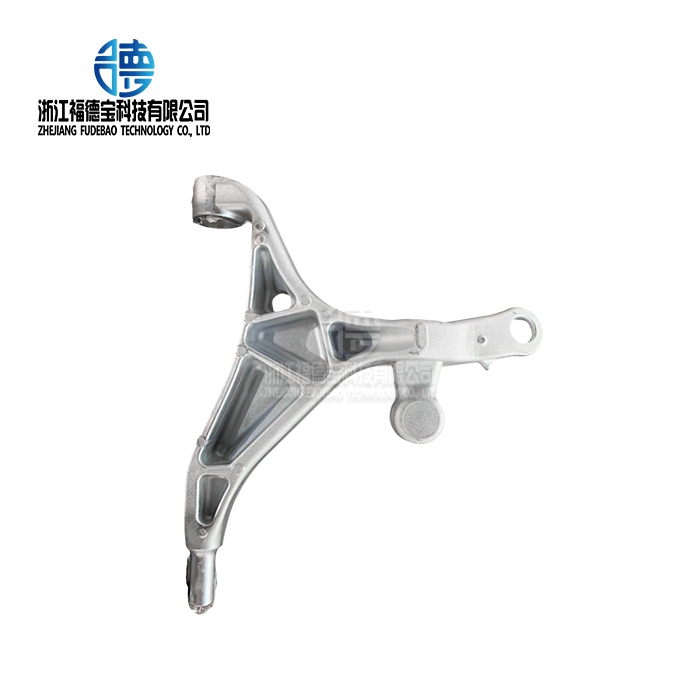
_1756346613780.webp "Aluminum tent base Casting")