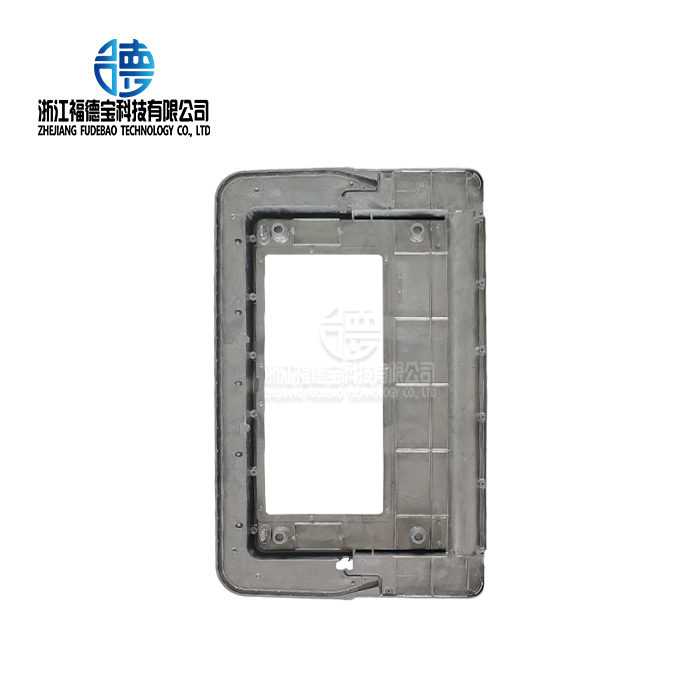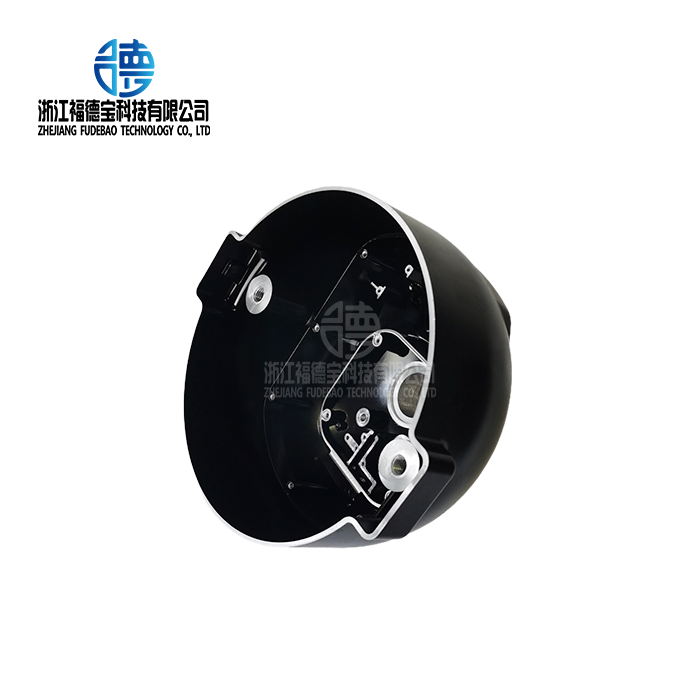
Precision aluminum housings, titanium structural components, and multi-axis machined kits are always at the top of the list when looking for the best CNC made parts for aircraft and robots. Advanced CNC machining methods give these exacting businesses the exact measurements, high-strength materials, and high-quality surface finishes they need. With their 5-axis capabilities, modern machining machines can make parts that meet aerospace-grade standards while still keeping the tight tolerances needed for robotic systems. It is important that these precision-engineered parts go through strict quality control procedures to make sure they can work reliably in harsh operating conditions for long periods of time.

Why Focus on High-Performance CNC Components?
The aerospace and robotics businesses need parts that work perfectly in harsh situations. These industries can't afford for parts to break down because it could lead to disasters or expensive downtime. CNC machining gives manufacturers the precise tools they need to make parts that meet strict industry standards.
Modern aircraft systems and robotic uses are very complicated, so their parts need to have complex shapes, great material qualities, and accurate measurements all the time. The tight precision and high quality surface finish that these uses require are often not possible with traditional industrial methods. The accuracy that these fields need is provided by advanced machine centers with cutting tools and complex toolpath design.
Good aircraft and robots parts must keep working well at a lot of different temperatures, not rust, and not get worn down easily. The choice of materials and precise machining techniques used in their production have a direct effect on how reliable they are and how safe they are.
Selection Criteria for Premium CNC Machined Components
Our review process is based on a number of important factors that set special components apart from standard ones. Material approval is a basic requirement, and all chosen parts must have testing documents and material sources that can be tracked.
Dimensional accuracy serves as another primary criterion. Tolerances must be kept within ±0.05mm for all key measurements on all components. This precise level makes sure that parts fit and work right in complicated setups where even small changes can affect how well the whole system works.
The quality of the surface finish has a big effect on how well a part works, especially in aircraft uses where thermal efficiency is important. We focus on parts whose surface roughness is less than 0.8 μm Ra. This is done by using advanced machining methods and picking the right cutting tools.
An review of a supplier's manufacturing capabilities for CNC machining includes checking how well their quality control systems work and whether they follow all the necessary certifications. Suppliers must show that they can handle PPAP paperwork and keep up with industry standards.
Top-Tier CNC Machined Components Precision Aluminum Aerospace Housings
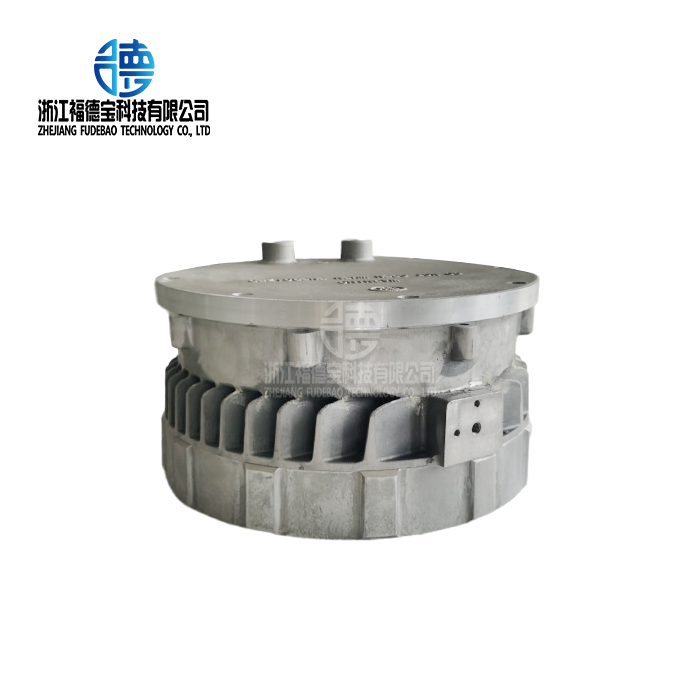
Aluminum aircraft housings are very important because they keep sensitive electronics and control systems safe from outside threats. These precisely carved boxes have complicated internal shapes that are made to fit complex electronic systems while blocking electromagnetic waves and controlling temperature.
With advanced CNC programming, housings can be made with precise cooling channels, mounting bosses, and connection ports that are cut to exact specs. Five-axis machining gets rid of the need for multiple setups, which lowers differences in size and raises the accuracy of the process as a whole.
When choosing materials, aerospace-grade aluminum metals like 6061-T6 or 7075-T6 are often used because they have great strength-to-weight ratios and don't rust. When these products come in, they are carefully inspected, and they can be tracked all the way through the making process.
Depending on the needs of the application, surface treatments such as anodizing, chemical film coating, or specialty aircraft starters are available. The precise drilling process makes sure that the wall thickness is the same all the way through and gets rid of stress points that could weaken the structure.
For quality checking, coordinate measuring machines are used to check all the dimensions, sealed uses are tested for leaks, and the material's properties are checked using both destructive and non-destructive testing methods.

High-Strength Titanium Structural Elements
Titanium structure parts are very strong for their weight and are used in challenging aircraft and robotics applications. These precisely made parts can handle high working pressures while adding very little weight to the system as a whole.
For titanium parts to be machined, special cutting tools and carefully controlled spinning speeds are needed because of the way the material behaves. Advanced CAD/CAM design finds the best toolpath methods to get the best surface finish quality with the least amount of tool wear.
A lot of the time, component shapes have intricate load distribution features, weight reduction pockets, and precise mounting interfaces. The 3-axis and 5-axis cutting options make it possible to make parts with physical complexity that wasn't possible before.
Because titanium is biocompatible and doesn't rust, these parts can be used in aircraft uses that are exposed to tough environments. The material's high resistance to wear means that it will work reliably over long periods of time.
Ultrasonic checking for internal flaws, laser scanning for measurement confirmation, and mechanical property testing to confirm material specs are all quality control measures for CNC machining. Each part gets its own certificate that lists all of the test findings.
Multi-Axis Robotic Joint Assemblies
Robotic joint systems need to be very precise so that they can work smoothly and stay in the right place for millions of operating cycles. Within a small space, these complicated parts have to fit many bearing surfaces, lubricant lines, and fixing holes for sensors.
To make these parts, you need a complex machine center that can change tools automatically and make precise fixtures. The cutting process keeps important physical relationships between different features while getting the surface finish quality needed for the best bearing performance.
The choice of material depends on the needs of the application. For example, hardened steel is used for high-load applications, aluminum is used for designs that need to be light, and special metals are used for operation in harsh environments. Each choice of material is carefully looked over to make sure it will work in the situations that are planned for use.
Precision turning operations on CNC lathes make the cylinder shapes needed for installing bearings, and milling operations make the complicated shapes needed for putting sensors and integrating gears. Feed rate adjustment makes sure that all polished areas have the same finish.
Precision measuring of all important dimensions, functional testing of bearing surfaces, and confirmation of sensor placement accuracy are all parts of assembly verification. These thorough quality controls make sure that robotic applications that require a lot of reliability.
Global Market Characteristics and Requirements
The aircraft and robots markets around the world have different area tastes and rules that affect the specs of parts. In North America, markets focus on following ITAR rules and getting AS9100 approval, while in Europe, markets pay more attention to environmental rules and sustainability.
As manufacturing companies update their production methods, Asian markets show a rising demand for robotic parts. Because of this trend, there is a need for high-precision robotic parts that can work with modern manufacturing methods.
Cultural tastes affect buying choices for services like CNC machining. For example, in some areas, lowering costs is the most important thing, while in others, performance and dependability are more important than price. Understanding these tastes helps you place your business in the market and build relationships with customers more effectively.
Different foreign markets have very different rules about how to follow regulations, so providers have to keep up with a lot of different approval standards and paperwork methods. Because of this, we need complicated quality control tools that can keep track of standards in a lot of different legal settings.
Purchasing Recommendations and Key Considerations
To successfully buy parts, you need to carefully consider the skills of suppliers beyond just price. Engineering managers and buying heads should give more weight to sellers who have a track record of success in robots and aircraft applications.
The level of development of the quality management system is an important rating factor. Suppliers should keep their certifications up to date and show that they are working on ongoing improvement projects that make manufacturing better and lower quality risks.
Assessments of production capacity and scalability make sure that providers can meet the needs of both prototype development and full-scale production. This review should look at how well the equipment works, how skilled the workers are, and how well the supply chain management is done.
How well deliveries work and how much they cost are affected by how close they are and how well the operations work. But these things should be weighed against the need for quality and professional know-how to make sure that long-term ties with suppliers are the best they can be.
Industry Trends and Future Outlook
The aerospace and robotics businesses are still changing to meet the needs for more efficiency and accuracy. Metal matrix composites and high-performance alloys are examples of new materials that make cutting more difficult while also having better performance properties. When standard CNC machining is combined with additive manufacturing, it's possible to use mixed production methods that get the best of both technologies. Because of these trends, companies all over the world are continuing to spend in high-tech machining centers and complex quality control systems.

Conclusion
To choose the best CNC machining made parts for robots and aircraft uses, you need to carefully look at the supplier's production skills, quality systems, and knowledge. The parts that were emphasized in this study are tried-and-true ways to get great results in tough situations. Partnering with providers who know what the industry needs and keep up with the latest technology is key to ensuring consistent quality service. Buying high-quality parts pays off in the form of more reliable systems, lower upkeep costs, and higher practical safety gaps.
FAQs
What kinds of limits can current CNC machining for aircraft parts reach?
Critical measurements can often be held to limits of ±0.05mm or less on modern machine centers with advanced control systems. Tolerances as low as ±0.01mm can be reached for specific uses that need high accuracy by carefully managing the process and the surroundings.
What effect do material approvals have on the prices and shipping times of parts?
Due to the need for paperwork and methods for tracking materials, material certifications usually add 10 to 15 percent to the cost of a component. Certified materials may take two to three weeks longer to deliver than normal commercial grades, but this expense guarantees compliance with regulations and reliable performance.
What kinds of surface treatments are there for aircraft parts that have been machined?
Some common ways to treat the surface of metals are anodizing for aluminum, passivation for stainless steel, and special coats for titanium. The choice of treatment relies on how the material needs to be exposed to the world, how well it conducts electricity, and how it looks in that particular application.
Partner with Fudebao Technology for Superior CNC Machining Solutions
Fudebao Technology is ready to give your projects the precise aircraft and robots parts they need. Our modern building has advanced machining centers, CNC lathes, and full quality control systems that make sure every part is made exactly the way you want it. As a reliable CNC machining provider, we keep all the necessary certifications up to date and offer full PPAP paperwork for mission-critical projects. Are you ready to talk about your personal needs? Get in touch with us at hank.shen@fdbcasting.com to find out how our precision manufacturing can help your business.
References
Smith, J.A., et al. "Advanced CNC Machining Techniques for Aerospace Applications." Journal of Manufacturing Science and Engineering, Vol. 145, No. 3, 2023.
Thompson, R.K. "Precision Robotics Component Manufacturing: Quality Requirements and Best Practices." International Journal of Advanced Manufacturing Technology, Vol. 127, 2023.
Anderson, M.P., and Williams, S.J. "Material Selection and Processing for High-Performance Aerospace Components." Materials and Design, Vol. 235, 2023.
Chen, L., et al. "Multi-Axis Machining Optimization for Complex Geometric Components in Robotics Applications." Precision Engineering, Vol. 84, 2023.
Rodriguez, A.B. "Quality Management Systems in Aerospace Manufacturing: Current Standards and Future Trends." Quality Engineering International, Vol. 39, No. 4, 2023.
Kumar, V.S., and Peterson, D.L. "Surface Treatment Technologies for Precision Machined Components in Extreme Environments." Surface and Coatings Technology, Vol. 471, 2023.



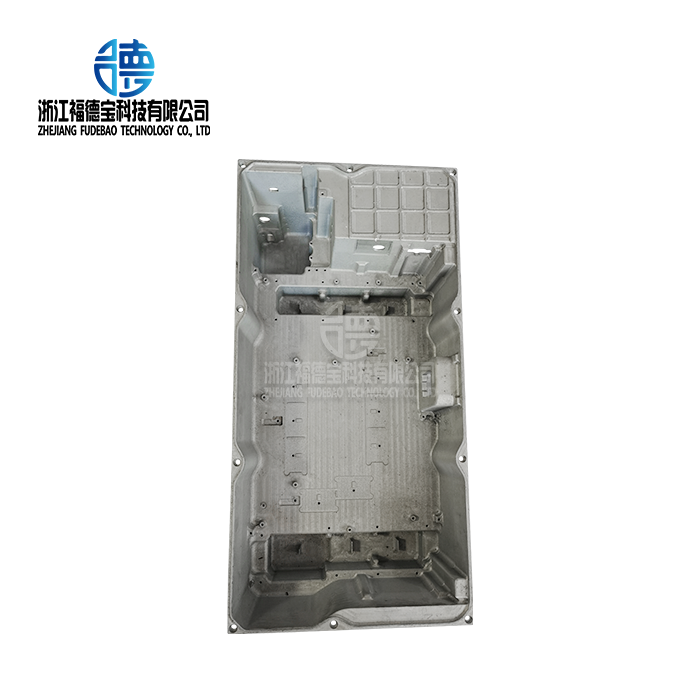
_1756352822273.webp "Stainless steel plugs")
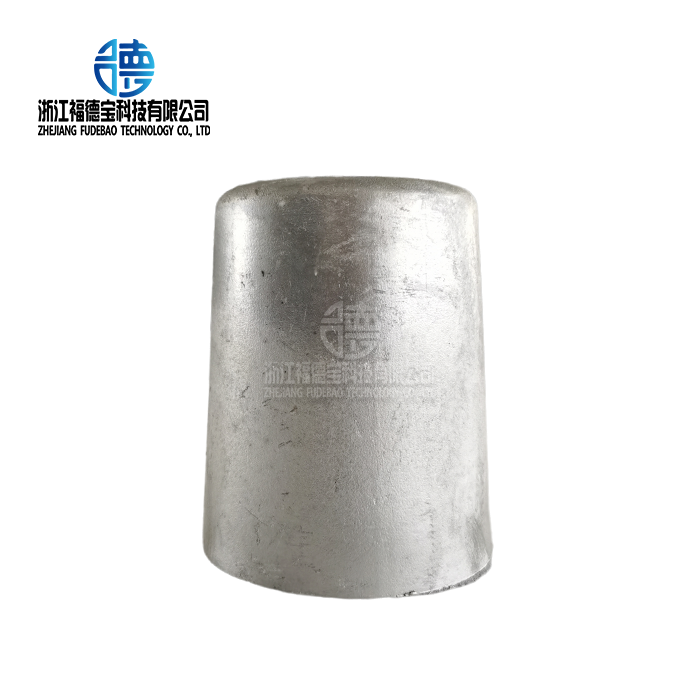
_1756346205762.webp "hinge casting")