Low Pressure Casting Aluminium for Automotive and Aerospace Industries
2026-06-22
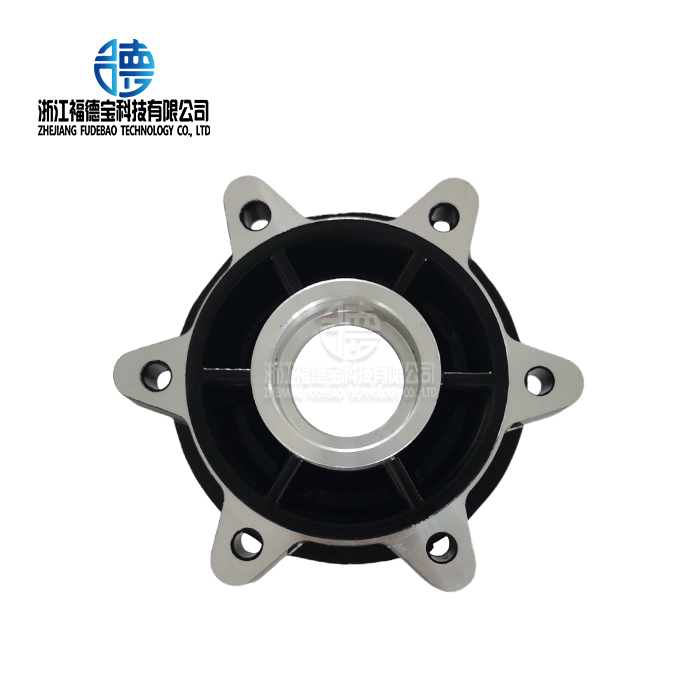
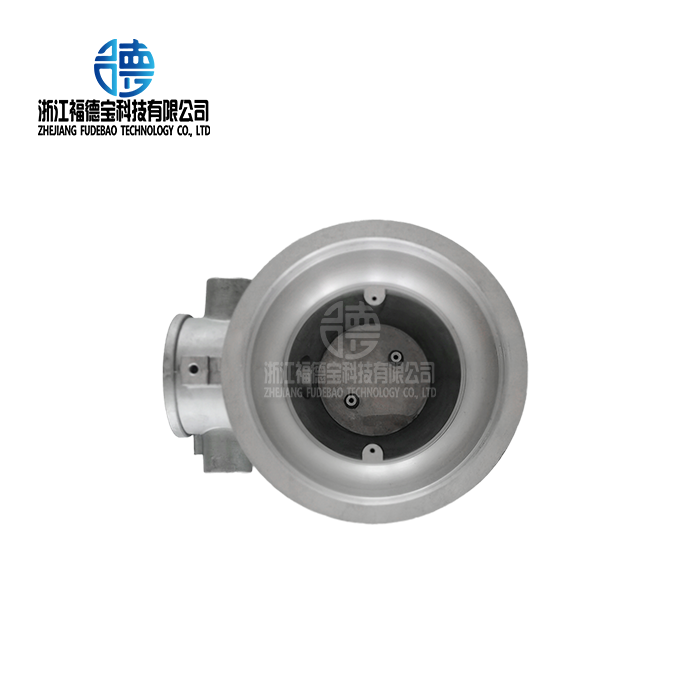
When aerospace and automobile OEMs need parts that are both strong and light, low pressure casting is the precision manufacturing method that can offer uniform quality on a large scale. This counter-gravity aluminum casting method uses controlled air pressure—usually between 0.2 and 1.0 bar—to fill permanent molds with liquid metal. This makes dense, heat-treatable parts that are stronger and more accurate in size and shape than gravity-cast options. Unlike high-pressure die casting, which traps gas and doesn't allow further heat treatment, this method makes parts that can go through T6 strengthening cycles. This makes it essential for safety-critical uses in car suspension systems, electric motor housings, and aircraft structural elements.
Understanding Low Pressure Casting: Principles and Process
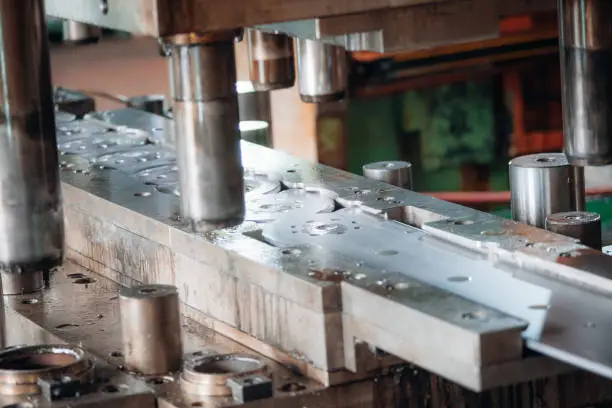
A vertical riser tube connects a pressurized holding furnace directly to a fixed mold hole. This is the main idea behind this aluminum casting method. As the controlled air pressure inside the sealed furnace room slowly rises, molten aluminum rises through the tube and fills the mold hole from below, going up against gravity. This laminar flow pattern gets rid of the turbulent flow that happens with regular gravity pouring. In that case, metal splashes and folds form oxide particles that weaken the structure.
How the Counter-Gravity Filling Method Works
The building of pressure follows a precise curve that is set into PLC-controlled systems. This keeps the metal moving at a speed of about 0.5 meters per second at the gate entry—fast enough to keep it from solidifying too quickly but slow enough to keep air out. The holding pressure stays in place while the aluminum solidifies, letting liquid aluminum from the container keep filling the shrinking holes that form naturally as the casting cools. When the part is fully solidified, the pressure is released, and the metal that was not used in the feed tube flows back into the oven for the next turn. In this closed-loop method, material yields are higher than 90%. In sand casting, where big risers are thrown away, material yields are only 50 to 60%.
Optimal Aluminum Alloys for High-Performance Applications
The most common use for aluminum alloys in aircraft and cars is A356, which is easy to make, strong after heat treatment, and resistant to corrosion. This metal has a silicon content of about 7% and a magnesium content of 0.3-0.45%. After being treated with T6, it has tensile strengths above 280 MPa and stretch values of 5–8%, which are enough for chassis parts that are loaded and unloaded millions of times. A319 metal is used for cylinder heads and electric motor housings that need better heat conductivity while still having good mechanical qualities. To keep the ductility of luxury castings, the iron percentage must stay below 0.15%. Adding strontium to the eutectic silicon structure makes it stronger against impact.
Mold Design Considerations for Complex Geometries
Permanent models for low pressure casting are usually made of H13 tool steel and should last between 30,000 and 50,000 production rounds if they are kept in good shape. Most of the time, the wall thickness is between 2.5 mm and 3.0 mm, which is smaller than sand casting but not as thin as die casting, which requires a minimum thickness of 1.5 mm. The moderate pressure levels allow resin-bonded sand cores to be added to make complex interior pathways for coolant flow in EV battery housings or oil galleries in transmission parts. When mold makers place gates at the thickest parts to make sure that solidification moves in a certain way toward the feed tube and reduces the risk of porosity, they have to think about how the mold will expand when it heats up.
Advantages of Low Pressure Casting for Automotive and Aerospace Applications
The advantages of controlled, pressure filling in metalworking directly translate into performance advantages that engineering managers looking for parts for tough uses care about. Since there is no commotion when the mold is filled, an oxide film does not form, which stops cracks from starting when the load is applied repeatedly. As per ASTM E155 standards, testing always shows porosity levels that are within the acceptable range for structural parts. Radiographic examination shows clean interior structures that don't have the shrinkage holes that are common in gravity-cast options.
Mechanical Strength and Dimensional Precision
When this method is used to make parts, they usually get ISO 8062 tolerance grades CT6 to CT7, which means that important features have measurements that are within ±0.3mm. This level of accuracy cuts down on the number of times they need to be machined later. Surface finishes usually have a roughness of Ra 3.2 to 6.3 micrometers, which makes them good for places where looks are important, like on visible frame parts or smooth wheel faces. Controlled cooling under pressure creates a fine, thick grain structure that makes both yield strength and stretch better than with traditional casting methods. Coupon bars that are cut straight from production castings show consistent mechanical properties. This means that you can be sure that every part will work as planned instead of depending on test samples that were cast separately and may not show the real quality of the part.
Energy Efficiency and Environmental Sustainability
When it comes to operations, this casting method uses less energy per kilogram of finished product than die casting, which needs strong holding forces and fast filling systems. Because used metal can be recycled from the feed tube back into the holding furnace, the costs of remelting that come with runner systems and steps that are too big are eliminated. Aluminum can be recycled naturally, which fits with the environmental goals of automakers, and the process produces fewer pollutants than furnace-based sand casting foundries. Modern machines have automatic ladling systems and robotic part extraction, which protect workers from heat and fumes and make cycle times more consistent.
Automation and Quality Control Integration
Leading equipment makers like Buhler and Italpresse make fully integrated casting cells with robotic systems that do the coating of the mold, the introduction of the core, the filling cycle, and the removal of the part without any help from a person. PID-controlled pressure regulation makes sure that every casting gets the same filling conditions, which gets rid of the differences that come with processes that depend on the user. Monitoring the temperature, metal level, and pressure graphs in the furnace in real time lets you find process drift right away, before problems happen. This level of automation meets the high-volume production needs of tier-one car suppliers, which make tens of thousands of identical parts every month while keeping statistical process control measures that meet the standards for PPAP paperwork.
Low Pressure Casting vs Alternative Casting Methods: Making the Right Choice
Purchasing managers and original equipment manufacturer (OEM) engineers have to choose which casting technology will best meet the needs of their unique parts, while also taking into account cost and performance standards. Knowing the trade-offs between the different ways helps you avoid making expensive changes in the middle of a program when the choices you made at the start don't work out.
Performance Comparison Across Casting Technologies
When making fast-turnaround consumer goods with thin walls, high-pressure die casting works best. However, the rough filling process traps gas bubbles that cause blistering when heat treatment is attempted. Gravity casting has simple tools and lower initial costs, but the mechanical qualities are limited by oxide particles and coarse grain structures. One-of-a-kind samples and very large parts can be made cheaply with sand casting, but tight limits on dimensions mean that a lot of work needs to be done on the surface. Low-pressure aluminum casting's controlled filling is perfect for making a lot of structure parts that need to be able to be heated and fit together tightly, without the mechanical problems that come with die casting.
Decision Criteria for Component Selection
Control arms and steering knuckles are safety-critical suspension parts that need the internal strength and flexibility that can only be safely provided by low pressure casting. The process can include complicated sand cores that make internal cooling channels in motor housings for electric vehicles while still keeping the pressure-tight integrity for liquid cooling systems. When it comes to high-volume use, alloy wheels are the best choice because they offer a lot of design freedom, are resistant to impact, and keep air out. This makes up for the slightly higher cost per piece compared to gravity casting. People who work in aerospace that need full tracking and X-ray inspection records like how consistent and error-free the process is.
Real-World Application Case Studies
A big North American automaker switched its front suspension knuckle from being made of machined steel to low-pressure cast aluminum. This made it 40% lighter while still meeting crash performance standards. The casting's as-cast surface finish got rid of the need for extra cutting on non-critical sides, and the T6 heat treatment made the yield strength higher than the original forged part. A company that makes helicopter gearbox housings chose this method because it can cast-in threaded inserts and keep the flatness of mating surfaces within 0.1 mm across 300 mm spans. This level of accuracy can't be achieved with sand casting without a lot of post-machining. These cases from real life show how matching the skills of a process to the needs of an application can lead to both better performance and lower costs.
Quality Control and Common Defects in Low Pressure Casting Aluminium
To keep the quality of safety-critical parts uniform, you need systematic inspection methods that take into account the different ways that aluminum casting processes can fail. Knowing how common defects happen lets you make changes to the process before they happen, instead of sorting finished parts after they are made.
Identifying and Preventing Casting Defects
Porosity is still the main issue, showing up as either scattered microporosity from hydrogen gas that has been dissolved or localized shrinkage holes where the solidification process did not provide enough food. Radiographic testing according to ASTM E155 standards shows these internal cracks. The acceptance criteria set the largest flaw sizes and locations based on the stress levels in the component. When two metal fronts meet without properly fusing, this is called a cold stop. This usually happens because the pouring temperature is too low or the filling rate is too slow. Inclusions, which are usually oxide sheets or refractory particles, show up as bright spots on X-rays and cause wear cracks by concentrating stress.
Advanced Inspection Techniques and Standards
Ultrasonic testing goes beyond regular x-rays because it can check thick sections volumetrically where X-rays might not be sensitive enough. This is especially helpful for aerospace parts that need 100% inspection paperwork. Leak testing makes sure that parts like valves, pump housings, and wheel rims are pressure-tight. It does this by putting parts under air pressure and watching for decay rates that show where holes are appearing. Chemical spectral analysis checks the makeup of the alloy every time it is heated. It makes sure that the amounts of silicon, magnesium, and iron are within the acceptable ranges that guarantee repeatable mechanical qualities. Tensile strength, yield strength, and elongation values are checked against customer specs by destructively testing sample castings from each production lot. Test coupons are made from real castings instead of separately cast bars that might not show the true quality of the part.
Equipment Selection for Consistent Quality
High-performance casting machines from companies like UBE and Idra have features that are designed to keep defects to a minimum in low pressure casting. For example, the melt surface is blanketed with inert gas to stop hydrogen from picking up, and servo-controlled pressure regulators keep the filling velocity within tight limits. GPS devices allow for real-time tracking and data logging, which is what aerospace customers need for accurate records. Our facility at Zhejiang Fudebao Technology combines these cutting-edge technologies with skilled metallurgical knowledge. We run dedicated casting cells that have automated temperature control and pressure profiling that keep process parameters within statistical control limits batch after batch.
Procuring Low Pressure Casting Solutions: Equipment and Service Providers
When making buying choices, it's important to weigh technical capabilities against business concerns. This is because the lowest price isn't always the best deal when quality problems and delivery delays are taken into account.
Evaluating Casting Equipment Manufacturers
The Evolution series casting machines from Buhler are the most popular in Europe for making cars. They come in a variety of modular configurations that can handle both vertical and horizontal mold positions and shot weights ranging from 5 kg to 50 kg. Italpresse systems have their own pressure control methods that make up for changes in melt level during production shifts. This way, fill times stay the same without any help from an operator. Chinese manufacturers from Zhengzhou offer cheaper options with more advanced technology. However, procurement teams should check actual installed base references and spare parts availability before committing to platforms that don't have established service networks in North America.
Selecting Casting Service Providers vs In-House Production
Tier-one car suppliers that make more than 100,000 parts a year can often support having specialized casting cells in their own buildings. This way, they can keep direct control of the process and get rid of supply chain variables. Working with specialized casting suppliers that have a deep understanding of metals and quality systems that are certified to IATF 16949 car standards is good for mid-volume projects and younger EV companies. The strategic choice depends on how stable the program volume is, how much cash is available, and whether the company has the technical means to handle the complicated metallurgy of casting processes.
Zhejiang Fudebao Technology is a great partner for North American OEMs and tier-one suppliers that need solid metal casting capacity but don't want to invest in their own foundries. Our combined center takes parts from molten metal to finished CNC machining all in one place. This cuts down on the problems that come with transportation and quality handoffs. When companies buy high-speed machining centers and multi-axis CNC lathes, the final parts they make meet standards of ±0.05mm. These parts are used in a wide range of situations, from medical device housings to precision parts for cars.
Cost Considerations and ROI Analysis
When making investment choices, the total cost of the project must be taken into account, not just individual piece prices. To find out what the real program economics are, you have to add up the costs of tools, secondary cutting, scrap rates, and transportation to the cost of casting each piece. During the quotation process, suppliers who offer design-for-manufacturing advice often find geometry improvements that cut down on machining time or get rid of unnecessary secondary operations. These saves more than make up for any increase in the price of the casting. Lead time dependability and the ability to adapt to changes in engineering are important for projects with tight development schedules where delays in tools affect start dates.
Conclusion
Because low pressure casting is accurate and reliable, it is the best way to make parts for cars and planes that can't be compromised on safety, speed, or stability. This process gives the metal the stability it needs to be heat-treated while keeping the dimensions accurate, which lowers the cost of further cutting. As the need for lightweight thermal management parts grows for electric cars and as aerospace projects need more and more detailed quality paperwork, this casting method's controlled filling and feeding makes it the perfect fit for changing industry needs. Partnering with experienced sources who have both cutting-edge tools and a deep understanding of the process makes sure that programs start up smoothly and can be expanded without any problems.
FAQ
Why is low pressure casting ideal for aerospace components?
The method creates microstructures with very few holes, which are necessary for parts that need to go through nondestructive tests to meet aerospace standards. Being able to fully heat-treat casts increases their strength-to-weight ratios, and closed-loop pressure control makes the process repeatable, which is needed for approved production. Documentation needs to be able to fully track everything from the science of the raw materials to the final review.
How does this method enhance automotive structural integrity?
Controlled filling gets rid of oxide bands that can cause cracks to form when the structure is loaded over time. Pressure feeding during solidification stops internal shrinkage holes, and the T6 heat treatment feature lets designers set higher design pressures than are possible with the qualities as-cast. The end result is parts that are lighter and still meet standards for crash performance after millions of load cycles.
What are typical lead times for casting projects?
Making tools takes 8 to 12 weeks, based on how complicated the mold is and what the core needs. Sample approval and PPAP paperwork take an extra three to four weeks. As process factors stabilize, production ramps up to full rate over the course of two to three weeks. With premium tooling shops and faster sample methods, rush programs can shorten deadlines.
Partner with Fudebao Technology for Precision Aluminum Casting Solutions
Zhejiang Fudebao Technology is a leading aluminum foundry that provides users in the car and aircraft industries around the world with combined casting and machining services. Our advanced CNC machine tools and specialized skills in counter-gravity aluminum casting allow us to offer full component solutions, from molten metal to finished part. We keep the ±0.05mm tolerances and strict PPAP paperwork that your programs require by using specialized casting machines, high-speed machining tools, and full inspection systems. Our technical team works closely with your engineering staff to make sure that designs are optimized for production while still meeting your performance requirements. This is true whether you need EV motor housings, frame components, or flight-critical aerospace parts. Get in touch with our low-pressure casting supplier team at hank.shen@fdbcasting.com to talk about the parts you need and find out how our combined skills can make your supply chain simpler while keeping quality high.
References
Campbell, J. (2015). Complete Casting Handbook: Metal Casting Processes, Metallurgy, Techniques and Design. Butterworth-Heinemann, Oxford.
American Foundry Society. (2018). Aluminum Casting Technology. AFS Publications, Schaumburg, Illinois.
Kaufman, J.G. & Rooy, E.L. (2004). Aluminum Alloy Castings: Properties, Processes, and Applications. ASM International, Materials Park, Ohio.
SAE International. (2020). Aerospace Casting Quality Standards. SAE Technical Paper Series, Warrendale, Pennsylvania.
Bonollo, F., Urban, J., Bonatto, B., & Botter, M. (2005). Gravity and Low Pressure Die Casting of Aluminium Alloys: A Technical and Economical Benchmark. La Metallurgia Italiana, Milan.
NADCA (North American Die Casting Association). (2019). Product Specification Standards for Die Castings Produced by Semi-Solid and Squeeze Casting Processes. NADCA Publications, Arlington Heights, Illinois.



YOU MAY LIKE
_1756361423150.webp "Cryopump body")
_1756352400994.webp "chassis enclosure")
_1756348356531.webp "Automobile engine oil pan")