
What Quality Standards Apply to Aerospace Aluminium Castings?
2026-06-18
Failure is not a choice when it comes to aerospace aluminum castings, which is one of the most difficult uses of modern production. These parts have to meet very high quality standards because they have a direct effect on the safety of the flight, the strength of the structure, and the long-term performance. Aluminum die casting, which uses high-pressure injection methods to produce near-net-shape components with exceptional physical accuracy, plays a crucial role in the production of these parts. The process meets the most important needs of aerospace: lowering weight without lowering strength; creating complicated shapes that cut down on assembly steps; and being able to make a lot of things with uniform tolerances measured in microns instead of millimeters.
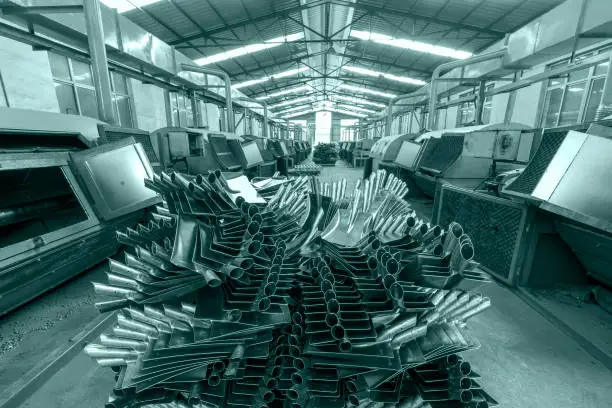
Understanding Aerospace Aluminium Die Casting Quality Standards
There are many standards that overlap in the aircraft business. These standards are meant to make sure safety and dependability at every stage of production. Knowing these standards is what sets qualified sellers apart from those who are just saying they can do aerospace work.
AMS Specifications: The Material Foundation
SAE International's Aerospace Material Specifications (AMS) spell out the exact chemical make-up and mechanical qualities of aluminum alloys that are used in casting. AMS 4084 talks about different types of aluminum alloy sand castings, and AMS 4777 spells out detailed rules for investment castings. These measurements tell you not only what the end product will look like, but also how it will melt, pour, and solidify. Following AMS standards means giving aerospace clients full material tracking back to the original aluminum ingot. This includes heat lot numbers and mill test records. This paper record is very important during audits and lets people act quickly if problems happen in the field.
ASTM Standards and Mechanical Testing
There are also guidelines from the American Society for Testing and Materials (ASTM) that say how casts should be tested. ASTM B26 talks about sand casts of aluminum alloys and gives standards for tensile strength, yield strength, and elongation. The real tensile testing process is governed by ASTM E8, which makes sure that all laboratories follow the same rules. These standards are important because aircraft parts often have to work in harsh conditions, such as temperatures below zero at flying altitude or very high temperatures close to engines. Our testing methods exactly follow ASTM guidelines. We use measured tools and written instructions that can be used again and again and checked by outside testers.
ISO 9001 and Aerospace Quality Management
The basic quality management system is ISO 9001 certification, but most aerospace companies follow AS9100, which adds to ISO 9001 with standards that are unique to aerospace. This standard puts a lot of emphasis on configuration management, risk assessment throughout the lifetime of a product, and stopping the production of fake parts. It needs written instructions for every step of the process, from inspecting the materials that come in to the final packing. The value is in being able to plan ahead. When you buy from an AS9100-certified plant, you can be sure that the processes will stay the same over long production runs that last months or years.
Nadcap Accreditation: The Gold Standard
The National Aerospace and Defense Contractors Accreditation Program (Nadcap) may be the strictest way for suppliers to get approved in aluminum die casting in the business. Nadcap certifications are more detailed than ISO certifications, which cover general quality systems. For example, Nadcap certifications focus on heat treatment, non-destructive tests, and surface treatments. Experts in the field do audits that look at data on process validation, user training records, and equipment testing. Getting Nadcap accreditation shows that a center doesn't just meet the bare minimum, but also works at a level of best practice that is known around the world. This is especially helpful for prime contractors, who can accept Nadcap approval instead of doing their own source checks. This shortens the time it takes to get qualified.
Regulatory Compliance: FAA and EASA Requirements
In addition to meeting industry standards, aircraft castings must also meet the rules set by flight officials. The European Union's Aviation Safety Agency (EASA) and the United States' Federal Aviation Administration (FAA) set rules for airworthiness that are passed down through the supply chain. Manufacturers must keep their Production Approval authorizations, which require strict quality control systems, design checks, and ongoing oversight. Even though casting suppliers might not have these approvals directly, we must act in a way that helps our customers follow the rules by giving them documentation packages that pass regulatory review during certification checks.
The Aluminium Die Casting Process in Aerospace Applications
Quality in aerospace is more than just meeting standards; it takes mastery of the process at every stage of output.
High-Pressure Die Casting Techniques
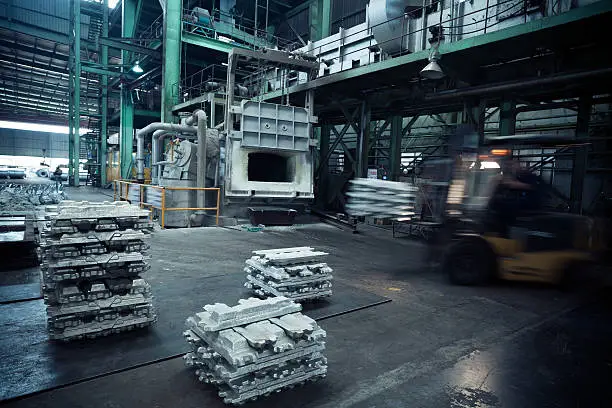
High-pressure die casting (HPDC) uses pressures of 10,000 psi or more to push liquid aluminum into steel forms. This fast filling and solidification makes fine grain structures that improve the mechanical properties compared to casting methods that take longer. The short process cycle (seconds instead of minutes) makes it possible to make a lot of things while keeping the standards very tight. Our aluminum die casting tools have real-time tracking systems that keep an eye on the metal temperature, injection pressure, and cycle time. If anything goes wrong, these systems automatically send out a warning before any bad parts are made. With this level of process control, casting goes from being an art to a science that can be repeated and is useful in aircraft.
Precision Mold Design and Engineering
Creating the die is a big engineering project that can take months of planning and building. Aerospace molds have features that control the flow of metal to reduce turbulence, vents that are placed in strategic places to let air out before it gets trapped as porosity, and cooling lines that are placed exactly to control the rate of solidification. When we create the mold, we use modeling software to guess how the molten aluminum will fill the space. This helps us find places where the steel might be flawed before we cut it. This digital validation cuts down on iteration cycles and speeds up time-to-production, which is especially helpful when supporting the start of new aircraft platforms with short development plans.
Defect Prevention and Control
Porosity, cold shuts, inclusions, and dimensional variation are all common casting flaws that put aircraft parts at unacceptable risk. Porosity makes stress concentration places that can start fatigue cracks when the load is applied and removed over and over again. When two metal flow fronts meet without properly joining, this is called a cold shut. It makes weak planes that are easy to separate. Our plan to stop defects starts with using approved metals and degassing steps to get rid of hydrogen before pouring the aluminum. Managing the mold's temperature makes sure that the die stays in the right temperature range during production. Statistical process control charts keep track of measures of dimensions from every production run. When trends show that there might be drift, the process is changed so that parts don't fall short of the requirements.
Heat Treatment and Surface Enhancement
Without processing after casting, raw casts rarely meet the final property standards. Solution heat treatment and artificial aging (T6 temper) can make tensile strength 40% or higher than it is when the material is just cast. The heat treatment turns the alloying elements into a solid solution, and then they settle to the bottom as tiny bits that stop dislocations from moving. This makes the aluminum matrix stronger. Surface treatments make things work even better. Conversion coats make it easier for paint to stick and protect against rust. Anodizing makes an oxide layer that is thick and hard. This layer is resistant to wear and weather damage. Each treatment needs its own quality checks and process controls, which are written down in detailed work travelers that are sent with parts during production.
Comparison of Aluminum Die Casting Quality to Other Methods in Aerospace
Choosing the right manufacturing method has a big effect on the performance, cost, and wait time of a component. Understanding trade-offs helps you make smart choices about what to buy that are in line with the needs of the program.
When compared to sand casting or fixed mold methods, aluminum die casting provides more consistent dimensions. Aluminum die castings usually only need 0.5 to 1 mm of stock removed, which cuts down on cutting time and material waste. Sand castings may need 3-5 mm of stock removed. The great surface finish—usually 1-2 microns Ra as-cast—means that extra finishing isn't always needed for non-critical areas. These exact shapes are made possible by hard steel dies and high drilling pressures that shape metal into small details. Aluminum die casting, on the other hand, needs a big investment in tools up front, so it's only really cost-effective for making more than a few thousand pieces a year.
Sand casting and investment casting are still useful for making big parts or shapes that are very complicated and would need very expensive dies. It's hard to make internal openings and undercuts with aluminum die casting, but sand models can do them. The surface finish of investment casting is very good, and it can handle higher-melting metals, but each piece costs a lot more. Sand and solid mold methods are often only useful for making low-stress parts because they are porous. To fill in the gaps between the holes, expensive impregnation treatments are needed.
Magnesium die casting and zinc die casting can save even more weight or produce more accurate measurements, but aluminum is better for most aircraft structural uses because it has a better mix of properties. Because magnesium and zinc are more likely to catch fire and have lower strength-to-weight ratios, they can only be used in certain aircraft parts. Forgings made of steel are the strongest, but they are three times as heavy as aluminum ones, so they should only be used when aluminum isn't strong enough.
Procurement Considerations for Aerospace Aluminium Die Castings
To choose the best production partner, you need to look at more than just unit price. You also need to look at the total value provided over the lifecycle of the component.
Supplier Qualification and Certification Verification
As a first step in your due research, you should ask for up-to-date licenses and audit reports. Make sure that the AMS approvals cover the metals that your design needs. For example, a provider that is approved for A380 cannot immediately claim to be qualified for 7075 without going through a separate process. Check the Nadcap licenses to make sure they cover the right process areas, like heat treatment if your parts need to be T6 tempered. Ask for customer references from aerospace applications that are similar to yours. Then, call those references and ask about their on-time delivery rates, quality escape rates, and how quickly they can respond to changes in engineering. We make sure that everyone can see our quality paperwork because trust comes from proof, not promises.
Cost Drivers and Economic Considerations
The most expensive part of making something is the tooling. For complicated aircraft dies that need high-quality tool steels and longer lead times for production and validation, this can add up to a big investment. This spreads out over the number of units made, so the per-piece tooling input is almost nothing for amounts above 10,000 units but very important for prototypes or low-rate initial production. Aluminum prices affect the cost of materials, but aerospace-grade alloys with narrow chemistry windows and full tracking are more expensive than market material. Processing costs depend on how complicated the processes are. Parts that need to be heated, machined multiple times, and given special surface treatments naturally cost more than parts that are easier to work with.
Knowing about these factors helps people have useful conversations about costs. Instead of just asking for lower prices, collaborative talks look at changes to the design that make it simpler or commitments to buy a lot of tools that support the costs. Our estimating team gives you thorough cost breakdowns that show you ways to save money that are in line with the goals of your program.
Lead Time Planning and Program Integration
Aerospace projects have long timelines where delays affect other activities that depend on them. From acceptance of the design to production of the first item, initial tooling manufacturing usually takes 12 to 16 weeks. For complex dies, this time frame could be longer. When an order is placed for established tooling, the production wait time is usually between 6 and 8 weeks, given that the materials are available and the capacity is allocated. Rush programs can shorten these schedules for a higher cost, but aircraft quality standards limit how much speeding up is possible without lowering the level of quality assurance.
Smart procurement involves sellers early on in the planning process, taking their input into account before the final models are made. This collaborative work up front finds possible problems while design changes are still cheap, so changes that cost a lot after the tooling is finished are avoided. We encourage customers to share program roadmaps with us so that we can hold capacity during times of high demand. This way, we can make sure that your delivery needs are met even when the market is doing well.
Ensuring Quality Assurance and Avoiding Common Defects
It is much cheaper to avoid flaws than to find them and throw them away after production. Strong process controls and validation are important parts of aerospace quality systems for preventing problems.
Common Casting Defects and Detection Methods
Porosity is a common defect in aluminum die casting and shows up as tiny holes in the casting. These holes are caused by trapped gas or shrinking as the casting hardens. Gas porosity happens when hydrogen is absorbed by liquid aluminum or when there aren't enough vents, letting air get trapped. Shrinkage porosity happens when parts harden without enough feed metal to make up for the loss of volume during cooling. Small pores that aren't connected to each other might not affect the soundness of a part, but large or grouped pores cause stress concentrations that spread fatigue cracks. We use X-ray radiography to find internal porosity without damaging the material. The size and location of the holes in relation to key load lines help us decide whether to accept or reject the material.
Cold shuts show up as seams where two metal flow fronts met but didn't fuse. This is usually because of not enough injection pressure or metal cooling too quickly during die filling. These laminar flaws behave like cracks that were already there, greatly lowering the mechanical properties even if they don't look like much. Dye penetrant inspection shows surface-breaking discontinuities by drawing colored dye into cracks through capillary action and then developing the images on a different background to make the signs stand out. This easy and cheap method finds cold shuts and other surface flaws that an eye check might miss.
Differences in dimensions can make it hard to use interchangeable parts in building and stop parts from fitting together properly. Some of the reasons for this are die wear, differences in temperature expansion, or wrong process settings. Coordinate measuring machine (CMM) inspection precisely checks important features in three dimensions and creates thorough reports that show compliance with print limits. Statistical study of CMM data keeps an eye on process capability measures to make sure that production stays within the limits of the specifications with enough room for error.
Precision Mold Engineering for Defect Prevention
Mold design has a big effect on the quality of the casting because it changes how the metal flows, how the temperatures rise and fall, and how it solidifies. The fill velocity is determined by the location and size of the gates. If the speed is too slow, the water freezes too early and the cold shuts off, and if it's too fast, it causes turbulence that traps gas bubbles. Simulation software models these fluid dynamics, which lets the design be improved over and over again before committing to making the steel. The opening technique lets air get out ahead of the moving metal front, which keeps it from getting trapped and turning into porosity. Overflows that are placed in the right places catch the first metal that goes into the die along with any oxides or cold metal that are entrained. This keeps the part cavity from getting contaminated.
The arrangement of the cooling channels controls the thermal landscape that determines the solidification process. By gradually solidifying from the edges toward the feed gates, feeding can make up for shrinking and keep voids from forming. Localized chill inserts speed up cooling in thick parts that might shrink otherwise after the thin walls around them harden, keeping those parts separate from the feed metal. Thermal modeling can predict how temperatures will change during the solidification cycle, proving that what was intended by the designer actually happens.
Die materials and finishes affect the quality of the casting surface and make tools last longer. When premium H13 steel is heated to the right toughness, it has the wear resistance needed for hundreds of thousands of cycles. Nitriding processes on the surface improve the resistance to wear and the release qualities even more. Cleaning, sanding, and re-coating the dies on a regular basis helps keep the quality of the parts stable throughout the production life. This stops the quality from slowly declining, which might not be noticed until the parts get close to the rejection limits.
Conclusion
When it comes to aerospace aluminum die casting, quality standards that keep people safe and help missions succeed must always be met. AMS specs, ASTM testing methods, ISO quality systems, and Nadcap accreditation work together to make sure that parts meet performance standards for the whole time they are in use. To be great at manufacturing, you need to know how to do high-pressure die casting, precise mold building, and strict methods for preventing defects. The best way for procurement workers to help their programs is to look at providers as a whole. This means checking certifications, figuring out what processes they can do, and building relationships with them that go beyond simple purchases and turn into strategic partnerships that support aerospace innovation.
FAQ
What certifications should aerospace aluminum die casting suppliers maintain?
AMS approvals for the aluminum alloys they work with are added to the AS9100 quality management certification that reliable aerospace casting providers already have. Nadcap approval for the right special processes, like heat treatment and non-destructive testing, shows that the controls are set up in the best way possible and have been checked by thorough industry audits. If you ask, suppliers should give you up-to-date certificates with expiry dates that are easy to see.
How does heat treatment improve aluminum casting properties for aerospace use?
Solution heat treatment followed by artificial aging (T6 temper) makes the metal much stronger by melting alloying elements at high temperatures and then forming them as fine stiffening particles during controlled aging. This process can make the tensile strength 40–50% higher than when the material is just made, and it can also make the dimensions more stable when the temperature changes. To do a proper heat treatment, you need to keep accurate records of the temperature, time, and quench rates, as well as use instruments that have been measured.
What typical lead times apply to custom aerospace aluminum die castings?
Production lead times change based on the stage of the job. From engineering approval to first item review, making the initial tooling takes 12 to 16 weeks. If the geometry is complicated, this time frame could be longer. Once the equipment is approved, production runs usually take between 6 and 8 weeks from the time the order is placed until it is delivered, as long as the materials are available and the capacity is met. Getting suppliers involved early in the planning process speeds up the whole program by answering questions about how to make the parts before committing to tools.
Partner with Fudebao Technology for Certified Aerospace Aluminium Die Casting Solutions
Zhejiang Fudebao Technology Co., Ltd. has years of experience making precise parts for use in aircraft, industrial equipment, and cars around the world. Our factory has high-speed CNC machining centers, modern aluminum die casting machines, and low-pressure casting tools that support the whole production flow, from melting to finishing. It also has full quality management systems in place. Tolerances are kept to ±0.05mm, which meets the high standards needed for aircraft parts. As a company that makes aluminum die castings for international aircraft providers, we offer full material tracking, thorough inspection documents, and quick technical support for the whole duration of your program. Email our tech team at hank.shen@fdbcasting.com to talk about how our services fit with the quality and component needs you have.
References
Aerospace Material Specifications (AMS) 4084: Aluminum Alloy Sand Castings, SAE International, 2019.
ASTM B26/B26M-18: Standard Specification for Aluminum-Alloy Sand Castings, ASTM International, 2018.
AS9100D: Quality Management Systems—Requirements for Aviation, Space, and Defense Organizations, SAE International, 2016.
Nadcap Audit Criteria for Non-Destructive Testing Facility Surveys, Performance Review Institute, 2021.
Federal Aviation Administration Advisory Circular AC 21-7A: Continued Airworthiness Requirements for Aircraft Materials and Parts, 2009.
Kaufman, J.G. and Rooy, E.L.: Aluminum Alloy Castings: Properties, Processes, and Applications, ASM International, 2004.



_1756347888208.webp "New energy motor shell")
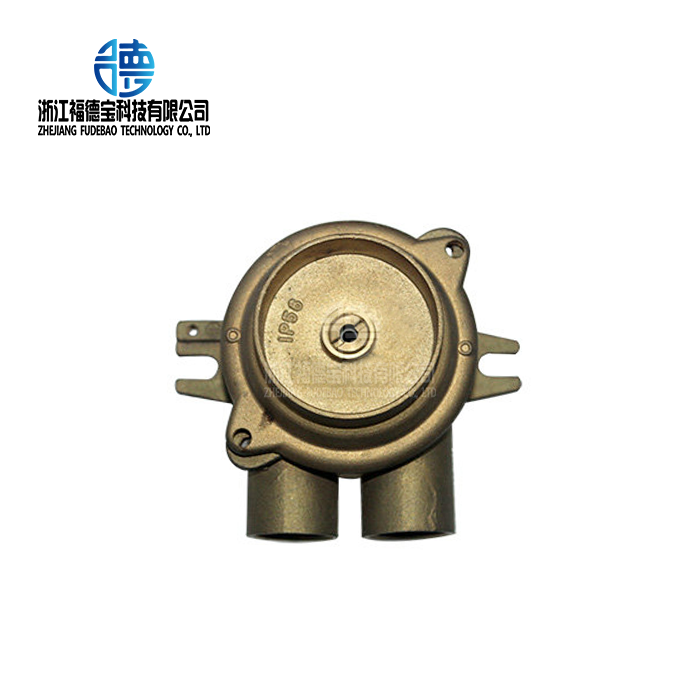
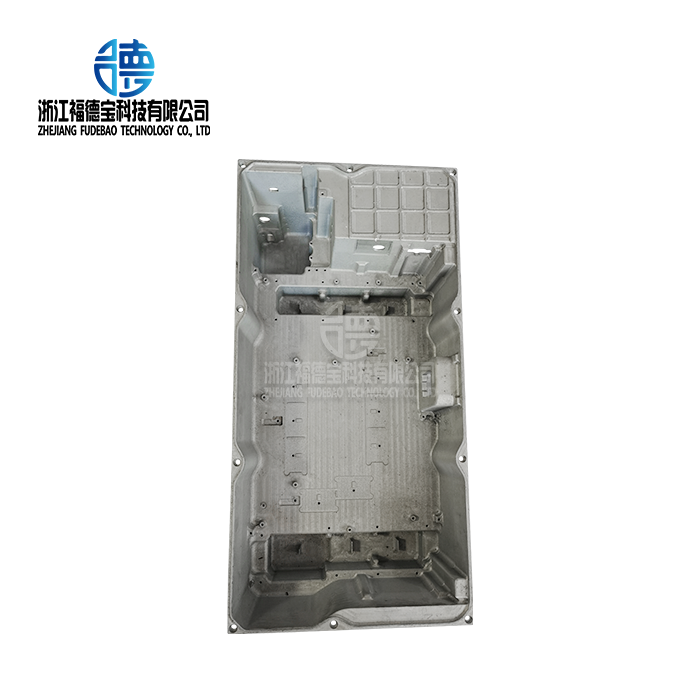
_1756352561845.webp "stainless steel blanking plug")
_1756349146076.webp "Lawn mower case casting")