How to Prevent Shrinkage Defects in Copper Casting
2026-06-01
Preventing shrinkage defects in copper casting starts with understanding volumetric contraction during solidification. Effective mitigation requires optimized mold design incorporating properly sized risers and feeders, controlled pouring temperatures between 1150-1250°C depending on alloy composition, and directional solidification through strategic chill placement. Collaboration with experienced copper casting manufacturers who implement rigorous process controls, utilize degassing techniques with nitrogen or argon, and employ non-destructive testing ensures dimensional accuracy and structural integrity. These combined approaches minimize porosity, reduce scrap rates, and deliver components meeting automotive, industrial machinery, and electrical sector specifications.
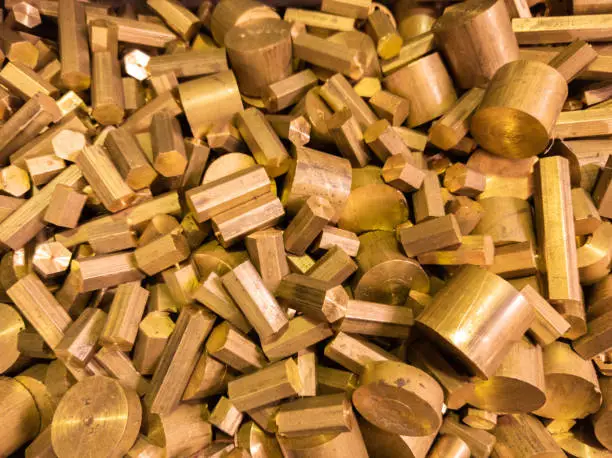
Understanding Shrinkage Defects in Copper Casting
What Are Shrinkage Defects and Why Do They Matter?
Copper casting solidifies, shrinking volume and causing holes or rough surfaces. Depending on their composition, molten copper alloys increase in density by 4–6%. Unless enough liquid metal flows into hardening regions, empty voids remain.
Shrinkage porosity, pipework, and internal gaps in component walls are frequent problems. Finding depressions on the surface with the naked eye and employing sophisticated non-destructive testing tools like x-rays and ultrasound to locate cracks inside the material are detection approaches.
The Business Impact on Procurement and Quality
These defects weaken cast pieces and roughen their surfaces, increasing failure rates to 15-20% in uncontrolled operations. Our planned process adjustments have reduced rejection rates from 18% to around 3%, saving clients money on materials and labor.
Rework and scrapping due to shrinkage faults increase manufacturing timelines and expenses. Customer trust and supplier relationships suffer. Holes in electrical component housings impair conductivity, while internal gaps in industrial pump bodies lower pressure integrity, causing costs beyond replacement. They damage procurement workers' relationships with company employees.
Buying teams and engineers may choose quality standards and suppliers wisely when they understand how shrinkage issues impact the production process. This information is important when searching for new copper casting suppliers or verifying current relationships.
Root Causes of Shrinkage Defects in Copper Casting
Metallurgical Factors Influencing Shrinkage
Metal quality and manufacturing conditions create shrinkage defects. Copper's high thermal conductivity affects solids formation by swiftly removing heat. Copper casting shrinks at varying rates; tin bronze shrinks 4.8% and aluminum bronze 5.2%.
The composition of an alloy greatly affects its shrinkage. Highly conductive copper used in electrical infrastructure hardens differently from manganese bronze used in heavy-duty joints. Aluminum, tin, and nickel vary solidification temperatures. This can shorten the freezing ranges, which aids solidification, or widen them, which reduces porosity.
Process Parameters That Create or Prevent Defects
Mold design, locking systems, filling temperature, and metal cooling rate create defects. Small risers are a typical error. Risers must stay molten longer than the casting components they feed to compensate for shrinkage.
Gate design determines metal flow into the mold hole. Gas becomes trapped during chaotic filling, which complicates shrinkage. Gating that smooths flow, decreases turbulence, and pushes solidification toward steps is optimal.
Pouring requires precise temperature calibration. Too high temperatures compress volume and absorb gas, whereas too little superheat solidifies before cold closes. Each copper alloy has an optimum pouring temperature 50–150°C above its liquidus temperature. This range influences metal fluidity and shrinkage.
Mold without adequate air or nourishment can create pores and hot tears that shrink. When procurement and engineering teams understand these core reasons, they may engage with makers to enhance casting procedures to prevent shrinkage. This information is crucial for characterizing electrical, mechanical, and automotive casting demands that match industry standards and operational goals.
Proven Principles and Techniques to Prevent Shrinkage Defects
Optimized Mold and Gating System Design
The mold and gating system must be properly built with shrinkage-adjusted risers and feeds to prevent shrinkage faults in copper casting. Riser design uses modulus; the riser's cooling modulus must be 1.2 times larger than the casting portion it provides to solidify.
Consider feeder location in respect to the biggest portions and heat centers, where shrinkage collects. Before cutting the first mold, we utilized modeling software to determine solidification and set the feeders exactly where we needed them. This prediction approach reduces development rounds by 40% for complex designs like copper alloy valve bodies and aluminum bronze impellers.
Strategic Use of Chills and Controlled Cooling
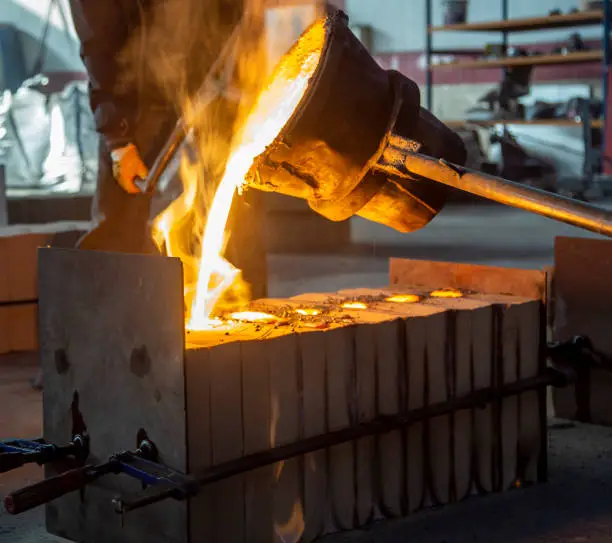
Smart chilling controls solidification, preventing porosity. Metal bits called external chills are placed in the mold walls to speed up chilling and drive solidification toward the risers. Complex copper castings with variable section thicknesses benefit from regulated cooling zones created by internal chillers in mold holes.
Keeping casting temperatures and cooling rates correct helps metal solidify uniformly and reduces holes. The cooling rate should be balanced between quick heat extraction, which enhances grain structure, and moderate cooling, which helps the crop expand. Sand casting cools parts more slowly, whereas investment casting cools them faster and more uniformly, making it ideal for large copper metal parts.
Selecting Appropriate Casting Methods
Finding the right casting method—sand, investment, or die—also influences flaws. Sand casting is effective for internal cores in complex holes and medium to large copper pieces with ±0.8 to 1.5 mm precision. Investment casting is ideal for electrical connections and precise fittings due to its higher quality and 0.3 mm tolerances.
Centrifugal casting strengthens tubular copper bushings and collars. The rotating force pulls heavier metal outside and impurities and gasses within, where they may be machined. This creates strong bearing surfaces. Controlled atmospheres, vacuum assistance, and tailored gating improve precision copper casting, bringing shrinkage rates below 2% in critical applications.
These principles form a foundation we've built upon at Fudebao Technology, where our integrated casting-to-machining expertise allow us to design the best CNC blanks. Production teams and procurement partners may specify and acquire high-quality copper castings with minimal faults to fulfill precise automotive and industrial equipment component requirements with this all-around solution.
Case Studies: Successful Shrinkage Defect Prevention in Copper Casting
Automotive Electrical Housing Component Improvement
Actual examples illustrate how the top copper casting foundries adjust design and technique to greatly reduce shrinkage faults. A tier-1 auto supplier complained about porosity in aluminum bronze electrical housings used in hybrid vehicle power distribution systems. Radiographs indicated interior decreasing porosity, causing 12% rejection.
Our engineers moved the sprue and added a ceramic foam filter to eliminate noise and oxide inclusion in the gating system. By strategically inserting steel chilling, we increased riser modulus by 30% and added directed solidification. Lowering the pouring temperature from 1280°C to 1210°C reduced the freezing range. With these adjustments, the rejection rate reduced to 2.1%, fulfilling customer quality expectations and reducing costly repairs.
Industrial Pump Component Defect Elimination
Another success involved copper-nickel alloy pump impellers for naval applications where shrinking holes affected pressure were another achievement. The original casting process lacked feeding and solidification models. We utilized modeling tools to identify shrinking regions and moved feeds accordingly.
Changes to mold materials with exothermic bands around the steps enhanced feeding time by stabilizing molten metal temperature. Better gate mechanisms encouraged bottom-fill filling, preventing gas stalling. The mold needs to be heated to 180°C to reduce the thermal gradient for optimal cooling. These adjustments reduced scrap rates from 16% to 4%, improving product consistency and delivery reliability.
The Value of Supplier Collaboration
Strategic supplier collaboration emerges as a key success factor across these examples. Engaging casting companies that offer customized solutions and rigorous quality controls drives continuous defect prevention. At Fudebao Technology, we maintain open communication channels with procurement teams, sharing process data and welcoming audits that verify our defect mitigation protocols.
These case studies demonstrate how procurement professionals can leverage partnerships with experienced manufacturers to enhance supply chain resilience and achieve reliable, defect-free copper castings. The combination of technical expertise, advanced equipment including our high-speed machining centers and CNC lathes, and commitment to process optimization creates measurable value for clients across automotive, industrial machinery, and electrical sectors.
Conclusion
Mechanical understanding, strong process control, and long-term supplier partnerships may prevent copper casting shrinkage issues. This comprehensive strategy provides buying and engineering teams immediate ways to enhance quality and decrease costs. Success depends on recognizing that shrinkage avoidance begins at design, continues through rigorous process execution, and extends to selecting manufacturing partners with technical expertise and commitment to improvement. Organizations that embed these principles into their supplier qualification criteria and component specifications will achieve superior casting quality, reduced total cost of ownership, and strengthened competitive positioning across automotive, industrial, and electrical markets.
FAQ
What pouring temperature minimizes shrinkage in copper alloys?
The best pouring temperature for copper casting depends on metal, however it's normally 50–150°C above liquidus. Tin bronze requires 1100–1150°C, while aluminum bronze works at 1180–1230°C. Too much superheat increases shrinking volume and gas absorption, while too little causes molds to be underfilled and chilled.
How can inspection teams identify shrinkage defects reliably?
Surface shrinkage and pipelines are visible, but inner gaps require non-destructive examinations. Radiographic examination reveals internal porosity through density variations on film or digital images. Ultrasonic testing identifies discontinuities through sound wave reflection. Pressure testing verifies component integrity for fluid-handling applications where shrinkage porosity could compromise sealing.
Do certain copper alloys show greater shrinkage tendency?
Alloy composition affects shrinkage propensity. Aluminum bronze exhibits higher contraction rates around 5-5.5% compared to tin bronze at 4.5-5%. High-zinc brasses show increased shrinkage and hot tearing susceptibility. Alloys with narrow freezing ranges like eutectic compositions generally demonstrate lower shrinkage defect rates than those with wide solidification temperature ranges.
Can existing casting processes be modified to reduce shrinkage?
Existing processes benefit substantially from targeted modifications. Adjusting riser size and placement, optimizing pouring temperature, introducing chills for directional solidification, and implementing degassing procedures all reduce shrinkage without requiring complete process redesign. Computer simulation helps identify specific improvements offering maximum defect reduction with minimal investment.
Partner with Fudebao Technology for Defect-Free Copper Casting Solutions
Quality concerns regarding shrinkage faults shouldn't deter copper casting purchases. At Fudebao Technology, we've engineered proven solutions that consistently deliver defect-free components meeting the most demanding specifications. Our efficient production method combines CNC machining and sophisticated low-pressure and sand casting. This ensures ±0.05mm accuracy throughout the process, from molten metal to completed product. We deal with major vehicle OEMs, industrial equipment producers, and electrical sector leaders, so we understand structural stability for your goods. Our metalworking skills include aluminum bronze, tin bronze, and cupronickel alloys, supported by rigorous quality systems and testing. As a reputable copper casting source, we'd delighted to discuss your needs and demonstrate how our defect prevention procedures may improve your supply chain. Contact our tech team at hank.shen@fdbcasting.com to explore customized solutions that eliminate shrinkage concerns and accelerate your project success.
References
American Foundry Society. "Copper Alloy Casting: Process Control and Defect Prevention." AFS Technical Publication, 2021.
Campbell, John. "Complete Casting Handbook: Metal Casting Processes, Metallurgy, Techniques and Design." Butterworth-Heinemann, 2015.
Copper Development Association. "Standards for Copper and Copper Alloy Castings: ASTM B584 and EN 1982 Guidelines." CDA Technical Report, 2020.
International Journal of Metalcasting. "Shrinkage Porosity Formation in Copper-Base Alloys: Mechanisms and Prevention Strategies." Volume 15, Issue 3, 2019.
Stefanescu, Doru M. "Science and Engineering of Casting Solidification." Springer, 2015.
The Institute of Cast Metals Engineers. "Best Practice Guidelines for Non-Ferrous Casting Quality Control." ICME Industry Standards, 2022.



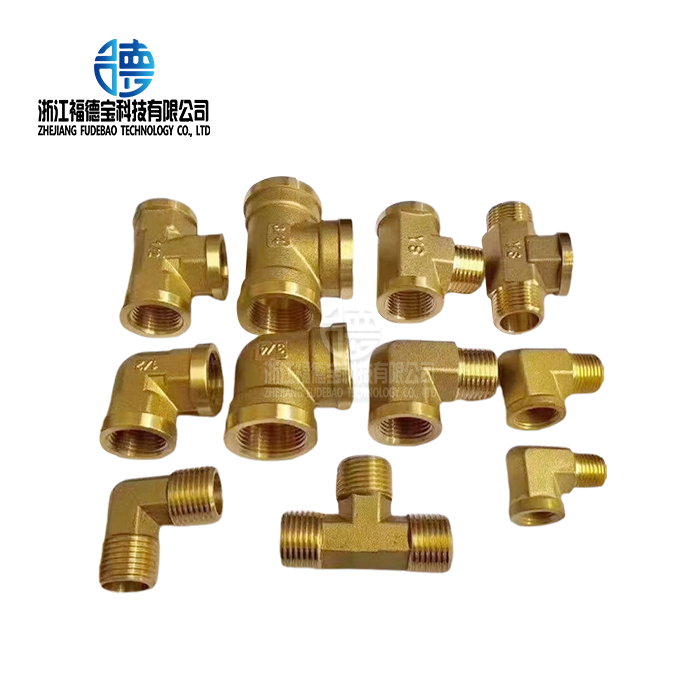
_1756349002499.webp "Aluminum alloy clamp casting")
_1756348623524.webp "Turbine compressor housing")
_1756348227989.webp "Aluminum casting movable U frame")