



Precision Copper Casting Services for Industrial Equipment
2026-06-01
Precision copper casting solves industrial equipment makers' problems with complicated components that require high conductivity, corrosion resistance, and structural integrity. This sophisticated metallurgical method turns molten copper alloys including bronzes, brasses, and cupronickels into near-net-shape components that minimize costly secondary machining and offer performance attributes unreachable with traditional fabrication. We realize that engineering managers and procurement directors need manufacturing partners who can produce parts that resist rigorous operational conditions and maintain strict dimensional tolerances for equipment dependability.
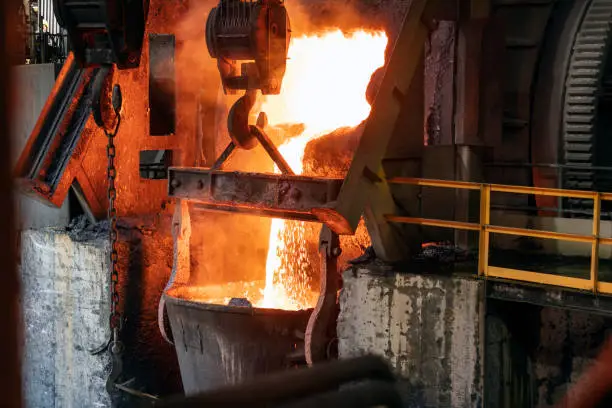
Understanding the Copper Casting Process for Industrial Applications
Core Principles and Temperature Requirements
The copper casting process begins with alloy selection and melting at 1,050°C to 1,200°C, depending on the copper-based alloy composition. Our facility maintains careful heat control during melting to achieve complete alloying element dissolution and prevent material property oxidation. Molten metal is degassed with nitrogen or argon streams to remove dissolved hydrogen that would cause porosity flaws in formed components.
Common Casting Methods for Industrial Components
Sand casting is adaptable for valves, pump housings, and elaborate fittings with internal passageways. It is economically viable for medium production quantities because it accepts cores that generate interior cavities that are hard to process. Investment casting (lost-wax casting) offers better surface finishes and dimensional precision of ±0.005 inches, making it perfect for connector bodies and electrical housings with little post-machining. Die casting uses pressure to inject aluminum-bronze or silicon-bronze alloys into steel molds for fast cycle times and consistent item shape in high-volume manufacturing. Rotating molds at high speeds produces dense, defect-free microstructures with exceptional wear resistance in centrifugal casting of bushings and bearing sleeves.
Quality Control and Defect Prevention
The main casting faults include porosity, inclusions, and shrinkage cavities. We use directional solidification in gating system design to move molten metal from narrow areas to risers that provide liquid metal during cooling contraction. Deoxidizers like phosphorus copper bind leftover oxygen before it generates gas pockets. Before pouring, our metallurgists do spectrographic analysis on each heat to ensure alloy chemistry fulfills ASTM B584 and B148 standards.
Comparing Copper Casting With Other Metal Casting Methods for Industrial Equipment
Material Property Analysis
High-purity copper-based alloys have thermal conductivity values of 230 W/m·K, surpassing aluminum's 205 W/m·K and outperforming ferrous materials at roughly 50 W/m·K. Heat exchanger efficiency and electrical component performance benefit from this thermal advantage. Aluminum bronze copper castings have tensile strengths above 750 MPa and good corrosion resistance in maritime and chemical processing conditions where normal aluminum alloys degrade quickly. When combined with dissimilar metals in saltwater, nickel-aluminum bronze resists galvanic corrosion better than stainless steel. Copper oxide patinas naturally prevent further oxidation, unlike ferrous objects that need coatings. Leaded tin bronze has excellent anti-galling qualities and coefficients of friction below 0.15, preventing seizure in boundary lubricated steel-on-steel sliding applications.
Cost-Efficiency and Production Considerations
Investment casting is expensive owing to pattern expenses and labor-intensive shell fabrication, yet it eliminates machining on complicated shapes. Sand casting is cheaper than permanent mold technologies for prototype development and production runs under 500 pieces per year due to its 40-60% lower tooling investment. Sand-cast components take 4-6 weeks from pattern approval to first-article inspection, whereas investment casting takes 6-8 weeks owing to ceramic shell curing. Copper alloys cost 2-3 times more per pound than aluminum, but their higher performance often justifies this premium in long-lasting, reliable applications. Engineering managers considering total cost of ownership know that components lasting twice as long under demanding operating circumstances are greater value than cheaper equivalents requiring frequent replacement.
Selecting the Best Copper Casting Methods for Your Industrial Equipment Needs
Critical Selection Criteria
Method choice depends on production volume. Die casting is justified despite greater tooling costs for annual requirements over 5,000 pieces, whereas sand casting is more flexible for numbers under 1,000. Sand casting with disposable cores is preferred over permanent molds due to component complexity, especially interior features and undercuts.
Evaluating Foundry Capabilities
ISO 9001 certification proves rigorous process control is necessary for casting quality. AS9100 accreditation indicates increased traceability and documentation rigor in aerospace and military foundries. In-house pattern fabrication, CNC machining machines for post-cast finishing, and metallurgical labs separate full-service providers from simple casting operations. Request process capability studies (Cpk values) for essential dimensions to verify supplier equipment and processes meet tolerances and safety margins. Case studies showing successful supply of similar components reduce technical risk for new product releases.
Custom Solutions Versus Standard Offerings
Custom copper casting meets geometric, alloy, or performance criteria that regular catalog components cannot. Heavy industrial equipment sometimes has bearing housings with non-standard bore sizes or mounting patterns requiring bespoke tooling. Electrical infrastructure improvements may require custom bus bar connectors that match current systems, which are unavailable. Casting techniques provide design optimization that machining fabrications cannot. Multi-featured single cast components save assembly time, joint leak routes, and system weight. Manufacturability and operational environment-specific performance are maximized by engineering cooperation throughout design.
Ensuring Quality and Safety in Copper Casting for Industrial Equipment
Advanced Inspection Methodologies
Non-destructive testing is essential for important copper casting quality verification. Invisible interior porosity, inclusions, and shrinkage cavities are revealed by X-rays. High-frequency sound waves detect subsurface discontinuities and check wall thickness uniformity in pressure-containing components in ultrasonic testing. Coordinate measuring machines (CMM) verify dimensions to ±0.0005-inch precision, producing thorough inspection reports for engineering designs. Pressure testing checks pump housings and valve bodies for structural integrity. Before field installation, parts are pressed 1.5 times their operating pressure to locate leaks. Dye penetrant examination shows machined faces and crucial sealing surfaces with surface-breaking fractures or porosity.
Continuous Improvement and Process Optimization
Statistical process control charts reveal dimensional variation trends before parts wander out of tolerance across production runs. Our metallurgical team analyzes rejected castings to identify fundamental causes—gating design, pouring temperature, mold moisture content—and take preventative measures. Over 18 months, our data-driven method has reduced scrap to 2% and increased first-pass yield to 96%.
Safety and Environmental Compliance
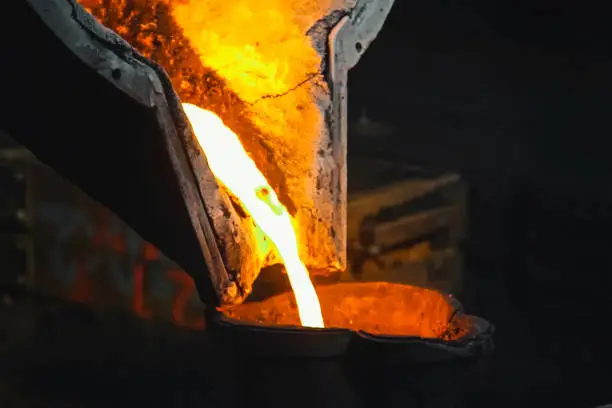
Molten copper at 1,100°C poses thermal risks that need specific PPE, metal fume ventilation, and intensive operator training. OSHA-compliant hazard identification and equipment guarding keep our foundry injury rates below industry averages. Air emissions, wastewater discharge, and sand disposal laws impact facility design and operation, guaranteeing sustainable production that protects communities.
Partnering With Leading Copper Casting Suppliers for Industrial Equipment
Supplier Capabilities and Capacity
Leading industrial component copper foundries scale output from prototypes to tens of thousands of pieces per year to meet client demand. Multiple melting furnaces eliminate manufacturing bottlenecks, and manual benches and automated molding lines allow batch size flexibility. After casting, in-house CNC machining machines supply completed components for assembly, eliminating subcontractor logistics.
Procurement Considerations for B2B Buyers
Required technical specifications include material callouts (ASTM designations), dimensional tolerances, surface finish requirements, and yearly volume predictions for comprehensive bids. Pricing models usually segregate tooling costs amortized over estimated lifespan volumes from material, labor, and overhead piece-price components. Lead time should include pattern creation time, first-article approval cycles, and production-planning-aligned replenishment schedules. Setup and material expenses dictate minimum order numbers. Die casting economics demand 500-1,000 pieces to justify tooling investment, while sand casting MOQs are 25-50 pieces. Progressive providers maintain safety stock for just-in-time delivery schedules that save customer storage expenses.
Real-World Performance Validation
Our foundry created chemical processing bronze impeller housings with a Midwest pump manufacturer. The components replaced galling and corroded machined stainless steel housings, decreasing maintenance by 60% and extending service intervals from 18 months to almost four years. The material cost premium was justified by considerable total cost of ownership decrease due to performance enhancement. An electrical equipment manufacturer needed copper bus bar connectors for renewable energy converters. Investment casting eliminated the eight-piece welded assembly by providing complicated geometry with multiple bolt holes and mounting features in a single component. This consolidation cut assembly labor by 75% and improved electrical contact resistance consistency for production quantities over 10,000 units.
Conclusion
Precision copper casting excels in industrial equipment components requiring high conductivity, corrosion resistance, and mechanical strength. Experienced foundry partners must navigate alloy selection, casting procedure optimization, and strict quality assurance processes. Understanding the technical differences between sand, investment, and die casting technologies helps procurement professionals choose methods that meet their accuracy, volume, and budget needs. Using certified suppliers with process capabilities and rigorous inspection processes reduces technical risks and ensures component dependability in difficult operating situations.
FAQ
What factors influence lead times for precision copper castings?
Pattern fabrication takes 2-4 weeks for complicated copper casting shapes. Special-ordering unusual alloys like nickel-aluminum bronze adds a week to material procurement. Foundry capacity usage determines production schedule, with 1-2 week queue periods. First-article inspection and dimensional changes might add a week. Rush services use faster pattern making and priority furnace scheduling, although premium prices of 25-35% apply.
How do I select the appropriate casting method for my application?
Systematically assess part complexity, manufacturing volume, tolerances, and budget. Sand casting is needed for interior channels or complicated cores. Precision in investment casting is necessary for tolerances below ±0.005 inches. Die casting tooling is justified by annual quantities of 5,000 pieces. Consult foundry engineers early in design to optimize shape for manufacturability and performance within cost targets.
Can copper casting services accommodate small batch or prototype orders?
Sand casting can affordably produce prototypes from one piece, but fixed pattern costs keep per-unit prices high. Depending on size and complexity, copper casting services become cost-effective above 10-25 pieces. Many foundries provide discounted prototype runs with production volume guarantees, amortizing tooling costs throughout the program lifespan.
Request Precision Copper Casting Services From Fudebao Technology
Zhejiang Fudebao Technology has decades of metallurgical experience and precision copper casting capability to serve your industrial equipment manufacturing needs. Our facility combines high-speed machining centers, CNC lathes, and low-pressure casting equipment to provide entire solutions, from melting to completed components with ±0.05mm tolerances. We understand the strict demands for automotive precision parts, industrial machinery, and electrical infrastructure applications as a recognized copper casting supplier to international names including American automation leaders and energy storage inventors. Our engineers work closely with procurement managers to optimize designs for manufacturability and meet your strictest PPAP paperwork and quality certification standards. Contact hank.shen@fdbcasting.com immediately to discuss your project parameters and obtain a competitive quote from a copper casting manufacturer dedicated to delivery and long-term partnerships.
References
American Foundry Society, "Copper-Base Alloys: Casting Processes and Applications," Schaumburg: AFS Technical Publications, 2021.
Davis, J.R., "Copper and Copper Alloys," ASM Specialty Handbook, Materials Park: ASM International, 2019.
Campbell, John, "Complete Casting Handbook: Metal Casting Processes, Metallurgy, Techniques and Design," Oxford: Butterworth-Heinemann, 2020.
Beeley, Peter R., "Foundry Technology," Oxford: Elsevier Butterworth-Heinemann, 2018.
American Society for Testing and Materials, "ASTM B584: Standard Specification for Copper Alloy Sand Castings for General Applications," West Conshohocken: ASTM International, 2022.
Rao, P.N., "Manufacturing Technology: Foundry, Forming and Welding," New Delhi: Tata McGraw-Hill Education, 2017.



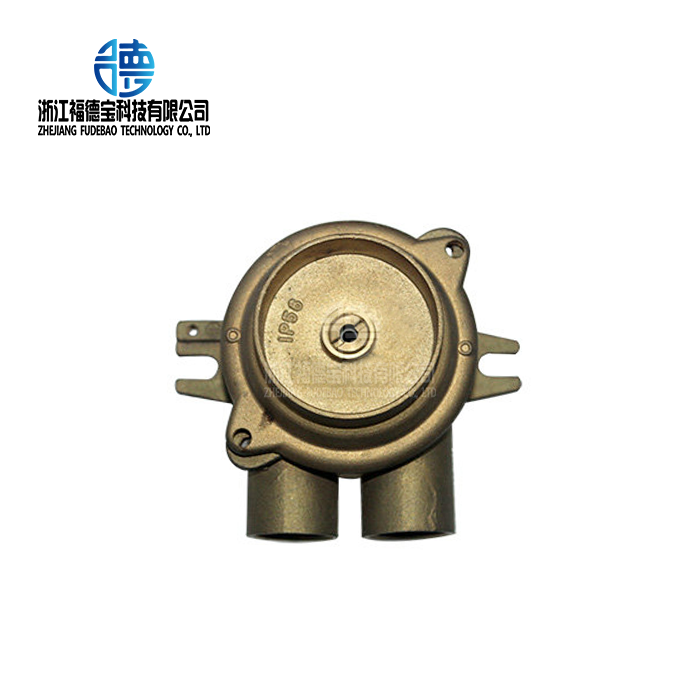
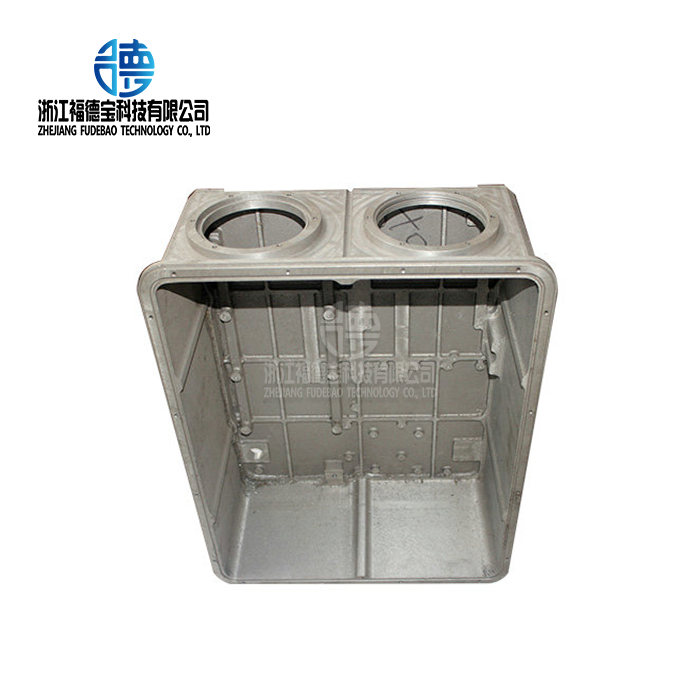
_1756361323684.webp "column guide sleeve")
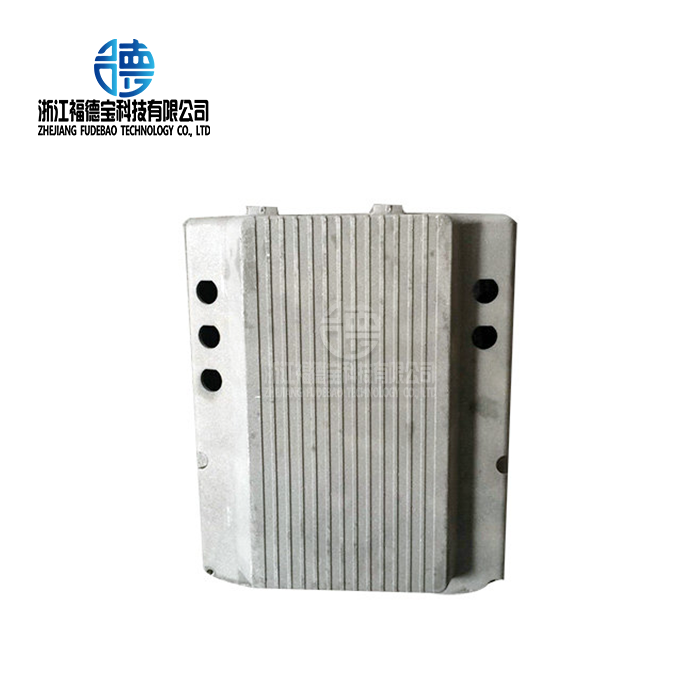
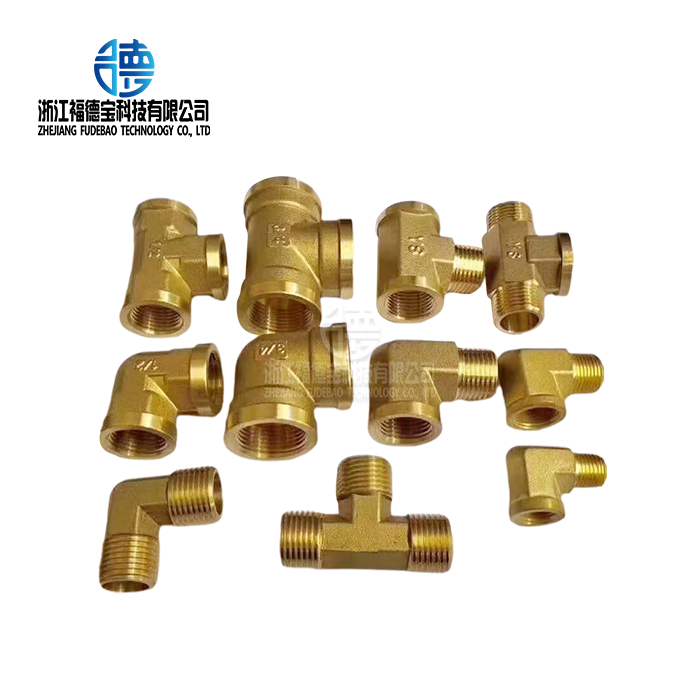
_1756348780785.webp "porting turbo compressor housing")
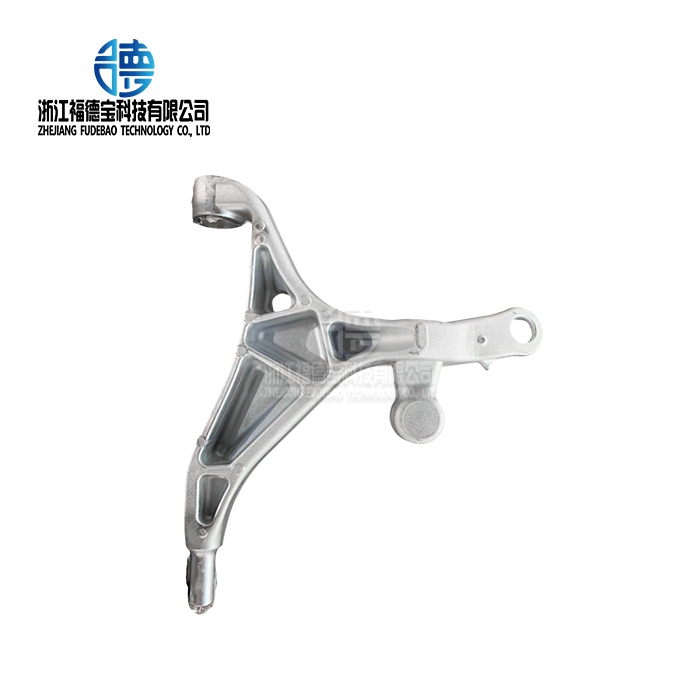
_1756346613780.webp "Aluminum tent base Casting")
