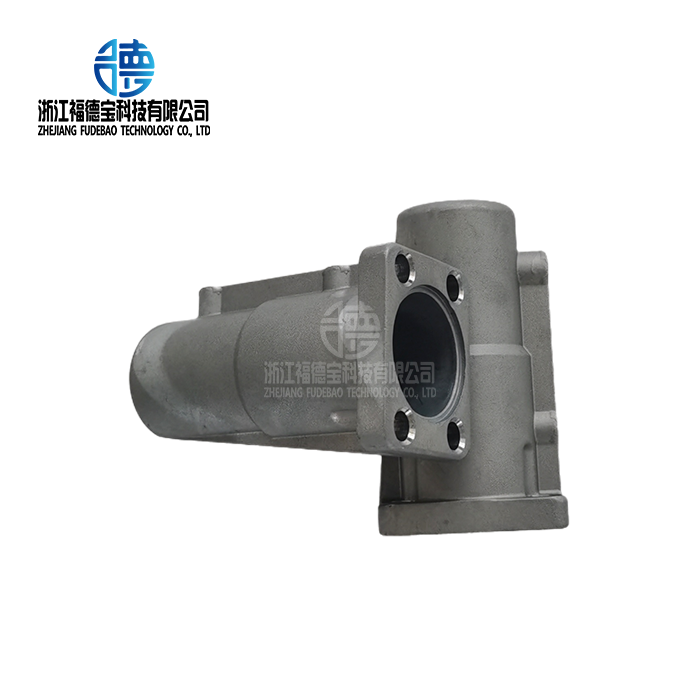
Aluminum Die Casting Tolerances: What Manufacturers Need to Know
2026-06-01
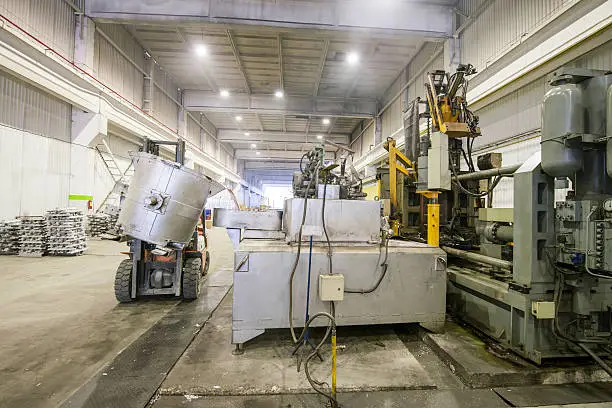
Aluminum die casting permitted size discrepancies. These variances affect the product's performance, assembly time, and durability. Knowing these boundaries is critical when choosing production partners since consistent accuracy requires balancing material behavior, tool precision, and process control. At pressures over 10,000 psi, liquid aluminum metal is pressed into steel molds during aluminum die casting. This creates almost spherical, sturdy portions. Many sectors, from car to aerospace, need these tolerances to achieve performance standards while lowering manufacturing costs.
Understanding Aluminum Die Casting Tolerances
Aluminum die casting principles impact component manufacturing from planning to checking. We've seen buying teams overlook how tolerances impact more than part fit. They also impact tool prices and production time.
Standard Tolerance Ranges and Industry Benchmarks
Start with industry norms when defining tolerance goals. The NADCA sets part-size-dependent standard deviations. Size discrepancies between components up to 25 mm are typically ±0.15 mm, whereas portions up to 100 mm might reach ±0.30 mm. With well-maintained instruments and consistent process parameters, these numbers assume perfection. However, CNC cutting is typically needed for tighter tolerances. We can achieve this simply with high-speed machining centers tuned to 0.05mm precision at our facility. Dimensional control is affected by draft angles. Minimum draft angles of 1-3 degrees prevent items from adhering and reduce ejection forces that might harm standards.
Material Properties Influencing Dimensional Accuracy
Due to its thermal expansion coefficients and solidification characteristics, alloy choice affects aluminum die casting tolerances. A380 aluminum alloy, with 8.5% silicon, is flexible and shrinks 0.5% to 0.6%. This makes it ideal for complex forms with consistent wall thickness. ADC12, with nearly the same silicon content, operates similarly but protects against outside rust better. A356 alloy solidifies over a broader temperature range, therefore it offers superior mechanical strength but requires stricter temperature control. Internal influences can impact its size stability. The natural oxide coating on metal surfaces adds 2–5 micrometers. Makers must consider this when sizing threaded or mating surfaces.
How Tooling and Process Parameters Drive Precision
Precision is restricted by tool quality, and manufacturing runs are regularized by process discipline. Hardened steel dies made to H13 or comparable specifications retain cavity sizes after hundreds of thousands of cycles. Heat cycling alters parting line fit tolerances. Based on the metal and part complexity, the optimal die temperatures are 180°C to 280°C, which we monitor constantly. Too high injection velocity profiles trap air pockets and generate holes, while too low pressure doesn't fill thin sections. Our 0.7 to 1.5 bar low-pressure casting tools minimize gas entrapment by 40% compared to typical procedures. They supplement high-pressure aluminum die casting for mechanically demanding jobs.
Key Challenges Affecting Tolerances in Aluminum Die Casting
Aluminum die casting manufacturing has issues that formal tolerance limits don't address. Realising these issues helps buying teams set realistic targets and assess supplier competence.
Common Defects and Their Impact on Dimensional Control
Tolerance is still mainly affected by porosity, microscopic pores in the casting structure. Gas porosity arises when hydrogen dissolves in liquid aluminum and settles out after solidification. Depressions on the surface or weak places inside the material result from local density discrepancies. Shrinkage porosity occurs when thicker sections cool slower than surrounding material. This pulls away cavity walls, changing end size. Uneven warping occurs when complex structures cool at various rates. Thermal gradients from thin ribs near to heavy bosses deform pieces after ejection. Modeling software that predicts solidification helped us discover the ideal gate and cooling channel positions before cutting the steel.
Temperature and Cycle Time Variables
Thermal management encompasses the entire process chain, not simply die temperature. Molten aluminum at 650–720°C solidifies in milliseconds on 400°C colder steel surfaces. This quick temperature shift makes the exterior layer colder and the interior layer's grain structure different, causing differential shrinkage. Heat extraction fails when cycle lengths are lowered below the recommended minimums (45 to 90 seconds, depending on part mass), and parts are removed while partially melting. After being measured, these hot patches shrink, causing dimensional deviation that quality inspectors only notice during final checks. However, lengthier processes lose capacity without improving tolerances after equilibrium cooling.
Real-World Case Study: Correcting Tolerance Failures
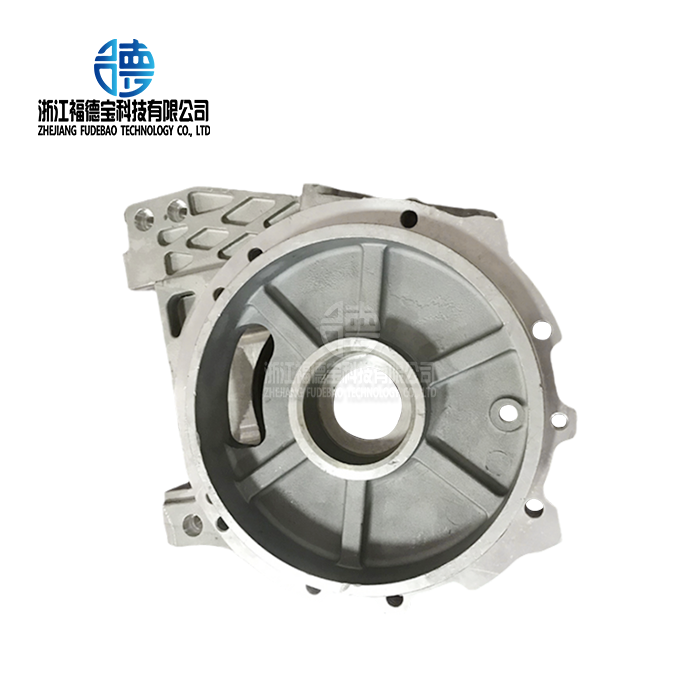
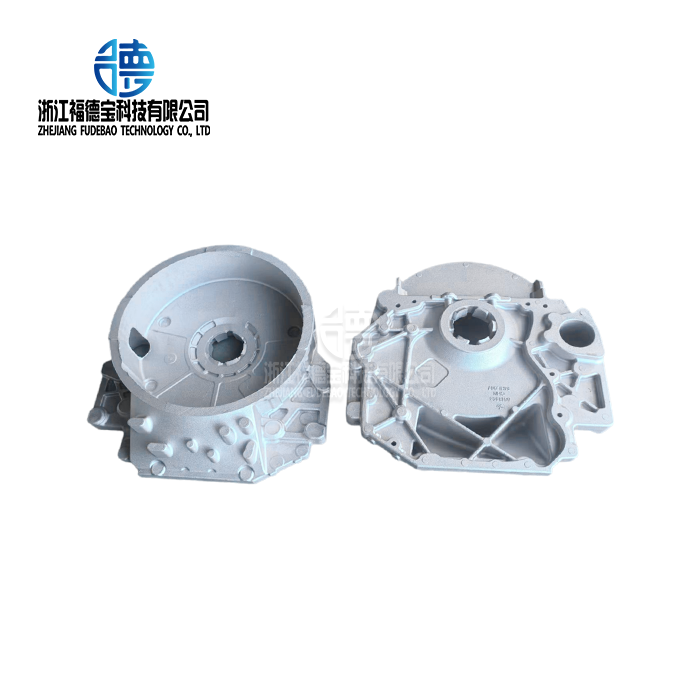
A automotive tier-1 supplier contacted us to address rejection of over 12% of transmission housing parts due to bolt holes outside ±0.10mm of standards. Die wear at the separation line surfaces triggered flash generation and terminated the aluminum die casting operation, according to our metallurgical investigation. The tiny flash created measurement errors during inspection, and the ejector pins' stresses on weaker parts affected the hole placements. The ejection system was altered by introducing balanced pin layouts to distribute forces. A die maintenance plan based on real wear data instead of cycle counts was also created. Following the modification, rejection rates went below 2%, proving that regular process improvement leads to tolerance success.
Best Practices and Design Tips for Achieving Tight Aluminum Die Casting Tolerances
Precision begins in planning, when form, material, and aluminum die casting tolerance distribution decisions prevent issues. Engineers who collaborate with casting professionals early in the design process get better outcomes than those who don't consider production until later.
Design Guidelines for Optimal Tolerance Achievement
Uneven wall thickness prevents cooling that warps and strains structures. We recommend maintaining thickness discrepancies between adjacent pieces within 25% and making incremental modifications. Cutting heavier portions reduces material volume and evens cooling. A 40-mm solid boss with a 25-mm core should have 7.5 mm walls that harden predictably. Designers often underestimate corner radiuses until they witness acute interior corners. These produce hot places where material shrinks unexpectedly. At least 1.5 mm inside and 3 mm outer radii disperse heat flow. Consider draft angles when fitting two sections. Parts that need to be machined later should have 0.5 to 1 mm stock allowances in critical locations for cleanup cuts that set final aluminum die casting tolerance zones.
Process Optimization Strategies
Monitoring casting temperature provides continuous improvement opportunities. We placed thermocouples in crucial locations on the die to monitor hollow wall temperatures and correlate them to part measurements. This data indicates minor patterns. For instance, a 15°C temperature spike after 200 cycles indicates hot areas and requires cooling circuit adjustment before tolerance drift. Injection profiles benefit from multi-stage programming. After slow fills (0.3–0.5 m/s) ensure airflow, quick intensification (3-6 m/s) fills all gaps. By eliminating air before injection, vacuum-assisted techniques reduce porosity and achieve quality levels that allow thinner walls and tighter restrictions than atmospheric approaches.
Alloy Selection for Specific Tolerance Requirements
Matching the alloy's characteristics to the application maximizes tolerances and cost. The industrial workhorse, the A380, provides the proper flexibility, strength, and machinability for housings, brackets, and structural elements where size stability is more critical than ultimate tensile strength. ADC12 performs similarly but resists corrosion better due to its 1.5–3.5% copper concentration. This benefits naval and outdoor shelters. A356 yields strengths exceeding 240 MPa following heat treatment when mechanical properties allow more sophisticated processing. To maintain aluminum die casting tolerance, its lower silicon concentration (6.5–7.5%) requires precision temperature control. Aluminum alloys, with a thermal conductivity of 120-150 W/m·K, are ideal for applications requiring heat removal, such as motor housings and power electronics enclosures, where size consistency is crucial.
Comparison of Aluminum Die Casting Tolerances with Other Casting and Manufacturing Methods
To pick the correct production technique, consider aluminum die casting tolerances, output cost, wait periods, and secondary operations. Decision makers who know where each process adds value have a strategic edge.
Aluminum Die Casting vs. Sand Casting
Sand casting makes larger parts with cheaper production quantities but reduces dimension accuracy. Sand casting limitations range from ±0.8mm to ±3.0mm, which is 5-10 times less tight than aluminum die casting, depending on part size. Surface finish quality also varies. Sand castings require extensive cutting to provide sealed surfaces or bearing holes, while die cast surfaces require less finishing. When die casting's larger equipment investment is spread out across 1,000 to 5,000 units per year, sand casting's per-piece prices drop. So our clients can make the best decisions about how to produce their goods from testing to full production, we maintain both skills up to date.
Die Casting Material Comparisons
Zinc die casting allows for finer standard margins (±0.05mm for tiny items) because to its lower melting temperature and improved flow. Zinc's density (7.1 g/cm³) renders it unsuitable for light-weight usage, while aluminum die casting density (2.7 g/cm³) is superior. Magnesium provides an even greater strength-to-weight ratio, but it may catch fire and doesn't resist corrosion without protective coatings. Aluminum is excellent for vehicle engines, electrical housings, and aircraft constructions because of its medium strength, good thermal characteristics, and size constancy throughout a wide temperature range.
Machining and Hybrid Manufacturing Approaches
Although CNC cutting from billet stock may reach tight standards (±0.01mm), it is unsuitable for large production due to waste and high cycle times. Precision and cost-effectiveness are achieved with near-net-shape aluminum die castings and tailored CNC procedures. Casting pieces with 0.5 to 1 mm stock on crucial features and using our HAAS automation centers with adaptive toolpaths to accommodate for casting variances to produce final measurements. This approach reduces machining time by 70% over billet machining while maintaining quality. This illustrates how our manufacturing expertise benefits our customers.
How to Choose the Right Aluminum Die Casting Partner for Precision Tolerances?
Supplier choice for aluminum die casting affects project success more than design decision. Engineering managers and buying directors must be systematic and go beyond proposed pricing to assess a manufacturer's competence.
Essential Capability Assessment Criteria
Toolmaker skill is measured by portfolio complexity and die life. Manufacturers should demonstrate their expertise in multi-slide dies for complex geometries, unit die manufacturing for high-volume efficiency, and excellent maintenance programs that last beyond 500,000 cycles. Examine quality systems closely. Automotive suppliers require IATF 16949 compliance to demonstrate they understand the production part approval procedure (PPAP) and statistical process control. ISO 9001 accreditation provides a baseline level of confidence. Metallurgical talents distinguish sophisticated suppliers from work shops. Having in-house spectrometry for alloy proof, X-ray or CT porosity analysis, and mechanical testing laboratories enables you enhance the aluminum die casting process every time rather than merely repairing faults.
Evaluating Process Control and Inspection Infrastructure
Real-time tracking distinguishes modern foundries. We purchased automated measurement devices to verify each part's dimensions. Their data feeds directly into statistical process control charts, which alarm when trends approach permissible limits. This proactive strategy prevents aluminum die casting production issues rather than fixing them. Coordinate measuring tools (CMM) with repeatability of less than 0.003 mm measure the initial product and ensure process audits are done correctly. Environmental restrictions matter more than buyers think. Thermal expansion errors can disguise genuine dimensions, therefore temperature-stable measuring rooms ensure inspection data properly represents the manufacturer's capabilities.
Geographic and Strategic Partnership Considerations
Local foundries reduce wait times and improve communication, but they may not have the latest tools or the best costs for large orders. Global suppliers, especially in well-known manufacturing locations, might provide stronger technological know-how and scale savings. ESS energy storage and HAAS machine tool providers are among our international partners. This proves we can attain high standards in many sectors. Supply chain resiliency has garnered attention recently, so many procurement teams are buying globally and working with fewer, stronger partners. Investing in foundries committed to continuous improvement and open cooperation is the greatest approach to balance risk with aluminum die casting supplier development.
Conclusion
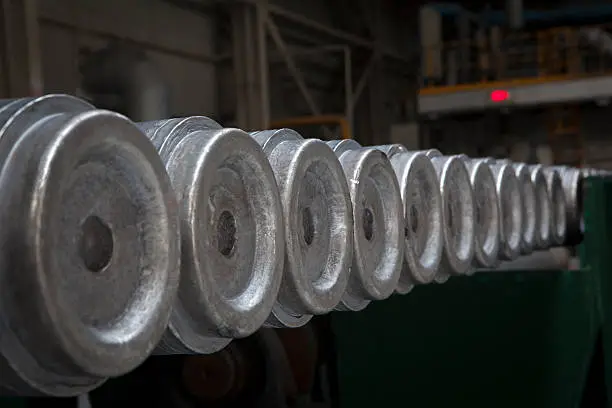
Mechanical science, precision equipment, and stringent process control are used in aluminum die casting tolerance management to achieve increasingly strict performance criteria. We've examined how material, design, and manufacturing partner selection impact measurement accuracy and production cost. Aluminum die casting helps industries decrease weight, automate assembly, and minimize costs when tolerances match application objectives. Engineering teams must define realistic tolerances and recognize when die casting works best and when extra procedures offer value to succeed. Better outcomes are achieved when manufacturing partners can melt and finish than when supply chains are divided up and introduce additional differences.
FAQ
What standard tolerances can aluminum die casting achieve?
Aluminum die casting limitations depend on part size and complexity. Variations of ±0.10 to ±0.15 mm are typical for linear measurements up to 25 mm. Larger features up to 100 mm may show variations of ±0.25 to ±0.35 mm. Expect these values under regular operating circumstances and well-kept tools. To achieve ±0.05mm tolerances, additional CNC operations might be applied to critical pieces with sealing surfaces or perfect fit.
How do temperature changes affect dimensional stability in cast aluminum parts?
Aluminum has a thermal expansion rate of 23×10⁻⁶/°C, causing its size to fluctuate with temperature. Every 100°C temperature change alters a 100mm part's length by 0.23mm. Thermal cycling design requires particular considerations. To ensure steady performance without stress or binding during aluminum die casting, use floating mounting points, clearance limitations, or materials that function well in that temperature range.
Can aluminum die casting meet aerospace and automotive precision requirements?
Aerospace and automotive applications require accurate tolerance control, approval, and traceability paperwork. Modern aluminum die casting achieves these aims through regulated procedures, statistical tracking, and hybrid precision cutting-casting manufacturing. PPAP documentation for tier-1 car supply and AS9100 certification for aerospace use demonstrate organized quality management that meets industry-specific accuracy standards.
Partner with Fudebao Technology for Precision Aluminum Die Casting Solutions
A product's performance depends on accurate measurements, so choosing an aluminum die casting company with proven tolerance experience ensures project success. Dimensional precision drives product performance. Fudebao Technology is known for providing precision components to demanding sectors including automobile engine housings and electrical equipment enclosures that need consistent dimensional stability. Our integrated production facility includes melting, casting, finishing, and surface treatment, backed by HAAS CNC machining machines with ±0.05mm precision. We assist engineering teams improve designs for manufacturability and functional needs by understanding the delicate balance between tolerance criteria and production economics. Contact our technical team at hank.shen@fdbcasting.com to discuss your tolerance needs, material recommendations, and how our aluminum die casting supplier skills can enhance your supply chain with dependable, cost-effective precision manufacturing.
References
North American Die Casting Association (NADCA). "Product Specification Standards for Die Castings: Aluminum, Magnesium, and Zinc Alloys." NADCA Publication 403, 2020 Edition.
Campbell, John. "Complete Casting Handbook: Metal Casting Processes, Metallurgy, Techniques and Design." Second Edition, Butterworth-Heinemann, 2015.
Kaufman, J. Gilbert and Rooy, Elwin L. "Aluminum Alloy Castings: Properties, Processes, and Applications." ASM International, 2004.
Herman, Emily A. "Aluminum Die Casting: Principles and Applications for the Design Engineer." Society of Manufacturing Engineers Technical Paper Series, 2018.
Jorstad, John L. and Pan, Qigui. "Metallurgical Aspects of Aluminum Castings." Materials Science and Engineering Technology, Volume 47, Issue 8, 2016.
Totten, George E. and MacKenzie, D. Scott. "Handbook of Aluminum: Volume 1 - Physical Metallurgy and Processes." Marcel Dekker Publishing, 2003.



YOU MAY LIKE
_1756348543350.webp "Automotive Turbine Casting")
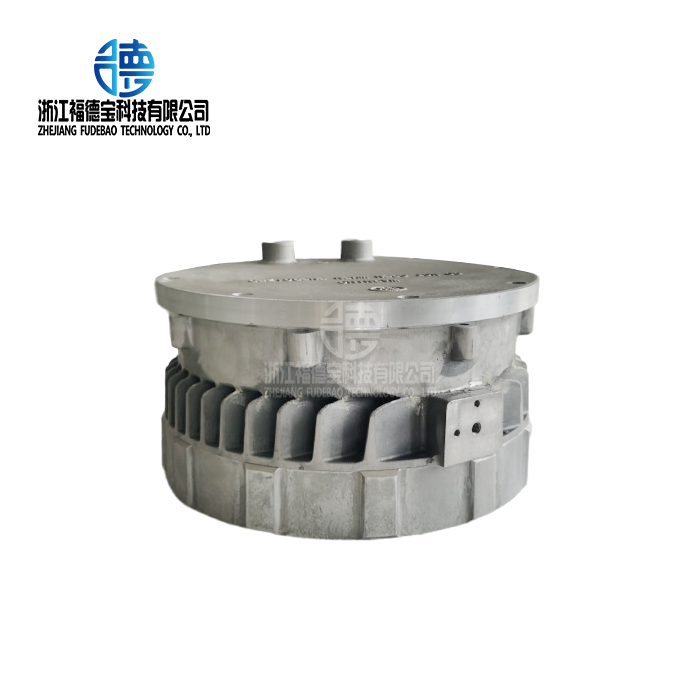
_1756352822273.webp "Stainless steel plugs")