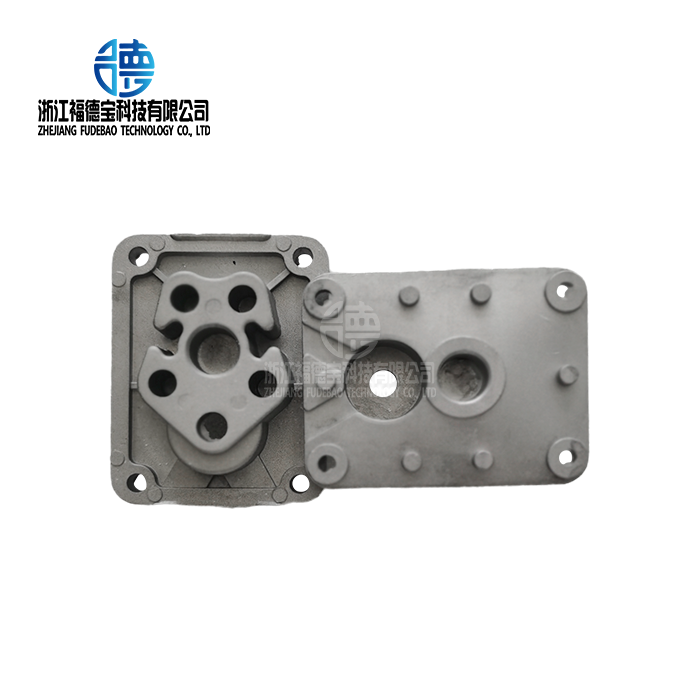
How Are Aerospace Aluminium Castings Manufactured for High-Performance Components?
2026-06-09
Lightweight, high-strength aerospace aluminum castings are made using precision casting technologies, mostly aluminum die casting. The production process injects molten aerospace-grade aluminum alloys including A356, 7075, and 2024 into precision-engineered steel molds under regulated pressure and temperature. These alloys are chosen for their superb strength-to-weight ratios, thermal stability, and corrosion resistance. Quality controls including X-ray inspection and dimensional verification ensure each component satisfies aerospace requirements for structural integrity and mission-critical performance reliability.
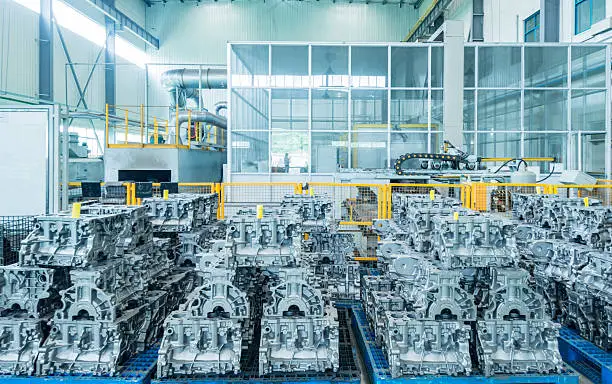
Understanding Aerospace Aluminum Die Casting
Why Aluminum Casting Dominates Aerospace Manufacturing?
Aerospace component manufacture relies on aluminum casting because aluminum die casting answers fundamental technical problems. Multiple weld joints that might break under stress are eliminated in single-piece castings with complicated shapes. Component integrity is essential at 35,000 feet with temperature variations above 100°F and continuous vibration. We've seen aluminum die casting maintain ±0.002 inches dimensional precision in massive structural brackets after thousands of flight cycles.
Aerospace-Grade Alloy Selection Criteria
Material choice influences part lifespan in demanding airplane environments. A356 metal is easy to make and heat treat, making it ideal for structural housings that must endure mechanical stresses. Its tensile strength of approximately 83,000 psi makes 7075 aluminum alloy appropriate for weight-bearing fixtures and frames. However, 2024 metal resists wear well, which is crucial for repeatedly pressured parts. These metals effectively remove heat from electronics and power systems due to their thermal conductivity of 96 to 120 W/m·K.
Distinguishing High-Pressure Die Casting from Alternative Methods
High-pressure die casting forces liquid aluminum into complicated mold holes at 10,000–30,000 psi, reproducing precise features. This is unlike sand casting, which employs gravity to feed sand and creates tougher, harder surfaces that need more labor. Permanent mold casting employs lower pressures, which works for larger parts but not for airplanes with small details. The HPDC technique produces surface finishes of 63 RMS or better directly out of the mold, reducing processing and maintaining interface part tolerances.
The Aluminum Die Casting Process for Aerospace Components
Mold Preparation and Design Engineering
A mold must be prepared by doing detailed CAD modeling that accounts for metal shrinkage, which for aluminum die casting alloys is generally 0.5 to 0.7%. Gate systems by engineers manage metal flow and stop air turbulence that produces holes in the material. Cooling lines in the hardened H13 tool steel mold regulate solidification and maintain grain structure during casting. The cast is heated to resist thermal cycles. A well-maintained instrument should endure 80,000 to 100,000 shots. Heat the cast to 350–450°F to increase metal flow and reduce thermal shock during injection.
High-Pressure Injection and Solidification Control
To maintain thickness, aluminum is heated to 1,250°F and kept within 10°F throughout injection. A hydraulic piston forces molten metal through the shot tube at 100 inches per second. Full mold hole filling takes less than 0.1 seconds. Quick input prevents metal from hardening too rapidly in thin-wall locations. The intensification pressure increases to 12,000–15,000 psi during solidification, squeezing the metal and reducing decreasing porosity. Cooling channels transfer temperature-controlled water to remove heat at predetermined rates for optimal microstructure and mechanical qualities.
Emerging Vacuum and Low-Pressure Techniques
Vacuum-assisted die casting eliminates air from the mold body before filling, creating a 50–100 millibar almost-vacuum condition that fixes porosity. This prevents gas from accumulating and improves cast internal integrity for pressure-sensitive aviation items like hydraulic manifolds. Low-pressure casting controls noise and oxide inclusions by filling the body from bottom to top at 15 to 100 psi. Heat treating castings to the T6 temper yields yield strengths of 30,000 psi with these new methods. Due to porosity, normal HPDC could not perform thus well.
Overcoming Challenges in Aerospace Aluminum Die Casting
Defect Prevention Through Process Optimization
Porosity, generated by trapped air or dissolved hydrogen gas crystallizing during solidification, remains the major issue in aluminum die casting. We overcome this challenge by removing gases with vacuum systems and constructing gates for gradual, guided solidification. Cold shuts occur when two metal fronts touch without connecting. Maintaining the mold temperature and improving filling speed in important places helps prevent this. Shrinkage cavities arise in thick sections without enough feed metal. Overflows and wall thickness changes should be placed strategically to avoid this. Try to maintain ratios below 2:1.
Design Guidelines for Aerospace Manufacturability
Wall width affects casting quality and ease of manufacture. Aerospace parts typically have wall thicknesses between 0.100 and 0.200 inches to balance strength and mobility. Draft angles of 1–3 degrees make part removal simpler without surface damage. This is crucial for rough or as-cast surfaces. To reduce tension and ease metal flow into the mold, inner corner fillet curves should be at least 0.030 inches broad. Radiuses increase structural performance under aircraft repeated stress circumstances instead of acute exterior corners.
Surface Treatment for Enhanced Performance
The oxide layer added by anodizing prevents corrosion and makes paint systems stick better. Patchy hue may occur in conventional high-silicon die cast alloys. Shot peening increases compressive surface stresses, which improve wear life and often quadruple part lifespan. Chemical conversion coatings like chromate or non-chromate protect against corrosion while carrying electricity when needed. These surface techniques convert raw castings into parts that can endure salt spray, UV radiation, and vast temperature fluctuations for more than 20,000 flying hours.
Comparing Aluminum Die Casting with Alternative Methods for Aerospace
Precision and Surface Quality Advantages
Aluminum die casting offers tolerances of 0.005 inches on most features without secondary cutting, unlike sand casting, which has 0.030 inch tolerances. Die-direct surface finishes are between 63 and 125 microinches Ra, therefore they may be used in many scenarios without further labor. Sand casts require a lot of labor to get a same surface quality, which increases cost and wait time. Center is permanent mold casting. It's more exact than sand casting but slower and less detailed than die casting. Aluminum die casting makes tight-fitting pieces easier to assemble since the dimensions stay the same.
Production Economics and Scalability
Die casting is ideal for high-volume production, such as aviation tier-1 suppliers making thousands of identical parts annually. When tool expenses are spread over multiple manufacturing runs, unit prices drop. Sand casting is still the most cost-effective alternative for small orders (less than 500 pieces) or huge items too big for a die casting machine. Permanent mold casting has medium production and equipment costs. Die casting complete components in 30–90 seconds, permanent mold takes 2–5 minutes, and sand casting takes hours, including mold setup and cooling.
Material Property Comparisons
Aluminum castings provide the best strength-to-weight ratios, which reduce aircraft weight. Aluminum has a specific gravity of 2.7 g/cm³, while magnesium has 1.8 g/cm³ and zinc has 6.6 g/cm³. Though lighter than aluminum, it burns and costs more to deal with. Zinc die castings are exact in size and quality but lack the high-temperature performance and strength needed for spaceship structural purposes. Magnesium needs galvanic corrosion protection, whereas aluminum's oxide layer shields it. These factors make aluminum die casting the best spacecraft part manufacturing method.
Procurement Considerations for Aerospace Aluminum Die Castings
Certification and Quality System Requirements
Aerospace enterprises involved in aluminum die casting must maintain AS9100 accreditation, which verifies that they follow defense, space, and aviation quality control standards. This standard exceeds ISO 9001 by requiring first-item inspection, configuration management, and risk assessment. Heat treatment and non-destructive testing suppliers should be NADCAP-approved. PPAP submissions, material approvals with full chemical data that can be traced to melt lots, and dimensional inspection reports that match engineering designs are required. These certifications guarantee that production procedures fulfill high aeronautical standards.
Cost Factors and Production Flexibility
Material choice greatly affects component costs. Aerospace-grade alloys cost more than commercial-grade ones due to tighter composition and licensing requirements. Because it requires part-specific models, tooling is expensive. When over 1,000 pieces are manufactured annually, this investment pays off. Batch size flexibility allows you test your concept with modest production runs before scaling up. Quick-turn suppliers may supply initial pieces in 4–6 weeks. This speeds product development, which is crucial in the competitive aerospace industry.
Strategic Supplier Partnership Benefits
Integrated technical advice from suppliers speeds up the design-for-manufacturing process by allowing you to uncover casting difficulties during design rather than after tool completion. Suppliers use simulation software to predict metal movement, flaws, and heat distribution before steel cutting. Manufacturing capabilities like casting, CNC cutting, and surface treatment provide a single point of accountability and supply chain management. Being near assembly locations reduces logistics expenses and travel time. Communication technology makes importing items from distant countries easy.
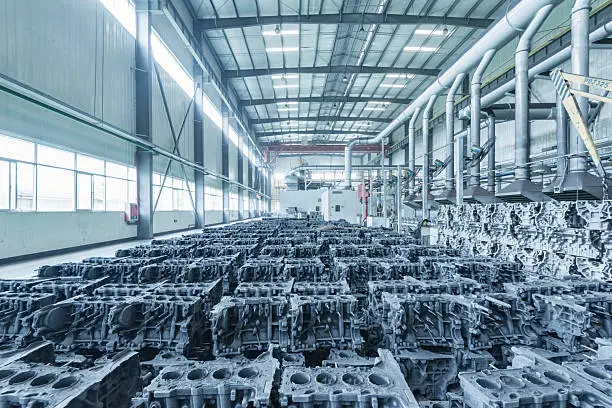
Conclusion
Aerospace aluminium castings support human flight via precision engineering, superior metallurgy, and strict quality control. Aluminum die casting and aerospace-grade alloys provide parts that balance weight reduction and structural performance unsurpassed by other materials or methods. Suppliers must grasp aerospace manufacturing regulations, certification standards, and performance objectives as well as casting basics to succeed in this challenging market. Aluminum castings will continue to help airplane designers achieve efficiency and electric propulsion goals.
FAQ
Can aluminum die castings meet aerospace pressure vessel requirements?
The interior of vacuum-assisted die cast pieces may withstand pressure for various purposes. The method decreases porosity to 2% or less by volume. This is shown by ASTM E505 X-ray analysis. Heat-sensitive alloys like A356-T6 can be used to make low-pressure hydraulic valves and pneumatic housings. To ensure solidity, parts are checked for leaks at 1.5 times their operating pressure before service.
How does aluminum die casting address aerospace weight reduction mandates?
Aluminum die casting makes sturdy structures with walls as thin as 0.080 inches. This reduces part mass by 20–40% over manufactured choices. Complex-shaped ribs and bosses increase strength-to-weight ratios that manufactured parts can't. Lightweight aluminum castings are strategically essential because every pound removed from an airplane's structure improves fuel economy or cargo room.
What lead times should aerospace procurement teams expect?
The tools take 8–12 weeks to make, depending on the mold complexity. It takes 2–3 weeks to make the first product and prepare PPAP papers. Once accepted, production casting cycles last 30–90 seconds for each part, then heat treatment and finishing are done on a group of pieces. First orders typically take 12–16 weeks to deliver. Repeat production runs with approved tooling take 4–6 weeks.
Partner with Fudebao Technology for Aerospace-Grade Aluminum Die Casting Solutions
Qualification-certified aluminum die casting manufacturer Zhejiang Fudebao Technology manufactures aerospace and high-performance industrial parts. Our AS9100-compliant factory offers low-pressure casting equipment, high-speed CNC machining centers, and several finishing choices. We send 0.05mm-accurate entire parts. We assist aircraft OEMs go from casting prototypes to mass production using our mechanical expertise and strict testing requirements. Our engineering team collaborates with your design team to optimize part shapes for manufacturing and performance. Our expertise simplifies the supply chain for structural brackets, electrical housings, and complex castings. Contact Hank Shen at hank.shen@fdbcasting.com to discuss your aviation aluminum die casting needs and obtain a technical evaluation.
References
Campbell, J. (2015). Complete Casting Handbook: Metal Casting Processes, Metallurgy, Techniques and Design. Butterworth-Heinemann.
Kaufman, J.G., & Rooy, E.L. (2004). Aluminum Alloy Castings: Properties, Processes, and Applications. ASM International.
SAE International. (2018). Aerospace Casting Quality Standard AMS2175: Castings, Classification and Inspection of. SAE Technical Standards.
Vinarcik, E.J. (2003). High Integrity Die Casting Processes. John Wiley & Sons.
ASM International Handbook Committee. (2008). ASM Handbook Volume 15: Casting. ASM International.
Beeley, P.R., & Smart, R.F. (1995). Investment Casting for Aerospace Applications. Institute of Materials, Minerals and Mining.



_1756348543350.webp "Automotive Turbine Casting")
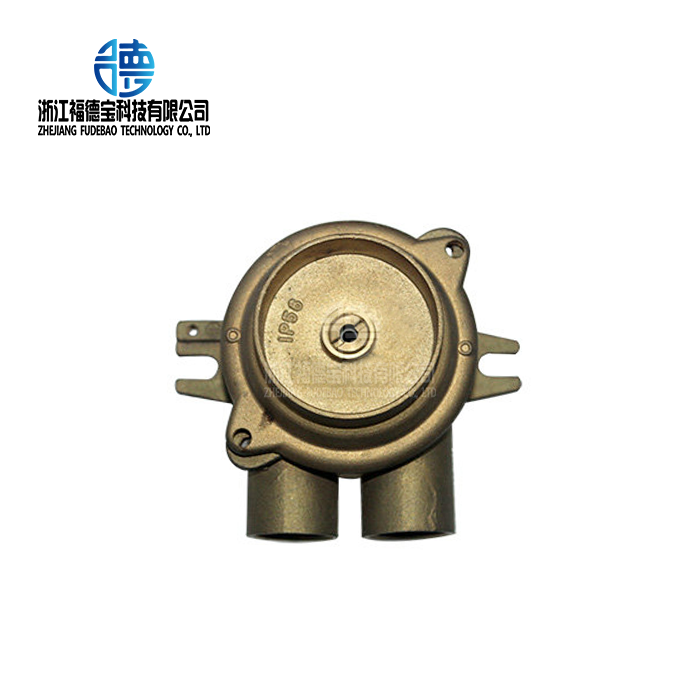
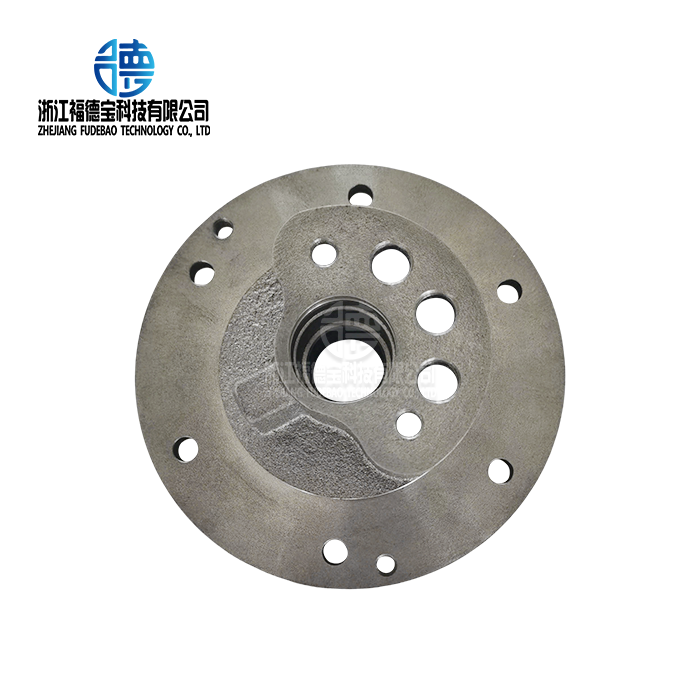
_1756350046757.webp "Heat sink aluminum casting")
_1756349696500.webp "Pulley aluminum casting")
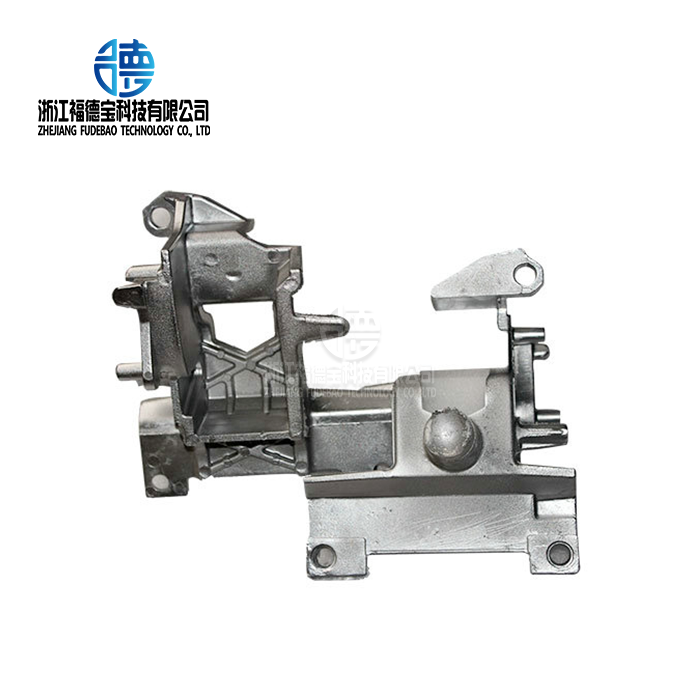
_1756346310015.webp "Aluminum castings Crane bracket")