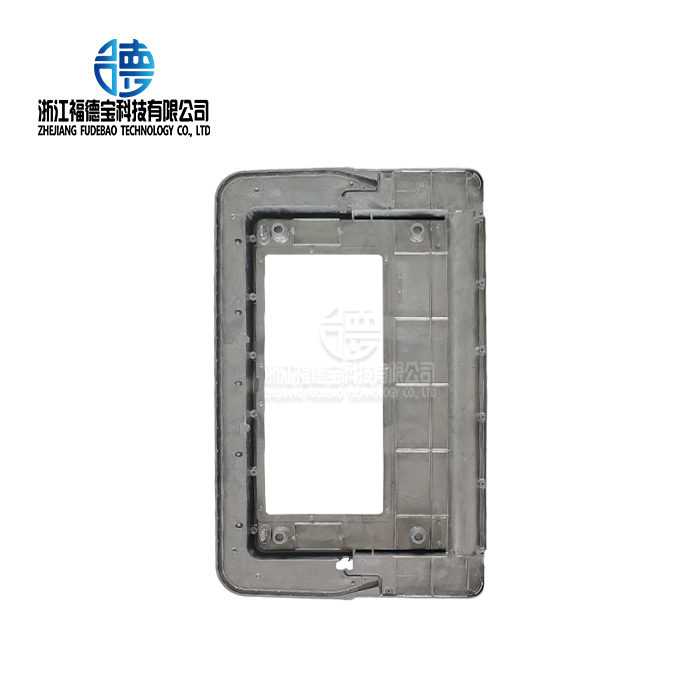
Common Defects in Copper Casting and How to Avoid Them
2026-06-17
When working with copper casting methods, it's important to know how defects show up in order to keep production quality high and parts reliable. Copper metals, like bronze, brass, and cupronickel, are very good at conducting heat, resisting rust, and being strong. But flaws in the casting process can change these qualities, which can lead to parts breaking, production delays, and higher costs. Problems like porosity, shrinkage holes, inclusions, cold shuts, and surface cracks often happen because of issues with the quality of the material, bad process controls, or mistakes in the design of the mold. When procurement professionals know about these flaws and what causes them, they can set clear standards for suppliers and put in place prevention plans that protect the quality of products used in flight, automotive, industrial machinery, and electrical infrastructure.
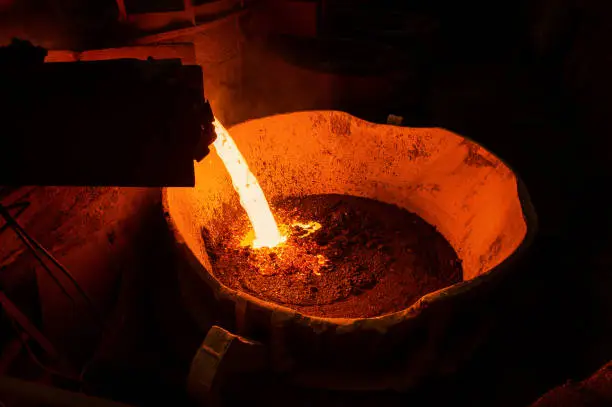
Understanding Common Defects in Copper Casting
Copper casting alloy processes turn liquid metal into useful parts by carefully letting it cool down. This metalworking method works well for making parts with complex designs and near-net shapes, which cuts down on the need for further cutting. Even with these benefits, problems arise when factors move out of their ideal areas.
Porosity and Gas Entrapment
Porosity shows up as tiny holes in the cast structure, which makes it less strong. This flaw is caused by hydrogen gas absorption during melting, which happens most often when moisture comes into touch with melted copper. As the part solidifies, the dissolved gas settles to the bottom, creating bubbles inside it. Porosity lowers tensile strength, makes stress concentration spots, and lets high-load parts like pump housings or motor brackets fail early from wear.
Shrinkage Cavities and Hot Tears
Copper alloys shrink by about 4 to 6 percent when they harden. When risers don't provide enough feed, internal holes called shrinking gaps appear. These flaws are mostly found in thick parts or places where solidification ends late. When thermal contraction pressures are higher than the material's strength, hot tears show up as uneven cracks in the late stages of solidification. Both flaws make it very hard for valves and connections used in electrical power distribution systems to meet pressure-tight standards.
Inclusions and Slag Contamination
Non-metallic bits, like oxides, sand pieces, or slag, get stuck in metal as it hardens. These flaws cause cracks to start and make the material less uniform. Oxide films are made when molten copper mixes with oxygen in the air, and sand particles come from mold surfaces that have been worn down. When parts are loaded and unloaded over and over, like in engine mounts and gearbox housings, parts with inclusions break early.
Cold Shuts and Misruns
When two metal lines meet without properly joining, a cold shut happens, leaving a seam or weak plane that can be seen. This occurs when the temperature of the spilling goes too low or the speed of the metal flow slows down before the filling is finished. Misruns show cavities that aren't fully filled, leaving gaps. Both flaws are caused by either bad gate design or not enough superheat, which affects the accuracy of measurements that are very important for CNC-machined aircraft parts.
Surface Defects and Dimensional Variations
Some common surface flaws are roughness, metal getting into plastic holes, and warping. These flaws make cutting margins bigger, which drives up production costs. Differences in dimensions are caused by mold temperatures that don't stay the same, bad pattern design, or mold breakdown that happens too soon. Tight standards are needed for precision electrical plugs and heat dissipation housings, so surface quality can't be compromised.
Root Causes and Analysis of Copper Casting Defects
There are three groups of things that can cause copper casting defects: the quality of the raw materials, controlling the process parameters, and managing the operating surroundings. Targeted protection tactics are possible when you understand these connections.
Raw Material Quality and Alloy Chemistry
How well a casting works is directly related to how pure the base metal is. Copper that has too much oxygen in it turns into copper oxide (CuO), which makes it less flexible and more likely to crack when heated. Adding phosphorus lowers the amount of oxygen in the mixture to a safe level below 0.02%. The alloy must be the right mix of metals. For example, aluminum bronze needs 9–11% aluminum for maximum strength, and tin bronze needs 10–12% tin for bearing uses. Deviation from these areas changes how solidification works and how easily defects can happen.
Process Parameters and Thermal Management
Controlling the melting point is very important. Copper metals need temperatures 50–100°C above their liquidus points to melt completely and flow well. When things are heated above 1250°C for too long, they absorb too many gases and the grains get bigger. The pouring temperature has to balance the need for movement with the risk of solidifying too quickly. Bronze usually pours between 1150°C and 1200°C, while aluminum bronze needs between 1180°C and 1230°C.
Operational Environment and Equipment Maintenance
The amount of wetness in mold is affected by the temperature in the foundry, especially in green sand systems. When the relative humidity is above 60%, mold growth is encouraged, which leads to gas problems. Climate control methods keep the ideal humidity level between 40 and 50 percent. Maintenance on the furnace stops refractory corrosion and pollution. Ceramic bits get into the metal streams through worn crucibles and ladle linings that aren't properly sealed.
Proven Best Practices to Prevent Common Copper Casting Defects
Systematic quality controls that are used in material buying, process execution, and inspection routines reduce the number of copper casting defects that happen and make sure that the parts are reliable.
Material Selection and Preparation Standards
Getting approved copper alloys from trustworthy sellers is the only way to be sure that the chemical makeup is correct. For general copper alloy sand castings, material certificates should show chemical analysis and confirm compliance with ASTM B584; for aluminum-bronze sand castings, they should confirm compliance with ASTM B148. Optical emission spectrometry is used for incoming analysis to check the makeup before melting.
Melting and Degassing Techniques
Using controlled heating processes lowers the amount of gas pickup and oxide formation. Putting clean materials into crucibles that have already been fired reduces the effects of thermal shock and crucible spalling. Flux adds, which are usually chemicals based on borax, cover the melt surfaces and stop oxidation from the air. Using nitrogen or argon covers to keep safe atmospheres in place lowers oxygen exposure even more.
Mold Design and Gating Optimization
If you build your gate system correctly, you can get laminar flow without any turbulence or air entrainment. Bottom opening systems make it easy for the metal to rise through the mold, and screens catch inclusions and oxide films. Riser placement and size must account for solidification shrinkage so that the casting is fed as it shrinks. Simulation software predicts how the material will fill and harden, finding possible problem areas before production starts.
Process Monitoring and Quality Control
Using thermocouples or infrared pyrometers to check temperatures in real time makes sure that dumping temperatures stay within the limits. Automated filling systems keep flow rates steady and reduce the amount of variation caused by people. Post-casting inspection uses non-destructive tests, visual inspection, and dimensional proof all at the same time.
Comparing Copper Casting Defects Mitigation with Other Methods
Knowing how copper casting stacks up against other metals methods helps buying teams choose the best ways to make things for specific uses.
Copper Casting versus Aluminum Casting
Copper alloys solidify at higher temperatures (900–1100°C), but aluminum alloys harden at lower temperatures (660–700°C). This means that aluminum alloys use less energy and put less stress on equipment. But aluminum has a higher solidification loss (6–8%), which raises the risk of porosity if feeding methods aren't used correctly. Copper metals are better at resisting wear and staying stable at high temperatures, which makes them ideal for high-temperature uses like electrical circuit parts, even though they are more difficult to work with.
Investment Casting versus Sand Casting
Investment casting makes complex copper parts with smooth surfaces and dimensions that are accurate to within ±0.13mm, which cuts down on the amount of work that needs to be done later. This method works well for parts with a lot of moving parts, like aircraft valve bodies and medical instrument parts. Sand casting is a cost-effective way to make industrial pump housings and heavy machinery bushings because it can handle bigger parts and higher production numbers with lower tooling costs.
Forging and Machining Alternatives
When you hot forge copper alloys, you get thick microstructures with great mechanical qualities. This gets rid of all the porosity that comes from casting. Forging, on the other hand, reduces the complexity of the geometry and needs a lot of secondary machining for things like internal pathways. Forging is only needed for high-stress shaft parts and structural brackets. Casting is a cheaper way to make complex valve bodies and electrical connections.
How Leading Copper Casting Suppliers Help You Minimize Defects
Working with skilled foundries that have cutting-edge tools and strict quality control systems guarantees copper casting parts that are consistent, free of flaws, and meet the most stringent needs of applications.
Advanced Casting Technologies and Process Control
Today's foundries use computer-aided modeling tools to plan how the metal will flow, transfer heat, and solidify before they start making things. These computer tools can guess where problems might happen, so changes can be made to gates and risers before they happen. Automated filling systems keep the temperature and flow rates stable, so people can't make changes that lead to cold shuts and misruns.
Material Traceability and Certification Systems
Reputable copper casting makers keep full records of all materials, from when they receive the raw materials to when they check the finished product. Each heat is given a unique number, and the results of the chemistry study are written down and kept. This makes it possible to quickly find the root cause of problems if they happen, which helps find the affected batches and stop quality problems from spreading.
Custom Engineering and Technical Support
Foundries with a lot of experience offer design-for-manufacturing consultations, which involve looking over component sketches to find problems that might come up during casting. Adjusting wall thickness changes to stop hot tears, adding draft angles to make mold removal easier, or moving parting lines to make cutting simpler are some of the suggestions that could be made. This way of working together keeps expensive redesigns from having to be done after production starts.
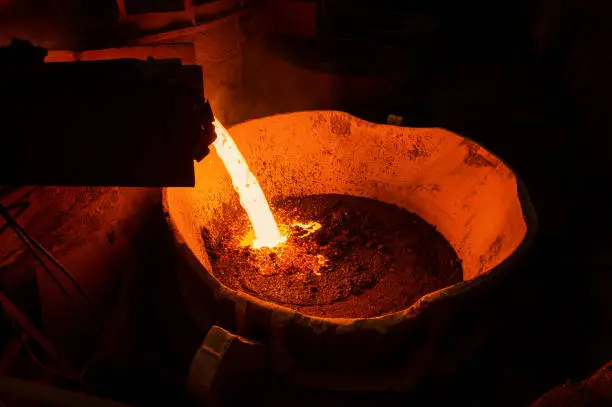
Conclusion
To handle copper casting flaws, you need to pay close attention to the quality of the materials, the discipline of the process, and the skills of the provider. Porosity, shrinking, inclusions, cold shuts, and surface flaws are all caused by things that can be changed, like too much moisture, not enough degassing, bad gate design, and not enough process tracking. By following best practices for certifying raw materials, melting processes, mold preparation, and regular checking, defect rates can be cut by a huge amount. Comparing copper casting to other ways makes it clear when this method gives the best performance and value for money. Using qualified suppliers with cutting-edge technologies, strong quality systems, and technical know-how guarantees consistent part quality that meets the needs of applications in aircraft, automobile, industrial machinery, and electrical infrastructure.
FAQ
How can we identify porosity defects before machining operations begin?
Radiographic inspection shows internal porosity without damaging the casting, so bad casts can be thrown away before they need expensive cutting. For thicker parts that are hard for X-rays to go through, ultrasonic tests can be used instead. As set out in ASTM E155 radiographic guidelines, these methods should be included in provider quality plans along with factors for acceptance.
What specifications should procurement teams reference when ordering copper castings?
ASTM B584 specifies the minimum makeup and mechanical properties for standard copper castings made of alloy sand. ASTM B148 talks about aluminum-bronze sand casts that are used in coastal and corrosive settings. European buyers can look at EN 1982 to find standards that are the same. These guidelines make sure that the properties of materials are always the same and allow comparisons between suppliers during buying evaluations.
Can existing copper castings with minor defects be salvaged through repair welding?
Aluminum bronze and cupronickel castings can be fixed with TIG welding and filler metals that match, as long as the flaws are small and not important. Bronzes that contain lead can't be welded because the lead presence causes them to crack when heated. Repairability relies on the part's use. For example, weld repairs are usually not allowed on pressure-containing housings, but localized fixes may be allowed on non-critical brackets after an engineering review.
Partner with Fudebao Technology for Superior Copper Casting Solutions
Your copper casting alloy problems can be solved by Zhejiang Fudebao Technology, which has combined production capabilities that include melting, casting, precise machining, and surface treatment. We have high-tech CNC machining centers, low-pressure casting machines, and automated finishing systems at our plant. These allow us to make precise car parts, industrial machinery parts, and electrical housings with dimensions as accurate as ±0.05mm. We have strict rules for certifying materials, keeping an eye on the production process, and inspecting finished products. These rules stop common mistakes and make sure we meet international quality standards. As a reliable copper casting supplier, we offer expert advice, custom engineering support, and fast prototyping services that cut down on the time it takes to make new products. Email our team at hank.shen@fdbcasting.com to talk about your unique needs and find out how our knowledge can turn casting problems into factory benefits.
References
American Foundry Society. (2019). Copper Alloy Casting Manual: Defect Analysis and Prevention Strategies. Des Plaines, IL: American Foundry Society Publications.
Campbell, J. (2015). Complete Casting Handbook: Metal Casting Processes, Metallurgy, Techniques and Design (2nd ed.). Oxford: Butterworth-Heinemann.
Davis, J.R. (Ed.). (2001). Copper and Copper Alloys: ASM Specialty Handbook. Materials Park, OH: ASM International.
Jolly, M.R., & Campbell, J. (2017). Modeling of Defects in Aluminum and Copper Alloy Castings. Metallurgical and Materials Transactions B, 48(6), 3006-3021.
Kainer, K.U. (2018). Metal Matrix Composites: Custom-Made Materials for Automotive and Aerospace Engineering. Weinheim: Wiley-VCH.
Stefanescu, D.M. (2015). Science and Engineering of Casting Solidification (3rd ed.). New York: Springer International Publishing.



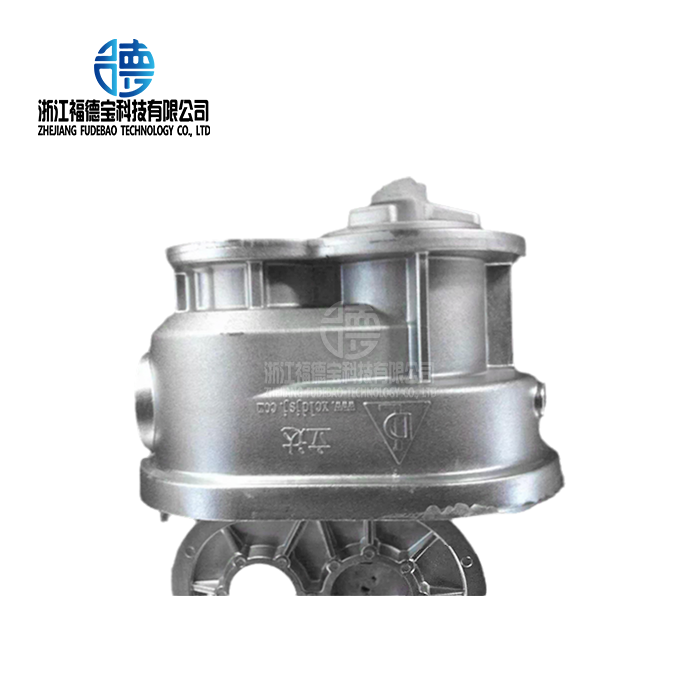
_1756352712247.webp "stainless steel hex plug")
_1756352400994.webp "chassis enclosure")
_1756349071334.webp "HAAS mounting bracket")
_1756348623524.webp "Turbine compressor housing")
_1756346570305.webp "Bracket aluminum casting")