How to Improve Dimensional Accuracy in Copper Castings?
2026-06-16
For procurement managers evaluating copper casting suppliers, dimensional accuracy is a critical indicator of manufacturing capability and long-term product reliability. Achieving consistent dimensional precision requires tight control over three key factors: pouring and solidification temperatures, mold material selection, and in-process inspection procedures. Suppliers that effectively manage these variables can consistently produce copper castings with tolerances as tight as ±0.05 mm, reducing secondary machining requirements and minimizing assembly issues. This level of precision is particularly important for automotive housings, electrical connectors, and industrial equipment components, where dimensional deviations can lead to increased production costs, quality defects, and premature component failure. When assessing potential suppliers, buyers should look for documented process controls, inspection records, and proven experience in manufac
Understanding Dimensional Accuracy Challenges in Copper Casting
Why Dimensional Precision Matters in Industrial Applications
How well copper-based parts work in real life is directly related to how accurately their dimensions are met. In car electrical systems, a connection that is even 0.2mm off from what is required can cause contact resistance, which can cause power drops and even system failures. The same problems happen with industrial pump housings that don't have good sealing surfaces, which leads to leaks and downtime. Tolerance ranges say how much of a variation is allowed—usually between ±0.1mm and ±0.5mm, depending on how important the application is—and geometric accuracy makes sure that parts like bolt holes and mating surfaces line up properly when they are put together.
Primary Causes of Dimensional Deviations
Copper's temperature expansion value (16.5 μm/m·K) makes copper casting harder to work with than steel or aluminum. Copper alloys lose about 1.5% to 2.1% of their volume when they solidify. This causes regular but significant changes in size that need to be taken into account when designing patterns. Mold material qualities make this problem even worse—for example, sand molds absorb heat differently than ceramic shells, which changes how fast they cool and how big the end product is. During the process, things like the pouring temperature (which is usually between 1150°C and 1250°C for copper alloys) and how fast the metal cools down have a big effect on how it shrinks and how it might twist.
Comparing Copper with Other Metal Castings
The physical stability of copper casting is different from that of bronze, aluminum, and brass. Aluminum solidifies more quickly and shrinks more (about 6%), but copper hardens more slowly, which makes it easier to control but requires longer cycle times. Bronze varieties that contain tin or aluminum often flow better and shrink less than pure copper, which makes them better for using in complex shapes. Brass molds are usually easy to shape, but you have to be careful with the zinc vapor during melting so that the makeup doesn't change in ways that change the size.
Key Factors Influencing Dimensional Accuracy in Copper Casting
Optimal Casting Process Parameters
Controlling temperature is the basis for getting accurate measurements. The pouring temperature needs to be just right so that there is enough flexibility for the mold to fill without being too hot, which makes the copper casting shrink. The best time to pour most copper alloy molds is 50°C to 100°C above their liquidus temperature. Controlling the rate of cooling by strategically placing chillers or insulation and guiding heat flow to avoid hot spots that cause flaws in localized shrinkage are all parts of solidification management. Controlled cooling that happens more slowly lowers the internal forces that can bend parts during later machining processes.
Influence of Mold Materials on Final Dimensions
Different casting methods can make things of different sizes:
Sand Casting: Can be used to make a lot of different forms, but the tolerances are usually not very good (±0.5mm to ±2mm) because the structure of the sand grains and the amount of water in the mold affect how stiff it is. Chemically bound systems don't expand as much when heated as green sand molds do, so careful design allowances are needed.
Investment Casting: Gives a better finish on the outside and more accurate measurements (±0.13mm to ±0.25mm) thanks to ceramic shell models that stay stable in size even when heated to high temperatures. The lost-wax method gets rid of splitting lines and lets you make complex interior holes with few draft angles.
Graphite and Permanent Molds: Are great for high-volume production because they can transfer heat well and keep the same dimensions. Graphite molds can handle the sudden change in temperature of liquid copper and keep their shape over thousands of casting rounds.
Casting Method Selection and Accuracy Trade-offs
Sand casting is still a cheap way to make small to medium-sized parts and low- to medium-volume items, but it needs a lot of cutting (3mm to 6mm per surface) to get to the finished size. Centrifugal casting makes cylinder-shaped parts like bushings that are thick, have no holes, and have good circular tolerances. However, the process needs to be carefully tuned for axial dimensions. Investment casting costs a lot, but it produces parts with almost perfect shapes that waste less material and take less time to machine. This is especially helpful for copper alloys where the cost of raw materials has a big effect on the overall cost of the part.
Practical Strategies to Improve Dimensional Accuracy
Pre-Casting Simulations and Mold Design Modifications
Before cutting molds, advanced modeling software lets you see how melts run, how they solidify, and how they shrink. These digital tools find possible hot spots, guess distorted patterns, and find the best place for the locking system to ensure directional solidification. Changes to the mold design include changing the pattern sizes to account for the measured shrinking rates that are unique to your metal and the way it cools. Chills put carefully in heavy sections speed up local cooling and stop shrinkage holes that threaten the integrity of the dimensions.
Quality Control Protocols and Early Defect Detection
By setting up measurement checkpoints throughout production, copper casting errors are caught before they spread. Coordinate measuring machines (CMM) check that first-article samples have the right critical measurements. This sets the standard data for statistical process control. An X-ray shows that there are holes inside the material, which can make it lose its shape when it's under load or when the temperature changes. When measurements don't match up, consistent methods let you figure out why. Was the problem mold wear, temperature drift, or changes in the material's composition?
Real-World Case Studies from Leading Manufacturers
A major car supplier cut the number of rejected parts from 8% to less than 2% by tracking temperatures in real time while making copper alloy housings. By connecting changes in pouring temperature with results in terms of size, they were able to set more precise process windows that led to better accuracy. Another company that makes industrial machines switched to investment casting for complicated valve bodies. This got rid of three machining steps, cut lead times by 40%, and increased tolerances from ±0.3mm to ±0.15mm. These cases show that investing in technology and following strict processes can lead to measured quality gains.
For delivery to go well, buying teams and foundry partners need to work together. By sharing information about the application, the level of tolerance, and the expected number, providers can suggest the best process combinations and buy the right tools. Regular design reviews make sure that casts are made in a way that makes them as easy to make as possible. Things like regular wall thickness and good draft angles have a direct effect on how accurate they can be made and how quickly they can be made.
Procurement Considerations for Enhancing Copper Casting Accuracy
Sourcing High-Grade Copper Ingots and Mold Materials
The quality of the materials is what makes physical success possible. Copper casting ingots that meet the requirements of ASTM B216 have a uniform chemical makeup. This means that there are fewer changes in thermal qualities that affect how the copper shrinks. Professionals in charge of buying things should check that suppliers are certified and ask for material test records (MTRs) that show composition analysis. The materials used for molds need to be looked at carefully too, because the sand grain distribution, glue chemistry, and moisture content all have a big effect on how stable the cast is. Building ties with reliable material sources who know what the foundry needs will keep quality issues from coming up during the ramp-up of production.
Investing in Advanced Casting Machinery
Newer casting equipment has settings for the process that older systems don't have. Automated pouring devices keep the temperature and flow rate of the metal constant, so there is no room for error. Low-pressure casting tools carefully control the fill speed and solidification pressure. This lowers flaws caused by turbulence and raises the consistency of the dimensions. Even though the initial investment seems big, the drop in scrap rates, repair costs, and customer comments about quality usually pays for itself in 18 to 24 months for medium- to high-volume uses.
Partnering with Expert Foundries and Service Providers
Expertise in the foundry is just as important as the skill of the tools. Expert metallurgists know how different alloys behave and can fix problems with dimensions by making changes to the process instead of spending a lot of money on changing the tools. Custom casting service providers that promise to ongoing growth by joining industry groups, implementing new measuring technologies, and working toward ISO 9001 and IATF 16949 certifications show a dedication to quality that leads to reliable dimensional performance. As part of your due research, you should check the facilities, look at the capabilities of related parts, and talk to current buyers in your industry group to get references.
Safety and Best Practices for Consistent Quality
Essential Safety Protocols for Molten Copper Handling
Copper casting's high melting point makes burns very dangerous and calls for complete safety measures. People working there have to wear aluminized heat-resistant suits, face shields, and special gloves made for working with molten metal. In places with furnaces, there should be emergency eyewash stations and safety showers within 10 seconds' journey time. Controls for the environment include making sure there is enough air flow to get rid of metal fumes and burning gases and keep the air quality below the levels allowed by OSHA. These rules keep workers safe and stop accidents that stop output and mess up the regularity of dimensions.
Routine Equipment and Mold Maintenance Programs
Schedules for preventative repair make sure that casting equipment works as it should. Regular cleaning and repair of furnace refractory linings is needed to stop heat loss that affects the accuracy of temperature control. Controlling the temperature and humidity during mold storage keeps the sizes of designs and cores stable. Dimensional data stays accurate by calibrating measuring tools against approved norms. If you don't do these basic upkeep tasks, you add variables that can change the results of dimensional analysis, even if other process parameters are managed well.
Continuous Team Training and Skill Development
Because casting technology is always changing, workers need to keep learning in order to keep the quality of their work high. Teams learn how to find and fix dimensional problems before they happen by going to certified training on things like flaw analysis, statistical process control, and the basics of metalworking. Cross-training workers on more than one station makes them more flexible and helps people learn how decisions made upstream affect outcomes downstream. Companies that put money into their employees regularly do better than their rivals in terms of quality metrics, delivery performance, and customer happiness.
Conclusion
To get very accurate measurements in copper castings, you need to combine metallurgical understanding with strict process control and long-term partnerships with suppliers. The ideas we talked about—improving thermal factors, choosing the right mold systems, following strict measurement rules, and keeping tools reliable—form a broad framework that can be used in many fields, from cars to industrial machinery. If procurement workers know about these technical factors, they can better evaluate sellers, be more specific about what they need, and work together more effectively to meet dimensional goals. As manufacturing gets more complicated and tolerances get tighter, understanding the accuracy of copper casting becomes a competitive advantage that lowers the total cost of ownership and raises the trustworthiness of the product.
FAQ
What temperature range works best for pouring copper alloys?
When poured between 1150°C and 1250°C, which is about 50°C to 100°C above their liquidus temperature, most copper alloys are most accurate in terms of their dimensions. This range has the right amount of liquid to fill the mold completely without using too much superheat, which speeds up the shrinking and oxidation processes. Because their melting points are higher, aluminum bronze alloys usually need a little higher temperatures. Leaded bronzes, on the other hand, can be poured at lower temperatures.
How does mold material choice affect dimensional outcomes?
Most of the time, mold materials that have lower thermal expansion coefficients and higher thermal conductivity give more accurate measurements. When used in investment casting, ceramic shell molds keep tight tolerances because they are stiff and don't expand much when heated. When metal is poured into sand molds, they spread more, so bigger design allowances are needed to make up for this. When heat is applied at the same rate over and over again, graphite molds create regular shrinkage patterns that make them very repeatable.
Can custom casting services achieve tighter tolerances than standard processes?
Tolerances that are 50% tighter than industry standards are often reached by specialized foundries that have advanced process controls, modeling software, and precise measurement systems. When it comes to important features, investment casting experts can get within ±0.13mm, and high-pressure die casting operations can keep within ±0.08mm for aluminum copper alloys. These features cost more, but they get rid of the need for extra cutting, which lowers the overall cost of production for complicated shapes.
Partner with Fudebao Technology for Precision Copper Casting Solutions
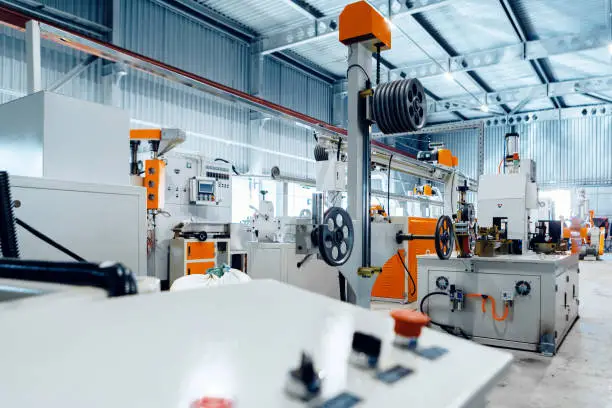
Copper casting has problems with dimensions that need partners with both metalworking knowledge and advanced manufacturing skills. At Fudebao Technology, we have a combined center that handles the whole production chain, from melting to precise machining, and we can support tolerances of up to ±0.05mm on important features. We have high-speed CNC machining centers, low-pressure casting machines, and advanced checking systems that make sure that all of our production runs have the same physical performance. Our engineering team works with you from design optimization to PPAP paperwork, whether you need copper alloy housings for electrical systems in cars or precision joints for industrial machinery. Get in touch with our copper casting experts at hank.shen@fdbcasting.com to talk about your measurement accuracy needs and find out how working with an experienced copper casting company can speed up your supply chain and improve the quality of your parts.
References
American Foundry Society. (2021). Casting Design and Performance Standards for Copper Alloys. Des Plaines: AFS Publications.
Campbell, J. (2015). Complete Casting Handbook: Metal Casting Processes, Metallurgy, Techniques and Design (2nd ed.). Oxford: Butterworth-Heinemann.
ASM International Handbook Committee. (2018). ASM Handbook Volume 15: Casting. Materials Park: ASM International.
Beeley, P.R., & Smart, R.F. (2017). Investment Casting: Principles and Practice. London: Institute of Materials.
Copper Development Association. (2019). Standards Handbook: Cast Copper and Copper Alloy Products (Part 7). New York: CDA Publications.
North American Die Casting Association. (2020). Product Specification Standards for Die Castings: Dimensional Tolerances and Quality Guidelines (5th ed.). Arlington Heights: NADCA.



_1756361323684.webp "column guide sleeve")
_1756352822273.webp "Stainless steel plugs")