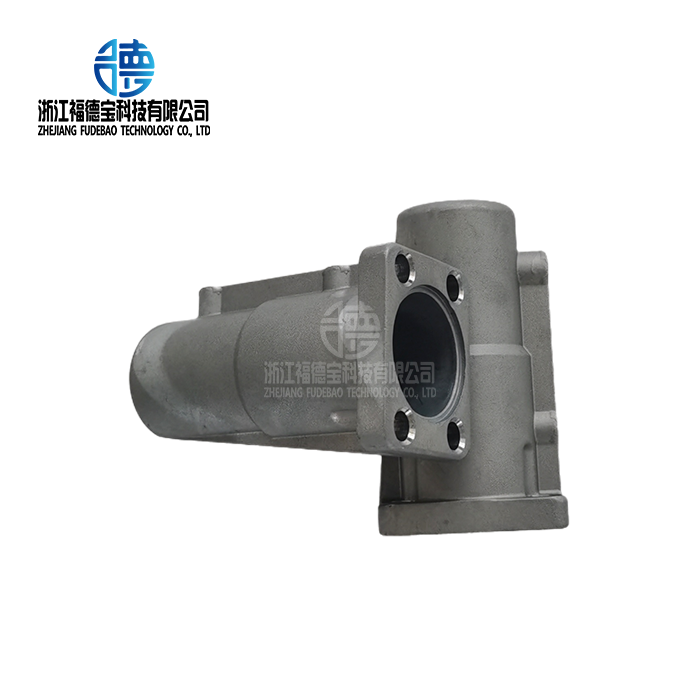
Why Aluminum Die Casting Is Ideal for High-Volume Manufacturing?
2026-06-04
When manufacturers need dozens or millions of identical metal parts, aluminum die casting is the answer. The high-pressure manufacturing technique presses molten aluminum alloy into precision steel molds at over 1,500 psi, producing items with excellent dimensional accuracy and smooth surfaces. Aluminum die casting minimizes per-unit costs at scale, eliminates secondary machining procedures with near-net-shape manufacturing, and speeds up cycle times without sacrificing structural integrity.
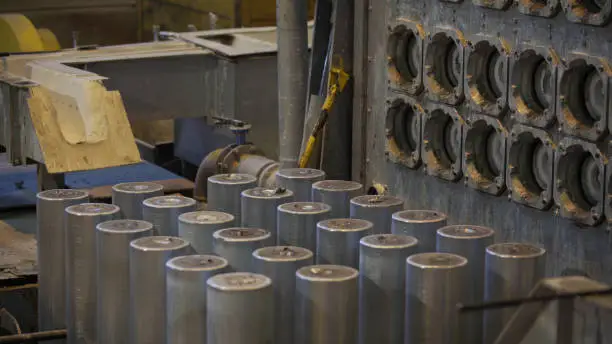
Understanding Aluminum Die Casting and Its Advantages in High-Volume Production
The Core Process Behind Mass Production Excellence
In the high-pressure aluminum die casting technique, molten aluminum alloy—usually A380, ADC12, or AlSi9Cu3—is pumped into hardened steel dies at millisecond speeds to fill precise cavities. Rapid injection and controlled cooling build metallurgical structures with constant mechanical characteristics throughout millions of manufacturing cycles. Aluminum die casting molds last tens of thousands of cycles before needing refurbishment, changing the economics of large-volume orders. Sand and investment casting need mold destruction after each cycle.
Lightweighting Without Sacrificing Strength
With a density of 2.7 g/cm³, aluminum is one-third the weight of steel or zinc, yet contemporary aluminum alloys may attain tensile strengths of 300 MPa when treated. This strength-to-weight ratio meets the automobile industry's persistent quest of fuel economy and electric vehicle range. Automotive tier-1 suppliers may save 60-70% weight by replacing steel brackets with aluminum die casting equivalents while meeting crash test and vibration resistance standards that affect vehicle NVH performance.
Dimensional Precision That Eliminates Secondary Operations
Engineering managers require assembly-line compatibility, and aluminum die casting tolerances generally vary from ±0.05mm to ±0.15mm, depending on component geometry and size. With this precision, mounting bosses, fastening features, and alignment surfaces come out of the die ready for assembly without drilling, tapping, or milling. When procurement teams consider total production costs, reducing four additional machining processes on a component produced at 500,000 units yearly saves labor and equipment and boosts program profitability.
Aluminum Die Casting vs. Other Manufacturing Methods: Making the Right Choice
Comparing Casting Technologies for Volume Production
Sand casting has cheaper tooling costs but poor dimensional consistency and surface smoothness, necessitating significant machining to create usable surfaces. Investment casting has high detail resolution but takes hours to cycle, making it uneconomical for orders over 10,000 pieces. Permanent mold casting is in between but cannot match high-pressure aluminum die casting productivity or complexity. Aluminum die casting wins when yearly volume needs surpass 5,000–10,000 units, depending on component complexity and tolerance requirements, when sourcing directors consider production options.
Material Alternatives: Zinc, Magnesium, and Plastic
Zinc die casting has better surface finishes and tighter tolerances than aluminum, but it is too heavy for lightweighting. Magnesium has greater strength-to-weight ratios but is harder to handle and costs more, limiting its use. Plastic injection molding rivals on cycle speed and complexity but cannot match aluminum die casting's structural performance, heat resistance, or electromagnetic shielding. Aluminum's thermal conductivity of 96-120 W/m·K channels heat away from sensitive components and provides RFI/EMI shielding, unlike plastic, which cannot effectively dissipate heat from high-speed electronics in 5G base station enclosures.
Lead Time and Total Cost Analysis
Aluminum die casting tooling is expensive, taking 8-16 weeks to design, fabricate, and validate sophisticated multi-cavity dies. After manufacturing starts, 30-90 second shot cycles provide daily output that quickly amortizes tooling costs. Transparent quotation structures that segregate tooling costs from piece-part prices provide accurate overall program cost modeling for procurement teams working with trustworthy suppliers. Machining processes are unpredictable due to tool wear, programming modifications, and material loss, making budget planning for high-volume applications difficult.
Best Practices When Procuring Aluminum Die Casting Services for High-Volume Orders
Supplier Qualification and Capability Assessment
Selecting a aluminum die casting partner needs assessing talents beyond simple casting. Advanced facilities like Zhejiang Fudebao Technology combine melting, casting, precision machining, and surface treatment. Multi-vendor supply chains pose coordination and quality problems, but consolidation eliminates them. Quality teams inspect potential suppliers for equipment sophistication—high-speed machining centers, CNC lathes, and automated inspection systems indicate the technical capacity to meet automotive PPAP documentation requirements and maintain dimensional stability across hundreds of thousands of units.
Alloy Selection for Performance Optimization
Different aluminum alloys have different property profiles that mechanical engineers must match for applications. Electrical housings and consumer electronics chassis benefit from A380 alloy's fluidity in thin-wall sections and complicated geometries. For vehicle exterior components, ADC12 has excellent die-filling and corrosion resistance. A356 alloy, utilized in low-pressure or gravity casting, is sometimes employed in aluminum die casting applications that need maximal mechanical qualities. Technical procurement experts and foundry metallurgists choose alloy compositions that balance castability, mechanical performance, and post-casting machinability based on the component's service environment and loading circumstances throughout design.
Design for Manufacturability Principles
Successful high-volume aluminum die casting projects use DFM from the start to avoid costly tooling adjustments after die manufacture. Uniform wall thickness from 1.5mm to 4mm improves cooling and reduces warpage. Draft angles of 1-3 degrees allow part ejection without surface damage. Internal features must be carefully assessed since aluminum die casting can provide complicated internal channels, but cores complicate tooling and may slow production. By including casting specialists in design reviews, engineering managers may optimize yield rates, die life, and per-unit manufacturing costs by 15-30%.
Quality Assurance Protocols for Volume Production
Scaling from prototypes to production requires solid quality processes. Statistical process control detects process drift before damaged items reach assembly by monitoring critical dimensions and mechanical qualities across aluminum die casting manufacturing cycles. At regular intervals, coordinate measurement machines check essential characteristics to meet customer quality standards and promote ongoing progress. Initial production run sample evaluation confirms process capability indices (Cpk values) that indicate long-term quality. Before production release, quality directors need suppliers to do facility audits and capacity assessments to show these systematic techniques.
Addressing Common Challenges and Defects in Aluminum Die Casting
Porosity: Causes and Prevention Strategies
Gas porosity and shrinkage porosity are the most prevalent aluminum die casting flaws, caused by dissolved gasses precipitating during solidification or inadequate metal supply creating gaps in heavier portions. Die cavities using vacuum-assisted die casting technologies have less air, reducing porosity in crucial structural sections. Proper gating ensures molten metal fills the die gradually without air-entrapping turbulence. Strategically placed overflow wells absorb initial metal flow containing oxides and gasses, preventing contamination of component functions. When sourcing directors analyze suppliers, they ask about vacuum systems and modeling software, which separate foundries that can make pressure-tight hydraulic component castings from those meant for non-critical applications.
Surface Finish and Dimensional Stability
Die surface conditions impact aluminum die casting surface quality. Smooth die surfaces require little cleaning after casting. However, well-maintained dies will have heat checks, microscopic fractures generated by repeated thermal cycles. These fissures appear on cast surfaces. Prevention strategies that monitor dies and schedule refurbishments don't lower quality. Heat expansion during solidification causes dimensional instability. This causes characteristics farther from the gate alter more. Simulation software forecasts these dimensional shifts during design, allowing engineers to include compensation factors to guarantee completed dimensions meet specification after cooling and ejection.
Emerging Technology Integration
Thermal imaging cameras and pressure sensors can detect process issues in real time, halting production or making modifications before too many damaged parts accumulate. AI systems search historical process data for minor correlations between parameter changes and problems. This permits predictive maintenance to prevent equipment failure during critical aluminum die casting production runs. Aircraft quality directors and automotive engineering managers want six-sigma quality and thorough documentation for every component, and these smart manufacturing solutions fulfill their operational excellence demands.
Real-World Applications and Future Trends in Aluminum Die Casting for B2B Manufacturers
Automotive and Electric Vehicle Components
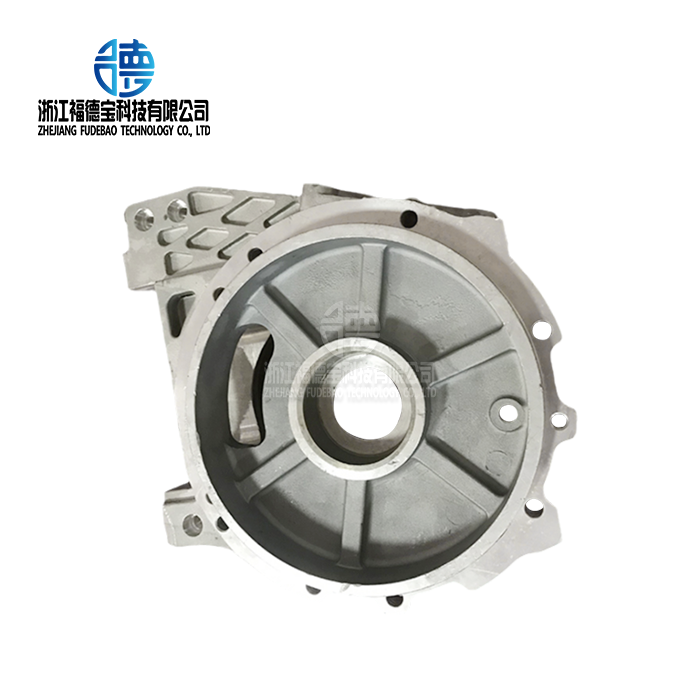
Modern automobiles increasingly employ aluminum die casting transmission housings, engine blocks, battery enclosures, and structural nodes. Electric car makers seek weight reduction because every kilogram of vehicle mass eliminated increases driving range by 0.5-1.0%, addressing consumer range anxiety. Aluminum die casting structural castings that combine stamped and welded pieces simplify assembly and improve torsional stiffness. Leading EV manufacturers pioneered this design approach to show how aluminum die casting technology allows architectural advancements that traditional production cannot.
Industrial Machinery and Heavy Equipment
Aluminum die casting's corrosion resistance and thermal management assist pump housings, gearbox components, and compressor parts in harsh industrial settings. Aluminum's oxide coating prevents corrosion in chemical processing and marine applications, unlike cast iron. Hydraulic systems benefit from the material's thermal conductivity, which avoids fluid deterioration and preserves viscosity. OEM project leaders selecting these components want vendors with flexible batch manufacturing capabilities to accommodate order quantities that vary with equipment production schedules while preserving quality and lead times.
Telecommunications Infrastructure and Energy Systems
The global 5G network buildout requires millions of heat sinks, equipment housings, and antenna brackets with thermal management and weather resistance for outdoor installation. Properly constructed aluminum die casting components safeguard sensitive electronics from dust and water for decades. Die-cast electrical housings, motor components, and mounting brackets in renewable energy systems resist UV radiation, temperature cycling, and corrosive coastal atmospheres without losing effectiveness. Electrical engineers specifying these components reward vendors that understand current energy infrastructure's thermal engineering, electromagnetic compatibility, and environmental endurance.
Aerospace Applications and Certification Requirements
Aerospace components need the best low weight, strength, and traceability. Investment casting dominated aerospace applications, but modern aluminum die casting methods now fulfill material and inspection requirements. Complete material traceability from ingot source to final machining, non-destructive testing, and thorough documentation satisfy aerospace quality directors' strict scrutiny. Aluminum die casting is cheaper than machined-from-solid when component shape has thin walls, intricate internal features, or integrated mounting facilities that would take too long to manufacture.
Sustainability and Circular Economy Considerations
Aluminum die casting benefits from aluminum's unlimited recyclability without property deterioration as companies pursue sustainability. Foundries use 30–50% recycled aluminum in alloy charges, lowering primary aluminum use and carbon emissions. End-of-life vehicle and equipment scrap enters the production cycle, generating closed-loop material flows that meet corporate sustainability goals. The circular economy appeals to strategic sourcing teams that examine suppliers' environmental performance as part of their vendor assessment.
Conclusion
High-volume manufacturing requires constant quality, predictable prices, and fast throughput across months or years. Aluminum die casting meets these criteria thanks to mature technology that blends metallurgical research, precise tooling, and process control systems perfected over decades of industrial use. The automotive, industrial, electrical, and aerospace industries rely on the method's strength-to-weight ratios, dimensional precision, and few secondary procedures to build complicated geometries. Aluminum die casting technology evolves with production toward lightweighting, sustainability, and smart factory integration, staying relevant via constant innovation that meets industry needs.
FAQ
What minimum order quantity makes aluminum die casting cost-effective compared to machining?
The economic crossover point is usually between 5,000 and 10,000 units per year, depending on component complexity and tolerances. Tooling expenses amortize, lowering per-unit costs as production volumes grow. Aluminum die casting removes numerous secondary processes, thus components needing heavy machining break even at lesser volumes.
How does alloy selection impact component performance in high-temperature applications?
Common aluminum die casting alloys like A380 have mechanical qualities up to 150°C, suitable for automotive and industrial applications. Special alloys and heat treatment procedures raise component service temperatures to 200-250°C near engines and exhaust systems, raising material prices.
What certifications should suppliers possess for automotive supply chain participation?
Automotive industry-compliant quality systems are IATF 16949 certified. PPAP paperwork shows the supplier can consistently produce components that fulfill dimensions and material criteria. Environmental management certifications like ISO 14001 are widely used to pick suppliers.
Can aluminum die casting achieve the dimensional tolerances required for machined mating surfaces?
Aluminum die casting surfaces generally have ±0.05-0.15mm as-cast tolerances, suitable for many applications. Post-cast machining is used to achieve tolerances of ±0.01mm or tighter on critical mating surfaces, bearing bores, and precision mounting features, combining aluminum die casting's efficiency with machining's accuracy.
Partner with Fudebao Technology for Your High-Volume Die Casting Requirements
Zhejiang Fudebao Technology, a leading aluminum die casting company in China's precision metalworking sector, provides complete melt-to-surface solutions. Our facility features modern machining centers, CNC lathes, low-pressure casting machines, and die casting equipment with tolerances of ±0.05mm, meeting automotive component and medical device enclosure standards. We provide engineering managers and sourcing directors with technical expertise and quality systems for essential component programs in the automotive, industrial equipment, machinery manufacturing, and aviation sectors worldwide. Contact hank.shen@fdbcasting.com to discuss your project specs and learn how our one-stop manufacturing streamlines your supply chain and ensures high-volume production quality.
References
North American Die Casting Association. (2022). Product Specification Standards for Die Castings Produced by the Semi-Solid and Squeeze Casting Processes. NADCA Technical Publication.
Kaufman, J. Gilbert, and Rooy, Elwin L. (2004). Aluminum Alloy Castings: Properties, Processes, and Applications. ASM International Materials Park.
Campbell, John. (2015). Complete Casting Handbook: Metal Casting Processes, Metallurgy, Techniques and Design. Butterworth-Heinemann Technical Publishing.
Society of Automotive Engineers. (2021). Aluminum Alloys for Automotive Applications - Material Properties and Performance Standards. SAE Technical Paper Series J452-J456.
Herman, Emily A. (2019). Die Cast Engineering: A Hydraulic, Thermal, and Mechanical Process. Marcel Dekker Manufacturing Engineering Series.
International Journal of Metalcasting. (2023). Recent Advances in High-Pressure Die Casting Process Control and Quality Optimization. Volume 17, Issue 2, Springer Publications.



YOU MAY LIKE
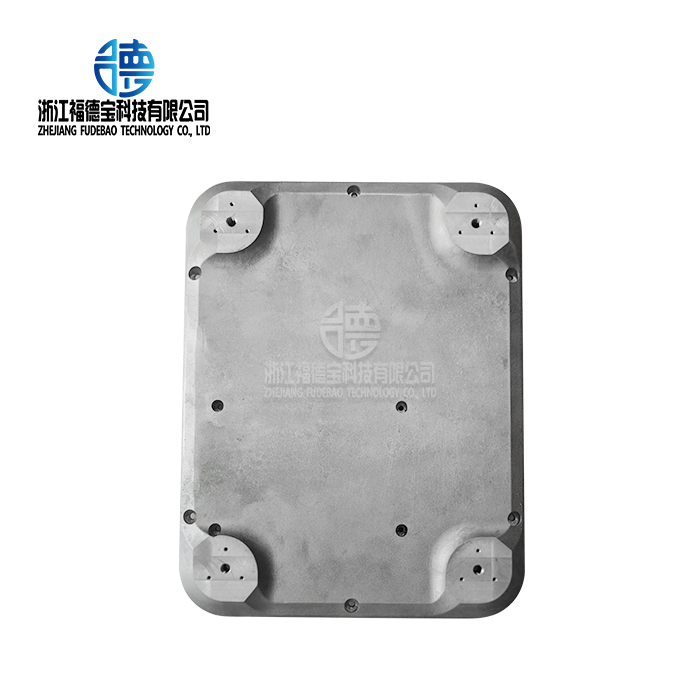
_1756352822273.webp "Stainless steel plugs")
_1756352712247.webp "stainless steel hex plug")
_1756346613780.webp "Aluminum tent base Casting")
_1756346144394.webp "aluminum die casting hinge")