
How to Reduce Porosity in Aluminum Die Casting Parts?
2026-06-05
Porosity in aluminum die casting parts must be reduced by optimal mold design, melt quality control, and process parameter management. Fudebao Technology uses vacuum-assisted die casting, strict degassing, and sophisticated X-ray inspection to detect microscopic voids before parts leave our facility. Our integrated approach—from melting to finishing—ensures aluminum die casting components meet structural integrity and dimensional accuracy requirements in automotive, aerospace, and industrial equipment, where even minor internal defects compromise performance and safety.
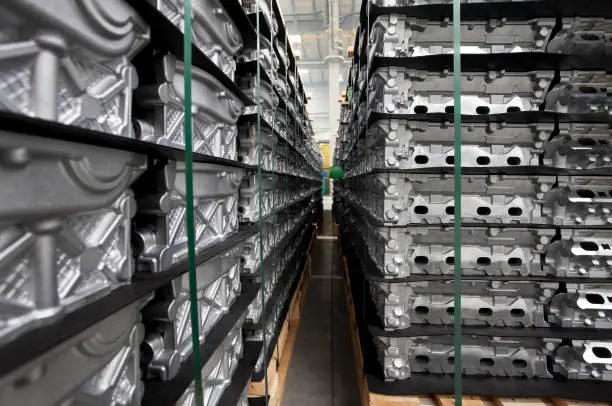
Understanding Porosity in Aluminum Die Casting
One of the biggest quality issues in cast aluminum manufacturing is porosity, which causes tiny voids in the metal matrix that undermine structural integrity and surface polish. Internal voids form during aluminum die casting solidification when trapped gasses or volumetric shrinkage leave gaps the metal cannot fill.
Types of Porosity Defects
Rapid cooling traps hydrogen, the only gas appreciably soluble in molten aluminum, causing gas porosity. Hydrogen in aluminum die casting usually comes from raw material moisture, furnace environment contamination, or molten metal-die coating chemical interactions. When liquid metal is not fed enough to compensate for volume decrease during solidification, shrinkage porosity develops. Mixed porosity makes quality control inspections difficult by combining both methods.
Impact on Mechanical Performance
Internal voids greatly diminish finished component tensile strength and fatigue resistance. North American Die Casting Association research shows that porosity levels above three percent can impair part strength by up to forty percent, rendering components unsuitable for safety-critical automotive and aerospace applications. Porosity creates leak routes in pressure-containing components like transmission housings and hydraulic valve bodies, causing field failures and costly warranty claims. Electrical enclosures in severe environments suffer from coating adhesion and corrosion resistance due to surface porosity.
Alloy Susceptibility Variations
Different aluminum alloys have different porosities due to their chemical composition and solidification. The automobile industry uses A380 alloy for its outstanding castability and moderate strength. Its increased silicon concentration promotes fluidity and hydrogen solubility. A356 alloy, used in aerospace and high-performance applications, has better mechanical qualities but requires stricter process controls to minimize aluminum die casting porosity due to its longer solidification range and lower eutectic percentage.
Root Causes of Porosity in Aluminum Die Casting
Porosity sources must be identified by analyzing process design, material handling, and environmental conditions. We investigate root causes when defect rates surpass statistical control limits at our plant to identify controllable factors.
Process-Related Factors
Mold design greatly affects porosity development by affecting metal flow and air evacuation. Poor venting prevents trapped air from exiting the die cavity during high-speed injection, causing gas pockets that harden into porosity. Poorly placed gates induce turbulent flow that entrains air into the molten metal stream, while large gates prematurely solidify and prevent feeding during shrinkage. Too much injection speed causes turbulence and air entrapment, while too little speed traps gasses during aluminum die casting when they freeze too early.
Temperature controls gas solubility and solidification. Low die temperatures produce cold closes and premature solidification, whereas high temperatures enhance hydrogen pickup and shrinkage flaws. Melt temperature differences of 20°F can quadruple aluminum die casting porosity in sensitive applications, making thermal consistency crucial for defect management.
Material Quality Issues
Aluminum casting material porosity is mostly caused by hydrogen contamination. When moisture penetrates raw materials, fluxes, or furnace refractories, it dissolves into molten aluminum quickly as hydrogen gas. Foundry studies show that ingots held in humid settings without protection can triple aluminum die casting melt hydrogen concentration within weeks. Through nucleation sites and gas entrapment processes, melt cleanliness affects porosity rates. Oxide coatings, dross particles, and other impurities favor hydrogen bubble formation and growth during solidification. Contaminated charge materials add gas sources and lower melt quality, requiring strict incoming material examination and handling.
Environmental and Operational Variables
Die coatings, releasing agents, and metal surfaces absorb humidity, which transforms to hydrogen during aluminum die casting. To maintain porosity, coastal or high-humidity manufacturing facilities require improve environmental management. Thermal management and surface condition affect defect rates. Worn dies with defective coatings or broken cooling channels cause temperature swings that encourage porosity. Automation develops, but operator expertise and process discipline remain crucial. Experienced operators notice metal flow patterns, die spray coverage fluctuations, and furnace performance drift that automated systems may overlook. Porosity control is implemented consistently across production shifts through comprehensive training and SOPs.
Proven Methods to Reduce Porosity in Aluminum Die Casting
Design, material preparation, and process execution must be coordinated to reduce porosity. Our integrated aluminum die casting manufacturing method tackles these interrelated elements rather than addressing symptoms.
Optimizing Die Design and Gating Systems
Before tooling manufacturing, advanced die design uses computer modeling to forecast metal flow, air entrapment, and shrinkage-prone areas. MAGMA and Flow-3D allow engineers to digitally test numerous gating configurations to find those that reduce turbulence and increase air evacuation. Vents along dividing lines and expected air trap sites allow displaced gases to escape without metal flash. Flow pattern termination overflow wells collect turbulent metal with entrained air, preventing it from entering the final part cavity. During injection, vacuum-assisted aluminum die casting methods create negative pressure in the die cavity, decreasing residual air pressure from ambient levels to below fifty millibars. Aluminum die casting is useful for big, intricate castings where traditional venting cannot fully expel trapped air.
Melt Quality Control and Degassing
Porosity prevention at our facilities starts with strict melt treatment methods. Continuous nitrogen or argon gas rotating degassing removes dissolved hydrogen from molten aluminum by controlled bubble dispersion. Aluminum die casting melt treatment cuts gas porosity risk by 70% by lowering hydrogen concentration from zero-three milliliters per hundred grams to below zero-one. Filtration removes oxide coatings and inclusions that nucleate porosity. Gating systems with ceramic foam filters remove particles bigger than specified micron values, cleaning the die cavity. Reduced pressure testing, a defined approach that measures porosity development in tiny test samples solidified under vacuum, verifies melt quality and hydrogen concentration.
Process Parameter Optimization
Injection settings are precisely controlled to deliver metal without turbulence or premature solidification. Our high-speed machining centers and CNC equipment keep aluminum die casting injection velocity within low tolerances tailored for item shape and alloy system. Multi-stage injection profiles begin with slow cavity filling to reduce turbulence, move to high-speed filling to pack die cavities, and end with intensification pressure to mitigate solidification shrinkage. Advanced cooling channel design and temperature control modules guarantee die temperature uniformity across manufacturing cycles. Infrared sensors continually monitor die surface temperatures and automatically adjust cooling rates to balance productivity and porosity. Thermal shot-to-shot uniformity decreases porosity fluctuation and increases process capability.
Post-Casting Treatment Options
Heat treatment cycles disperse porosity and enhance casting mechanical characteristics. Solution heat treatment and aging change aluminum microstructure, sometimes consolidating tiny porosity by diffusion. In leak-sensitive applications like automobile brake components and hydraulic lines, vacuum impregnation using specific resins closes residual porosity. Under vacuum and pressure cycling, low-viscosity glue is forced into internal spaces to create permanent aluminum die casting seals that tolerate pressure and temperature. Hot isostatic pressing, the most effective but expensive post-casting treatment, collapses internal cavities by plastic deformation at high temperature and pressure. Aerospace manufacturers utilize aluminum die casting hot isostatic pressing to create safety-critical structural parts when near-zero porosity limitations justify the extra processing time and expense.
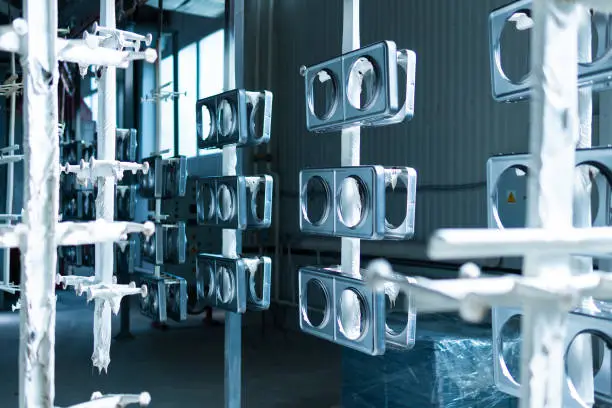
Case Studies: Successful Porosity Reduction in Aluminum Die Casting
Industrial examples show how systematic aluminum die casting porosity control improves quality and saves money.
Automotive Transmission Housing Project
A large automotive tier-one supplier approached us with chronic aluminum transmission housing porosity concerns causing unacceptable pressure testing leak rates. We used X-ray computed tomography to analyze failures and found concentrated porosity around thick-section junctions where poor feeding during solidification caused shrinkage voids. Directional solidification concepts were applied to the gating system to assure gradual freezing from extremities to feeding risers. With intensified pressure optimization and enhanced melt degassing, aluminum die casting porosity-related scrap dropped from 18% to 2% in three months, saving the client over $400,000 in rework and rejected products.
Industrial Pump Component Manufacturing
An industrial equipment manufacturer needed oil and gas pump housings with high pressure integrity. Their supplier struggled to meet leak-tightness standards due to linked porosity networks. We used vacuum-assisted aluminum die casting, increased filtration, and tight melt quality controls. With fault rates below 3.4 parts per million, pressure testing process capability tests showed six-sigma performance. Improved dependability allowed our customer to offer extended warranties that distinguished their products in competitive bidding.
Aerospace Structural Bracket Production
Aerospace applications need excellent quality, traceability, and near-zero internal faults. We developed unique airplane structural bracket process controls with digital process monitoring, automated X-ray inspection of every casting, and statistical process control with real-time feedback loops. Our aluminum die casting quality management system tracks melt batches, die maintenance cycles, and operator certifications. This stringent approach always reduces porosity below the aerospace industry standard, supporting AS9100 approval and direct supply ties with key aircraft manufacturers.
Summary and Best Practices for Procurement Teams
Purchasers should select aluminum die casting providers with defined quality procedures and proven process technology for porosity control. Effective supplier assessment begins with facility audits of melt handling, degassing equipment calibration, and die design. Request process capability data indicating statistical control of hydrogen content, injection pressure consistency, and thermal management precision. ISO 9001 registration verifies documented procedures, whereas IATF 16949 and AS9100 certifications indicate automotive and aerospace-specific quality systems. Look beyond certifications for supplier investments in sophisticated technologies like vacuum-assisted casting, real-time process monitoring, and non-destructive testing that show fault prevention rather than detection. Cost, quality, and communication efficiency are balanced by geography. Integrated manufacturers from melting to finishing simplify coordination and increase traceability compared to outsourcing essential process steps. Partnerships for long-term supply chain resilience and product quality are built via transparent communication on process capabilities, limits, and continuous improvement.
Conclusion
Porosity management in aluminum die casting requires disciplined execution across interrelated process variables from melt preparation to post-casting treatment. Successful mitigation solutions include improved die design for air evacuation, strict melt quality controls to reduce hydrogen concentration, and accurate process parameter management for constant heat and pressure conditions. Procurement teams should assess suppliers based on process capabilities, quality system maturity, and defect avoidance technology. Aluminum die casting providers with the best quality documentation, inspection technology, and collaborative partnerships focus on continual improvement and long-term performance reliability.
FAQ
What causes gas porosity in aluminum castings?
The main cause of gas porosity in molten aluminum is hydrogen dissolution, which forms gas bubbles during solidification. Moisture in raw materials, furnace atmospheres, die coatings, or chemical interactions with water vapor introduce hydrogen into the melt. Since hydrogen solubility drops substantially when aluminum die casting solidifies, dissolved gas produces bubbles that become interior holes. Hydrogen sources must be controlled by dry material storage, safe furnace atmospheres, and thorough degassing.
Can porosity be completely eliminated from die cast parts?
Due to process physics and economics, commercial manufacturing cannot eliminate porosity. Advanced manufacturing methods can lower porosity below detection criteria for most applications. Vacuum-assisted aluminum die casting with enhanced process controls meets structural and pressure-containing component porosity criteria of below one percent by volume. Critical aerospace applications may need hot isostatic pressing to reduce residual porosity, which increases cost and cycle time.
How does mold design affect porosity formation?
Mold design affects porosity by controlling metal flow, air evacuation, and temperature management. Gates control metal flow to reduce turbulence and air entrapment, while vents allow gasses to escape. Uniform die temperatures from aluminum die casting cooling channel design avoid premature solidification and shrinking. Computer modeling during die design detects porosity sites, allowing for repairs before costly tooling manufacturing.
Partner with Fudebao Technology for Superior Aluminum Die Casting Quality
Zhejiang Fudebao Technology provides porosity-controlled aluminum die casting with superior process technology and quality systems. From melting to surface treatment, our integrated manufacturing facility uses high-speed machining centers, CNC equipment, low-pressure casting machines, and die casting systems. Our strict process controls and inspection methods provide dimensional accuracy of ±0.05mm, meeting automotive PPAP documentation and aerospace traceability standards. We realize that porosity control affects product performance and market competitiveness as a renowned aluminum die casting supplier to worldwide automobile OEMs, industrial equipment makers, and aerospace businesses. Our engineers advise on design optimization, material selection, and process specification to guarantee your components meet quality standards. Contact our technical specialist Hank Shen at hank.shen@fdbcasting.com to discuss your porosity control needs and request a sample to illustrate our dedication to defect-free manufacturing and supply chain excellence.
References
North American Die Casting Association. (2019). Product Specification Standards for Die Castings: Dimensional Tolerances and Draft. NADCA Technical Publication.
Campbell, J. (2015). Complete Casting Handbook: Metal Casting Processes, Metallurgy, Techniques and Design. Butterworth-Heinemann Engineering Publications.
American Society for Testing and Materials. (2020). ASTM E505-20: Standard Reference Radiographs for Inspection of Aluminum and Magnesium Die Castings. ASTM International Standards.
Kaufman, J.G. & Rooy, E.L. (2016). Aluminum Alloy Castings: Properties, Processes, and Applications. ASM International Materials Reference.
Dispinar, D. & Campbell, J. (2011). "Porosity, hydrogen and bifilm content in Al alloy castings." Materials Science and Engineering A, Volume 528, Issues 10-11, Pages 3860-3865.
Tian, C., Law, J., van der Touw, J., Murray, M., Yao, J.Y. & Graham, D. (2018). "Effect of melt cleanliness on the formation of porosity defects in automotive aluminium high pressure die castings." Journal of Materials Processing Technology, Volume 122, Pages 82-93.



YOU MAY LIKE
_1756345939856.webp "Aluminum casting chassis")
_1756346371362.webp "separator housing")
_1756350046757.webp "Heat sink aluminum casting")
_1756349957728.webp "metric v belt pulley")
_1756346144394.webp "aluminum die casting hinge")
_1756346043433.webp "guardrail connecting block")
_1756344684491.webp "Explosion-proof lamp housing aluminum casting")