
Sand Casting Copper and Aluminum: Key Differences Explained
2026-06-04
Sand casting manufactures complicated components by pouring molten metal into disposable sand molds. Copper or aluminum affects part performance, production costs, and application applicability. Understanding these variances helps procurement teams balance functionality, cost-efficiency, and long-term reliability across automotive, industrial, electrical, and aerospace industries.
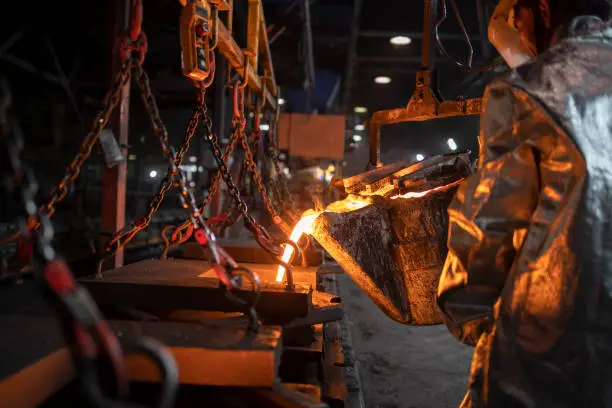
Overview of Sand Casting for Copper and Aluminum
Understanding the Sand Casting Process
Sand casting makes up over 60% of metal castings worldwide, making it the backbone of contemporary foundries. This adaptable method shapes molten metal into various forms using bound sand mixes as temporary molds. Green sand—clay-bonded combinations with good reusability—and resin-bonded systems with tighter dimensional control and better surface finishes are used frequently. It is economically viable for prototype to medium-batch production because it removes the expensive tooling costs of permanent mold technologies.
Collapsibility is the mold's technological benefit. The sand structure breaks down spontaneously when cast metal cools and contracts, eliminating hot ripping in alloys with significant solidification shrinkage. This makes sand casting ideal for copper and aluminum, albeit each material reacts differently with the mold environment.
Metallurgical Properties That Matter
Copper and aluminum alloys provide different metallurgical features to the casting process. Copper is antibacterial, corrosion-resistant in maritime conditions, and has 60% thermal and electrical conductivity of pure copper even in alloyed forms. Its density of 8.9 g/cm³ offers favorable vibration damping and structural weight where mass is advantageous.
Aluminum alloys' 2.7 g/cm³ density offers exceptional strength-to-weight ratios, revolutionizing transportation industries. With yield strengths exceeding 240 MPa in A356 alloy, aluminum sand castings perform better than many die-cast alternatives when heat-treated to T6 condition. The material's natural oxide layer protects against air corrosion, but strong chemical or saltwater exposure requires special treatment.
Industry Applications Driving Material Selection
Material selection across sectors is driven by metallurgical differences. Copper sand castings dominate transformer housings, busbar supports, and high-current switchgear components that need conductivity. Propellers, pump impellers, and heat exchanger plates use copper's seawater resistance and thermal transfer efficiency.
Aluminum castings are used in transmission housings and engine brackets to reduce weight and enhance fuel economy. We've delivered sand-cast aluminum components for aircraft landing gear assemblies, industrial gearbox housings, and explosion-proof enclosures for hazardous locations, where the process allows intricate interior geometries that fabrication cannot.
Key Differences Between Copper and Aluminum Sand Casting
Thermal and Physical Property Variations
The melting point difference between these materials changes manufacturing parameters. Copper alloys melt between 1,080°C and 1,200°C, requiring refractory molds and energy-intensive furnace operations. Aluminum alloys melt from 660°C to 750°C, saving 40% energy and allowing cheaper manufacturing techniques.
Thermal conductivity greatly impacts solidification behavior. Copper's heat transmission speeds cooling, therefore riser design must minimize shrinkage porosity in heavy portions. Lower conductivity of aluminum prolongs solidification, increasing gas porosity risk while simplifying feeding procedures for complicated geometries. In complex patterns, aluminum performs best due to its fluidity, however recent copper alloy formulas with phosphorus have greatly enhanced flowability in sand casting.
Mechanical Performance Characteristics
Copper alloys are good for bearing surfaces, gear components, and high-load applications due to their compressive strength and wear resistance. Sand-cast bronze alloys have 300–450 MPa tensile strengths and 8%–15% elongation. The material processes cleanly and produces good surface finishes without specific tools, although cutting pressures necessitate strong machining equipment.
Aluminum sand castings have equivalent tensile strength after T6 heat treatment but dominate in stiffness-per-weight applications. Lower material hardness simplifies machining, lowering cycle times and tool wear. We consistently achieve ±0.05mm tolerances on important features using CNC finishing. Aluminum resists corrosion well in air but needs anodizing or chemical conversion coatings for saltwater contact, whereas copper alloys produce protective patinas for long-term endurance.
Economic Considerations in Material Choice
Copper is generally three to four times more expensive per kilogram than aluminum, regardless of commodities conditions. Due to density variations, copper components weigh more than three times their aluminum counterparts of the same volume, increasing material costs.
Energy use during melting is another major expense. Copper melts at greater temperatures, increasing furnace running costs and crucible and ladle wear. Tooling favors aluminum because its lower pouring temperature decreases thermal stress on patterns and core boxes, increasing their life. For cost-sensitive, weight-critical applications, aluminum is the best choice, whereas copper justifies its premium for conductivity, corrosion resistance, or certain mechanical qualities.
Common Challenges and Solutions in Sand Casting Copper vs. Aluminum
Addressing Copper Casting Difficulties
Copper's high melting point presents technological hurdles. Copper oxide inclusions in pressure-containing components degrade mechanical qualities and provide leak routes due to fast oxidation at pouring temperatures. We use controlled-atmosphere melting with deoxidizing chemicals like phosphorous and strong furnace discipline to reduce air exposure. Resin-bonded molds maintain structural integrity during copper pouring without mold erosion or metal penetration into sand grains.
Controlling shrinkage in sand casting requires precision engineering. Large riser volumes and smart gate positioning are needed because copper contracts 1.5% to 2.1% during solidification. Our methodology has changed because computer simulation software lets us evaluate feeding channels before production tooling. Ensuring metal freezes gradually from thin parts toward risers prevents internal cavities that would require costly impregnation treatments or scrap.
Overcoming Aluminum Casting Issues
Aluminum has gas absorption and hot-tearing issues. Hydrogen dissolves easily in molten aluminum, but when solubility diminishes, porosity forms. We reduce hydrogen concentration below 0.15 mL per 100g aluminum utilizing rotating degassing devices with argon or nitrogen purge. Titanium-boron grain refiners increase feeding and minimize hot tearing risk in geometries with restricted contraction by creating fine, equiaxed grain structures.
Aluminum chemically reacts with some binder systems, causing mold erosion. Chromite or zircon sands are more resistant than silica in essential applications but cost more. Refractory mold coatings increase surface finish and avoid metal-mold reactions. These process controls allow us to meet IP67 and pressure-tight electrical enclosure and hydraulic valve body requirements.
Process Optimization for Quality Assurance
Both materials benefit from enhanced process controls that typical foundries miss. We track pouring temperatures, mold moisture content, and cooling speeds statistically and correlate them with dimensional correctness and mechanical qualities. Before pouring, real-time spectrographic examination checks alloy composition, eliminating expensive specification violations.
Post-casting heat treatment is crucial to final characteristics. T6 therapy—solution heat treatment at 540°C followed by controlled quenching and artificial aging—is used on aluminum castings, whereas stress-relief annealing stabilizes copper alloys. This sequence produces strengthening phases that double yield strength above as-cast conditions. These proven methods cut rejection rates below 2% and fulfill automotive tier-one supplier PPAP documentation criteria.
Applications and Industry Use Cases
Copper Casting Excellence in Electrical Systems
Copper sand casting is irreplaceable in electrical infrastructure due to its 60% IACS conductivity. We've created bus bar supports for renewable energy systems that must maintain existing capacity. The material's thermal resilience maintains dimensional consistency from -40°C to +120°C, essential for electrical contact integrity. Seawater pump impellers made of copper-nickel alloys last longer due to their biofouling resistance.
Heat exchangers demonstrate copper's thermal transmission. Copper effectively transfers thermal energy in industrial process cooling, HVAC, and power generating condensers. The material's corrosion resistance in water-glycol combinations and refrigerants avoids aluminum heat exchanger coating complexities. Copper remains common despite cost surcharges in thermal performance-dependent system efficiency applications because of these qualities.
Aluminum Applications Across Transportation and Beyond
Automotive powertrains show aluminum's weight-saving benefits. Internal sand cores in transmission housings generate complicated oil galleries and cooling passages—geometries only possible with sand casting. These components reduce vehicle weight while enduring intense temperature cycling from cold starts to highway operation. Aluminum vibration-damping heavy-duty diesel engine mounts safeguard critical electronic control modules from strain.
Aerospace applications use aluminum's strength-to-weight ratio under strict certification. Radiographic inspection and dye penetrant tests are performed on landing gear components, actuator housings, and structural brackets. The material's machinability allows aerospace assemblies' tight tolerances and exquisite surface finishes. Aluminum's strength, corrosion resistance, and manufacturing economy help industrial apparatus such as pump housings for chemical processing, compressor gearbox enclosures, and robotic arm components.
Explosion-proof enclosures represent a specialized application where aluminum sand casting excels. The method creates 6mm to 10mm thick wall sections for hazardous environment flameproof ratings. ATEX and IECEx-certified internal geometries support electronic components while retaining structural integrity. Chromate conversion and epoxy powder coating make these enclosures durable in offshore petroleum and chemical processing plants after 1,000-hour salt spray testing.
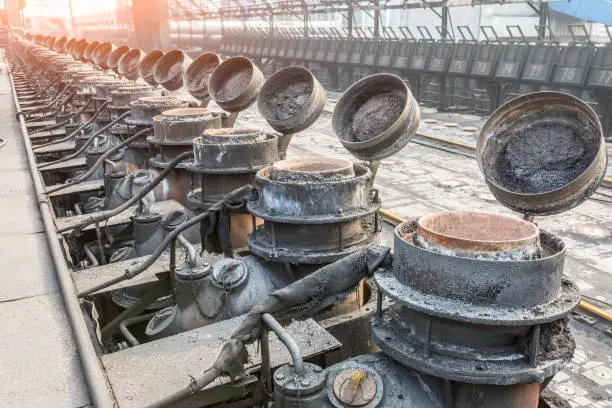
How to Choose Between Copper and Aluminum for Your Sand Casting Needs?
Evaluating Functional Requirements
Choosing between copper and aluminum for sand casting begins with clearly defining functional priorities. Electrical conductivity requirements immediately narrow choices. Copper is essential for low-resistance current lines, but aluminum is suitable for less-strict conductivity applications. Thermal management needs alter selections; copper's better thermal conductivity aids heat exchangers and components that need quick heat dissipation, whereas aluminum's lower conductivity promotes thermal isolation applications.
Careful mechanical loading analysis is needed. Aluminum is ideal for high-stress, low-weight applications where design engineers may increase section thickness to compensate for lower modulus of elasticity. Copper's hardness and creep resistance help bearing surfaces, wear-resistant components, and prolonged compressive stresses. Saltwater immersion favors copper alloys, whereas air exposure allows aluminum with surface treatments.
Production Volume and Economic Analysis
Batch size greatly affects material economics. Because prototype and low-volume manufacturing reduce the material cost disparity, copper is possible when functional advantages justify the premium. Medium to high-volume production raises material prices, favoring aluminum unless copper's specific qualities provide measurable value through longer service life, lower maintenance, or better performance.
We advise procurement teams to analyze total cost of ownership rather than piece pricing. Initially more expensive copper components may prevent field failures that need warranty servicing, downtime, and reputation harm. Aluminum components that reduce transit weight save fuel over time, outweighing initial material costs. Quantified lifespan factors typically reverse first cost perceptions when properly quantified.
Partnering with Experienced Casting Specialists
Technical competence distinguishes capable providers from commodity sellers. During design, our engineering team optimizes shapes for castability and function. We've solved several manufacturing problems using material replacement, improved gating, and heat treatment optimization, which cut costs and improve quality.
Manufacturing capacity counts too. Our facility supports melting to surface treatment with high-speed machining centers, CNC lathes, low-pressure casting machines, and die-casting equipment. Vertical integration lets us manage quality throughout the process and supply completed components instead of raw castings that require extra suppliers. Our deliverables stand out with ±0.05mm dimensional precision, direct assembly surface finishes, and comprehensive documentation, including material certificates and inspection reports.
Conclusion
Choosing between copper and aluminum sand casting requires considering functional requirements, manufacturing costs, and application-specific performance. Copper is better for electrical conductivity, heat transfer, and marine corrosion resistance, whereas aluminum is better for weight-sensitive automotive, aerospace, and industrial equipment applications. Due to its geometric flexibility, sand casting may accommodate complicated interior elements and eliminate tooling costs that make competing methods unsuitable for low-to-medium production quantities. Successful procurement strategies engage with technically qualified suppliers that provide engineering experience and production capability to balance immediate material costs and lifecycle performance.
FAQ
Which material offers better cost-effectiveness for large production runs?
Aluminum is more cost-effective for volume manufacturing due to lower raw material prices, melting energy consumption, and transportation weights. Copper is more expensive than aluminum in applications where conductivity, corrosion resistance, or mechanical characteristics are superior. Instead of only casting costs, whole cost analysis should incorporate machining efficiency, heat treatment needs, and lifespan performance.
Can copper and aluminum castings be used interchangeably?
Only application needs determine interchangeability. High-conductivity electrical components cannot use aluminum instead of copper without major design changes to account for conductivity variations. Weight-critical aerospace applications cannot reverse the swap without performance loss. Material transitions need engineering study of mechanical stresses, environmental exposure, thermal management, and mating component interface compatibility. We assess feasibility and offer appropriate solutions using application engineering.
What lead times should procurement teams expect?
Sand casting lead times depend on project complexity and tooling. Pattern creation for aluminum sand mold casting takes 20–30 days, and sample manufacturing takes two weeks. Specialized molding materials and lengthier heat treatment cycles may delay copper castings. After sample clearance, production casting runs begin with batch sizes and finishing dates. Regular updates help supply chain planning since we communicate openly during development.
Partner with Fudebao Technology for Superior Sand Casting Solutions
With decades of foundry experience, Zhejiang Fudebao Technology makes precise copper and aluminum sand castings. We use modern casting methods and CNC machining to achieve ±0.05mm dimensional precision in production volumes from prototypes to medium-batch runs. Our customers are multinational automobile OEMs, industrial equipment makers, electrical component suppliers, and aerospace contractors that value quality, technical collaboration, and on-time delivery. As an experienced sand casting company, we provide engineering services, PPAP paperwork, and quick communication for procurement. Discuss your project needs with hank.shen@fdbcasting.com to see how we can improve your component procurement strategy and lower purchase costs.
References
American Foundry Society. (2021). "Sand Casting Processes: Technical Guidelines for Copper and Aluminum Alloys." AFS Casting Congress Proceedings.
Campbell, J. (2015). "Complete Casting Handbook: Metal Casting Processes, Metallurgy, Techniques and Design." Butterworth-Heinemann Technical Publications.
Davis, J.R. (Ed.). (2001). "Aluminum and Aluminum Alloys (ASM Specialty Handbook)." ASM International Materials Reference Series.
Kundig, K.J.A., Cowie, J.G., & Davis, J.R. (2019). "Copper and Copper Alloys: Properties and Selection." ASM International Handbook Committee.
Stefanescu, D.M. (2018). "Science and Engineering of Casting Solidification." Springer International Publishing, Metallurgy Series.
Brown, J.R. (2000). "Foseco Ferrous Foundryman's Handbook." Butterworth-Heinemann Foundry Technology Reference.



YOU MAY LIKE
_1756348543350.webp "Automotive Turbine Casting")
_1756352712247.webp "stainless steel hex plug")
_1756349071334.webp "HAAS mounting bracket")
_1756348356531.webp "Automobile engine oil pan")
_1756348227989.webp "Aluminum casting movable U frame")
_1756346144394.webp "aluminum die casting hinge")