
Where Can I Find Manufacturers Specializing in Large Copper Castings?
2026-05-06
Finding reliable manufacturers for large copper castings requires more than a simple online search. I understand the challenges procurement professionals face when sourcing heavy-duty components that demand exceptional thermal conductivity, dimensional accuracy, and structural durability. Zhejiang Fudebao Technology Co., Ltd. specializes in copper alloy casting alongside aluminum and stainless steel fabrication, serving industries from automotive to marine engineering. Our integrated facilities handle everything from melting to precision finishing with tolerances reaching ±0.05mm, making us a trusted partner for large-scale copper casting projects requiring both substantial weight capacity and intricate geometric precision.
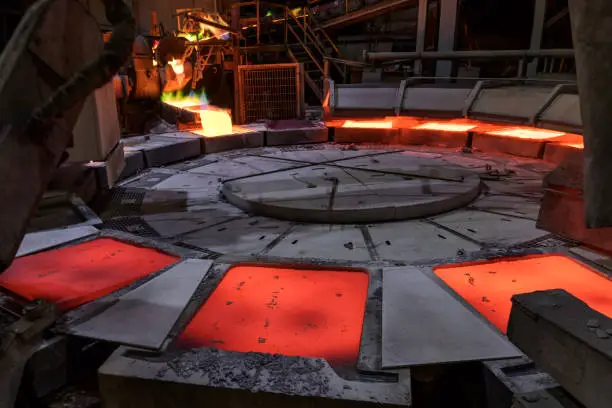
Understanding Large Copper Castings and Their Industrial Applications
Modern metalworking techniques are used to make large copper casting solutions designed for heavy-duty environments where size and performance cannot be compromised. These components typically exceed several hundred pounds and require specialized foundry capabilities to produce.
What Defines Large Copper Castings
Large copper castings differ fundamentally from standard metal components through their combination of size, complexity, and material properties. Unlike wrought copper products shaped through rolling or forging, these casts emerge from molten metal poured into precision molds, allowing for monolithic structures with internal cavities impossible to machine economically from solid billets. The process addresses critical manufacturing challenges by creating near-net-shape components that minimize material waste while achieving dimensional specifications demanding micron-level precision in areas.
Industrial Applications Requiring Substantial Copper Components
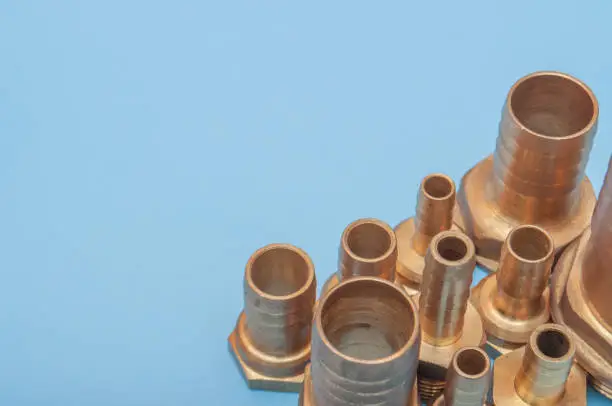
Large copper castings are used extensively in marine propulsion systems for propellers and impeller housings, where seawater corrosion resistance proves essential. Because copper is a superior conductor of electricity compared to most metals (approximately 100% IACS), electrical infrastructure utilizes oversized copper castings in transformer bushings and switchgear terminals. Heavy machinery manufacturers specify large bronze castings for worm gears and load-bearing bushings operating under extreme compressive forces. Renewable energy installations incorporate substantial copper components in wind turbine generators and solar thermal systems requiring efficient heat dissipation across large surface areas.
Material Advantages Compared to Alternative Metals
Copper outperforms aluminum and steel alternatives in scenarios demanding simultaneous thermal management and electrical conductivity. Copper delivers approximately 60% greater thermal conductivity than aluminum, which is crucial for components managing heat dissipation in continuous operation. In boundary lubrication conditions, bronze alloys demonstrate superior wear resistance compared to steel, preventing catastrophic galling in high-load sliding applications. The natural antimicrobial properties of copper alloys provide additional value in marine environments where biofouling resistance extends service intervals.
Key Criteria for Choosing Manufacturers Specializing in Large Copper Castings
Selecting a partner for substantial copper casting components requires evaluating capabilities beyond basic casting experience. I recommend focusing on several critical factors that separate capable suppliers from truly exceptional ones.
Foundry Capabilities and Weight Limits
Manufacturers must demonstrate proven capacity for handling large casting volumes. Equipment specifications matter significantly—melting furnaces should accommodate batch sizes matching your component weight to ensure uniform alloy composition. Mold handling systems need adequate load capacity, as sand molds for large castings can weigh thousands of pounds before metal pouring. Crane infrastructure throughout the facility indicates whether a foundry can safely maneuver substantial components through finishing operations. Asking about the maximum single-piece weight successfully cast provides immediate insight into realistic production boundaries.
Specialized Casting Techniques and Quality Impact
Sand casting remains the predominant method for large copper castings due to size flexibility and cost efficiency for lower production volumes. Investment casting offers superior surface finish and dimensional accuracy but faces practical size limitations. Low-pressure casting techniques suit certain large electrical components requiring reduced porosity. Each method impacts final component quality differently—sand casting may require additional machining allowances for copper castings, while investment casting delivers near-finished surfaces. Understanding which technique a manufacturer excels at helps match your specifications to their strengths.
Certifications and Compliance Standards
ISO 9001 certification demonstrates fundamental quality management systems, though ISO 14001 environmental compliance increasingly matters to procurement teams facing sustainability mandates. Industry-specific certifications like IATF 16949 for automotive suppliers or AS9100 for aerospace applications signal experience meeting stringent traceability requirements. Environmental compliance regarding foundry emissions and waste management reflects operational maturity. Requesting certification documentation during initial discussions reveals transparency and organizational discipline.
Supplier Reliability and Manufacturing Capacity
On-time delivery records provide concrete evidence of production planning competence. Manufacturing capacity assessment should examine whether your project represents a significant percentage of their total output—being a mid-sized customer often yields better attention than being either too small or large enough to disrupt their operations. Reviewing case studies from similar projects demonstrates relevant experience. Visiting production facilities reveals equipment condition and workforce expertise that documentation alone cannot convey.
How Fudebao Technology Meets the Needs of Large Copper Casting Procurement
Our approach to large copper casting projects integrates advanced metallurgical processes with comprehensive quality systems developed through years serving demanding industries worldwide.
Advanced Copper Casting Processes and Equipment
Fudebao Technology operates state-of-the-art melting equipment capable of precise temperature control essential for copper alloy consistency. Our low-pressure casting machines suit electrical components requiring minimal internal porosity, while our sand casting capabilities accommodate components exceeding standard size limitations. The facility includes high-speed machining centers and CNC lathes that bring raw castings to finished specifications with tolerances of ±0.05mm. This integrated approach covering "melting-casting-finishing-surface treatment" eliminates coordination challenges inherent in multi-vendor supply chains, reducing lead times and quality variation.
Customized Design Solutions and Production Scalability
Engineering collaboration begins during the design phase, where our technical team evaluates manufacturability and suggests optimizations that reduce costs without compromising performance, including for copper castings. We accommodate varied project specifications through flexible tooling approaches—permanent molds for higher volumes and sand patterns for specialized configurations. Production scalability allows us to handle prototype quantities through full production runs, adapting batch sizes to your demand forecasts. This flexibility proves valuable when market conditions shift or product development timelines compress.
Global Supply Chain Capabilities and Standards Compliance
Our export logistics experience includes documentation preparation for international shipping, packaging engineering to prevent transit damage, and coordination with freight forwarders familiar with metallurgical product handling. Environmental standards compliance extends beyond regulatory minimums through waste heat recovery systems and recycling programs that return casting scrap to production cycles. These capabilities position Fudebao as a reliable partner for procurement teams managing global supply networks where consistency across facilities matters tremendously.
Comparison of Large Copper Casting Manufacturers: What Sets Fudebao Technology Apart
The competitive landscape for large copper casting manufacturers spans foundries across continents, each offering distinct advantages. I believe informed comparison helps procurement professionals identify optimal partners.
Technical Expertise and Manufacturing Equipment
Equipment sophistication separates competent manufacturers from industry leaders. Fudebao's investment in machinery from American brands like HAAS demonstrates commitment to precision manufacturing standards. Our technical team includes metallurgists with specialized knowledge in copper alloy phase diagrams and heat treatment protocols that optimize material properties for specific applications. This expertise manifests in dimensional consistency across production batches and mechanical properties meeting specification tolerances. Comparing equipment lists and technical staff qualifications during supplier evaluation reveals capability depth that marketing materials often obscure.
Cost Efficiency Without Compromising Quality
Achieving competitive pricing while maintaining quality for copper castings requires operational efficiency rather than material substitution or shortcut processes. Our integrated facility eliminates markup layers present in supply chains relying on subcontracted operations. Process optimization through statistical methods reduces scrap rates and rework percentages for copper castings. These efficiencies translate to better value for customers without quality compromises evident in cheaper alternatives. Evaluating total cost of ownership for copper castings—including failure rates and service life—provides more accurate comparison than initial purchase pricing alone.
Lead Times and Service Responsiveness
Production scheduling transparency helps procurement teams plan inventory and coordinate with assembly operations. Fudebao maintains communication throughout production cycles, providing milestone updates that support project management. Our minimum order flexibility accommodates development projects and replacement part requirements that larger foundries decline due to setup costs. Responsiveness to technical questions and specification clarifications during quoting demonstrates the attentive customer service that continues through production and after delivery.
How to Initiate Procurement of Large Copper Castings from Fudebao Technology?
Streamlining the procurement process reduces time from initial inquiry to production delivery. Understanding what information manufacturers need upfront prevents frustrating back-and-forth delays.
Requesting Quotes and Submitting Custom Orders
Preparing comprehensive requests for quotation accelerates response accuracy. Include component drawings with dimensional tolerances, material specifications identifying copper alloy grade, annual volume estimates, and delivery timeline requirements. Surface finish requirements, mechanical property specifications, and any special testing or certification needs should appear clearly. Photographs of existing components help when replacing legacy parts lacking complete documentation. The more detailed your initial inquiry, the more precise and useful the quotation becomes.
Technical Specifications and Communication Optimization
Effective technical communication bridges the gap between design intent and manufacturing reality. Specifying critical dimensions separately from reference dimensions helps manufacturers allocate precision resources efficiently for copper castings. Identifying functional surfaces versus non-critical areas allows cost optimization through selective finishing on copper castings. Discussing tolerances during initial conversations sometimes reveals opportunities to relax specifications slightly for significant cost reduction without functional impact. This collaborative approach yields better outcomes than rigidly enforcing specifications developed without manufacturing input for copper castings.
Pricing Structures and Production Lead Times
Understanding pricing components demystifies quotations and supports budgeting accuracy. Tooling costs for sand patterns or permanent molds represent one-time investments amortized across production volumes. Per-unit pricing typically decreases with quantity due to setup cost distribution. Lead times divide into tooling fabrication, production runs, and finishing operations—each with different duration drivers. Production scheduling flexibility sometimes allows expedited delivery for urgent requirements. Discussing these factors openly with manufacturers like Fudebao enables realistic planning and identifies potential cost-saving alternatives.
Conclusion
Locating manufacturers specializing in large copper casting projects demands careful evaluation of technical capabilities, quality systems, and service commitment. Large copper components serve critical functions across marine, electrical, and industrial applications where failure consequences justify thorough supplier vetting. Fudebao Technology brings comprehensive casting and machining capabilities to this specialized market segment, supported by modern equipment and quality processes honed through diverse industry experience. Our integrated operations from melting through finishing provide the control and consistency that demanding applications require. Procurement professionals seeking reliable partners for large copper casting projects will find our combination of technical expertise, production flexibility, and customer focus addresses the core requirements that drive successful long-term supplier relationships.
FAQ
1. What lead times should I expect for large copper casting projects?
Lead times vary based on component complexity and order volume. Tooling development for new components typically requires three to five weeks depending on pattern complexity. Production runs follow tooling completion, with durations reflecting casting size and required quantity. Finishing operations including machining and surface treatments add additional time based on specification stringency. Fudebao provides detailed scheduling during quotation, allowing procurement teams to plan inventory accordingly. Expedited service is occasionally available for urgent requirements when production capacity permits.
2. How does quality control work for large copper castings?
Quality assurance begins with incoming material verification and continues through each production stage. Spectrographic analysis confirms alloy composition before melting. Dimensional inspection using coordinate measuring equipment validates casting accuracy against drawings. Non-destructive testing including ultrasonic examination detects internal discontinuities in critical applications. Mechanical property testing through sample coupons verifies material strength and hardness. Final inspection documentation accompanies shipments, providing traceability that supports your quality systems.
3. Can Fudebao accommodate custom designs and specifications?
Customization represents a core strength at Fudebao Technology. Our engineering team collaborates during design development to optimize manufacturability while meeting functional requirements. We accommodate unique alloy specifications, specialized surface treatments, and tight tolerance requirements that standard products cannot satisfy. This flexibility suits both development projects requiring iterative refinement and established products with exacting specifications.
Partner with Fudebao Technology for Your Large Copper Casting Requirements
Sourcing large copper casting solutions demands a manufacturer combining metallurgical expertise with production capacity and quality commitment. At Zhejiang Fudebao Technology Co., Ltd., we deliver precision copper casting solutions backed by advanced equipment and comprehensive process control. Our integrated facilities handle components from initial melting through finished machining with tolerances reaching ±0.05mm, meeting the exacting standards of automotive, industrial equipment, and electrical infrastructure applications. Whether you need marine-grade bronze propellers or high-conductivity electrical housings, our team provides the technical consultation and production capabilities your projects demand. Contact our procurement specialist at hank.shen@fdbcasting.com to discuss your specific requirements with a trusted copper casting manufacturer committed to delivering exceptional quality and reliable service.
References
1. American Foundry Society (2021). "Copper and Copper Alloy Casting Processes: Technical Guidelines for Heavy-Duty Industrial Applications." AFS Technical Publication Series.
2. Copper Development Association (2020). "Material Properties and Selection Criteria for Large-Scale Copper Castings in Marine and Electrical Infrastructure." CDA Engineering Handbook, 14th Edition.
3. International Journal of Metalcasting (2022). "Quality Assurance Methodologies for Large Copper Alloy Components: A Comparative Analysis of Foundry Capabilities." Volume 16, Issue 3, pp. 1247-1265.
4. Society of Manufacturing Engineers (2021). "Precision Machining of Large Non-Ferrous Castings: Best Practices for Dimensional Accuracy and Surface Integrity." SME Technical Paper Series.
5. Materials Science and Engineering Journal (2020). "Microstructural Analysis of Sand-Cast Copper Alloys: Correlation Between Casting Parameters and Mechanical Performance in Large Components." Volume 798, Article 140235.
6. Institute of Cast Metals Engineers (2022). "Supplier Evaluation Criteria for B2B Procurement of Specialty Copper Castings: A Framework for Industrial Buyers." ICME Professional Development Series, Volume 8.



_1756345939856.webp "Aluminum casting chassis")
_1756348543350.webp "Automotive Turbine Casting")
_1756352822273.webp "Stainless steel plugs")
_1756352625880.webp "plug stainless")
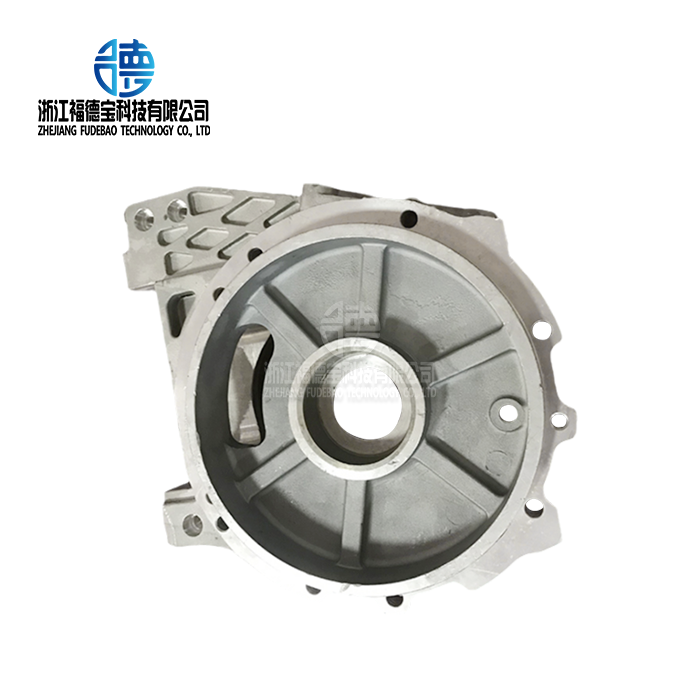
_1756348356531.webp "Automobile engine oil pan")
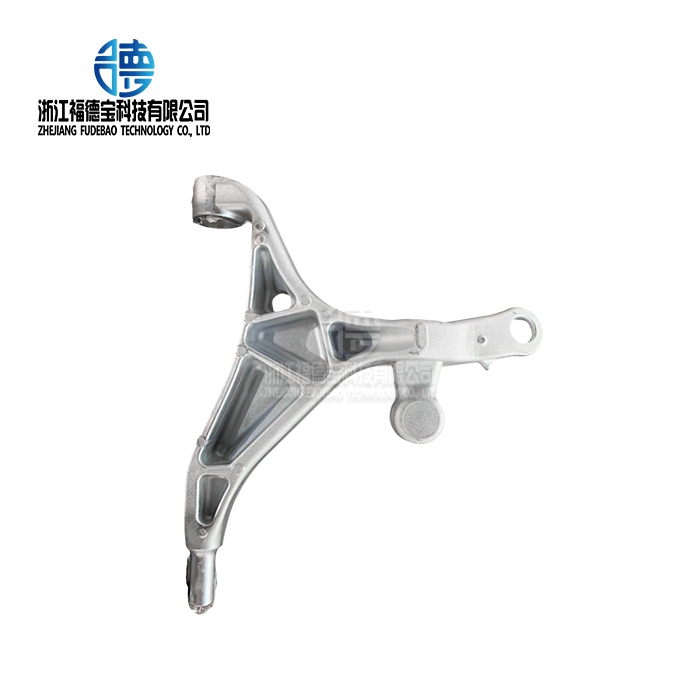
_1756346613780.webp "Aluminum tent base Casting")