Low Pressure vs. High Pressure Die Casting Cost Contrast
2026-05-06
Understanding the differences in costs between low pressure casting and high-pressure die casting is essential when comparing manufacturing techniques for fine metal parts. Low pressure casting uses controlled air pressure between 20 and 100 kPa to fill moulds from below with little swirling. This counter-gravity method produces high-quality materials with yields often topping 90%. High-pressure die casting, on the other hand, uses very high injection speeds to quickly fill mould holes, making parts with thin walls at faster cycle times. Each method has its own set of costs that affect the purchases of tools, the speed of operations, the handling of defects, and the long-term value of buying. In this guide, evidence-based tips are given to engineering managers, sourcing leaders, and quality teams on how to make sure that casting choices are in line with performance requirements and price limits.
Understanding Low Pressure and High Pressure Die Casting
Both casting methods are used for different things in industry, but their basic working principles are very different in ways that have a direct effect on how much they cost.
Core Mechanics of Low Pressure Casting
A lift tube connects a holding furnace under pressure to fixed moulds in low pressure casting. Aluminium or magnesium metals that are molten rise into the mould hole at controlled rates. They usually fill at speeds that stop oxides from forming and air from getting trapped. The process keeps the pressure up during solidification, which lets liquid metal keep going into places that are shrinking. When the metal is cool, the pressure goes down, and the metal that wasn't used goes back into the burner tank. With this closed-loop system, you don't need big feeders or steps that would just end up being wasted. Industries that need heat-treatable parts that don't leak, like EV motor housings and suspension knuckles, really like this method because it can make thick microstructures that work with T6 heat treatment techniques.
High-Pressure Die Casting Process Fundamentals
In high-pressure die casting, liquid metal is pushed into steel moulds at speeds of more than 40 metres per second and pressures of up to 100 MPa. The fast filling causes turbulence that holds gas porosity inside the solidified part. Because of this, the casts can't be heated again because blisters will form. However, this method is great at making thin-walled parts with wall thicknesses that are close to 1.5 mm, which is much smaller than what low pressure casting can usually do. High-speed injection makes it possible for parts like electrical motor end caps, structural frames, and transmission housings for cars to have consistent sizes and finishes on the outside. Giving up some internal porosity in return for faster production rates and better material distribution in complicated shapes is the trade-off.
Material Considerations Across Methods
Aluminium alloys like A356 and A380 are used in both methods, but they are very different in how they are used. Low pressure casting works best for metals that need to be flexible and resistant to wear. After T6 treatment, controlled solidification makes the elongation values go over 8%. Since it is still not possible to heat treat alloys after casting, high-pressure methods work best with alloys that focus on flexibility and as-cast strength. Copper alloys are sometimes used in low-pressure applications for electrical parts that need to be very conductive, and magnesium alloys are used in both ways for structure applications that need to be very light. The choice of material has a direct effect on both mechanical performance and operational costs. This is because the choice of material affects things like melting temperatures, the need for holding furnaces, and changes in cycle times.
Cost Components in Low Pressure vs. High Pressure Die Casting
Professionals in procurement need thorough breakdowns of capital spending, daily costs, and hidden costs that add up over the course of a production cycle.
Initial Capital Investment Analysis
The biggest difference between these ways in terms of up-front costs is the cost of the tools. Due to less heat shock and lower locking forces, low pressure casting moulds cost 40 to 60 percent less than high-pressure die casting dies. For example, a permanent mould for low pressure wheel casting might need middling tool steel grades and easier designs for the cooling channels. On the other hand, high-pressure dies need expensive H13 tool steel with complex cooling geometries and advanced ejector systems. Similar trends can be seen in how equipment is bought: low pressure casting machines are much cheaper than hydraulic or electric cold-chamber die casting machines that can create very high injection pressures. Facilities must also think about extra equipment like melting ovens, dosing systems, and mould temperature controls. For the original setup, high-pressure devices usually need more money, but this cost is spread out over higher output volumes.
Operational Cost Structures
The amount of energy used changes a lot between ways because cycle times and pressure generation are very different. Depending on the thickness of the part, low pressure casting processes usually last between 3 and 8 minutes. The main energy uses are for keeping the melt and heating the mould. High-pressure die casting cycles can be finished in 30 to 90 seconds, which greatly cuts the time needed to process each part. However, the filling tools need a lot of hydraulic or electrical power. If you can automate some tasks, like extracting and cutting with high pressure, you may be able to get away with robotics, but if you use sand cores for complex internal features, you may have to do more mould preparation by hand for low pressure casting. Differences in material output have big effects on costs over production runs. Because low pressure casting has a 90%+ return, almost all of the metal that is bought can be turned into a saleable product. High-pressure methods, on the other hand, make a lot of runner and overflow scrap that needs to be remelted, which means that more raw materials are used to make each finished part.
Maintenance and Tooling Longevity
Long-term cost estimates are greatly affected by how long a tool is expected to last. Moulds for low pressure casting can usually last between 30,000 and 50,000 rounds before they need major repairs. They mostly wear down slowly over time instead of cracking from thermal stress. Even though they are better at first, high-pressure dies often need a lot of upkeep every 80,000 to 120,000 shots because they are subjected to extreme thermal cycles and mechanical stress. Different types of maintenance are needed for different types of moulds. Low-pressure moulds need to have their refractory coatings replaced and their dimensions checked on a regular basis, while high-pressure dies need to have their slides, cores, and ejector systems inspected often because they wear out quickly during high-speed operation. Tool repair downtime directly leads to lost production capacity. This is why knowing when maintenance will happen ahead of time is helpful for planning purchases. Spare tooling plans range accordingly. For example, some makers keep spare low-pressure moulds because they are cheaper to replace, while high-pressure operations usually use preventive maintenance programmes to get the most use out of their expensive dies.
Quality Control and Defect Management Costs
Different cost levels are made by inspection needs and defect trends. Radiographic testing is usually done on low pressure casts to make sure they are sound inside, sealed parts are tested for pressure decay leaks, and production coupons are put through damaging mechanical testing. Due to the process's built-in filling control, porosity-related flaw rates are usually less than 2%, which means that scrap and repair costs are kept to a minimum. High-pressure castings need the same kind of measurement checks, but parts that get stuck in heat treatment processes and have internal flaws are more likely to be rejected. Because high-pressure methods cause chaotic filling, it's hard to meet X-ray quality standards without extra steps like vacuum help or squeeze pin application, which make the process more complicated and cost more. Besides the cost of inspection labour, quality-related costs include lost scrap materials, reworked machining processes, and possible customer returns if flaws aren't found properly.
Efficiency and Productivity Implications for Procurement Decisions
Total cost of ownership estimates and strategic sourcing choices are greatly affected by metrics that measure how efficient a production process is.
Production Volume Optimization
Low pressure casting can be economically viable at middle to high output volumes. Above 5,000 units per year, where tooling costs are spread out well, it usually becomes competitive. The method isn't as good for ultra-high volume applications that need more than 500,000 units per year because of its slow cycling times. High-pressure die casting, on the other hand, is better for these applications because its fast cycling times justify its higher machine investment. One big benefit of low-pressure methods is that they are batch-flexible. With low-pressure methods, you can quickly switch between different part numbers using the same base mould shape, while with high-pressure methods, die changes require a lot of press adjustment. This flexibility is helpful for car tier-1 suppliers who are in charge of various OEM programmes with different demand forecasts. High-pressure die casting is the most common way to make millions of similar units. When cycle times are cut by just a few seconds, economies of scale allow for big increases in capacity and lower costs per unit.
Lead Time Considerations
Different methods have very different development timelines, which can affect buying plans and time-to-market goals. Depending on how complicated the mould is and how busy the source is, low pressure casting equipment usually takes 8 to 14 weeks from the time the design is finalised to the time the first item is made. Due to complicated cooling designs, complex slide mechanisms, and a lot of testing that needs to be done, high-pressure die casting tools take 12 to 20 weeks. Sample production and PPAP paperwork deadlines are also not all the same. With low pressure casting, stable production parameters are often reached more quickly because there are fewer process factors that need to be optimised. Changes in engineering pose different problems for each method. Low-pressure permanent mould changes can sometimes be made by fixing small welds and remachining them. High-pressure die changes, on the other hand, might need full insert replacements or a lot of rework. When procurement teams look at how responsive and flexible a seller is during the stages of introducing a new product, these factors become very important.
Real-World Case Comparisons: Cost and Performance in Automotive Parts
Looking at individual part uses shows how choosing the casting method affects both the short-term costs of buying and the long-term benefits that come from using it.
Automotive Suspension Component Analysis
A tier-1 provider that makes control arms for high-end cars looked at both casting ways for a part that needed to be resistant to fatigue and be able to be heated. The low pressure casting method used an A356 aluminium alloy that had been heat treated with T6. This gave the metal a yield strength of more than 240 MPa and a stretch of more than 8%. The material output was 92%, and there were almost no holes in it, so it could be approved for X-rays consistently according to ASTM E155 standards. Cycle time was an average of 5 minutes per part, and the cost of the tools was a modest original investment that was paid back over the expected lifetime output of 80,000 units. The other method, using high pressure, had shorter cycle times but major problems: trapped gas pores stopped heat treatment, which meant that mechanical values were lower than what was needed for the design. Adding a secondary vacuum could help reduce porosity, but it would cost more and make the process more complicated. This comparison showed that performance needs can sometimes cancel out what seem to be cost benefits, leaving low pressure casting as the only practical option, even though it means slower production rates.
Electrical Motor Housing Evaluation
A company that makes industrial equipment needed aluminium housings for electric motor units that had to be pressure-tight and have complicated cooling channels inside. Low-pressure casting made it possible to use resin-bonded sand cores to create complex internal shapes that didn't leak when tested with air pressure. The controlled filling stopped the formation of an oxide film that could damage sealing surfaces. The investment in a fixed mould was worth it because 15,000 units were made every year, and the cost of each part stayed low because it didn't need much extra machining. High-pressure die casting might be able to speed up production, but it would need a lot more work to make the internal features that cores naturally form during low pressure casting. The comparison showed that feature complexity can sometimes help processes that handle core usage, even when cycle times look worse on their own. When figuring out the total cost of production, you can't just look at the length of the casting cycle. You also need to look at other processes and feature-forming options.
Selecting the Right Casting Method for Your Business Needs
When making strategic buying choices, you have to weigh a lot of things, like technical needs, expected output, budget limits, and supply chain issues.
Matching Process to Part Requirements
Before cost analysis starts, technical requirements often determine which casting method to use. Parts that need to be heated later to make them stronger must be made using low pressure casting or another method that creates microstructures with few holes. Parts with walls thinner than 2.5 mm usually need high-pressure die casting because it lets metal move better. Dimensional tolerances also play a role in the choice. High-pressure casting methods generally produce tighter as-cast tolerances (ISO 8062 CT5–CT6) than low pressure casting methods (CT6–CT7), which could lower the need for machining permits and the costs associated with secondary operations. Expectations for the surface finish are also important. High-pressure casting makes surfaces that are smoother when they are cast, so they can be powder coated without a lot of work. When procurement teams know which technical factors are non-negotiable needs and which ones are optimisation opportunities, they can avoid making expensive method changes during the ramp-up phases of production.
Balancing Cost and Quality Demands
Cost optimisation is more than just lowering the price of each piece. It also includes overall quality costs like inspection, scrap, repair, and the chance of failure in the field. The better internal health of low pressure casting lowers the number of inspections needed and the risks of processing that comes after. This could make up for slightly higher per-part casting costs by lowering total system costs. When you make a lot of things with high-pressure methods, each one costs less, but you may have to follow stricter quality control rules and be okay with more mistakes because the process goes faster. Along with stated prices, procurement plans should look at a supplier's quality metrics, such as process capability indices, defect parts per million rates, and success in making deliveries on time. Long-term ties with suppliers allow for ongoing cost savings through joint efforts to improve processes, maximise yields, and work together on design for manufacturing. This is often more valuable than just negotiating prices one time.
Long-Term Strategic Considerations
To make strong casting supply chains, you have to think about what the future will need and how technology will change. More electric cars are being made, which means more demand for heat-treatable aluminium castings in motor parts and battery housings. This is an area where low pressure casting works very well. Aerospace lightweighting programmes continue to favour methods that can make high-integrity structure casts that meet strict approval standards. Professionals in procurement should look at how much each seller invests in new technologies that make output more consistent. These technologies include real-time process tracking, automatic quality verification systems, and digital twin simulation capabilities. By forming relationships with suppliers that show they are technology stars, procurement departments can use new ideas that lower costs and boost performance over the span of a product. Diversification strategies that balance providers with low and high pressure allow for the best method selection as product lines change and market conditions change.
Conclusion
Choosing between low-pressure and high-pressure die casting comes down to matching technical needs with cost models that cover the whole span of the part. Low pressure casting gives better material yields, better heat treatment compatibility, and better internal soundness at moderate production volumes. This makes it perfect for aircraft and car uses that need to be safe. For high-volume production where internal porosity is still okay, high-pressure methods offer faster cycle times and thinner walls that lower costs. To be a great buyer, you need to look at the total cost of ownership, which includes things like how long tools last, how much it costs to control quality, and how flexible your operations can be. Strategic relationships with suppliers increase the value created by working together to make things better all the time and using new technologies.
FAQ
1. Which casting method offers better cost-efficiency for medium production volumes?
Due to lower tooling costs and better material yields, low pressure casting is usually more cost-effective for yearly numbers between 5,000 and 100,000 units. The method's 90%+ return rates lower the cost of raw materials compared to high-pressure methods that make a lot of runner scrap. The prices of the tools are spread out evenly across these amounts, so there is room for changes in the engineering.
2. How do defect rates affect overall cost comparisons?
Differences in internal porosity have a big effect on the total cost of quality. Controlled filling in low pressure casting lowers the number of defects linked to shrinkage to less than 2%, which cuts down on scrap costs and testing time. There is a higher chance of porosity with high-pressure methods, which means they need more quality control or extra processing like hot isostatic pressing for important uses. This adds costs that cancel out the benefits of faster cycle times.
3. Is low pressure casting economically viable for custom component manufacturing?
Low pressure casting has low equipment costs and batch freedom, which is advantageous for making custom parts. The method works with complicated designs by using sand cores without making too many changes to the die. Procurement teams can make the case for spending money on specialised parts that need special mechanical qualities or complex internal features and can't be made with high-pressure options because they would need expensive extra machining operations.
Partner with Fudebao Technology for Optimized Casting Solutions
Precision low pressure casting and high-pressure die casting are what Fudebao Technology does best. They make aluminium alloy parts that meet strict standards for automobile, aircraft, and industrial equipment. Our factory has high-tech casting tools, like automatic low pressure systems and CNC machining centres, that can keep margins of ±0.05mm throughout the whole production process, from melting to finishing the surface. We follow the rules for PPAP paperwork and keep up with strict quality systems that make sure the dimensions are correct and the metal is pure. Whether your application needs structure casts that can be heated or high-volume production parts, our engineering team can help you find the best casting method for your needs. You can talk to our procurement expert at hank.shen@fdbcasting.com about the details of your project and get a thorough cost analysis from a well-known low pressure casting manufacturer that is dedicated to providing value through technical excellence and stable supply chain performance.
References
1. American Foundry Society (2021). Aluminum Casting Technology: Process Selection and Cost Optimization. Des Plaines: AFS Technical Publications.
2. Campbell, J. (2015). Complete Casting Handbook: Metal Casting Processes, Metallurgy, Techniques and Design. Oxford: Butterworth-Heinemann.
3. ASM International Handbook Committee (2018). ASM Handbook Volume 15: Casting. Materials Park: ASM International.
4. Kaufman, J.G. & Rooy, E.L. (2004). Aluminum Alloy Castings: Properties, Processes, and Applications. Materials Park: ASM International.
5. European Aluminium Association (2019). Automotive Aluminium Casting Best Practice Guidelines. Brussels: EAA Industry Standards.
6. Society of Automotive Engineers (2020). Die Casting Process Selection for Automotive Applications: SAE Technical Paper Series. Warrendale: SAE International.



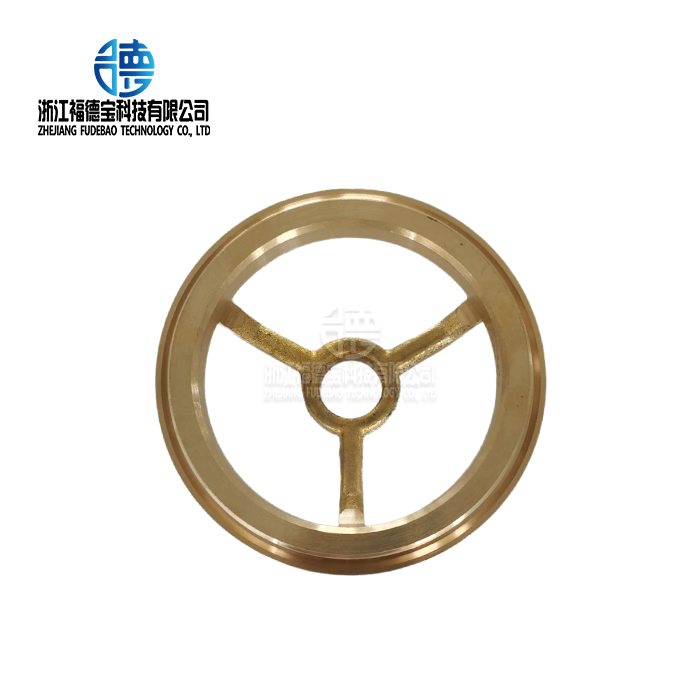
_1756352340434.webp "Aluminum chassis cover")
_1756348623524.webp "Turbine compressor housing")
_1756346043433.webp "guardrail connecting block")