A Comprehensive Guide on Die-Cast Aluminum Process
2026-05-01
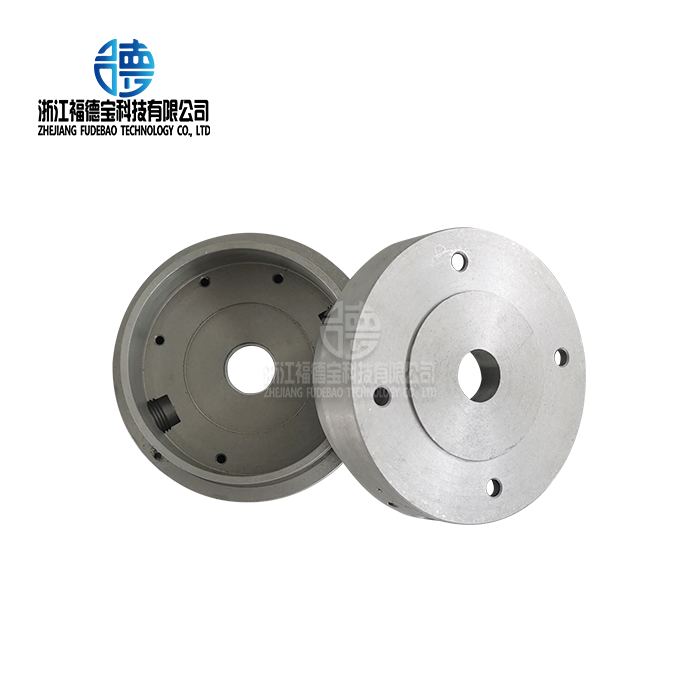
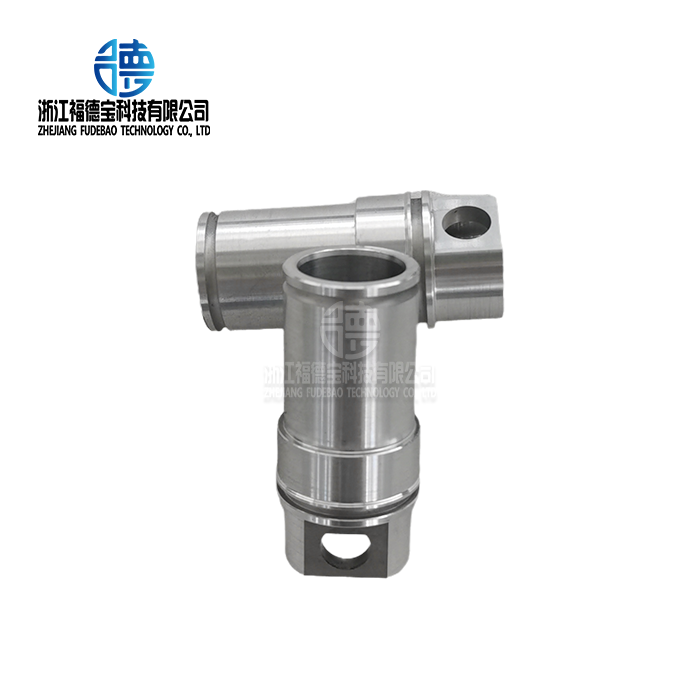
Die-cast aluminum represents a precision-driven metal forming technique where molten aluminum alloy is forced under high pressure—often exceeding 10,000 psi—into hardened steel molds to create intricate, dimensionally consistent components. Through aluminum die casting, manufacturers achieve rapid production cycles while maintaining tight tolerances critical for automotive housings, electrical enclosures, and aerospace structural elements. This method eliminates excessive material waste and secondary machining operations, delivering near-net-shape parts that meet exacting engineering specifications. The process has transformed how industries approach lightweight design challenges while addressing durability requirements across global supply chains.
Understanding Aluminum Die Casting: Process and Benefits
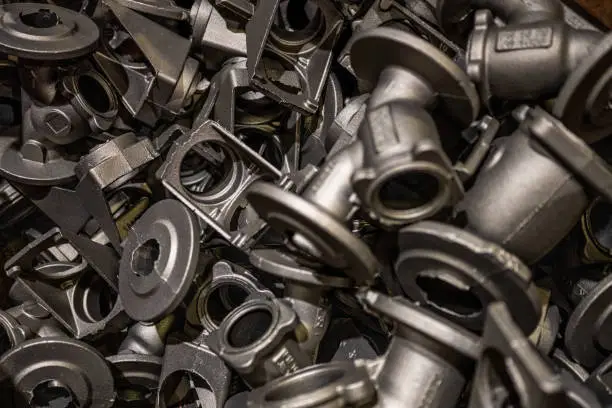
The first step in aluminum die casting is precision mold building, where steel dies are made that can withstand thousands of injection cycles. Molten aluminum, which is usually heated to 1,200°F to 1,300°F, is poured into these holes at speeds of up to 100 mph, filling complex shapes in milliseconds. This high-pressure method makes sure that even the smallest details are reproduced very accurately in all production runs.
The Core Process Stages
Preheating dies is part of preparing molds so that they don't solidify too quickly or experience temperature shock. When the melted metal is injected, it cools down quickly because the steel equipment transfers heat well. Cycle times range from 30 seconds to 3 minutes, based on how complicated the part is. This lets makers produce thousands of parts every day. Some of the things that are done after casting are cutting off any extra flash, shot-blasting to prepare the surface, and CNC milling for important parts that need tolerances better than ±0.002 inches. Surface treatments like anodizing or powder coating make things look better and make them less likely to rust. This is especially important for electrical equipment that will be used outside or in public places.
Alloy Selection for Performance
North American markets are dominated by A380 alloy, which is perfect for thin-walled parts in telecoms gear because it is very fluid and easy to die-fill via aluminum die casting. ADC12 is widely used in Asian industry because it is better at resisting rust in cooling systems for cars and power tool housings. Even though A356 is more expensive, it has better mechanical qualities after being heated, which makes it useful for high-stress industrial pump parts and aircraft structural braces. Each alloy has a different thermal conductivity value—A356 has a value of 152 W/m·K—that help LED lighting systems and EV battery casings deal with heat transfer problems.
Key Advantages Driving Adoption
Die-cast parts usually weigh 30–50% less than steel versions while still being strong. This directly supports fuel economy standards for cars and extending the range of electric vehicles. Aluminum surfaces naturally form an oxide layer that protects them from galvanic corrosion in coastal areas. This means that naval equipment and building hardware don't need to be serviced as often. When the number of units produced goes above 2,000, the economics of mass production become better because the cost of each piece drops a lot compared to investment casting or CNC fabrication. When the surface finish quality is good right out of the mold, extra grinding processes are often not needed. Roughness values below 3.2 Ra micrometers are possible, which makes them good for sealing surfaces in hydraulic manifolds.
These technical benefits have a direct effect on buying value when engineering teams look at different ways to make new products. We've seen buying managers request die-casting more and more for projects that need both stable dimensions across temperature changes and scalable production capacity. This is especially important for industrial equipment OEMs that are in charge of rolling out products all over the world.
Comparing Aluminum Die Casting with Alternative Methods
Knowing the different options for materials and processes helps buying workers make smart choices that fit the needs of the project. For prototypes, sand casting is cheaper because it doesn't need as many tools, but its size error range (usually ±0.030 inches) is too small for precision parts in industrial automation systems. With aluminum die casting, tolerances of within ±0.005 inches can be reached on important features without the need for extra cutting. This cuts down on the total time and cost of production.
Sand Casting Versus High-Pressure Die Casting
Sand casting works well for small production runs where the cost of the tools doesn't need to be high. This makes it a good choice for making unique parts for industrial machinery or specialized farm equipment. For a good surface finish, a lot of post-processing is needed, which increases labor costs and lengthens wait times. The open architecture of sand-cast parts makes them less pressure-tight, which means they can't be used in hydraulic systems or equipment that compresses air. Aluminum die casting gets rid of these problems by quickly solidifying the metal, making gas-tight parts that can withstand working pressures of 3,000+ psi in hydraulic valve bodies and compressor housings.
Material Alternatives: Zinc and Magnesium
Zinc die-casting gives smaller parts like electrical connectors and locking mechanisms better accuracy in their dimensions, but because it has a higher density (7.0 g/cm³ vs. 2.7 g/cm³ for aluminum), it doesn't offer the weight-saving benefits that are important for car and aircraft uses. Magnesium has the lowest density (1.8 g/cm³), but it can't be used outside without protection coats because it doesn't fight corrosion well. **Aluminum die casting** strikes a mix between these two factors, providing the right amount of strength to weight for transmission housings while also being resistant to the salt spray that damages wind turbine parts near the coast. Standardizing on aluminum die casting alloys is a common way for procurement teams that handle a wide range of products made from different materials to cut down on source confusion and inventory carrying costs.
Forging and Investment Casting Comparisons
The grain structure and mechanical qualities of die-forged aluminum parts are better, making them ideal for high-stress aircraft fittings. However, the process has trouble with complex interior geometries like cooling channels in motor housings. For medical implants and turbine blades, investment casting can make very fine details in stainless steel or titanium. However, for consumer electronics cases or power tool parts, it is not useful because it takes longer to make and costs more per unit. When engineers look at these options, they don't just look at the qualities of the materials; they also look at how easy it is to make more of them, what other operations will be needed, and the total cost of production across all the amounts that are expected.
Optimizing Aluminum Die Casting for Your Product Design
Design for manufacturability rules have a direct effect on the quality of the casting, the result of the production, and the general success of the program. Wall thickness consistency stops different cooling rates that cause stress and warping inside the metal. Keeping parts between 2.0 mm and 4.0 mm avoids porosity and allows metal to move properly. When you define minimum radii of 0.5mm, you improve both mold filling and component toughness under cycle loading. Sharp internal corners cause stress concentrations and stop metal flow.
Critical Design Parameters
Draft angles help parts come out of molds without damaging the surface. For external areas, draft angles should be at least 1-2 degrees, and for internal features, they should be at least 3-5 degrees. Ribs and gussets provide structural support without adding too much material. They should be made to be 50–60% of the thickness of the neighboring wall to avoid sink marks on the side opposite these features. To keep the dimensions from changing, uniform cooling is needed. This means that cooling lines must be strategically placed inside the mold to spread heat evenly across the casting geometry. We worked with tier-1 car sources to improve battery tray designs. We were able to cut the wall thickness from 3.5 mm to 2.8 mm while keeping the structural performance the same. These changes cut the weight of the parts by 18% and the cycle time by 22 seconds.
Tolerance Capabilities and Limitations
Standard die-casting limits for aluminum die casting are ±0.005 inches for sizes up to 1 inch, and they rise to ±0.015 inches for sizes over 6 inches because of changes in temperature expansion. Post-casting CNC operations are needed for features that need tighter control, like bearing bores in gearbox housings or sealing surfaces in valve bodies. These operations should be planned during the design process to avoid as-cast specs that are too strict. The surface finish gets to 63–125 microinches Ra without any extra work, which is good enough for many commercial uses. However, ornamental parts might need extra treatments. Knowing these skills keeps you from over-specifying, which raises the cost of production without adding any value.
Common Defect Prevention Strategies
Gases that get caught or shrinking during solidification can cause porosity. This can be lessened by using the right gating design to help the solidification process along and strategically placing vents. When metal streams come together without properly fusing, this is called a cold shut. This can be fixed by adjusting the input temperature and flow speed. Surface flaws like blisters or stains are often caused by poor mold upkeep or growth of release agent, which means that mold cleaning methods must be followed consistently. Real-time process tracking, such as cavity pressure monitors and thermal imaging, is used by makers who care about quality to find problems before they make defective parts. Inspection methods that use CMM verification, X-ray porosity analysis, and pressure testing make sure that only parts that meet the requirements make it to the production steps.
Sourcing and Procurement: How to Select the Right Aluminum Die Casting Supplier
Choosing a supplier has a big effect on the schedule, quality of the parts, and total cost of purchase. Geography affects more than just labor rates; it also affects facilities for logistics, security of intellectual property, and rules and regulations. Asian foundries usually have low unit prices for making a lot of consumer goods, but long lead times and trouble communicating can make it hard to make quick design changes. Even though the cost of labor is higher, North American suppliers are closer, which is helpful for car programs that need weekly deliveries and technical teamwork.
Essential Evaluation Criteria
As part of figuring out the production capacity, existing equipment like aluminum die casting machine tonnage ranges, secondary cutting capabilities, and surface treatment choices are looked at to make sure they are in line with the project requirements. Medium-sized parts like motor housings and transmission covers are handled by suppliers with 400- to 1,000-ton machines. Large structural car parts are handled by suppliers with 2,500-ton or more machines. Minimum order numbers (MOQs) are based on economic batch sizes. Many foundries set MOQs between 1,000 and 5,000 pieces to make sure they have enough time to set up tools and improve the process. Lead times include making the mold (10–14 weeks), making the first item, and writing up the PPAP, so they need to be considered early on in the product development process.
Certifications and Quality Systems
aluminum die casting, ATF 16949 certification shows that an automobile quality control system is being followed, which is important for tier-1 and tier-2 providers. AS9100 certification covers the tracking and process control needs of the aerospace industry. It does this by covering things like advanced NDT inspection methods and material certification paperwork. More and more, ISO 14001 approval for environmental management is being added to companies' sustainability scorecards. This is especially true for global OEMs that make public environmental promises. Looking at real audit reports and customer references gives you more information than just licenses. Asking for site visits lets you check out the cleaning standards, how the equipment is maintained, and the skill levels of the staff, all of which affect day-to-day operations.
Building Strategic Partnerships
Long-term partnerships with suppliers provide value above and beyond transactional price through collaborative engineering support, flexible inventory management, and efforts to improve all the time. Setting clear rules for communication, like reporting on production every week, reviewing performance every month, and planning the business every three months, helps avoid confusion and keep everyone on the same page. Sharing predictions helps sellers get the best deals on raw materials and plan their capacity, which can lead to better prices or faster schedules. We've helped companies that make industrial tools switch from spot-buying to partnership models. By agreeing to buy in bulk, we were able to get priority placement during times when the industry as a whole was short on capacity, which cut costs by 12 to 15 percent.
Conclusion
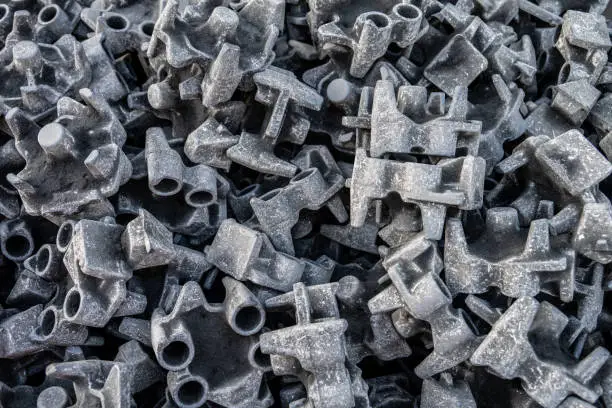
Aluminum die casting processing has a great mix of geometric freedom, mechanical performance, and production scalability that solves important problems in the aircraft, automobile, industrial, and electrical fields. Knowing the basics of the process, from choosing the right metal and designing the mold to following quality control rules, helps engineering and buying teams choose the right ways to make things without spending too much on details that aren't needed. When you compare die-casting to other methods, you can see what the choice factors are. This helps companies balance the costs of tools, unit economics, and time constraints. A strategic approach to choosing a provider includes more than just looking at prices. It also looks at things like quality systems, technical skills, and the chance to work together to make the product successful in the long run. With these insights, decision-makers can find the best sources for parts while lowering the risks that come with global supply lines.
FAQ
1. Which aluminum alloys are most commonly used in die casting?
The A380 is the most popular in North America because it has great die-filling qualities and balanced properties that make it good for general-purpose parts. In Asian markets, ADC12 is the most popular choice because it is more resistant to rust and can be used outside or in car cooling systems. Even though it needs to be heated, A356 alloy has better mechanical qualities for high-stress aircraft and industrial equipment that needs to work at high temperatures in aluminum die casting applications.
2. What are typical lead times for precision die-cast parts?
The whole program start process takes 12 to 16 weeks, which includes 2 to 3 weeks for mold design, 8 to 12 weeks for tool manufacturing, sampling, and PPAP approval. Depending on the amount and other processes, production orders for existing tools usually ship within 4 to 6 weeks. Through parallel engineering and special tooling fees, rush programs may shorten lead times, but this method raises the risk of cost and quality.
3. How can I identify and prevent common casting defects?
On an X-ray, porosity shows up as empty spaces inside the material. This can be avoided by designing the gates more efficiently and controlling the solidification process. Adjusting the injection settings can fix cold shuts, which show up as obvious seam lines where metal flows meet. Working with experienced foundries that use process tracking systems and statistical process control lowers the number of defects. Setting clear acceptance standards during the PPAP phases also keeps production disputes from happening.
Partner with Fudebao Technology for Your Die-Cast Aluminum Components
Fudebao Technology is a specialized aluminum die casting company that can do everything from making molds to finishing the work and treating the surface. Our building has high-pressure die-casting machines, CNC machining centers, and finishing tools that help us deliver full components, from molten metal to parts that are ready for review and are accurate to within 0.05 mm. We keep our IATF 16949 certification and all the quality paperwork needed to meet global sourcing standards as we work with car tier-1 suppliers, industrial equipment OEMs, and energy sector manufacturers. You can email us at hank.shen@fdbcasting.com to talk about your specific application needs, get expert advice on how to improve your design, or get detailed quotes for future projects that need a reliable aluminum die casting supplier partner.
References
1. American Foundry Society. (2021). Die Casting Engineering: A Hydraulic, Thermal, and Mechanical Process. Schaumburg: AFS Publications.
2. Kaufman, J. Gilbert & Rooy, Elwin L. (2019). Aluminum Alloy Castings: Properties, Processes, and Applications. Materials Park: ASM International.
3. North American Die Casting Association. (2020). Product Specification Standards for Die Castings: NADCA Standard 403. Arlington Heights: NADCA.
4. Zhao, Dequan & Wu, Shichao. (2022). "Optimization of High-Pressure Die Casting Process Parameters for Aluminum Alloy Components." Journal of Manufacturing Processes, 78, 412-428.
5. European Aluminium Association. (2023). Design Guidelines for Die Cast Aluminum Components in Automotive Applications. Brussels: EAA Technical Committee.
6. Campbell, John. (2018). Complete Casting Handbook: Metal Casting Processes, Techniques and Design (2nd ed.). Oxford: Butterworth-Heinemann.



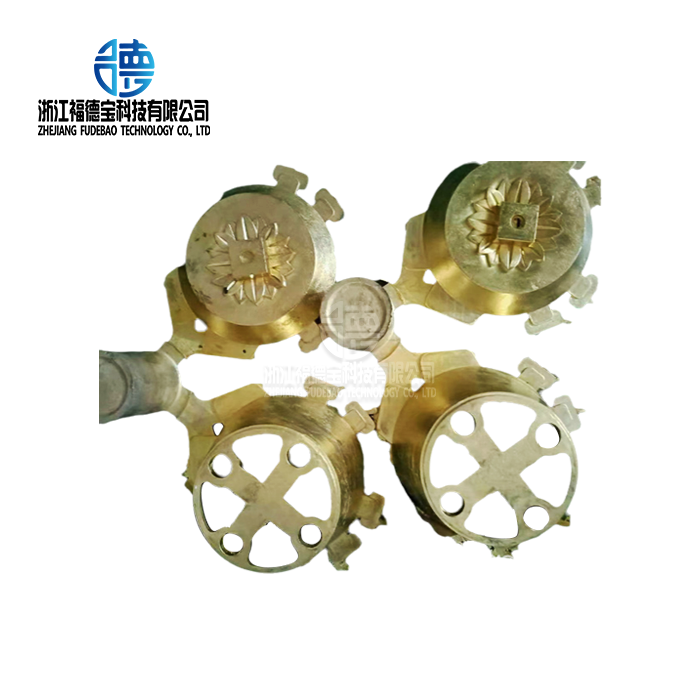
_1756352561845.webp "stainless steel blanking plug")
_1756348780785.webp "porting turbo compressor housing")
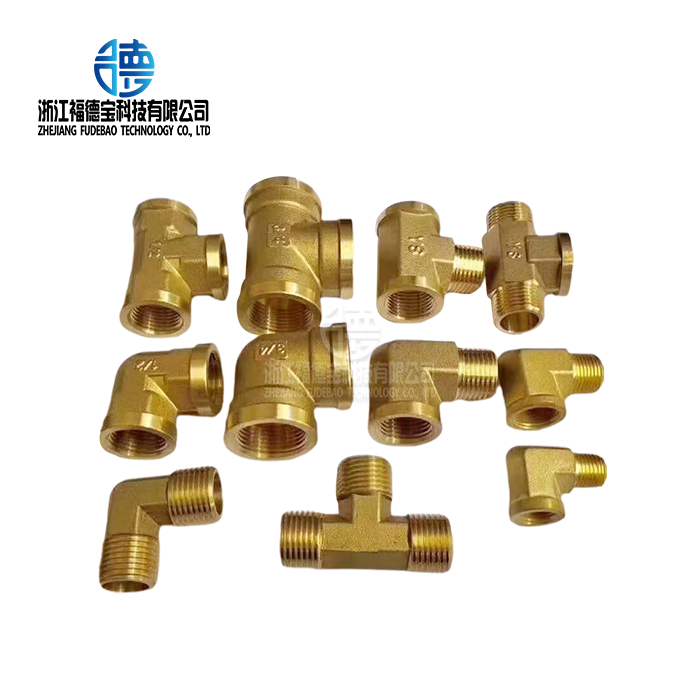
_1756346613780.webp "Aluminum tent base Casting")