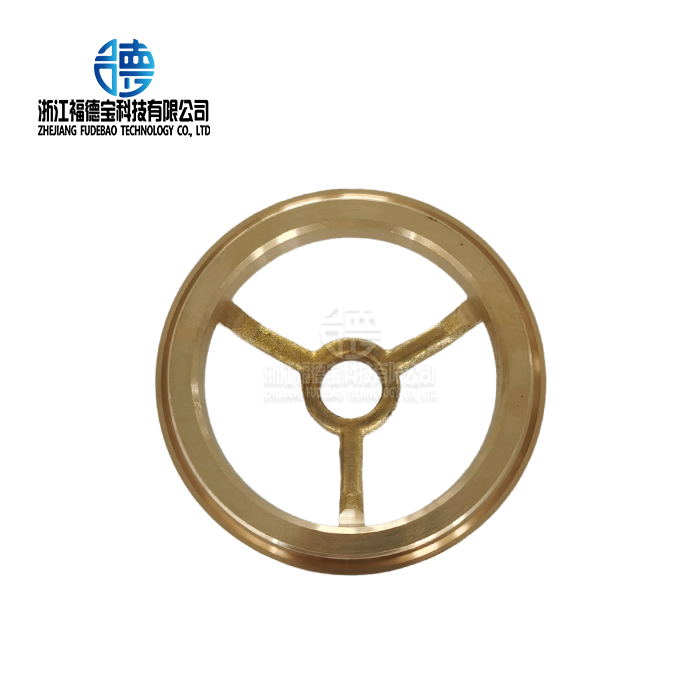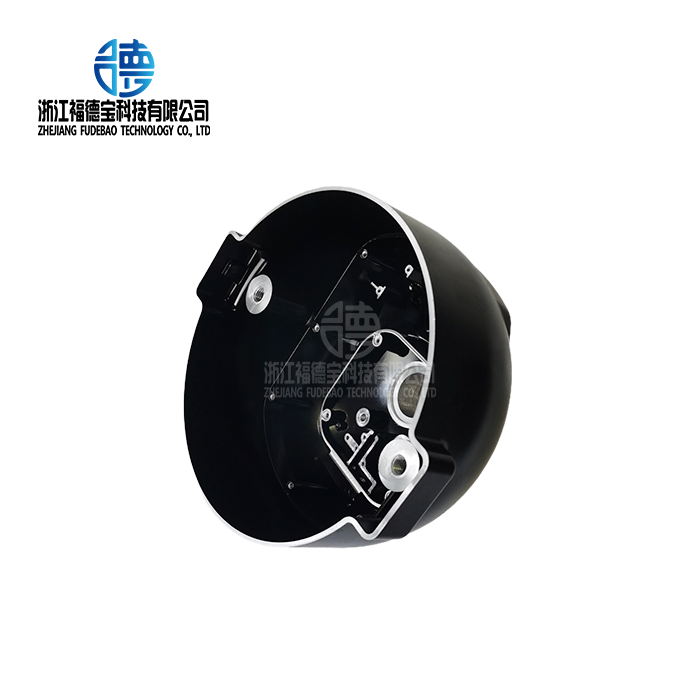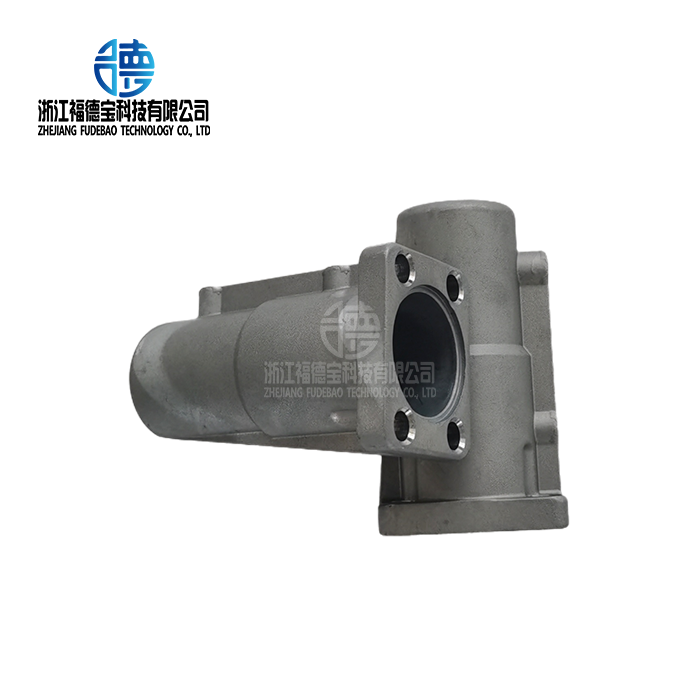
What is Aluminum Die Casting? The Process of Die Casting
2026-04-02
Aluminum die casting is a precise way to make metal parts. Molten aluminum alloy is pressed into hardened steel molds at very high pressures, usually between 1,500 and over 30,000 psi. This high-pressure die casting method makes it easy to make complex parts quickly that are the right size and have great surface finishes. The process solves important production problems by making near-net-shape shapes as single units. This means that they don't need to be put together with welding, and they can be much lighter without losing their structural integrity.
Understanding Aluminum Die Casting: Definition and Fundamentals
High-pressure injections that are managed are what make aluminum die casting possible. They turn liquid aluminum alloys into precise parts. Specialized steel dies that can handle high temperatures and pressures are used in this method of making to make parts that are very accurate in terms of their dimensions and can be used over and over again.
Core Principles of the Die Casting Process
The basic idea is to apply a lot of pressure to molten metal and force it into a die hole. This pressure, which is often higher than 20,000 psi, makes sure that all the holes are filled and makes parts with thin walls and lots of small details. Depending on the type of aluminum metal being used, the process works at temperatures between 650 and 700°F (1200 to 1300°C).
Some common aluminum alloys used in die casting are A380, ADC12, and A356. Each has its own features that make it good for different uses. A380 has great flow and resistance to rust, which makes it perfect for parts for cars. ADC12 is chosen in industrial machinery uses because it is stronger and more stable in its dimensions. A356 is perfect for aerospace uses because it has great mechanical qualities and can be heat treated.
Benefits That Drive Manufacturing Success
This process has many benefits that go beyond just making parts. In the car and aircraft industries, where every gram counts, the ability to lose weight is especially important. The low density of aluminum (2.7 g/cm³) makes it much lighter than other elements while still keeping its strength.
Another great benefit is that the dimensions are very accurate, with margins of up to 0.05 mm possible in many situations. This level of accuracy cuts down on or gets rid of the need for extra cutting, which saves a lot of money in large production runs. Aluminum has a very high thermal conductivity (96–120 W/m·K), which makes these products perfect for electronics and power systems that need to get rid of heat.
Aluminum Die Casting Process Steps: From Mold to Finished Part
Procurement workers for aluminum die casting can better understand how difficult and precise it is to make high-quality cast components when they know about the whole manufacturing process. To get the same results every time, each step needs to be carefully controlled and watched.
Die Design and Preparation Phase
The first step is careful die design, in which engineers make detailed CAD models that take into account things like cooling channels, ejection systems, and shrinking rates. When making a die, high-quality tool steels are used that can withstand thousands of turns without losing their shape. Keeping the die temperature between 300 and 500°F is usually enough to make sure that the metal flows well and the parts are of good quality.
Cleaning the area well and using release agents are part of getting ready for mold. These chemicals keep metal from sticking to die surfaces and make sure that parts come out smoothly. Before production starts, the die must reach the right thermal balance. This stops flaws that can happen when temperatures change.
Injection and Solidification Control
The most important part of the aluminum die casting method is the injection step. A carefully planned gate system lets molten aluminum into the die hole at speeds of up to 60 meters per second. This quick filling keeps heat from escaping and stops solidification too soon, which could lead to flaws.
Controlling the cooling becomes very important during solidification. Putting cooling lines in the die in the right places controls the rate at which heat is extracted, which stops hot spots that could cause porosity or dimensional error. Depending on the thickness and complexity of the part, cooling times are usually between 10 and 30 seconds. Advanced process tracking systems keep an eye on temperature changes throughout the cycle to make sure the quality stays the same.
Post-Casting Operations and Quality Assurance
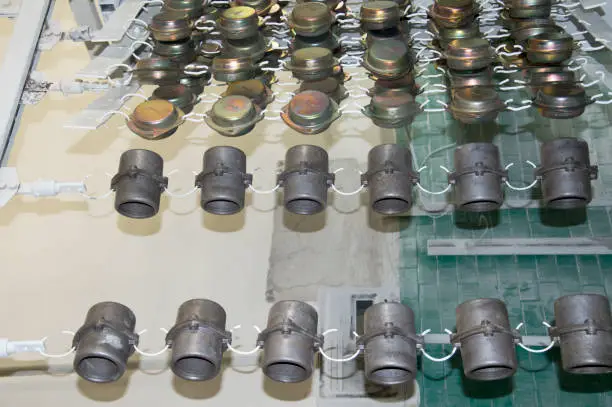
After being ejected from the die, parts go through a number of finishing steps. Trimming gets rid of extra material on gates and flash, and deburring makes sure that the edges are smooth. In many situations, key measurements or surface finishes that are better than what can be achieved with as-cast parts need to be machined again.
Measurement checks, pressure tests for important uses, and checking the surface finish are all examples of quality control methods. Common flaws in casting, like porosity, cold shuts, or differences in size, are found and fixed by making changes to the process. Statistical process control helps keep quality the same from one production run to the next, which is important for car and aircraft uses that need PPAP documentation.
Aluminum Die Casting vs Other Manufacturing Methods: Making the Right Choice
To get the best price, quality, and delivery times for aluminum die casting, procurement pros have to look at a number of different manufacturing choices. Figuring out the relative benefits helps you make smart choices that fit the needs of your project.
Cost-Efficiency and Production Speed Analysis
When considering different ways to make things, aluminum die casting is the best for making a lot of things at once. Even though the starting prices of the tools are high, the cost per unit goes down a lot as the volume goes up. Depending on the complexity and size of the part, production rates of 100 to 1000 parts per hour are possible.
Sand casting has lower prices for tools, but it takes longer to make things and needs a lot of extra machining. The processing times for plastic injection casting are about the same, but it doesn't have the mechanical qualities needed for structural uses. CNC cutting gives you more accurate measurements, but it's too expensive for mass production because of the waste of materials and the time it takes to handle them.
Material Properties and Application Suitability
When comparing strength to weight, aluminum die castings are better than plastic options. They also keep their shape better than sand casts. Aluminum's natural resistance to rust is higher than that of many competing materials, and this resistance is increased by the formation of an oxide layer.
Zinc die casting can make more complex shapes and have a smoother finish, but it is much heavier. Aluminum is better for applications that need to be light because it has a lower density than zinc (2.7 g/cm³ vs. 6.6 g/cm³). Also, aluminum's better thermal conductivity is very useful in heat control situations where zinc's lower conductivity isn't enough.
Procurement Insights for Aluminum Die Casting: What B2B Buyers Should Know
To be good at buying, you need to know about the most important selection factors, how costs work, and what suppliers can do. These ideas help people form good relationships that reduce risks and produce good results.
Supplier Selection and Capability Assessment
When judging aluminum die casting companies, you have to look at a lot of different aspects of their abilities. The project needs to match the production capacity, which is shown by machine tonnage and yearly amount capability. Machines that weigh between 125 and 4000 tons can handle parts of different sizes and levels of complexity.
Different industries have different certification needs. For example, car suppliers need to be IATF 16949 compliant, while aerospace uses need AS9100 approval. Suppliers can regularly meet tight tolerance standards if their quality system is mature, which can be seen by how well they use statistical process control and how well they can measure things.
In addition to basic casting, the company can do secondary operations like CNC cutting, surface processes, and assembly services. When compared to multi-supplier setups, integrated suppliers that offer full solutions from raw materials to finished parts often offer better cost structures and quality control.
Cost Factors and Lead Time Considerations
Understanding how costs are structured can help you make the best decisions about what to buy while staying within your budget. Tooling costs are the biggest upfront investment, and they change a lot depending on the complexity of the part, the number of cavities, and the length of time the tool needs to last. It's possible that simple tools with only one chamber will cost a lot less than complex tools with many cavities and complicated cooling systems.
The prices of materials change with the price of metal on the market, so long-term deals help keep budgets stable. The cost of processing depends on the quality standards, turnaround time, and any other processes that need to be done. Minimum order amounts are often based on economic batch sizes that make the best use of tools while keeping prices low.
Lead times include the stages of designing the tool, making it, testing it, and then mass production. Designing and building a tool usually takes 8 to 12 weeks, based on how complicated it is. Sample approval processes can make deadlines longer, especially for applications that need a lot of testing and confirmation. Production lead times range from days for simple things to weeks for complicated parts, depending on how much you buy and how much capacity is available.
Industry Trends and Future Outlook for Aluminum Die Casting
Technology progress, new materials, and changing market needs are all changing the production environment for aluminum die casting all the time. Knowing about these trends helps people who work in buying predict what will be needed in the future and put their companies in a competitive position.
Material Innovations and Process Advances
The goal of developing advanced aluminum alloys is to improve their mechanical qualities, make them easier to cast, and give them specific performance traits. New metal formulas are made for specific uses, like making high-temperature parts for cars or building light structures for spacecraft. Often, process changes need to be made to get the most out of these materials' unique properties.
Integration of automation changes the way things can be made by making them more consistent, requiring less work, and improving quality control. Robotic systems are more accurate than people when it comes to removing parts, cutting them, and inspecting them. Real-time tracking systems gather information about the process, and machine learning algorithms use that information to predict repair needs and improve quality.
Market Dynamics and Supply Chain Evolution
Restructuring the global supply chain puts more emphasis on area manufacturing skills. This makes companies less reliant on sources far away and gives them more delivery options. This trend is especially good for North American companies that make cars and other things for the local market. More and more, aluminum die casting companies are focusing on environmentally friendly methods, like recycling programs and processes that use less energy.
New parts are needed because more people are buying electric cars. Battery housings, motor parts, and heat control systems are all big growth areas. Beyond what is needed for cars, these uses need better accuracy in measurements, better heat performance, and better weight optimization. Specialized castings are also needed in the green energy field for use in wind turbines, sun tracking systems, and energy storage.
Conclusion
Aluminum die casting is a sophisticated way to make things that meets important needs in the aircraft, automobile, industrial, and electrical fields. The process uses accuracy, speed, and material benefits to make parts that meet strict performance requirements and support production strategies that save money. It is possible to make smart buying choices that meet both short-term needs and long-term strategy goals by understanding the basic principles, process skills, and comparative advantages. As technology improves and market needs change, aluminum die casting keeps changing by using new materials, better processes, and adding automation. This keeps it useful in modern production settings.
FAQ
What makes aluminum die casting suitable for automotive applications?
Aluminum is strong for its weight, doesn't rust, and is easy to shape accurately, all of which are useful in automotive uses. The process makes complicated shapes like engine blocks, gearbox housings, and structural parts while meeting the strict tolerances and PPAP documentation standards that automakers need.
How does aluminum die casting compare to sand casting for industrial equipment?
Sand casting has lower machining costs and more options for making big parts, but aluminum die casting is more accurate in terms of size, has better surface finishing, and can make things faster. Die casting is often the best way for companies that make industrial equipment to make parts that need to be precise and of high quality throughout large production runs.
What quality certifications are important for aluminum die casting suppliers?
Some important certificates are IATF 16949 for use in car applications, AS9100 for use in aerospace components, and ISO 9001 for use in general factory quality systems. Depending on the use, there may be other industry-specific standards that must be met, such as UL listings for electrical parts or FDA compliance for uses that come into touch with food.
Partner with Fudebao Technology for Superior Aluminum Die Casting Solutions
Fudebao Technology stands as a leading aluminum die casting manufacturer, combining advanced equipment capabilities with comprehensive quality systems to serve global automotive, industrial, aerospace, and electrical equipment sectors. Our integrated facility features high-speed machining centers, CNC lathes, low-pressure casting machines, and die casting equipment covering the complete manufacturing process from melting through surface treatment. With precision capabilities reaching ±0.05mm and extensive experience serving international brands including American HAAS automation and ESS energy storage systems, we deliver one-stop solutions from blank to finished product. Contact hank.shen@fdbcasting.com to discuss your specific requirements and discover how our expertise can optimize your component sourcing strategy while ensuring consistent quality and competitive delivery schedules.
References
Apelian, D. "Aluminum Die Casting Alloys: Alloy Composition, Microstructure, and Properties-Performance Relationships." North American Die Casting Association Technical Publication, 2021.
Vinarcik, E.J. "High Integrity Die Casting Processes: Advanced Manufacturing Techniques for Automotive and Aerospace Applications." Society of Manufacturing Engineers Press, 2022.
Lumley, R.N. "Fundamentals of Aluminium Metallurgy: Production, Processing and Applications in Die Casting." Woodhead Publishing Materials Engineering Series, 2020.
Brevick, J.R. and Metals, A.S. "Die Casting Process Optimization: Statistical Methods for Quality Control and Process Improvement." American Society for Metals International, 2021.
Kaufman, J.G. and Rooy, E.L. "Aluminum Alloy Castings: Properties, Processes, and Applications in Transportation and Industry." ASM International Materials Handbook, 2022.
North American Die Casting Association. "Product Specification Standards for Die Castings: Design Guidelines and Quality Requirements." NADCA Standards Publication DS-101, 2023.



YOU MAY LIKE
_1756346310015.webp "Aluminum castings Crane bracket")