Precision CNC Machining Services: A Complete Guide To Processes And Industry Applications
2026-04-01
A technology called Computer Numerical Control (CNC) is used to make very exact and complicated parts out of raw materials. Accomplishments in modern industry are based on precise CNC machining. Planned tool movements are used throughout this whole manufacturing process to remove material and keep surface finishes very high and errors for measures as low as ±0.005mm. Businesses can use precision cutting services to get the exact specs they need for mission-critical tasks that can't fail. The range of these uses is huge, from surgical devices to parts for space engines.
Understanding Precision CNC Machining: Core Concepts and Processes
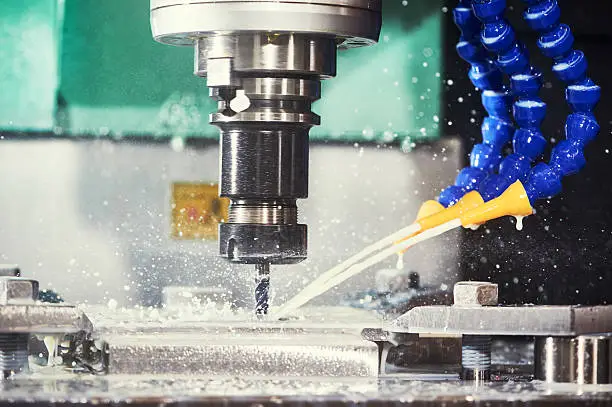
CNC machines have changed the way things are made because they don't make the mistakes that happen when things are done by hand. G-code instructions are mathematically exact instructions for machines that are turned into drawing files by CAD/CAM software. In comparison to casting or additive production, CNC machining uses subtractive methods to take away material from solid stock. This makes sure that the part's structure stays the same throughout the whole thing.
Essential CNC Machine Types and Their Applications
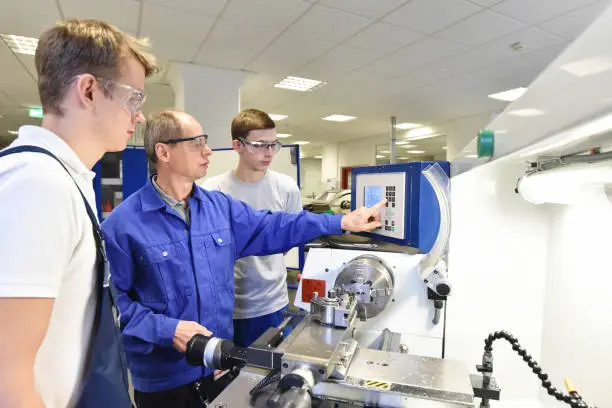
Machine shops today use many kinds of CNC tools to deal with many kinds of business issues. The best way to make complicated housings and frames is with a vertical machine center. When making a lot of parts at once, on the other hand, horizontal mills are the most useful. CNC lathes are great at making parts that are round, like shafts and pins. They also do a great job of making sure that all of the parts are the same size and shape.
A lot of new multi-axis machines have come out, and now 5-axis machines can cut in more than one way at the same time. This technology makes it possible to make complicated airplane parts without having to set them up more than once. By not having to change the piece of work, precision stack-up mistakes are less likely to happen, and measurements of important parts are much more accurate.
Material Selection and Properties for Precision Applications
It is possible to use a wide range of industry metals and complex materials together without any issues. Alum 6061-T6 is mostly used in cars because it is strong for its weight and easy to work with. 316L stainless steel is used to make medical tools that don't rust and are safe for humans to use.
Superalloys, such as Titanium Ti-6Al-4V and Inconel 718, are tough to work with but do their best when temperatures are high. For these materials, you need to use certain cutting settings and methods to get the best results and keep the tool life high. Both the quality of the parts and the cost of making them depend on how the materials behave when they are cut.
Tolerance Standards and Quality Control Protocols
To make sure your measurements are accurate in CNC machining, you should stick to tolerance standards like ISO 2768-f for small uses or ASME Y14.5 for measuring and tolerating geometric shapes. Surface roughness testers, coordinate measuring tools, and optical inspection systems are some of the quality control tools that are used to make sure that standards are met at all steps of production.
Statistical process control methods keep an eye on key things like changes in size, the consistency of the finish on the surface, and the speed at which tools wear out. These approaches are based on facts and let changes be made before they cause quality issues. This keeps the narrow ranges needed for PPAP paperwork in the auto business and for flight approval.
Benefits and Applications of Precision CNC Machining in Industry
There are many perks to precision cutting besides just being able to cut things exactly to size. When you use automated production steps, you can make sure that big batches of goods are all the same, but you can also quickly change something about the design. CNC machining can adapt to changes in engineering without having to spend a lot of money on new tools. All that needs to be done is to update the software.
Aerospace and Defense Component Manufacturing
For use in space, things need to be able to handle a lot of stress while losing as little weight as possible. For example, when making turbine blades, it takes careful grinding to get surface finishes better than Ra 0.8μm on airfoil forms that aren't simple. This is done to get the best aerodynamic performance. Titanium alloys keep their grain structure intact by using methods for removing materials. This stops stress from building up in places that could lead to catastrophic failure.
In important fastener jobs, custom shoulder bolts and shear pins made from A286 superalloys are used. For more than 500°C, these parts can handle changes in temperature. They can also keep their fine thread touch even when they are shaking a lot. Because of the precise cuts, the sizes stay the same, so the method will work well for a long time.
Automotive Powertrain and Chassis Applications
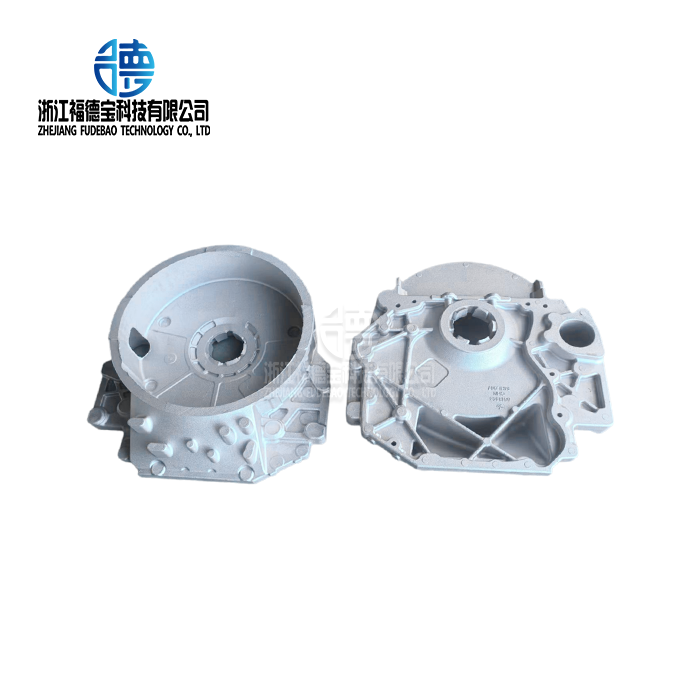
As the number of electric cars grows, the need for engine parts that are both light and strong has grown. Precision-machined gearbox housings are made of aluminum metals because they are lighter and better at moving heat than other metals. When gears are used, the teeth forms must be exact to within micrometers so that noise, shaking, and roughness are kept to a minimum.
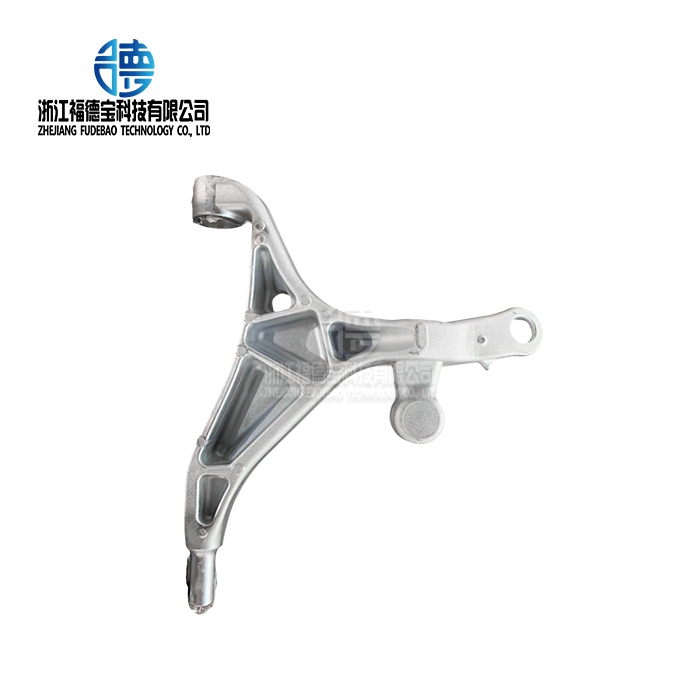
It is very helpful to have mounting plates for suspension system parts that have been carefully made through CNC machining to fit together in key places. Because CNC methods can correctly measure sizes, they do not need the extra steps that are usually needed after casting. This saves money and time. Anodizing and powder finishing are two ways to treat surfaces to make finished items stick to them more evenly. The parts will last longer this way.
Medical Device Precision Requirements
Those who make medical devices have to follow strict rules set by officials. These rules require tried-and-true methods and full accountability. Instruments used in surgery are made from biocompatible materials like PEEK and stainless steel 316L. The surfaces of these things are made to be smooth and free of bumps so that germs can't grow on them. It's now possible to be very exact when cutting, so a lot of work doesn't need to be done by hand.
When it comes to sizes, hip implant parts need to be very exact so that they fit and work right in the body. So that the bone screws' thread forms work best and don't hurt the flesh, they need to be exactly set and shaped. Precision cutting methods keep the material pure, which ensures that it will work well with living things and machines for a long time.
Choosing the Right CNC Machining Services for Your Business Needs
Take a close look at their professional skills, quality systems, and output ability to find the right machine partner. As manufacturing gets more complex, it's important for service providers to understand both the technology needs and the rules that each company must follow.
Quality Standards and Certification Requirements
Machine shops you can trust have quality control systems that meet industry standards such as ISO 9001, AS9100 for airplanes, or ISO 13485 for medical equipment. These badges show that you are committed to process improvement and growth, which are important for always making good products.
Different businesses have very different documentation needs. Car companies, for instance, need PPAP reports, and aircraft companies need to be able to fully track materials. If you know about these needs ahead of time, you can avoid costly delays in the qualification process and make sure that the move to production goes quickly.
Production Capabilities and Lead Time Considerations
Many machine service providers can make a wide range of goods, from small samples to large batches. It's important for prototype services to have quick turn-around times and let you choose how the product is designed. On the other hand, production-oriented centers try to be as efficient and cost-effective as they can. Being aware of these differences will help you pick a source that fits the needs of the project.
Lead times need to include the time it takes to get things, set them up, and make sure they are good. Most of the time, rush orders cost more because workers have to work longer hours and supplies have to be brought faster. If companies plan their production ahead of time, they can make the most of their resources and keep their prices low.
Geographic and Logistical Advantages
It's getting more and more important for global business processes that supply chains for CNC machining are strong. For example, shipping costs are lower, wait times are faster, and it's easy to plan when to call a regional provider. It's easier for people to work together on things like fixing problems and making designs better when their cultures and time zones are similar.
But you might need to hire people from other countries if you need certain skills or want to save money. If you want to pick a service, you should think about the total cost of ownership. This includes shipping, product costs, and quality risk.
Optimizing Procurement and Operations with Precision CNC Machining
People who are taught, processes that are made easier, and the smart combination of new technologies are what make precision cutting work so well. The best businesses use technology and data analytics to keep costs low and quality high.
Advanced CAD/CAM Integration Strategies
By streamlining the creation of toolpaths and letting models run, modern CAD/CAM software has made programming faster and more accurate. And they figure out the fastest way to cut so that cycle times are as short as possible while still meeting standards for surface finish. Preventing accidents saves a lot of money when machines break down and keeps workers safe when no one is watching.
When you use parametric programming, you can quickly change the program to fit new design requirements without having to write it from scratch. As the design is being made, this ability to adapt is very useful because small changes often lead to the best design. Cloud-based software tools make it easy for design teams and factory partners to work together. There is less time between having a thought and making it happen.
Safety Protocols and Regulatory Compliance
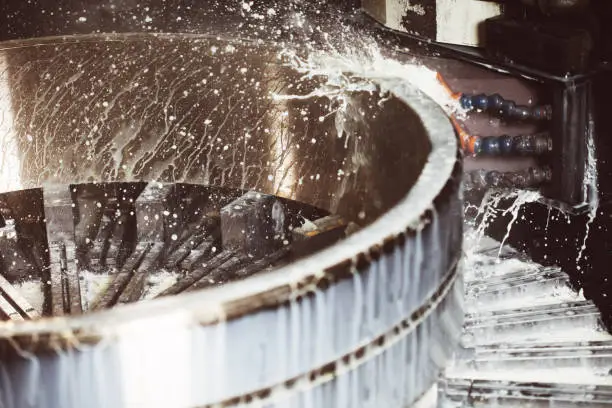
Machine shops need to have thorough training programs that teach workers how to use the tools and what to do if something goes wrong. Hot metal pieces don't get piled up and start fires or hurt people when chip escape devices work right. Rules for coolant management make sure that the right fluids are used and put away in a way that doesn't hurt the environment.
Machine tools have special risks, like metal chips, cutting fluids, and gear that is moving. Personal safety equipment rules need to cover these risks. Safety audits done on a regular basis find potential problems before they happen. This keeps workers safe and processes running smoothly.
Performance Metrics and Continuous Improvement
KPIs keep track of how well tools are used, how often they are used, and how reliable the quality is. Things that track machines keep real-time records of spinning loads, sound levels, and the rate at which tools wear out. If you have this knowledge, you can make repair plans ahead of time that will cut down on unexpected downtime and make the most of times when tools need to be replaced.
By using statistics to look at quality data, you can find trends and changes in the process that could have an impact on how well the product meets the needs. By using this study to guide changes, you can keep customers from seeing poor quality work and save the company money on scrap and repair costs.
Conclusion
Precision CNC machining services keep improving the production capabilities of all fields that need high precision and dependability. Using advanced materials, smart control systems, and automatic quality checks together can lead to better performance while lowering production costs. To be successful, you need to carefully choose your suppliers based on their technical skills, quality processes, and how well their culture fits with your business goals.
When businesses invest in precision machining relationships, they get a competitive edge through better product quality, shorter development processes, and more reliable supply chains. In the coming years, technology will likely get even better as it moves toward more automation and AI integration. This will make strategic supply relationships more valuable than ever.
FAQ
What kinds of materials work best for CNC machining that needs to be precise?
The choice of material is based on the needs of the product, such as strength, weight, resistance to rust, and biocompatibility. Aluminum alloys, such as 6061-T6, are great for making parts for cars and airplanes because they are easy to machine and have a high strength-to-weight ratio. 316L and other types of stainless steel are resistant to rust, which is important for medical gadgets and food processing equipment.
For precise parts, how does CNC machining stack up against 3D printing?
When consistency in measurements, surface finish, and material qualities are very important, CNC machining is the best way to go. Parts that are machined keep the full structural integrity of the parent material, but parts that are 3D printed may have problems with layer bonding or porosity. Precision cutting can achieve tolerances of ±0.005mm to ±0.025mm, while most additive manufacturing methods can only achieve tolerances of ±0.1mm or higher.
When buying teams ask for quotes on CNC machining, what should they put first?
Quantity needs have a big effect on how prices are set and how long people expect wait times to take. If you buy a certain amount from a supplier, they may give you a discount. This makes it worth it to combine your needs from different tasks. The grade, state, and approval needs of a material affect both its cost and its supply.
Partner with Fudebao Technology for Superior CNC Machining Solutions
Fudebao Technology is one of the best CNC machining companies. They make accurate parts that meet the strict requirements of the aircraft, automobile, and industrial equipment industries. Our cutting-edge factory has high-speed machining centers, modern CNC lathes, and full quality control systems that make sure the measurements are accurate to within ±0.05mm.
As a reliable provider that serves markets around the world, we offer full production solutions, from casting aluminum and copper alloys to fine finishing. Our knowledge covers the whole production process, so we can give everything from raw materials to finished parts all in one place. Get in touch with our engineering team at hank.shen@fdbcasting.com to talk about your unique machining needs and find out how our proven skills can help you improve the performance of your supply chain while keeping the highest quality standards.
References
Manufacturing Engineering & Technology, Kalpakjian and Schmid, 7th Edition, Pearson Education, 2014
CNC Machining Technology and Programming, Evans, Industrial Press, 2019
Precision Manufacturing Guidelines for Aerospace Applications, Society of Manufacturing Engineers, 2021
Advanced Materials and Manufacturing Processes in Transportation Industries, Taylor & Francis, 2020
Quality Control Systems in Modern CNC Manufacturing, International Journal of Production Research, Volume 58, 2022
Automation and Industry 4.0 Integration in Precision Machining Operations, Manufacturing Science and Engineering Conference Proceedings, ASME, 2023



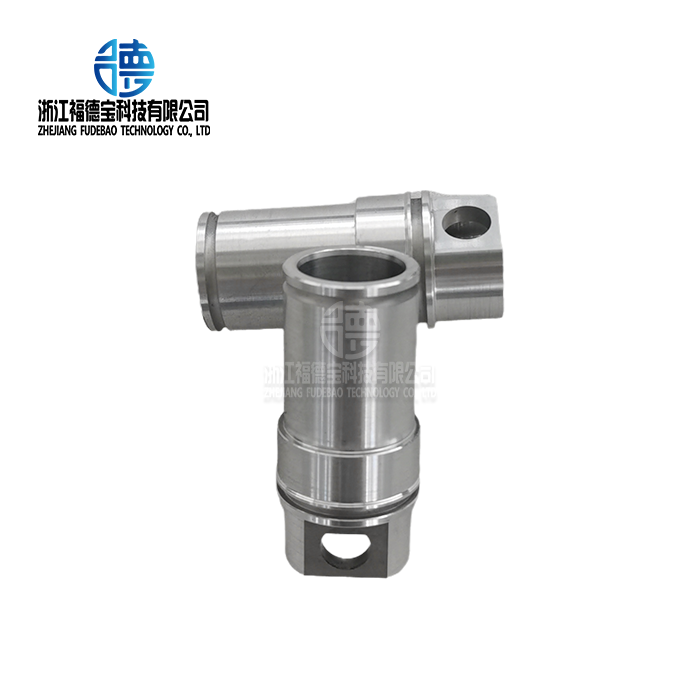
_1756361423150.webp "Cryopump body")
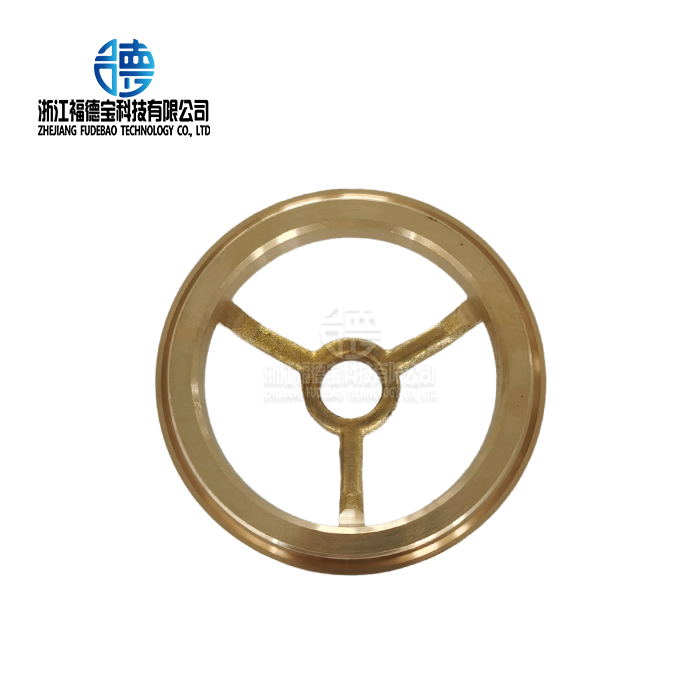
_1756350092126.webp "radiator cover")