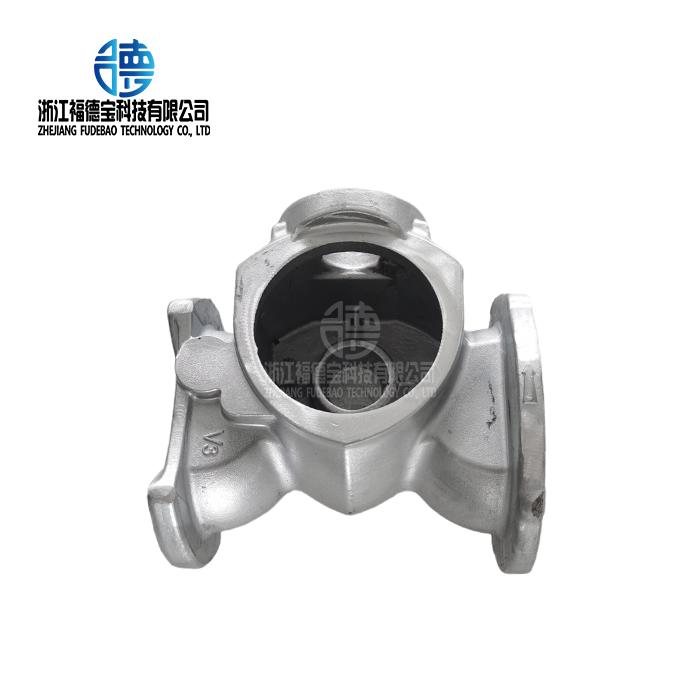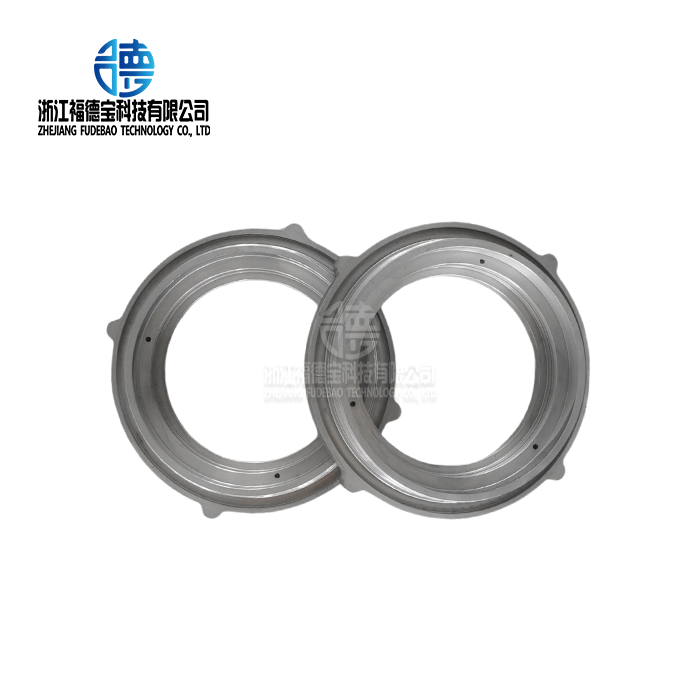
Low-Pressure Casting: Definition, Importance, How It Works, Applications, and Advantages
2026-04-02
Controlled pneumatic pressure between 20 and 100 kPa is used to push molten metal (usually magnesium or aluminum alloys) into a mold hole against gravity in low pressure casting. This is a precise metal casting method. In contrast to gravity casting, which uses hydraulic pressure, or high-pressure die casting, which uses very fast injection speeds, this counter-gravity filling method reduces turbulent flow while maintaining high metal integrity. A rising tube connects a heated holding furnace directly to the mold. This creates laminar flow, which gets rid of oxide inclusions and gets material rates higher than 90% compared to traditional casting methods.
What Is Low-Pressure Casting?
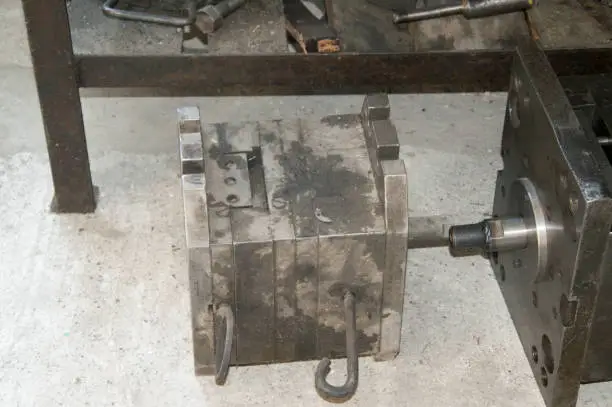
When metal is poured into molds under carefully controlled pressure, an advanced metal forming method called low-pressure casting makes high-quality parts with few defects. The exact control of pressure and counter-gravity filling in this process make it very different from traditional casting methods.
Technical Process Definition
Through a PID loop device, adjustable pneumatic pressure in the range of 0.02 to 0.1 MPa is used in the low-pressure casting process. When this pressure is applied, liquid metal is forced through a riser tube and into the mold hole. This creates laminar flow conditions that stop turbulence and the formation of oxides. The holding pressure stays the same while the metal solidifies, so liquid metal can keep flowing in to make up for parts with thick walls that shrink.
Material Compatibility and Specifications
The main materials used in this casting method are aluminum alloys, especially A356 with a controlled iron percentage below 0.15%. Additionally, magnesium metals are very compatible because they have good flow and solidification qualities. Compared to options made by gravity casting, these materials have better mechanical qualities, such as higher tensile strength, better elongation, and a more refined grain structure.
Equipment and Temperature Requirements
Low-pressure casting methods used in industry work at fixed temperatures that are best for certain alloy formulas. The pressurized holding furnaces, precise mold systems, and automatic control systems in the tools make sure that the process factors stay the same. Mold temperatures for aluminum alloys are usually between 200 and 300°C, and metal filling temps are kept within tight ranges to make sure the metal flows well and doesn't form defects.
How Low-Pressure Casting Works: Process and Steps?
Understanding the steps involved in low-pressure casting helps you see why this method produces better results than other casting methods. There are organized steps in the process that make sure the metal flows smoothly, solidifies properly, and always comes out the right size.
Mold Preparation and Setup
The first step in the casting process is to fully prepare the mold by cleaning, preheating, and applying release coats. Using a refractory wash is important for making sure that tools last longer and that parts come off properly. When complex internal shapes are needed, sand cores are placed and sealed inside the mold cavity. Standard shell sand cores or cold box cores can handle the process without breaking because they are in a low-pressure setting. This lets complex hollow structures like cooling tunnels in cylinder heads be made.
Controlled Metal Filling Process
Metal filling happens when exact pressure is applied, which makes the flow conditions laminar. The pressure-rise curve is designed to keep the speed steady at the gate, which stops the formation of flow lines and oxide films. This controlled filling gets rid of the turbulent flow that comes with gravity pouring or high-pressure injection, making the inside more stable and improving its mechanical properties.
Solidification and Pressure Maintenance
During solidification, keeping the pressure high makes sure that the metal tank is fed properly. This method gets rid of shrinking porosity in thick parts while keeping the rules of directional solidification. The controlled cooling climate creates small, dense grain structures that make the material stronger and more flexible, which are important for structural uses.
Finishing and Quality Assurance
When the solidification process is done, the pressure is released, letting the metal that is still in the feed tube go back into the furnace. This is one of the reasons for the high material output rates. Parts are checked for their dimensions, their surface quality, and that they are finished properly. The good surface finish (Ra 3.2–6.3 μm) means that only minor cutting is needed. This lowers the cost of secondary processing while still meeting ISO 8062 CT6–CT7 standards for tight tolerances.
Benefits and Advantages of Low-Pressure Casting
There are real benefits to low-pressure casting that help automakers, makers of industrial equipment, and sellers of precision parts solve important manufacturing problems. These benefits show up in the form of real cost saves, better quality, and more efficient operations.
Superior Mechanical Properties and Quality
The carefully controlled filling and solidification process makes the inside very solid with almost no holes. Parts can be heated all the way up, which lets T6 solution and aging processes that improve strength qualities happen. Low-pressure cast parts get the best tensile strength and bending properties, which are important for safety-critical uses. This is in contrast to high-pressure die casting, which traps gas and doesn't allow heat treatment.
Economic Efficiency and Material Utilization
Material rates of more than 90% are a big improvement over gravity casting methods, which usually only work 50 to 60 percent of the time. By getting rid of big feeders and lifters and letting used metal go back into the feed system, remelting costs and trash are cut down by a large amount. If you take care of your tools properly, they can last between 30,000 and 50,000 rounds, which is a great return on your investment.
Design Flexibility and Capability
By integrating sand cores, the process can handle complicated shapes while keeping the accuracy of the dimensions. Wall thicknesses can be anywhere from 2.5 mm to 3 mm, which gives designers a lot of freedom to find the lightest solution without sacrificing structural stability. For projects to make cars lighter and for aircraft uses that need to optimize strength to weight, this feature is especially useful.
Environmental Sustainability Benefits
Manufacturing carbon footprints are smaller than those of other casting methods because less material is wasted and less energy is used. Aluminum and magnesium metals can be recycled, and they make good use of materials, which helps companies meet their green goals while lowering the costs of raw materials. Using an energy-efficient heater and controlling how much heat is needed are two more ways to help the earth.
Applications of Low-Pressure Casting Across Industries
Many different types of industries use low-pressure casting technology, and each one takes advantage of its unique benefits to meet strict performance and cost goals.
Automotive Industry Applications
Most of the time, low-pressure casting is used by automakers to make metal wheels, which is the main use for this technique. The process makes designs that are light, complicated to look at, and have better impact resistance and fatigue performance, which is necessary for safety compliance. The process can make complex cooling channels inside motor housings for electric vehicles while keeping the pressure-tight structure for thermal management systems.
Suspension parts like control arms and steering knuckles need the better mechanical qualities that can be achieved by casting under low pressure and then heating the metal to T6. According to ASTM E155, these safety-critical parts must be able to withstand millions of load cycles and meet strict standards for radiography testing.
Industrial Machinery and Equipment Sector
Low-pressure casting is used by companies that make heavy equipment to make pump housings, compressor parts, and gearbox cases that last in harsh thermal and mechanical conditions. The process makes sure that the material always has the same features, which is important for effective operation under different load conditions. It also keeps the same size over a long period of time.
Aerospace and Defense Applications
The aircraft industry likes low-pressure casting because it makes parts that are strong, light, and meet strict certification standards. Traceability systems and advanced inspection methods make sure that aircraft standards are met while also lowering weight, which is important for saving fuel and improving performance.
Electrical and Energy Equipment
Low-pressure casting is used by companies that make power equipment for electrical housings, motor parts, and heat absorption elements that need to be very good at transferring heat and resisting rust. The process works with complicated shapes that are needed for heat transfer to work well while keeping the electrical separation qualities that are needed for safe operation.
Comparing Low-Pressure Casting with Other Casting Methods
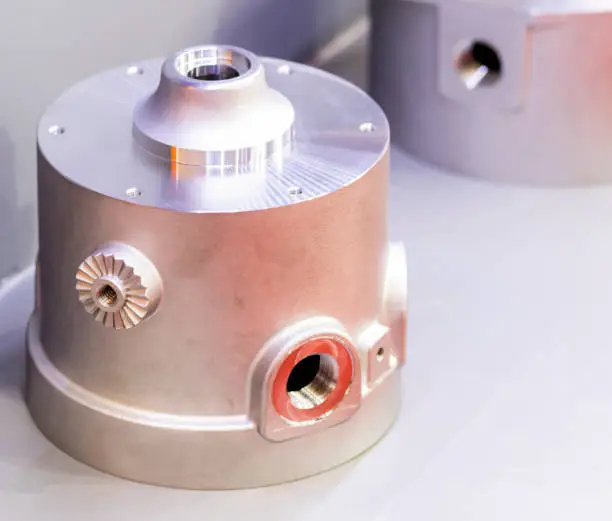
When buying teams and engineering managers look at the best ways to make things, they can make smart decisions when they know how low-pressure casting compares to other methods of production.
Low-Pressure vs. High-Pressure Die Casting
Extreme injection speeds and pressures are used in high-pressure die casting to create unstable flow conditions that catch gas and oxide inclusions. HPDC can make cycles go faster and wall sections smaller (down to 1.5 mm), but the turbulence makes it impossible to heat treat because it causes blisters during solution treatment. Low-pressure casting has a little longer cycle times, but the metal is of higher quality and can be fully heated, which is important for structural uses.
Advantages Over Gravity Casting
Gravity casting depends on hydraulic head pressure, which often leads to oxide trapping, incomplete filling, and pores. When the filling isn't managed, it causes turbulence that damages the surface quality and mechanical features. These problems can't happen with low-pressure casting because it uses controlled uniform flow to get better material outputs and consistent dimensions.
Comparison with Sand Casting Methods
Traditional sand casting lets you be creative with your designs, but it's not very good at getting the dimensions right or the surface smooth. Large feeding systems create a lot of trash during the process, which also changes the mechanical qualities of the materials in different ways. When you use low-pressure casting, you get the design freedom of sand casting along with the quality and accuracy of fixed mold methods.
Investment Casting Alternative Analysis
Investment casting has a smooth surface and accurate measurements, but the process is complicated, takes a long time, and can only make parts of a certain size. Low-pressure casting can make parts of the same quality as other methods, but it can make more parts faster and cheaper for medium to high-volume uses.
Conclusion
Low-pressure casting is a tried-and-true method for companies that need to make high-quality metal parts with precise dimensions and excellent mechanical qualities. The process is both cost-effective because it produces large amounts of material and design-friendly so it can be used in a wide range of industries, including electrical, aircraft, automobile, and more. The controlled filling environment gets rid of common flaws and allows for full heat treatment, which is necessary for structural parts. Low-pressure casting gives companies the technical skills and low costs they need to stay ahead in global markets as they continue to demand lightweight, long-lasting products made with eco-friendly methods.
FAQ
What are the primary benefits of low pressure casting over gravity casting?
Through controlled laminar flow filling, low-pressure casting gets rid of the roughness and oxide buildup that happen with gravity casting. This leads to better mechanical qualities, less porosity, and material rates of over 90%, compared to gravity casting's usual 50 to 60%. Better surface finish quality and uniformity in size are also achieved by this method.
How does low pressure casting minimize defects in cast parts?
The controlled pressure application makes laminar flow conditions that stop metal from turbulence and the formation of oxide films. Maintaining constant pressure during solidification is an effective way to get rid of shrinking pores. By adjusting the pressure-rise curve, the process factors can be fine-tuned to keep the gate velocity constant and stop flow-related errors.
Which industries benefit most from adopting low pressure casting technology?
The biggest benefits go to automakers, especially when it comes to wheels, motor housings, and chassis parts that need to be able to be heated and have high wear resistance. The better mechanical quality for safety-critical parts is useful in aerospace uses. Manufacturers of industrial tools like the process because it makes pressure-tight housings and parts that can work in harsh conditions.
Partner with Fudebao Technology for Precision Low Pressure Casting Solutions
Fudebao Technology offers high-tech low-pressure casting services with cutting-edge tools and strict quality control systems. We can do the whole production process, from melting to surface treatment, and we can achieve precise tolerances of up to 0.05 mm for demanding aircraft and automotive uses. As a reliable low-pressure casting provider, we offer PPAP documentation, full traceability, and shipping services that can be handled by one company. Our services meet international quality standards. Email our engineering team at hank.shen@fdbcasting.com to talk about your unique needs and find out how our years of experience can help you make the best decisions about how to make your parts.
References
Campbell, John. "Complete Casting Handbook: Metal Casting Processes, Metallurgy, Techniques and Design." Second Edition, Butterworth-Heinemann, 2015.
Dispinar, Derya and John Campbell. "Critical Assessment of Reduced Pressure Test Part 1: Porosity Phenomena." International Journal of Cast Metals Research, Volume 17, 2004.
Tiryakioğlu, Murat. "On the Relationship Between Structural Integrity and Casting Method in Al-7%Si-Mg Alloys." Materials Science and Engineering A, Volume 427, 2006.
ASM International Handbook Committee. "ASM Handbook Volume 15: Casting." ASM International Materials Park, Ohio, 2008.
Stefanescu, Doru Michael. "Science and Engineering of Casting Solidification." Third Edition, Springer International Publishing, 2015.
Bonollo, Franco, Jesper Odgaard, and Niels Tiedje. "Modeling of Casting, Welding, and Advanced Solidification Processes XII." The Minerals, Metals & Materials Society, 2009.



YOU MAY LIKE
_1756350092126.webp "radiator cover")
_1756348489473.webp "Automobile intake valve")