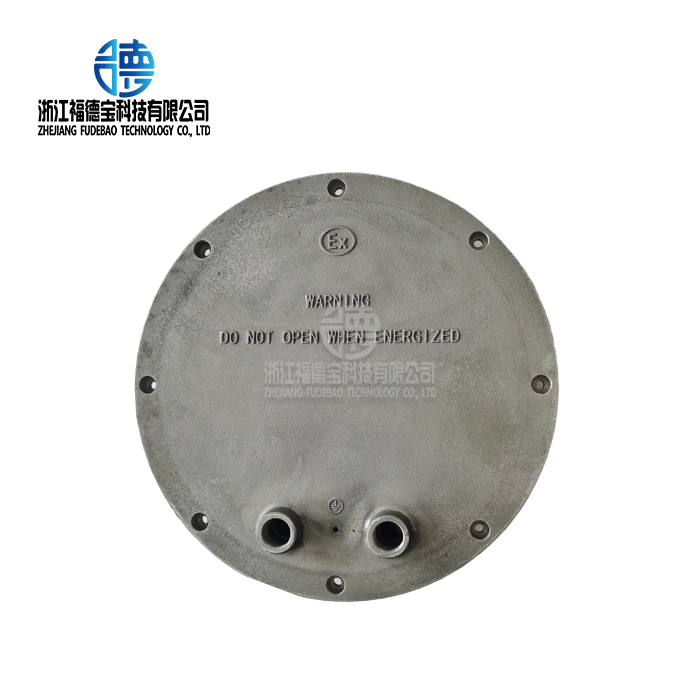
Top Benefits of Aluminum Die Cast Parts in Automotive and Aerospace Industries
2026-06-08
Aluminum die casting enables unrivaled precision and efficiency for automotive and aerospace component manufacture. Molten alloy is transformed into precise, lightweight pieces that fulfill strict performance specifications under high pressure. Manufacturers produce near-net-shape geometries with high dimensional precision by pouring material into hardened steel molds at pressures above 1,500 psi. Structural integrity and weight reduction meet industry objectives for fuel efficiency, payload optimization, and regulatory compliance. Aluminum die casting reduces assembly complexity and scales mass manufacturing, which influences global supply chain buying decisions.
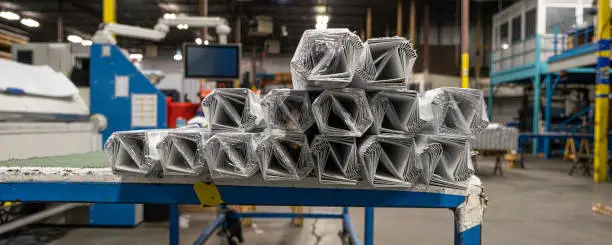
Understanding Aluminum Die Casting and Its Role in Automotive and Aerospace
The High-Pressure Die Casting Process Explained
Aluminum die casting injects molten metal into precision-engineered steel dies at 100 feet per second using sophisticated technology. Rapid filling reduces porosity and smooths surfaces for little finishing. Dimensional stability is maintained throughout manufacturing runs over one million cycles for wall thicknesses down to 1.5mm.
Common Alloys and Material Selection
Industry-standard alloys like A380 and ADC12 with 310-330 MPa tensile strengths and optimum fluidity for complicated shapes. A360 variations resist road salt and moisture corrosion in underbody vehicle components. Heat treatment improves mechanical qualities of A356 and AlSi9Cu3 alloys, which are used in aerospace applications. We assist customers choose materials based on operational temperature, stress loads, and environmental exposure through collaborative design evaluations.
Real-World Applications Driving Adoption
Automotive manufacturers use die-cast transmission boxes with mounting bosses, cooling passages, and sealing surfaces. The components eliminate leak routes in welded alternatives and save assembly time. Aerospace actuator housings and avionics enclosures require electromagnetic shielding and thermal control. Aluminum's structural protection and heat dissipation qualities manage lithium-ion thermal runaway hazards in electric car battery casings.
Top Benefits of Aluminum Die Cast Parts for Automotive and Aerospace Industries
Lightweight Construction Without Structural Compromise
Aluminum's 2.7 g/cm³ density results in a 60% weight reduction over steel. Studies show that removing 10% of vehicle weight reduces fuel usage by 6-8%. By calculating payload improvements directly against structural weight, aircraft manufacturers can profit from material choice. Optimized material distribution in aluminum die casting places metal just where stress analysis requires it.
Complex Geometries Enabling Design Innovation
The mold creates undercuts, internal channels, and integrated attachment points that cannot be machined or fabricated. Internal reinforcing ribs in automotive door hinges eliminate secondary welding and improve fatigue resistance. Manifolds having internal flow channels enhance fluid dynamics in aerospace applications, reducing part counts and assembly failure spots.
Production Efficiency and Scalability
High-volume manufacturing meets automobile production schedules with cycle durations of 30 seconds to two minutes. Per-part costs are much lower than machined alternatives since tooling expenditures amortize quickly over batch sizes above 10,000. Flexible tooling has helped clients go from 500 prototypes to 200,000 annual production volumes, protecting capital expenditures throughout the product lifetime.
Superior Thermal Management
Aluminum's thermal conductivity (96-120 W/m·K) makes it perfect for heat-management components. Electric car inverter housings cool power electronics while compacting. Avionics are protected from operating heat and altitude temperature extremes by aerospace electronics enclosures. This inherent characteristic requires no expensive thermal interfaces or extra heat sinks.
Corrosion Resistance and Longevity
Aluminum spontaneously generates an oxide coating that prevents corrosion in car underbody parts and aircraft external fittings. This protection is enhanced by chromate conversion coating or anodizing. Car parts pass 1,000-hour salt spray testing to fulfill OEM durability standards. This durability decreases warranty claims and extends repair intervals, lowering ownership costs.
Comparison and Decision-Making: Why Aluminum Die Casting Over Other Methods
Aluminum Die Casting Versus Sand Casting
Sand casting allows bigger geometries but reduces surface polish and accuracy. Aluminum die casting yields tolerances of ±0.1mm, compared to ±1.5mm in sand techniques. Superior surface quality cuts machining allowances by 40-60%, lowering post-processing costs. Production rates favor aluminum die casting for volumes over 5,000 units, where tooling costs are lower per part.
Die Casting Materials: Aluminum Versus Zinc and Magnesium
Zinc has a longer mold life and better standards than aluminum, but it is 2.5 times denser, which hinders weight reduction. Although magnesium has the lowest density (1.8 g/cm³), it is more costly and can catch fire during machining. Aluminum is light, has strong mechanical properties, and is safe to deal with, making it useful in transportation.
Plastic Injection Molding Limitations
Engineering plastics can't withstand 150°C or more, which is typical in automotive and airplane engine bays. Because aluminum melts at 600°C, its form is stable at different temperatures. Aluminum retains its form whereas plastics creep when loaded over time. Plastics can't defend against EMI or ground electrically, hence metal is essential.
Selecting the Right Supplier Partner
Beyond price bids, procurement success depends on what the supplier can accomplish. Quality standards like IATF 16949 for automobiles and AS9100 for aviation indicate maturity and tracking systems. Find out whether your organization can make tools. The component quality and speed depend on the mold form. How close two firms are affects lead times and communication. Global suppliers like Fudebao Technology may overcome this by offering quick project management and adequate paperwork for PPAP applications.
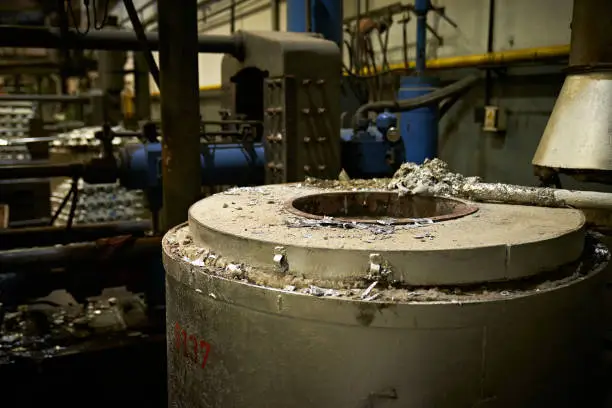
Technical Insights and Process Optimization for Superior Part Quality
Identifying and Preventing Common Defects
Gases and shrinking during solidification cause porosity, making pressure-tight usage less effective. Managing metal temperature, drilling rates, and vent placement can reduce these hazards. Incorrect metal stream joining causes cold shutdown. Correctly constructing the runner system and maintaining mold temperature can remedy this. Conformal cooling lines and post-cast heat treatment can cure warpage caused by uneven cooling.
The Critical Role of Mold Maintenance
Die lifespan affects manufacturing accuracy and cost-per-part. Gate erosion and casting residues are considered in preventative maintenance schedules. Smart suppliers track shot numbers and rebuild before quality declines. We preserve detailed maintenance logs for every instrument to ensure consistent functioning during multi-year production agreements.
Post-Processing and Surface Finishing
Parts with precise fitting surfaces or threaded features that aluminum die casting cannot make require CNC cutting. Powder finishing prevents corrosion and improves the metal's appearance, while strong anodizing resists wear. We notify buying teams of which finishes perform well with the manufacturing process to keep the plan on track during design-for-manufacturability reviews.
Automation and Quality Control Advances
Robots take pieces, cut them out, and inspect for interior faults with an X-ray in modern die-casting cells. Statistical process control monitors temperature and cavity fill patterns to warn of issues. Reduce scrap to 2% and track data that fulfills airplane material standards using these technology. Investing in these systems distinguishes professional vendors from those who sell cheap items without quality assurance.
Procurement Considerations and How to Efficiently Source Aluminum Die Cast Parts
Custom Services and Prototype Capabilities
Early development benefits from suppliers who offer speedy 3D-printed sand model or soft tooling testing. Aluminum die casting verifies designs before investing over six figures in manufacturing gear. Flexible manufacturers can make technological modifications between prototype and production. This avoids costly tooling modifications.
Communicating Technical Requirements Effectively
Successful buying starts with material callouts, dimensional restrictions, surface finish requirements, and inspection standards. Unclear drawings or buy orders cause quality issues and shipment delays. We recommend collaborative design reviews, when manufacturing professionals assess the design's feasibility and offer improvements. This discourse prevents difficulties and promotes partnerships over transactions.
Production Timelines and Minimum Order Quantities
Making a tool takes 8–12 weeks, depending on complexity. Starting mass manufacturing takes two to four weeks following tests and approval. Minimum order quantities, generally 1,000 to 5,000 pieces for vehicle usage, balance setup and inventory expenses. Knowing these aspects helps align sourcing efforts with product launch dates and working capital.
Sustainability and Recycled Aluminum
Aluminum recycling utilizes 5% of the energy needed to manufacture new aluminum. This maintains material properties while reducing carbon emissions. Many providers offer alloys with 50% or more recovered material that function well. This sustainability issue becomes more important when choosing OEM suppliers as firms make stronger environmental claims. Procurement teams should request material certifications, sustainability initiatives, and recovered content.
Conclusion
Aluminum die casting is ideal for accuracy, durability, and weight-efficient automotive and aerospace components. The approach supports prototypes to millions of units and offers complicated geometries unreachable by other technologies. Thermal conductivity, corrosion resistance, and high strength-to-weight ratios solve these sectors' particular issues. Selecting partners with technical experience, quality systems, and production flexibility for current and future projects is crucial to procurement success. Aluminum die casting is still a significant aspect of engineering teams' smart material choice and production strategy to obtain a competitive edge as power and sustainability revolutionize transportation.
FAQ
Why Does Aluminum Die Casting Outperform Other Metal Casting Methods?
Aluminum die casting has 10 times tighter dimensional tolerances than sand casting and better surface finishes that decrease machining. Gravity-fed technologies provide less dense material with poorer mechanical characteristics than high-pressure. Per-part costs drop for orders above 5,000 when manufacturing rates are 5–10 times greater than other techniques. In competitive marketplaces, aluminum die casting is the most cost-effective approach to create exact parts.
How Do We Select Reliable Aluminum Die Casting Suppliers?
Your firm may need quality certifications like IATF 16949 for cars and AS9100 for planes. Request building audits to assess tool functionality, process controls, and inspection infrastructure. See how similar parts and production numbers were managed in case studies. Wait times are measured against communication ease and supply chain concerns when considering location. Established suppliers advocate and allow on-site inspections, boosting buyer confidence.
Can Aluminum Die Cast Parts Withstand Aerospace-Grade High Temperatures?
Some metals, such A356-T6, retain mechanical properties at 200°C. Anodizing and other surface treatments increase metal heat stability. Qualification tests simulate temperature cycles to ensure long-term performance in critical aircraft. Choosing the correct materials and following temperature-specific post-processing methods ensures that airplane components fulfill tight criteria throughout their service life.
Partner with Fudebao Technology for Premium Die Cast Solutions
Zhejiang Fudebao Technology offers precision aluminum die casting with in-house melting, casting, CNC machining, and surface treatment. We have modern die-casting machines, high-speed machining centers, and inspection equipment with ±0.05mm accuracy, fulfilling automotive and aviation quality requirements. We've built long-term relationships with worldwide companies by offering timely and helpful engineering assistance, batch manufacturing from tiny samples to huge runs, and comprehensive PPAP documentation.
For transmission housings, aerospace brackets, and bespoke components, our experts translate your specifications into cost-effective, high-performance solutions. We know what buyers want since we're a reputable aluminum die casting supplier to OEMs worldwide. We recognize that project success depends on quality control, on-time delivery, and technical collaboration. Contact Hank Shen at hank.shen@fdbcasting.com to discuss how our combined production can save you time and money while producing superior parts.
References
American Foundry Society. (2021). Aluminum Casting Technology Handbook. Des Plaines: AFS Publications.
North American Die Casting Association. (2020). Product Specification Standards for Die Castings. Arlington Heights: NADCA Technical Publications.
SAE International. (2019). Aluminum Alloys for Automotive Applications: Material Properties and Selection Guidelines. Warrendale: SAE Standards Development.
Kaufman, J.G., & Rooy, E.L. (2018). Aluminum Alloy Castings: Properties, Processes, and Applications. Materials Park: ASM International.
Aerospace Industries Association. (2020). Material and Process Specifications for Aerospace Die Castings. Arlington: AIA Standards Committee.
Campbell, J. (2022). Complete Casting Handbook: Metal Casting Processes, Metallurgy, Techniques and Design. Oxford: Butterworth-Heinemann.



YOU MAY LIKE
_1756361494985.webp "sliding block copper castings")
_1756350046757.webp "Heat sink aluminum casting")
_1756348780785.webp "porting turbo compressor housing")
_1756348489473.webp "Automobile intake valve")
_1756348227989.webp "Aluminum casting movable U frame")