
Why Aerospace Manufacturers Prefer Aluminum Die Cast Parts for Lightweight Structures
2026-06-05
Aerospace manufacturers use aluminum die cast parts because they combine lightweight and structural strength needed for contemporary aircraft. Aerospace engineers use aluminum die casting to create components with precise tolerances, complicated geometries, and 30–50% weight savings over steel. Molten aluminum alloy is injected into precise steel molds at pressures above 10,000 psi to create near-net-shape components that reduce secondary machining while meeting aviation quality and performance criteria.
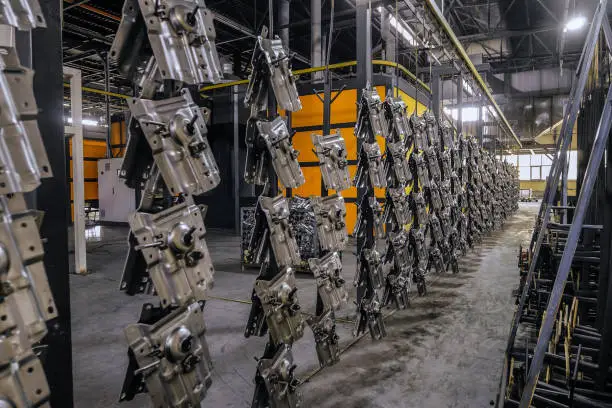
Understanding Aluminum Die Casting in Aerospace Applications
Process Fundamentals and Aerospace-Grade Alloys
Aluminum die casting converts molten metal into flight-critical components in a complex cycle. Aluminum alloys heated to 1,200°F flow into hardened steel dies under controlled pressure to fill complicated holes that meet product requirements. Because of their improved mechanical properties and corrosion resistance, A360 and A380 alloys are widely employed in aircraft. Seals become more pressure-tight and thin-walled construction parts more flexible with A360 and A380.
Quality Control Parameters in Aerospace Manufacturing
Temperature control during casting affects part quality. Keeping the mold temperature between 300°F and 500°F prevents rapid solidification and ensures proper grain formation. Frequent inspections and accurate tool calibration maintain dimensional deviations within aerospace limitations of ±0.002 inches. This implies good die care considerably reduces faults. Advanced X-ray and coordinate measurement instruments assess surface structure and form to fulfill AS9100 certification criteria for aircraft suppliers.
Material Properties Critical for Flight Applications
Despite its low density of 2.7 g/cm³, aerospace-grade aluminum plates can withstand tensile stresses exceeding 46,000 psi. This strength-to-weight ratio is crucial for flight-exposed parts that vibrate, change temperatures, and undergo mechanical stress. Metal surfaces resist corrosion due to their inherent oxide coating. This is excellent in humid cabins and salty coastal air when flying.
Comparing Aluminum Die Casting with Other Manufacturing Methods in Aerospace
Dimensional Precision and Surface Quality Analysis
When choosing a manufacturer, dimensional accuracy matters. Aluminum die casting achieves tolerances of ±0.003 inches on critical dimensions, outperforming sand casting. Sand casting tolerances of ±0.030 inches require extensive cutting, resulting in increased processing time and material loss. After die casting, the surface finish is 125 Ra microinches, thus no finishing steps are needed like with permanent mold casting.
Tooling Investment and Production Economics
When output exceeds 5,000 pieces per year, investment casting takes longer and costs more per unit but reproduces fine details well. Even lighter magnesium die casting can catch fire and has limited temperature resistance, making it unsuitable for engine applications. For airplane parts like mounting frames and support systems that vibrate, plastic injection molding is too weak. When production volume justifies the high initial investment, die casting equipment is an excellent way to produce things. One die may be used 100,000 times before needing repair. This distributes tool costs over manufacturing runs. Short cycle durations (60–90 seconds per component) allow aerospace vendors to achieve tight delivery timeframes and maintain quality.
Why Lightweight Aluminum Die Cast Parts Are Essential for Aerospace Structures
Fuel Efficiency and Environmental Performance
Every pound removed from an airplane's structure saves fuel over time. Each pound of weight decrease saves 11,000 gallons of gasoline throughout a commercial airplane's 25-year lifespan, say aerospace experts. Aluminum die casting components in landing gear assemblies, internal mounting systems, and avionics housings save weight significantly. Modern airplanes are constructed of hundreds of die-cast pieces, making them several thousand pounds lighter than previous planes.
Thermal and Mechanical Performance Requirements
In aircraft situations, temperatures can range from -65°F at cruising altitude to 160°F on pavement, while vibration rates remain at 10–2,000 Hz. Aluminum die castings remain structurally intact over heat cycles because their coefficient of thermal expansion matches nearby parts. This prevents accumulating surface stress. Due to its high thermal conductivity (96 W/m·K), heat easily escapes from electrical system housings and electronics boxes.
Design Flexibility for Complex Geometries
Aircraft engineers can integrate different pieces into a mold using die casting. A bracket assembly with six soldered elements may now be manufactured from a single die-cast part, saving 18 screws and 75% of the effort. Ribs, bosses, and mounting holes cast directly into the sections stiffen the structure while maintaining 1.5 mm wall thicknesses. This design freedom allows for novel structural solutions that standard manufacturing and machining cannot provide.
Choosing the Right Aluminum Die Casting Supplier for Aerospace Needs
Certification and Quality Management Systems
Aerospace buyers choose AS9100-approved vendors, which meet aviation quality management requirements. For aircraft usage, this certification confirms that the production process incorporates stringent document control, traceability systems, and continuous improvement. For the initial production approval, suppliers must give measurement records, material licenses, and mechanical test data if they can perform initial Article Inspections.
Production Flexibility and Technical Capabilities
From prototypes to big production, the ideal aircraft casting partner can manage it all. Rapid development with soft tools lets you test your concept before buying production equipment. Advanced providers operate 400-3,000-ton aluminum die casting equipment. They can create everything from simple connection housings to huge structural components.
Strategic Supplier Relationships
Successful airplane projects require casting vendors to aid with design utilizing their engineering expertise. Experienced suppliers can uncover design characteristics that make the component easier to cast while fulfilling structural standards. This avoids costly tooling modifications. Technical assistance provides DFM analysis, FEM, and process simulation. These reduce development time and risk.
Procurement Insights and Cost Considerations for Aerospace Die Cast Parts
Understanding Cost Drivers in Die Cast Components
Aircraft casting prices vary on several factors. Metal choice determines material cost. A380 is cheaper than high-temperature high-performance alloys. Part complexity affects tooling costs and cycle times. Complex geometries with several cores make die building more expensive and manufacturing slower. manufacturing number is still the most critical cost factor—yearly demands above 10,000 pieces have lower per-unit costs than small-batch manufacturing.
Lead Time Planning and Supply Chain Management
New aluminum die casting equipment take 12–16 weeks to make. The first article examination takes 3–4 weeks to approve. How many units are ordered affects production time. On average, 2,000-piece orders ship within 6-8 weeks following production clearance. Strategic aerospace purchasers place blanket purchases with planned releases. This ensures part availability and helps suppliers schedule manufacturing.
Technical Communication for Effective Sourcing
Complete technical paperwork is the first step to buying. 3D CAD models, full drawings with GD&T callouts, performance criteria, and material specs are needed by suppliers. Aerospace customers should know how much they want to spend each year, what quality papers they need (PPAP, FAI, or AS9100 certifications), and any particular process demands like heat treatment or coating standards. Previous aerospace projects demonstrate a provider's expertise and versatility. Working with flight-specific casting businesses is advantageous. These firms follow flying rules, have the proper certifications, and employ aircraft industry-standard quality methods. Their engineering staff know aviation design technical language, making product development and manufacturing easier.
Conclusion
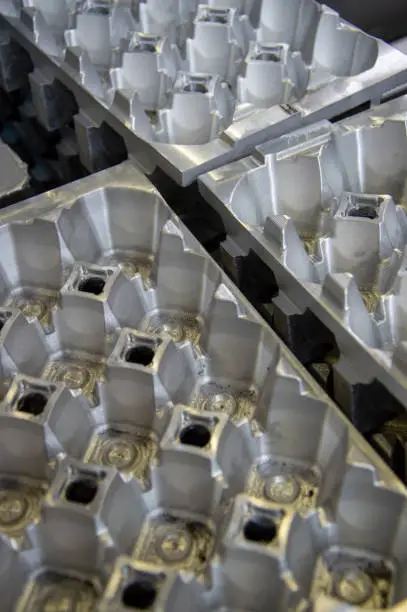
Aluminum die casting is suitable for aerospace applications because to its light weight, structural soundness, and manufacturing speed. The method generates complex pieces with tight size tolerances and reduces airplane weight by a lot to save fuel. By using the correct alloys, quality control, and approved suppliers, aerospace manufacturers may achieve long-lasting, reliable parts. Modern flight structures will use more die cast aluminum elements as aircraft designs focus on weight reduction and performance.
FAQ
What aluminum alloys work best for aerospace die casting applications?
Which aircraft aluminum alloys are ideal for aluminum die casting? A360 and A380 alloys are the most prevalent aviation die casting alloys because they are easy to cast and have flight-worthy mechanical properties. A360 keeps air out better for protected regions, whereas A380 is excellent for thin-wall sections that need to circulate. Sometimes A356 alloy is utilized because its improved tensile properties justify heat treatment.
How does die casting compare to CNC machining for aerospace components?
Die casting is ideal for large-quantity orders of complex products since it is cheaper than machining. CNC machining is still better for specialized products with precise parameters that die casting can't meet. Many airplane parts employ both methods. Precision machining is employed on the most crucial mounting places and contacts after die casting provides the basic framework.
What certifications should aerospace casting suppliers maintain?
AS9100 certification proves aircraft quality control compliance. More certificates, such NADCAP for particular procedures, ISO 9001 for general quality, and ITAR for defense items, qualify vendors. Suppliers should update material certifications and provide aircraft-standard tracking documents.
Partner with Fudebao Technology for Aerospace-Grade Aluminum Die Casting Solutions
Aerospace projects require precision, dependability, and high quality, which only experts can provide. Zhejiang Fudebao Technology provides capabilities for the whole production cycle, from melting to surface treatment, with modern aluminum die casting equipment, high-speed CNC machining centers, and precision measuring systems achieving ±0.05mm accuracy. Our AS9100-compliant quality control system ensures that every part satisfies aviation specifications and can be tracked. Our technical team works with your design team to make casting easier while satisfying structural standards. True if you need one or more samples. Talk to our aerospace specialists at hank.shen@fdbcasting.com about your lightweight construction demands and how collaborating with an experienced aluminum die casting firm may help your project run successfully.
References
ASM International. (2021). "Aluminum Casting Technology and Applications in Aerospace." ASM Handbook Volume 15: Casting, Materials Park, Ohio.
Campbell, J. (2015). "Complete Casting Handbook: Metal Casting Processes, Metallurgy, Techniques and Design." Butterworth-Heinemann, Oxford.
Kaufman, J.G. & Rooy, E.L. (2004). "Aluminum Alloy Castings: Properties, Processes, and Applications." ASM International, Materials Park, Ohio.
North American Die Casting Association. (2020). "Product Specification Standards for Die Castings Produced by the Semi-Solid and Squeeze Casting Processes." NADCA Standards Publication.
SAE International. (2019). "Aerospace Material Specification: Aluminum Alloy Die Castings." SAE AMS-A-21180, Warrendale, Pennsylvania.
Totten, G.E. & MacKenzie, D.S. (2003). "Handbook of Aluminum: Physical Metallurgy and Processes, Volume 1." Marcel Dekker, New York.



_1756352625880.webp "plug stainless")
_1756352472762.webp "steel threaded plug")
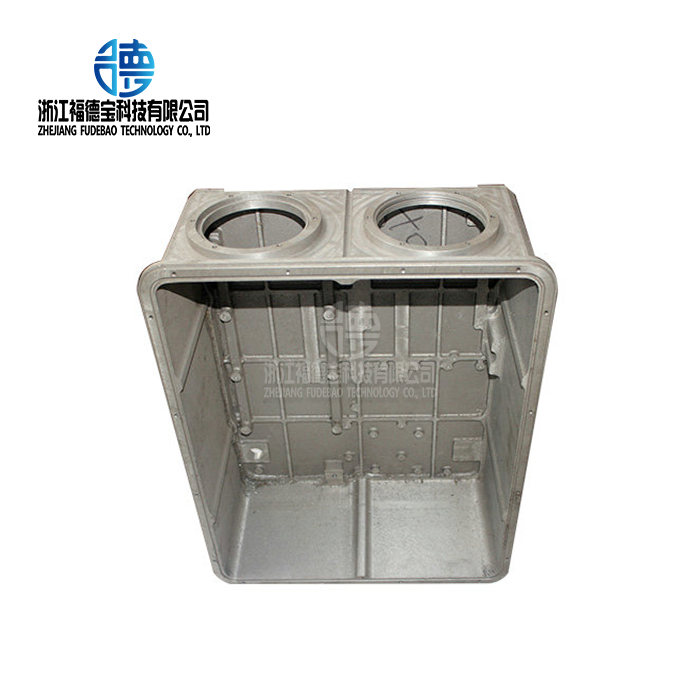
_1756348623524.webp "Turbine compressor housing")
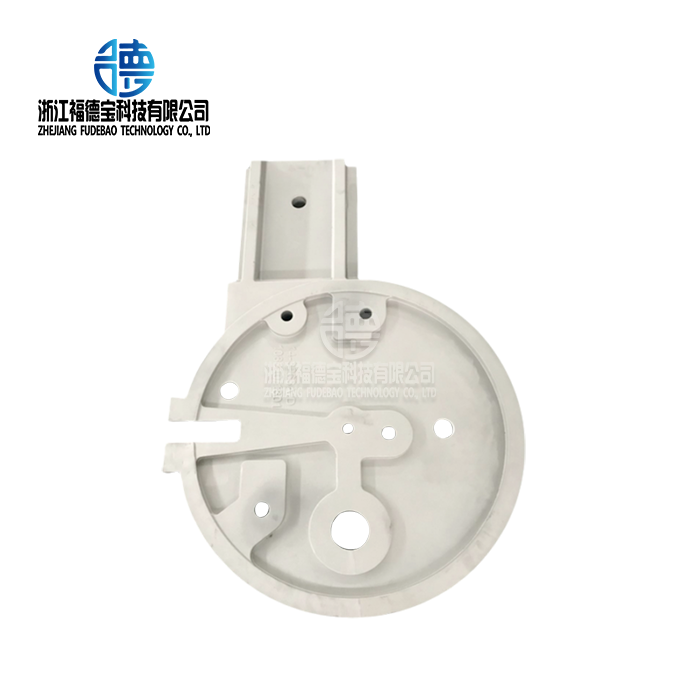
_1756346613780.webp "Aluminum tent base Casting")
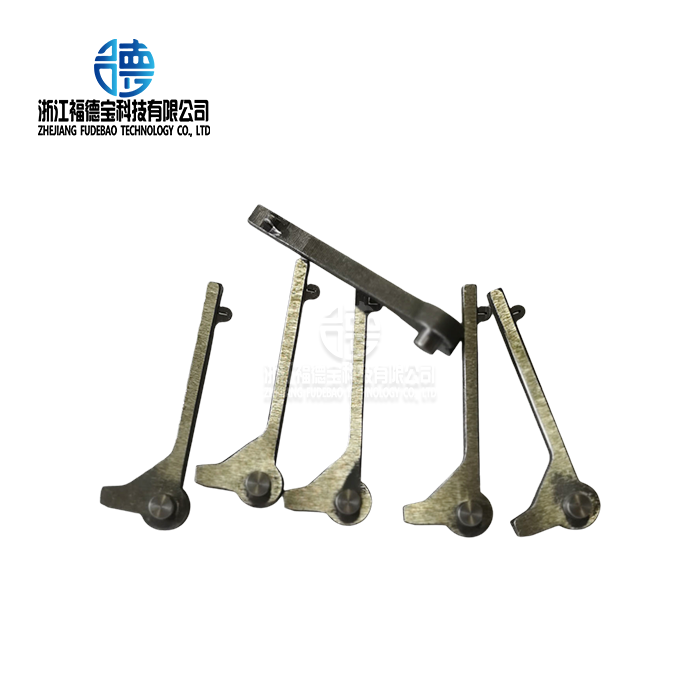
_1756346205762.webp "hinge casting")