Top Aluminium Die Casting Innovations Shaping the Industry
2026-04-17
Aluminum die casting is going through a big change right now, thanks to new technologies that solve long-standing problems in the manufacturing process. Modern advances in aluminum die casting now provide very accurate measurements, shorter cycle times, and better material properties that meet the strict needs of the energy, aircraft, automobile, and industrial equipment sectors. Because of these improvements, producers can now make complicated geometries with few extra steps and keep the quality consistent over long production runs. As purchasing managers and engineering teams look for partners who can produce precision-cast parts with predictable lead times, it's important to understand these new technologies in order to make smart sourcing choices that have a direct effect on how well products work and how efficiently the supply chain works.
Evolution of Aluminium Die Casting Technologies
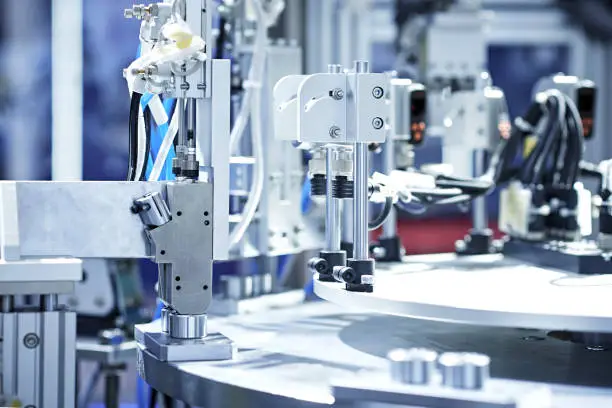
From simple ways to today's complex industrial systems, the history of aluminum die casting shows how engineering has been improved and new technologies have been added over the years. In the beginning, die casting had problems with common flaws like porosity, cold shuts, and physical instability, which limited its use in important industries. These problems often led to more rejections, longer production times, and higher costs for OEMs and tier-1 providers who wanted quality that was always the same.
Recently made technology advances have completely changed this story. When foundries started using Industry 4.0 ideas, they got real-time process tracking systems that can keep track of mold temperature, injection speed, and cooling rates with a level of accuracy that wasn't possible before. Sensor networks and data analytics are used in these "smart" factories to find problems before they happen, so they can be fixed right away. Automation has gone beyond simple tasks like moving materials from one place to another. It now includes complex computer systems that remove parts, trim them, and check their quality with little help from humans.
The creation of alloys is another important area of progress. Metallurgists have created new aluminum alloys that are perfect for die casting. These alloys have better fluidity during injection, better mechanical qualities after solidification, and better corrosion protection for harsh settings. These special materials are made to meet the needs of projects to make cars lighter and parts for spacecraft structures that need to be strong while being light.
Case studies from major automakers show that these technology advances have led to measurable results. When a big European OEM put in place predictive maintenance tools and automatic process controls, casting defects went down by 23% and production output went up by 17%. In the same way, improved mold temperature control systems have helped makers of aircraft parts get tighter tolerances and lower the need for additional machining by up to 30%. These real-world findings show that adopting new technology makes business sense and give procurement managers a way to measure possible manufacturing partners.
Top 5 Aluminium Die Casting Innovations Revolutionizing the Industry
The aluminum die casting industry keeps moving forward with new products that solve specific problems in production and meet customer needs. Knowing about these changes helps procurement workers find providers who can provide better product and more efficient operations.
High-Pressure Die Casting Automation
Comprehensive automation strategies have been used by modern die casting facilities to turn traditional human tasks into highly controlled, repeatable processes. Robots now control the whole production process, from moving the pan and pouring the metal to removing the parts and doing work after the casting is done. These automatic systems work with consistent accuracy, getting rid of the differences in human performance that used to cause quality changes.
The benefits go beyond just being able to repeat. Vision inspection technology is used in automated systems to look at each part right after it is extracted and find surface flaws, measurement errors, and structure problems in milliseconds. This instant feedback loop lets process changes happen quickly, which keeps whole production batches from going off track. When compared to semi-automated operations, these systems cut cycle times by 15 to 25 percent in manufacturing plants. This has a direct effect on production capacity and shipping schedules.
When analyzing possible suppliers, procurement teams should ask about the level of automation and the level of integration sophistication. Fully integrated systems show that a facility is dedicated to quality consistency and has the tools to handle fast scaling as volume rises. These features are especially useful for companies that make cars and manufacturing tools that use "just-in-time" inventory tactics.
Advanced Thermal Management Systems
Controlling the temperature during the die casting process has a direct effect on the quality, mechanical properties, and speed of production of the finished part. Earlier ways of cooling used simple water lines inside molds, which made it hard to control how temperatures were distributed and how they changed over time. Modern thermal management systems use conformal cooling channels, which are complicated paths that exactly follow the shape of a part. These channels are made using advanced machining or additive manufacturing methods.
With these advanced cooling designs, the temperature is spread evenly across the mold's surface. This gets rid of the hot spots that cause porosity and the cold spots that cause filling to stop or cold shuts to happen. This makes the whole part stronger, lowers the stress inside it, and keeps it from warping too much after removal. Simulation tools can now model thermal behavior during the planning phase, which lets engineers find the best places for cooling channels before the mold is made.
Better thermal management is especially helpful for companies that work with aerospace and defense because those businesses need regular mechanical qualities and dimensional stability across production lots. Parts like mounting kits, housings, and structural brackets have to meet strict material requirements. Advanced thermal control gives the process steadiness needed to meet these requirements over and over again.
Next-Generation Aluminium Alloys
Progress in material science has led to the creation of aluminum alloys that are especially designed for use in high-pressure die casting. These modern alloys have a good balance of performance traits, including high strength-to-weight ratios for structural uses, good fluidity for filling thin-walled sections and complex geometries, and better corrosion resistance for harsh operating environments. They also solidify quickly, which cuts down on cycle times.
Alloys like A380, ADC12, and other specialized types have specific elements added to them that make the casting process and end qualities better. Adding silicon makes the material more fluid and less likely to shrink, adding copper makes it stronger and harder, and adding magnesium makes it more resistant to rust. Metallurgists are always making these compositions better to meet the changing needs of the industry. This is especially true for electric car uses that need to deal with heat and electromagnetic compatibility.
For producers and buyers to choose the right alloys, they need to work together. Die casting companies with a lot of experience keep in touch with specialized aluminum sources and have in-house metallurgy experts who can help them choose the best materials for each job. This technical skill sets advanced providers apart from commodity makers and has a direct effect on how well parts work in tough service circumstances.
Digital Twin Technology and Predictive Simulation
When producers use digital twin technology, it changes the way they build and improve processes in a big way. Digital twins make virtual copies of real die casting processes by including thorough models of the mold's shape, how it reacts to heat, how metal flows, and how it solidifies. Engineers use these virtual settings to try out different versions of designs, process factors, and material choices without using up real resources or production time.
Before production starts, predictive computer software looks at how defects might appear. Flow modeling finds places where air can get stuck, there is turbulence, or the flow doesn't fill all the way up. Thermal research shows areas that might become porous because they aren't cooled enough or are keeping too much heat in. Stresses that could lead to warping or cracking during ejection or processing afterward are predicted by structural models. This thorough analysis lets engineering teams improve designs and process settings over and over again, instead of trying things out and seeing what works and what doesn't. This saves a lot of time and money.
Digital twin technology has an effect on business all the way through the product creation cycle. New ideas for parts can be put into production more quickly and with fewer actual prototypes. You can improve yield, cut down on cycle times, or adapt to changes in the material by tweaking methods that are already in place. When procurement managers work with suppliers that use these technologies, they can cut down on development times, get more first-article approvals, and lower the overall cost of the project from design to production ramp-up.
Sustainable Manufacturing Practices
In modern die casting processes, environmental concerns and operating efficiency are coming together more and more. Through strategic efforts that aim to reduce waste, increase material utilization, and lower energy use, sustainable production practices meet both business responsibility goals and bottom-line cost reduction goals.
Energy-efficient melting furnaces use less fuel while keeping the quality of the metal the same. They do this by using improved insulation, recuperative burners, and precise temperature control. Facilities are using electric melting systems that are driven by green energy sources more and more, especially in places where electricity rates are low or where the government offers incentives. These investments lower operating costs and help customers meet their environmental reporting needs.
Recycling materials is another important aspect of ecology. Closed-loop recycling systems are used in modern facilities to collect runners, gates, and rejected parts right away so they can be melted down and used again. Modern sorting and manufacturing tools keep the metal pure, making sure that recovered aluminum meets the same standards as new aluminum. This method lowers the cost of raw materials, lowers the cost of getting rid of trash, and lowers the carbon footprint of basic aluminum production.
Progressive facilities also pay attention to how much water they use and how they treat it. Closed-loop cooling systems keep moving water through heat exchanges that get rid of heat before sending the water back to the process. Discharge meets or beats environmental standards thanks to treatment methods. These all-encompassing sustainability programs show suppliers' dedication to long-term working success and appeal to procurement organizations that are required to be responsible as a business.
Optimizing Aluminium Die Casting Design and Production for B2B Clients
For aluminum die casting projects to be successful, the design needs to be optimized in a way that makes the most of the process's strengths while still taking into account its weaknesses. Working together with factory partners and customer engineering teams early in the design process saves money on redesigns and speeds up the production process.
Design for Manufacturability Principles
Die casting makers with a lot of experience can help you create something so that it can be made. This helps you avoid common problems and make the most of your money. Wall thickness consistency stops different cooling rates that cause porosity and warping. Depending on the size of the component, normal suggestions range from 2.0 to 4.0 mm. Gradual changes between thick and thin parts reduce stress concentrations and make it easier for metal to flow while the space is being filled.
Draft angles help parts come out of molds without getting damaged. Depending on the depth and roughness of the surface, they usually need between 1 and 3 degrees. Undercuts and complicated internal features may require slides or cores inside the mold, which makes the tooling more complicated and costs more. When you use creative geometry or multi-piece assemblies to get rid of these traits in other design methods, you often get better total economics.
Ribs and bosses make the structure more rigid while still meeting the design goals of being lightweight. For sink marks and gaps to be avoided, proper rib design follows set rules about how thick the ribs should be compared to the walls next to them and how far apart they should be from each other. The boss shape meets the needs of the fastener while giving the right amount of material thickness for thread contact or insert retention.
Prototyping and Production Transition
Modern makers offer flexible prototyping methods that let users test ideas before investing in production tools. Soft tools made from metal or other easily machined materials allow for small production runs that are good for checking functionality, fit, and design. These test tools are much cheaper than solid production molds, and they can be made in less time, which speeds up the development process.
Design changes found through testing prototypes can be used before making production tools, which saves money by not having to make costly changes to hardened steel molds. This step-by-step method lowers the overall risk of the project and lets you find the best manufacturing parameters, such as injection speed, pressure profiles, and cooling times, by using real casting trials instead of just simulations.
A big step forward in a project is when the sample is turned into production tools. Expert providers handle this change without any problems, applying what they learned about the process during prototyping to production conditions and making sure that quality stays the same from the first production item to the ones that are still being made. PPAP documentation files organize this information in a way that makes complete records that meet the quality standards of the automobile and aircraft industries.
Customization and Flexible Production Capabilities
Customized parts and flexible production amounts that don't always fit the traditional high-volume market model are becoming more common in modern die casting operations. Rapid switching between different types of parts is possible with modular tooling designs, which support product groups with shared base shapes and features that are specific to the application. This freedom is useful for companies that make industrial tools for a wide range of end markets or for car companies that have to manage different platform versions.
Because it can make small amounts, die casting can compete well in markets that are usually controlled by sand casting or cutting. With smaller-tonnage machines and quick setup processes, facilities can make groups of hundreds to low thousands of units at a low cost. With this feature, die casting can be used for more things, like making prototypes, replacement parts, and special projects where high-speed machinery isn't needed because of the low volume.
Just-in-time manufacturing help and inventory control services make the supply chain even more efficient. Progressive suppliers keep extra stock on hand to help customers deal with fluctuating demand. They also offer inventory management programs and make sure that orders happen at the right time for assembly plans. These services that add value lower the amount of operating capital that customers need and keep the supply chain running smoothly.
Conclusion
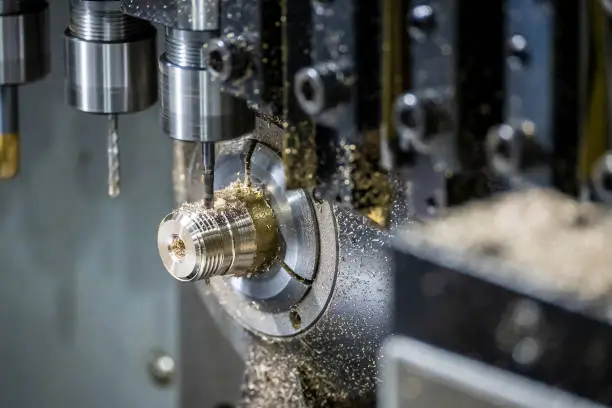
New technologies have changed the aluminum die casting industry by getting around old problems and making the industry more flexible so it can be used in more areas. Automation, improved thermal management, next-generation metals, digital twin technology, and environmentally friendly methods all work together to make quality, economy, and dependability better. These improvements make die casting more competitive with other ways of making things in terms of accuracy, mass scalability, and material performance. When purchasing managers choose the best suppliers, they should look at professional skills, quality systems, location, and the chance to work together to find companies that can help them succeed in the long run. Strategic relationships with forward-thinking suppliers give you access to constant innovation, quick support, and top-notch production, all of which have a direct effect on how well your products perform and how competitive you are in today's global markets.
FAQ
What distinguishes modern aluminum die casting from traditional methods?
Modern aluminum die casting uses technology from Industry 4.0, real-time process tracking, and improved thermal management systems that make the accuracy of the dimensions much better and lower the number of defects compared to older methods. Digital twin modeling technology lets you improve the process before it's made, and next-generation alloys have better mechanical qualities and are less likely to rust. All of these new ideas make it possible to get tighter tolerances, better surface finishes, and shorter lead times that meet the strict requirements of the automobile, aircraft, and industrial equipment industries.
How does aluminum die casting compare economically to CNC machining for production components?
aluminum die casting is more cost-effective when more than 5,000 to 10,000 units are made each year, based on how complicated the parts are. The cost of the initial hardware investment is higher than the cost of setting up the machine, but the cost of making one unit goes down a lot because of the short cycle times and lack of secondary operations. When working with solid stock, parts that need to be machined extensively lose more material and take longer to process. For these reasons, die casting is more cost-effective for certain shapes and production numbers.
What quality certifications should procurement managers prioritize when evaluating die casting suppliers?
Certifications that are specific to an industry show that quality management is being done in a way that is good for the job. IATF 16949 certification covers standards for the automotive industry, such as PPAP documentation and methods for approving production parts. As part of its AS9100 certification, aircraft quality management is given better tracking and extra controls over the whole process. ISO 9001 sets basic standards for quality systems that can be used in any industry. In addition to certifications, you should also look at real performance measures that show how well quality is being executed every day, such as defect rates, delivery performance, and the use of statistical process control.
Partner with a Trusted Aluminum Die Casting Manufacturer
Zhejiang Fudebao Technology Co., Ltd. stands ready to support your precision component requirements through comprehensive aluminum die casting and CNC machining capabilities serving automotive, industrial equipment, aerospace, and energy sectors worldwide. Our manufacturing facility integrates advanced die casting machines, high-speed machining centers, CNC lathes, and complete surface treatment systems covering the entire production process from melting through finished components. We maintain dimensional accuracy reaching ±0.05mm, meeting rigorous specifications for critical applications including automotive precision parts and medical equipment housings. Our technical team collaborates with customers from design optimization through production ramp-up, providing PPAP documentation, material certifications, and responsive engineering support that accelerates time-to-market. Whether you require high-volume production, prototype development, or customized components with complex geometries, Fudebao Technology delivers reliable quality and competitive economics backed by systematic quality management and continuous improvement commitment. Connect with our engineering team to discuss your specific requirements and discover how our aluminum die casting capabilities can enhance your product performance and supply chain efficiency. Contact Hank Shen at hank.shen@fdbcasting.com to begin the conversation about your next project and explore partnership opportunities with an established aluminum die casting supplier equipped to support your long-term success.
References
North American Die Casting Association. "Product Specification Standards for Die Castings Produced by the Semi-Solid and Squeeze Casting Processes." NADCA Technical Publications, 2021.
Kaufman, J. Gilbert, and Elwin L. Rooy. "Aluminum Alloy Castings: Properties, Processes, and Applications." ASM International Materials Park, Ohio, 2019.
Dahle, Arne K., and Youn C. Lee. "Recent Progress in Understanding the Fundamentals of Die Casting." Materials Science Forum, Volume 783-786, 2020.
Society of Automotive Engineers. "Casting Quality Requirements for High Integrity Aluminum Castings for Automotive Applications." SAE International Standard J2582, 2018.
Bonollo, Franco, et al. "Aluminum Alloy Engineering: Design, Processing, and Properties for Structural Applications." Springer Advanced Manufacturing Series, 2021.
American Foundry Society. "Advanced Die Casting Technologies: Process Innovations and Quality Optimization Strategies." AFS Transactions Annual Technical Conference Proceedings, 2022.



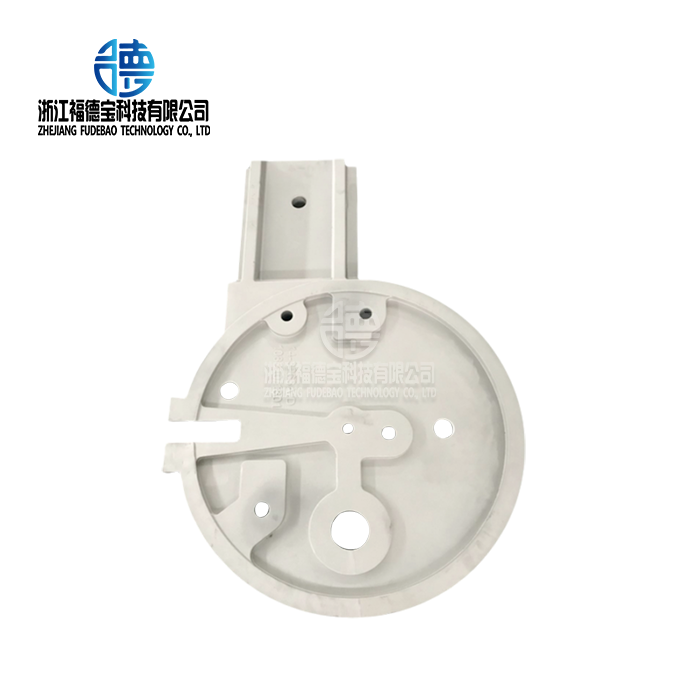
_1756348543350.webp "Automotive Turbine Casting")
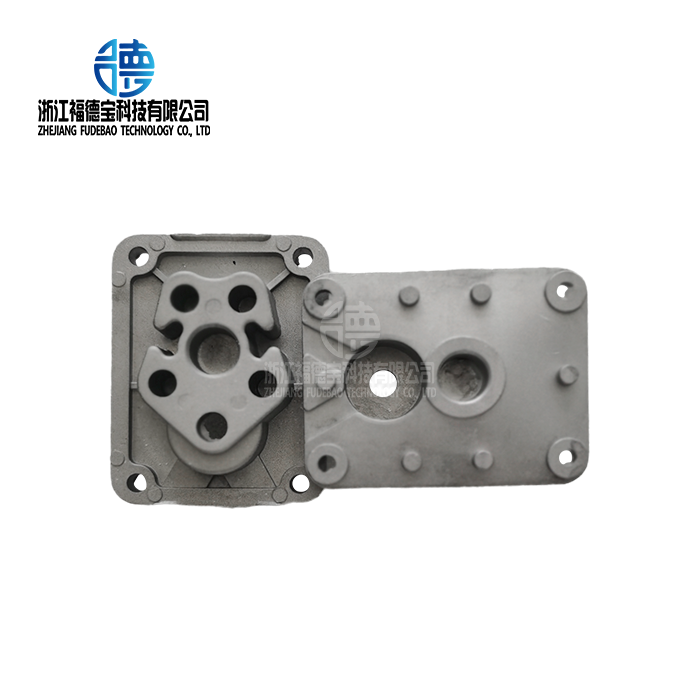
_1756361494985.webp "sliding block copper castings")
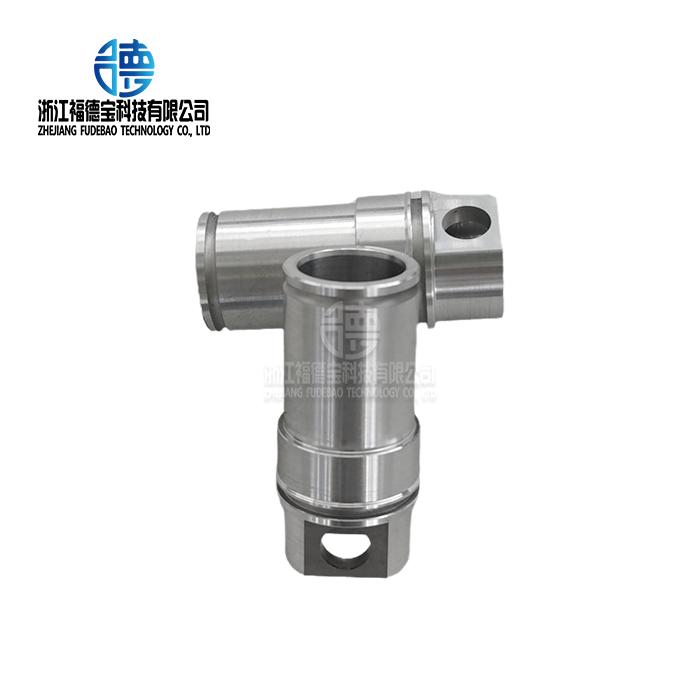
_1756352340434.webp "Aluminum chassis cover")
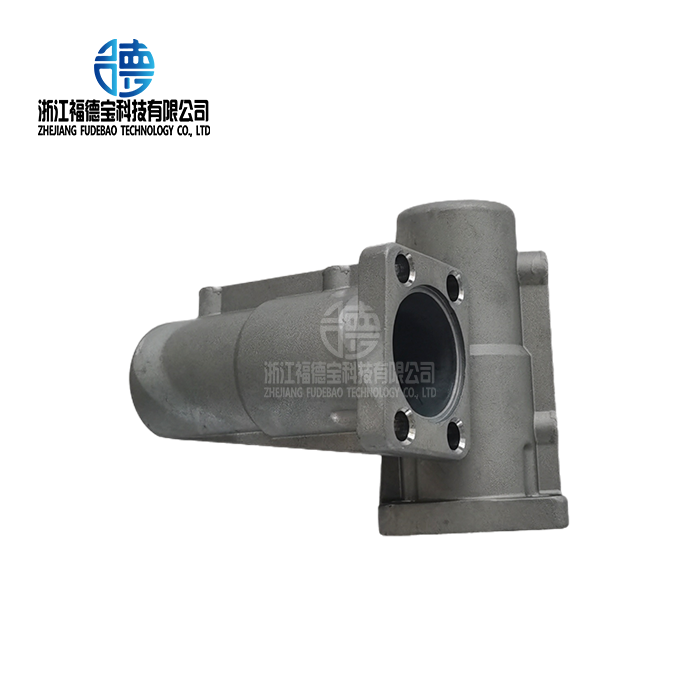
_1756350092126.webp "radiator cover")