
CNC Machining Suppliers Offering Turnkey Solutions for Custom Metal Fabrication
2026-04-17
When engineering managers and sourcing directors search for reliable partners in custom metal fabrication, they encounter a critical challenge: finding a CNC machining supplier that delivers both precision and comprehensive service. At Fudebao Technology, we bridge this gap by offering turnkey solutions that eliminate procurement complexity while ensuring dimensional accuracy down to ±0.05mm. Our computer-controlled manufacturing processes transform raw aluminum alloys, copper, and stainless steel into mission-critical components for automotive, aerospace, and industrial sectors. By integrating casting expertise with advanced machining centers, we provide end-to-end manufacturing that reduces lead times and simplifies vendor management for global B2B clients.
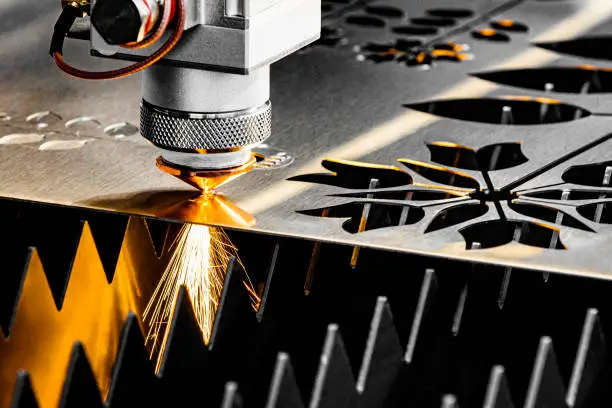
Understanding CNC Machining and Its Role in Custom Metal Fabrication
CNC machining is a huge step forward in how metal parts get ready for production. In contrast to physical tasks where variations in human performance cause errors, this subtractive production method uses pre-programmed software to guide cutting tools in a way that is very consistent. CAD/CAM directions are turned into machine-readable G-code, which is then used to remove material from solid metal blocks, which are generally called "workpieces."
How Automated Precision Eliminates Manufacturing Uncertainty
Traditional hand lathes and mills rely on the skill of the user, which means that each batch is different, which makes quality control harder to maintain. This basic problem is solved by automated cutting, which keeps the tool moves the same from one production run to the next. The same digital file makes sure that limits are the same whether 10,000 aircraft-grade brackets are being made or a single sample. This feature is very important when tier-1 providers for the auto industry need accurate measurements for safety-critical housings or when makers of industrial equipment need gearbox parts that can be switched out.
The technology works with a wide range of materials, from soft metals like Aluminum 6061-T6 (which is valued for its strength-to-weight ratio) to difficult superalloys like Inconel 718 and Titanium Ti-6Al-4V. Engineering plastics like PEEK and POM can also be precisely machined for uses that need to be biocompatible or chemically resistant. Surface finishes can reach Ra 0.4μm in their as-machined state, which means they are perfect for closing without the need for extra finishing.
Key Machining Processes and Tolerance Standards
A lot of manufacturing jobs start with milling and turning. Milling uses spinning cutters that move along multiple directions to make complicated shapes, while turning uses fixed tools to shape cylinders as the workpiece spins around them. Advanced 5-axis continuous machining makes it possible to make organic forms and non-manifold designs that are hard to make with casting methods alone.
Tolerances in the industry usually follow ISO 2768-f for fine uses or ISO 2768-m for medium-grade parts. Precision of ±0.005mm (±0.0002") can be reached for parts that need tighter control, but this standard makes the cycle time longer and the cost of the tools higher. In order to give electrical housings and motor parts the mechanical stability they need, Geometric Dimensioning and Tolerancing features like perpendicularity, cylindricity, and true position accuracy are needed.
When you compare automatic processes to making things by hand, the benefits go beyond being able to repeat the process. Unmanned machine centers that work during off-shifts greatly improve production efficiency, and design changes can be made quickly by making changes to software instead of retooling. Optimized toolpath programming cuts down on material waste, which helps keep costs down on large orders where every percentage point counts for buying budgets.
Turnkey CNC Machining Solutions: Streamlining Your Procurement Process
Full manufacturing services change the connection between a buyer and a provider from a transactional one to a creative one. Turnkey solutions cover every step, from the first design meeting to the final quality check. This makes the whole process smooth and easy, which makes the job of sourcing directors and project managers easier. Our CNC machining solutions are designed to integrate seamlessly into your existing supply chain.
Integrated Services That Simplify Vendor Management
Before cutting the material, our process starts with design-for-manufacturability talks, where engineering teams look at CAD models to find problems that might come up during production. This proactive analysis stops expensive changes in the middle of a project and makes sure that parts meet functional standards while still being cost-effective. Instead of using computer models, prototyping services let mechanical engineers check the shape, fit, and function of their designs using real production materials.
When a company offers full-cycle production, customers only have to deal with one person instead of having to coordinate with many suppliers. Our building has high-speed machining centers, multi-axis CNC lathes, low-pressure casting tools, and die-casting machines that can make anything from blanks to finished parts. This vertical merger gets rid of the problems with communication and quality that happen when work goes to different companies.
Assembly and testing services go beyond helping with manufacturing and help with the whole system. Components come ready to be installed instead of needing to be processed in-house, which speeds up the time it takes to get a product to market. Quality standards include checking the sizes of things with coordinate measure tools, keeping records of the materials that are used, and trying their functionality in a way that fits their purpose, like checking the conductivity of electrical connectors or the pressure of pump housings.
Advanced Automation and Cost Efficiency
Fudebao Technology uses advanced CAD/CAM software that instantly finds the best toolpaths and machine settings. This way of using computers to find the best cutting methods balances cycle time and tool wear to get the lowest cost per part without sacrificing accuracy. Automation includes systems for moving materials that cut down on the time needed to set up between production runs. This makes it easier to handle both small amounts and large orders.
Our work with American HAAS automatic machine tools uses the best production technology in the world for all of our projects. These precision platforms are rigid and stable at high temperatures, which is needed to keep tight standards during long production runs. Our knowledge of aluminum alloys, copper, and stainless steel, along with our metalworking skills, helps clients get parts that meet PPAP documentation standards and meet their long-term dependability goals.
Scalable production possibilities take into account the fact that buying needs change over time. It's easy to move from prototype numbers to test production and then to full-scale manufacturing without having to go through new processes to qualify vendors. This consistency lowers risk and makes wait times reliable, which helps just-in-time inventory tactics. Our competitive price structures show how efficiently we run our business, which lets engineering managers spend their budgets on new ideas instead of paying for too much factory overhead.
Selecting the Right CNC Machining Supplier for Your Business Needs
Finding a production partner that can help with both current projects and future growth requires a thorough analysis of their technical skills, quality control systems, and ability to run their business reliably. Choosing a dedicated CNC machining provider means looking for a partner that offers both domestic proximity benefits and international cost-effective options with advanced capabilities.
Critical Evaluation Criteria for B2B Procurement
The presence of certifications is a concrete sign of quality management development. ISO 9001 certification shows that a company has a culture of structured process control and continuous growth. AS9100 certification, on the other hand, shows that the company follows aerospace-specific quality standards that include tracking and advanced inspection capabilities. Automotive producers should make sure they are registered with IATF 16949, which includes the PPAP paperwork methods and production part approval processes that tier-1 OEMs require.
A lot of weight is put on industry knowledge in certain areas. If a supplier has experience with aerospace engineering, they know how strict quality directors are about documentation and being able to track materials. On the other hand, suppliers who work with medical device makers need to show that they know about biocompatibility standards and FDA rules. For twenty years, we've been working with clients around the world in the automobile, industrial equipment, and aviation industries. This gives us the background knowledge that turns specs into successful parts.
When project goals change, service breadth is important. When a supplier only does cutting, customers have to find different sources for casting, heat treatment, and surface finishing. Because we can melt, cast, finish, and clean the surface all at once, we can really give everything in one place. When controlling tight delivery dates or arranging complicated assemblies, this vertical integration comes in very handy. Delays at any subcontractor can affect the whole supply chain.
Fudebao Technology's Competitive Advantages
Being known as a leading aluminum casting business in China shows that we have a long-term dedication to producing high-quality goods. The name comes from satisfied customers in a wide range of demanding uses, such as automobile precision parts that need to stay the same size through thermal cycling and industrial machinery parts that work in harsh chemical conditions.
OEM and subcontract manufacturing services are more than just job shops doing work. We work as an extension of our clients' engineering teams, giving them manufacturing knowledge during the design phase to help them make the best decisions about part shape for production efficiency. This way of working together has helped American brands like HAAS automatic machine tools and ESS energy storage systems, where the quality of the parts affects the stability of the whole product.
The quote method is the first step in providing dedicated client help. Technical sales engineers look over plans to find problems that might come up during production. They then suggest changes that will lower costs and give clear prices that are based on real production needs instead of rough estimates. During production, this consultative method is kept up to date with regular updates and open contact about any questions about specifications or delivery issues.
The buying process uses a streamlined approach that is meant to make getting things done as easy as possible. The technical review starts with the first email to hank.shen@fdbcasting.com. A written quote is then usually sent within 48 hours for standard materials and shapes. When an order is placed, the production schedule starts right away, with milestone reports at the time of receiving materials, inspecting the first product, and getting ready to ship. Our ERP tools let us see the state of every order, which takes away the uncertainty that makes planning inventory harder.
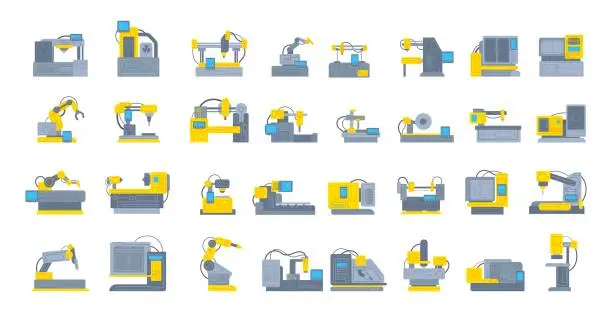
Best Practices and Safety Tips in CNC Machining for B2B Clients
To get the best results from manufacturing, you need to pay attention to design choices, operating procedures, and quality control methods. If engineering managers know about these CNC machining principles, they can make better choices about specifications, and quality teams can set up inspection standards that are in line with practical needs.
Design-for-Manufacturability Principles
To start optimizing geometry, you need to be aware that sharp internal corners cause stress to build up and need small-diameter tools that take longer to run. Setting small corner radiuses (usually the same width as the tool) makes both the part stronger and the production process more efficient. When cutting, the cutting forces release leftover pressures that are locked in the raw material. Uniform wall thickness stops the material from warping. The minimum thickness needed depends on the material and the shape, but keeping it at 1.5 mm or more usually keeps it rigid during cutting.
Specifications for threads should be carefully thought through. Standard thread callouts (UNC, UNF, and metric) use taps and cutting pieces that are easy to find. Custom pitches, on the other hand, need special tools that cost more and take longer to make. Instead of standard twist drills, which deflect and make oversized, imperfect bores in deep holes that are more than three times the width, gun drilling or specialized deep-hole boring methods work best.
Instead of defaulting to the best grade possible, surface finish callouts should meet practical needs. As-machined finishes of Ra 3.2μm work well with most non-sealing interfaces and take a lot less time to process than polished surfaces of Ra 0.8μm. Costs can be kept low while performance is maintained by specifying finish only where it is technically necessary, such as on bearing surfaces, O-ring grooves, and aesthetic sides.
Quality Control and Continuous Improvement
Modern machine settings have safety rules that protect both workers and the quality of the work. On machining centers, enclosed work envelopes keep chips and coolant inside while keeping people from touching spinning tools by mistake. When cutting forces show that a tool has failed, automated tool breaking detection systems stop production right away. This stops damage to workpieces and spindles from spreading. Our company strictly follows OSHA rules and gives regular safety training to all employees to make sure they know how to do things right.
In addition to the final review, quality control procedures also include checks that are made during the process. Before running whole runs, the first article review makes sure that the setup settings make parts that are within the tolerance. Statistical process control tracking keeps an eye on changes in dimensions over the course of multiple production runs. This lets changes be made before parts become out of specification. Coordinate measuring machine checking gives a thorough look at geometry and creates certification records that show the product meets customer needs.
Fudebao Technology's efforts to keep getting better are driven by customer comments. Reviewing a project after it's done can help you find ways to improve communication, make processes more efficient, or create new skills that will better meet new needs. Because we are committed to change, our services will continue to meet the needs of next-generation industrial automation systems, electric vehicles, and infrastructure for green energy.
Conclusion
Custom metal forging needs a production partner that is both technically excellent and able to provide a wide range of services for CNC machining. Computer-controlled precision machining gives uses in the automobile, aircraft, industrial, and electrical sectors the regularity and accuracy in dimensions they need. Additionally, turnkey solutions get rid of the difficulties that come with managing multiple suppliers, which is a problem that multi-supplier strategies have. We turn raw materials into finished parts through a single point of contact that improves sourcing and speeds up project timelines by combining foundry knowledge with advanced machining centers. We are a trusted provider for companies that care about both performance and partnership value because we are dedicated to quality management systems, ongoing growth, and collaborative engineering support.
FAQ
What materials can Fudebao Technology machine?
We do a lot of work with casts made of aluminum metals like 6061-T6, 7075-T6, and A356, which are known for being strong and lightweight. Copper alloys like bronze and brass C360 are used in electrical and naval uses that need to be resistant to corrosion. Grades 304, 316, and 17-4 PH stainless steel last a long time in tough conditions. Titanium Ti-6Al-4V and superalloys like Inconel 718 are also things we can work with when aircraft or high-temperature uses need the best performance. We also have engineering plastics like PEEK, POM, and nylon that can be used to make specific non-metallic parts.
What are typical turnaround times for custom orders?
Depending on the size, complexity, and supply of materials, projects have different due dates. It usually takes 7–10 business days from the time an order is confirmed until it is shipped for simple turned parts made of standard metal. It takes 15 to 20 business days to make complicated cut parts with tight tolerances and many sets. Larger production runs require more time on the calendar but also benefit from economies of scale. When clients' equipment breaks down unexpectedly or when they need to get new products to market quickly, rush services can meet their needs right away. Giving exact details during the quote process lets you make accurate delivery predictions.
Do you offer prototyping before full production?
A key part of our turnkey method is the prototype services we offer. Using real production materials, single-piece or small-batch samples let engineering teams confirm the design purpose, try fitment with matching parts, and do functional evaluations. This step of testing stops the need for expensive tooling investments or big production runs of parts that need design changes. Prototype-to-production consistency means that the lessons learned during the first builds can be used right away in mass production, without having to find a new provider or change how the process works.
Partner with a Leading CNC Machining Manufacturer for Your Next Project
To get through the complicated process of precision metal manufacturing, you need a seller who is both technically skilled and willing to work with you. At Fudebao Technology, we use integrated casting, machining, and finishing processes to turn difficult requirements into parts that are ready for production. The high-tech tools in our building, like HAAS machine centers and complex quality control systems, make sure that the parts we make are the right size and have a perfect finish for uses in car, aerospace, industry, and electricity. If an engineering manager is looking for a reliable CNC machining supplier, our "turnkey" method takes away the need to coordinate with multiple vendors and guarantees uniform quality and regular delivery times. Email our team at hank.shen@fdbcasting.com to talk about your project needs and find out how our complete manufacturing solutions can help you speed up the time it takes to make a product while still meeting your cost-cutting goals.
References
Kalpakjian, S., & Schmid, S. R. (2014). Manufacturing Engineering and Technology (7th ed.). Pearson Education.
Society of Manufacturing Engineers. (2019). Fundamentals of CNC Machining. SME Technical Publications.
American Society of Mechanical Engineers. (2018). ASME Y14.5-2018: Dimensioning and Tolerancing Standard. ASME Press.
Altintas, Y. (2012). Manufacturing Automation: Metal Cutting Mechanics, Machine Tool Vibrations, and CNC Design (2nd ed.). Cambridge University Press.
ASM International. (2016). ASM Handbook Volume 16: Machining. ASM International Materials Information Society.
National Institute of Standards and Technology. (2020). Quality Management Systems for Aerospace Manufacturing: Best Practices Guide. NIST Special Publication Series.



_1756347888208.webp "New energy motor shell")
_1756348543350.webp "Automotive Turbine Casting")
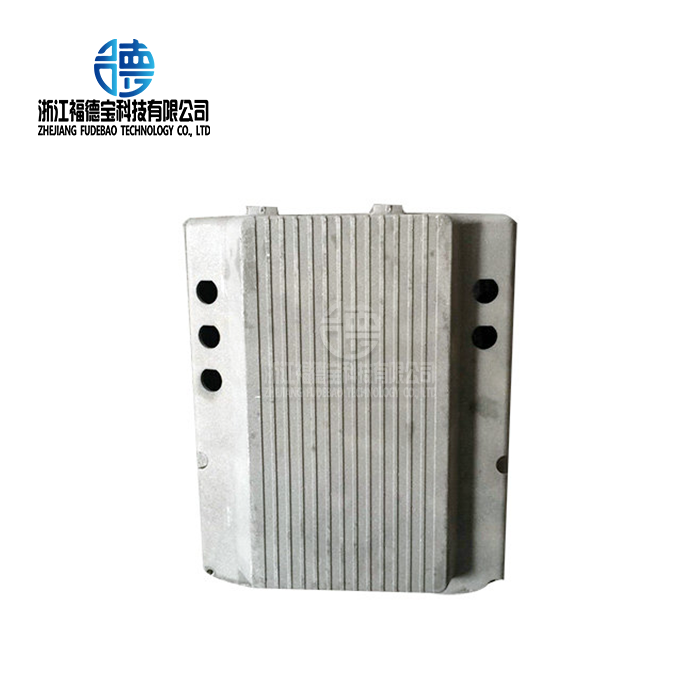
_1756352625880.webp "plug stainless")
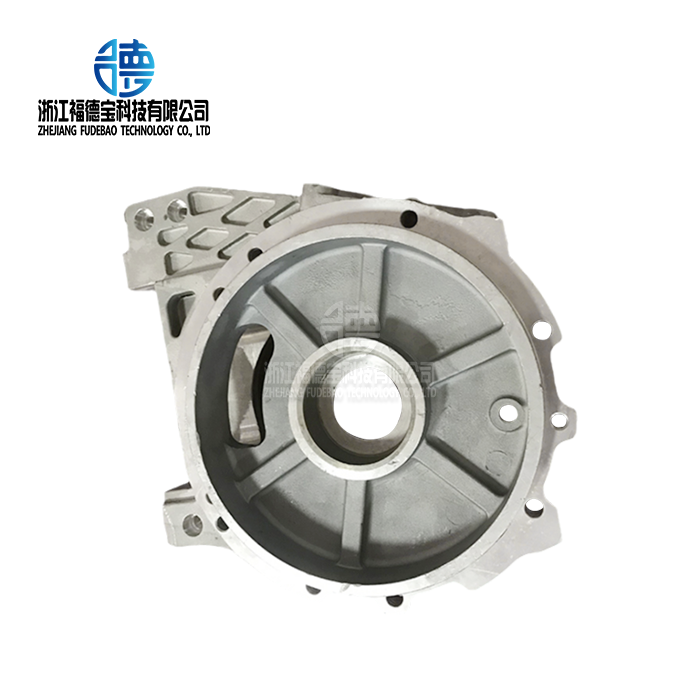
_1756348489473.webp "Automobile intake valve")
_1756346259673.webp "heavy duty hinges")
_1756346043433.webp "guardrail connecting block")