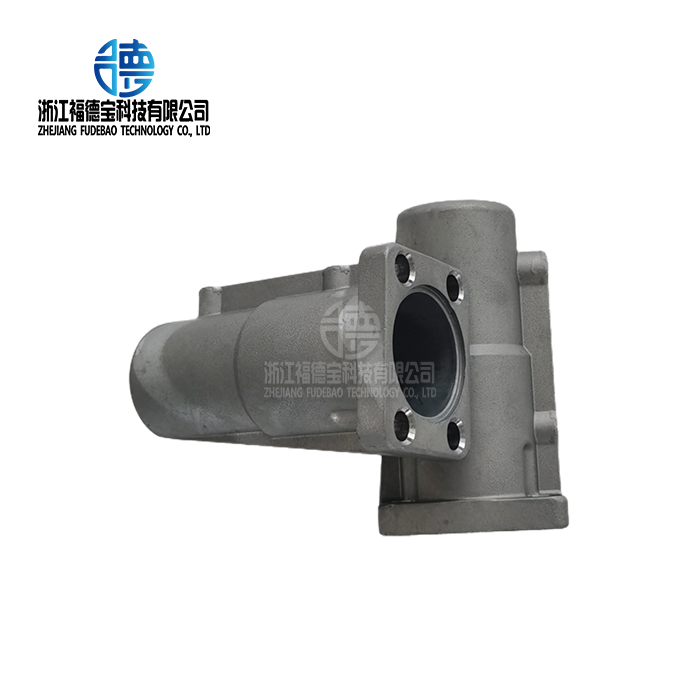
What are the Primary Benefits of Low Pressure Casting?
2026-04-17
Low pressure casting is a very precise way to make things that helps car OEMs, industrial tool makers, and aircraft suppliers solve many important problems. During this carefully controlled process, molten aluminum or magnesium metal is pushed into mold holes under precisely regulated pneumatic pressure, which is usually between 20 and 100 kPa. This makes parts with very strong structures. The method gets rid of turbulence during filling, greatly lowers internal porosity, and produces material yields of more than 90%. This makes it perfect for safety-critical applications like cylinder heads, motor housings, and suspension parts that must have defect-free metallurgy.
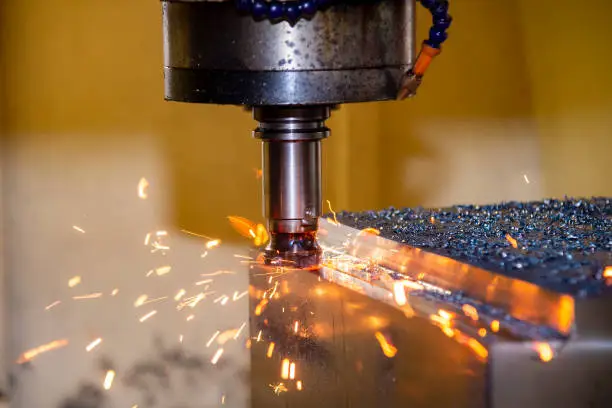
Understanding Low Pressure Casting: A Comprehensive Overview
When we look at how to make complicated metal parts, the difference between the different casting ways becomes very important. Low-pressure die casting works in a very different way than standard methods. Engineering managers and sourcing directors can make better choices when they understand these differences.
How the Process Works
In the low-pressure method, a riser tube links a holding furnace that is under pressure to the mold body. The melted metal is pushed up against gravity into the die by controlled air pressure. It fills the die from the bottom in a smooth, laminar flow pattern. This counter-gravity method reduces the formation of oxide films and stops air from getting trapped, which are two common ways for gravity pouring systems to fail. During solidification, the pressure stays the same, which lets liquid metal keep feeding shrinking zones. This keeps the microstructure dense throughout thick-walled sections.
Materials and Alloy Selection
This process is mostly done with aluminum alloys, especially A356 and A380 types that were chosen because they are very fluid, have good thermal qualities, and can be heated after casting. Low turbulence during filling protects the alloy's chemistry and allows full T6 heat treatment without burning. This is a big improvement over high-pressure die casting, where trapped gases make it impossible to do this kind of thermal processing. This method also works well with magnesium metals, which can help reduce weight even more in areas like aircraft and cars where every gram counts.
Industry Applications
A lot of the time, automakers use this method to make alloy wheels because it gives them the complicated spoke shapes and airtight integrity that are needed for passenger safety. Manufacturers of electric vehicles choose low pressure casting for motor housings because it allows for complex interior cooling tunnels made by sand cores, which are necessary for managing heat in high-performance drivetrains. Manufacturers of industrial equipment like this method for making pump housings and compressor parts that can handle being loaded and unloaded many times without breaking suddenly. Aerospace suppliers need the process for structural brackets and parts that must be able to be tracked, meet X-ray testing standards, and stay the same size.
Primary Benefits of Low Pressure Casting: Efficiency, Quality, and Cost
By understanding the real benefits of this way of making things, procurement teams can decide if it fits with their specific needs for parts and output numbers. We find that the benefits are felt in many areas, ranging from the quality of the metal to the cost of running the business.
Superior Mechanical Performance Through Controlled Solidification
The pressurized feeding system keeps the pressure steady during the cooling cycle. This is very different from ways that don't use pressure and completely changes how metal solidifies. The holes that form during shrinkage in thick sections are constantly filled with liquid metal from the furnace's storage below. This filling action makes casts that are all the same density and have few empty spaces inside. The parts that come out of it meet strict standards for radiographic testing, like ASTM E155. Testing coupon bars cut straight from production castings, not test pieces that were cast separately, regularly shows yield strengths and elongation values that are 15-20% higher than gravity casting. This improvement directly leads to longer service lives for suspension parts, better pressure stability for fluid manifolds, and higher wear resistance for wheels when they are loaded and unloaded quickly.
Exceptional Material Utilization and Yield
With traditional casting methods, big feeders and steps have to be taken apart and melted again, which often leads to material rates below 60%. With the low-pressure casting method, these big risers are not needed because the riser tube itself is the feeding path. When the pressure drops, any metal that is still in the tube runs back into the furnace. Automotive foundries report that material returns regularly hit 90 to 95%, which cuts down on the cost of remelting energy and the amount of scrap that needs to be handled by a large amount. This economy is especially important for complicated metal motor housings, where the cost of the raw materials makes up a big part of the cost of the part.
Process Repeatability and Automated Control
These days, low-pressure devices use PID-controlled pressure curves to exactly control the speed of filling and the holding pressure. These automatic controls get rid of the differences that come with pouring by hand, making sure that every casting has the same temperature and pressure. The end result is very good consistency from part to part, which is very important for car suppliers who have to follow PPAP rules and keep dimensional difference within very small statistical limits. Quality managers like how this stability cuts down on the number of samples that need to be inspected and the chance that casting flaws will cause failures in the field.
Environmental and Workplace Safety Advantages
When compared to open pouring operations, pressurized casting systems keep fumes inside and protect workers from hot metal dangers. Because the system keeps the liquid metal at the right temperature without having to heat it up over and over, it often uses less energy per kilogram of finished casting than gravity methods. The lower rate of scrap directly leads to a lower carbon footprint per final component, which is becoming a more important factor as automakers set stricter environmental goals for their supply lines. These environmental benefits help suppliers meet the standards of ISO 14001 and answer customer questions about the environmental effects over the course of a product's life.
Design and Process Tips to Maximize Benefits of Low Pressure Casting
When you create parts so that they work best with this way of manufacturing, you can get even more performance and cost benefits. During the early stages of development, we work closely with customer design teams to add features that make the low pressure casting process easier and lower the risk of defects.
Alloy Selection and Heat Treatment Compatibility
Picking the correct aluminum alloy formula has a direct effect on the end mechanical qualities and the speed of production. A356 alloy with a controlled iron content below 0.15% and the right amount of strontium modification has great extension after T6 heat treatment. This makes it perfect for structural parts that are loaded with impacts. Keeping the silicon percentage between 6.5-7.5% improves flow during filling and keeps the heat treatment response the same. Because low-pressure castings don't have any trapped gas, the parts can go through full solution treatment at 540°C and then be aged artificially without getting blisters like high-pressure die castings do. Design engineers should be clear about the heat treatment needs from the start so that foundries can choose alloys that will work well together and adjust the process settings to get the best results.
Wall Thickness Optimization and Transition Design
Even wall thickness makes feeding easier and lowers the risk of flaws caused by solidification, but functional parts often need different sections. When changes in width are needed, smooth tapers work much better than sudden ones. We suggest keeping thickness ratios below 2:1 as much as possible and blending smaller parts together gradually instead of in sharp steps to make them longer. Depending on the flow distance and the shape of the part, the minimum wall thickness is usually between 2.5 and 3.0 mm. This is smaller than most sand casting methods but not as thin as high-pressure methods. For thick bosses and mounting pads, coring or placing them near the gate, where the feeding pressure stays high during solidification, is helpful.
Defect Prevention Through Strategic Design
Common casting flaws all have causes that can be fixed with smart design. Flow lines happen when oxide forms on the moving metal front. This is usually because the flow distance is too long or the metal temperature is too low. This can be kept to a minimum by placing gates in a way that limits the highest flow length and stays away from thin parts that are far from the gate. When there aren't enough food lines, shrinkage porosity builds up in thick, isolated areas that freeze last. Putting these parts closer to the riser tube or adding chill zones to direct solidification is a smart way to cut down on this failure mode. Gas porosity is not common in low-pressure work, but it can happen if the mold coatings let out too much air or if the metal wasn't degassed enough. This problem can be fixed by asking providers to write down the steps they take to degass molds and specifying the right mold coating systems.
Early Supplier Collaboration Value
It is much more beneficial to work with foundry partners during the planning phase rather than after the plans are finished. Casting suppliers with a lot of experience can offer changes that will make it easier to fill the mold, make the tool less complicated, or make the dimensions more stable. These changes usually don't cost anything to make during the planning process but would be expensive to make later. Working together also lets us talk about what limits are reasonable, what draft angles are best, and where the best parting lines should be placed. The parts that are made when customer design teams and casting process engineers work together regularly have lower failure rates, smaller machining allowances, and move faster from the prototype phase to the production phase.
Conclusion
In conclusion, because low pressure casting has many benefits, including better mechanical integrity, high material yield, easy process control, and environmental benefits, it is the best way to make safety-critical parts for the automotive, aerospace, industrial equipment, and electrical industries. This method is one of a kind because it combines the design freedom of permanent mold casting with mechanical quality that is close to premium casting standards. It also has production costs that are good for middle to high volume manufacturing. When engineering managers and procurement professionals look at casting methods, they should know that low-pressure processes offer real benefits in part reliability, production consistency, and total cost of ownership, as long as the needs of the application match the method's capabilities.
FAQ
What pressure range defines low pressure casting operations?
Low-pressure die casting devices work with controlled air pressures between 20 and 100 kPa, which is about 0.2 to 1 bar. This relatively low pressure is enough to beat gravity and fill mold holes from the bottom up, without the turbulence that comes with high-speed injection. The specific pressure curve changes depending on the shape of the part. For example, thinner parts or longer flow lengths need higher pressures to make sure they fill completely before they solidify too soon. Modern systems use adjustable pressure controls that change the speed of filling throughout the cycle. This keeps the flow conditions at their best from the beginning of the feeding phase to the end.
Can complex internal geometries be achieved with this method?
Because of the low pressure levels used in this process, resin-bonded sand or shell cores can be added to make complex internal paths, hollow sections, and undercuts that would not be possible with fixed cores. This feature sets the method apart from high-pressure die casting, in which sand cores would be crushed by the high pressures. Core compatibility is used by both automotive cylinder heads with complex coolant channels and EV motor housings with interior mounting features. The sand cores are put in the mold before it is closed. They stay in place while the metal fills the mold and hardens. After that, they are taken out by shaking them out or dissolving them chemically, leaving the desired internal shape.
How does heat treatment compatibility affect component performance?
Parts made with low pressure have very little stored gas because of the controlled laminar filling pattern. This means they can be used with T6 heat treatment, which is solution treatment at around 540°C followed by fake aging. This heat processing greatly raises the yield strength and elongation compared to the material as it was cast. For A356 metal, it usually results in tensile strengths above 280 MPa and elongation values above 8%. High-pressure die castings can't go through this process without getting blisters on the outside from gas growth inside, which limits their mechanical qualities. This ability to be heated is very important for structural suspension parts, aircraft frames, and any other use where resistance to impact and wear are important performance requirements.
Partner With Fudebao Technology for Precision Low Pressure Casting Solutions
Through its advanced low-pressure casting skills, Zhejiang Fudebao Technology has become a leading aluminum manufacturer that works with cars, industrial equipment, and spacecraft around the world. Our factory has everything needed to make something, from melting the metal to finishing it. It has core machines for low-pressure casting, high-speed CNC machining centers, and complete surface treatment systems that make sure the finished parts are precise and meet ±0.05mm tolerances. As an expert low pressure casting maker, we help customers from the first design meeting through large-scale production. We do this by providing PPAP paperwork, material certifications, and flexible batch production that can be scaled up or down to meet your needs. Our engineering team works closely with sourcing directors and quality managers to make sure that part designs are castable, that the risk of defects is low, and that the time it takes to make the part is shortened. You can email our technical experts at hank.shen@fdbcasting.com to talk about your specific application needs and get a full quote that fits your quality standards and delivery schedules.
References
American Foundry Society. (2021). Aluminum Casting Technology: Principles and Practice for Permanent Mold and Low Pressure Processes. AFS Technical Publications.
Campbell, J. (2015). Complete Casting Handbook: Metal Casting Processes, Metallurgy, Techniques and Design. Butterworth-Heinemann.
ASTM International. (2020). ASTM B618-20: Standard Specification for Aluminum-Alloy Investment Castings and Permanent Mold Castings for General Purpose Applications.
Kaufman, J.G. & Rooy, E.L. (2004). Aluminum Alloy Castings: Properties, Processes, and Applications. ASM International.
International Organization for Standardization. (2019). ISO 8062-3:2007 Geometrical Product Specifications — Dimensional and Geometrical Tolerances for Moulded Parts.
Beeley, P.R. & Smart, R.F. (2017). Investment Casting: Practical Metallurgy and Production Methods for Aluminum, Copper, and Ferrous Alloys. Institute of Materials Publishing.



YOU MAY LIKE
_1756352561845.webp "stainless steel blanking plug")
_1756348227989.webp "Aluminum casting movable U frame")