Thermal Conductivity Considerations in Copper Castings
2026-03-16
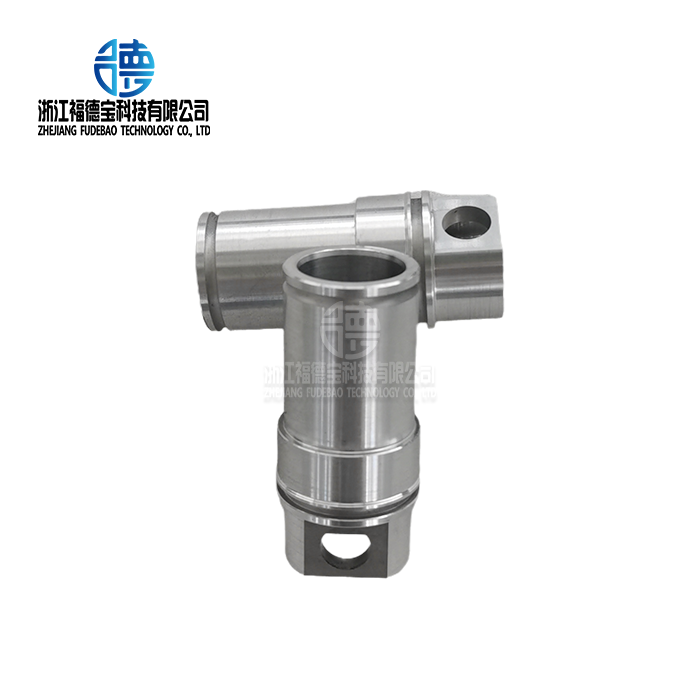
Copper castings are essential for high-performance industrial uses because of their exceptional thermal conductivity, which refers to the material's exceptional capacity to move heat efficiently. Copper casts are very good at getting rid of heat because they have a thermal conductivity value of about 400 W/m·K, which is much higher than most other casting metals. Engineers and procurement workers can choose the best options for uses that need to handle heat efficiently, such as electrical parts and car cooling systems, by understanding how alloy makeup, casting methods, and microstructure affect thermal properties.
Understanding Thermal Conductivity in Copper Castings
The basic quality of a substance that decides how well heat moves through it is called thermal conductivity. In industrial settings, this trait has a direct effect on how well technology works, how much energy it uses, and how reliable it is. When looking at different metal casting options, heat conductivity is an important factor that affects both design choices and the long-term costs of running the business.
The Science Behind Copper's Superior Thermal Properties
Copper's great heat performance is based on the way its atoms are arranged. The crystalline grid structure of the metal makes it easy for electrons to move quickly, which is how metals usually spread heat. At room temperature, pure copper has a thermal conductivity number between 385 and 400 W/m·K. This makes it one of the best materials for casting because it transfers heat very efficiently.
Several mechanical factors have a big impact on how well copper castings conduct heat. The way heat moves is affected by the spread of grain size. Usually, finer grain shapes give more even thermal qualities. Porosity levels, which can be controlled by using the right casting methods, affect thermal efficiency by blocking heat movement. Also, alloying elements can either make heat conductivity better or worse, based on how concentrated and spread out they are in the casting matrix.
Material Purity and Alloy Composition Effects
High-purity copper types keep their best heat conductivity, while different alloying additions meet different performance needs. Copper that has been deoxidized with phosphorus has great heating qualities, better casting properties, and a lower tendency to rust. Because chromium copper alloys are both good at conducting heat and strong, they can be used in situations where both heat transfer and structure stability are needed.
When buying teams understand these connections, they can choose the right copper grades for their thermal control needs. When making a choice, thermal performance has to be weighed against other things like mechanical qualities, corrosion protection, and the limitations of the manufacturing process.
The Copper Casting Process and Its Influence on Thermal Conductivity
The way copper castings are made has a big effect on their thermal values because it changes the microstructure, density, and quality inside. Each casting method creates unique properties that affect how well heat moves through the component and how well it works overall.
Sand Casting and Thermal Properties
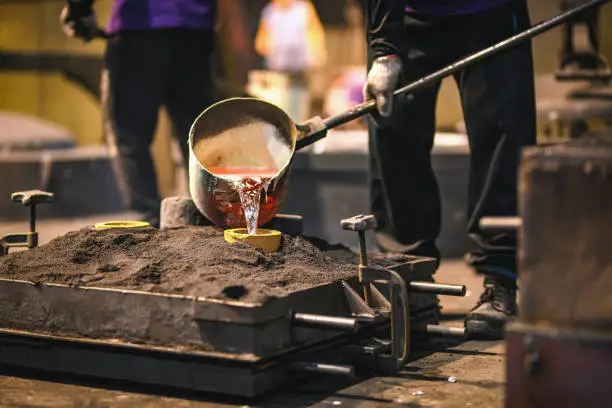
For big copper parts, sand casting gives you a lot of options while still letting heat pass through it fairly well. The relatively slow cooling rates that come with sand molds make the grain structures rougher, which can make them slightly less thermally efficient than fast cooling methods. However, this process gives you great control over the alloy's composition and offers cost-effective options for production needs of a modest volume.
In sand casting, process optimization means paying close attention to how the mold is made, how the filling temperature is managed, and how the solidification process is run. These things have a direct effect on the microstructure and temperature qualities of the casting when it is finished.
Investment Casting for Enhanced Thermal Performance
The surface finish and correctness of the dimensions are better with investment casting, and the thermal qualities are also very good. The ceramic shell method lets you precisely control the temperature during solidification, which makes fine grain structures that are great at moving heat. This process is especially useful for situations where complicated shapes and high thermal conductivity are needed.
The investment casting process is useful for heat exchanger parts and precise temperature control because it can handle tight tolerances and complicated designs that would be hard to do with other methods.
Die Casting and Rapid Solidification Effects
Die casting makes copper parts that are very accurate in terms of their dimensions and surface quality. This process cools very quickly, which makes small grain structures that are better at transferring heat and having good mechanical qualities. High-pressure filling makes sure that there aren't many holes, which improves heat performance even more.
Modern die casting methods make it possible to consistently make complicated shapes while keeping the temperature constant throughout the copper casting. This consistency is useful for situations where the temperature behavior of various parts needs to be predicted.
Comparing Copper Castings with Other Metal Castings on Thermal Performance
To choose the right material for thermal control uses, you need to know a lot about how different metals work in different situations. Copper's heating qualities make it a better choice in many situations, but some uses may require different materials because of cost, weight, or environmental concerns.
Copper versus Aluminum Thermal Performance
Even though aluminum is much lighter than copper, copper alloys are about 1.7 times better at conducting heat than aluminum alloys. This difference in performance is very important in situations where the speed of heat transfer has a direct effect on how well a system works or how much energy it uses. Aluminum is better for uses that need to be light because it has a lower density, but copper's better thermal qualities often make up for the extra weight in stationary equipment.
The difference in price between these materials changes with the market, but copper's better heat performance often pays off in the long run by saving money on energy costs and making tools last longer.
Comparison with Bronze and Brass Alloys
Castings made of bronze and brass have better mechanical qualities than pure copper, but they don't conduct heat as well. Bronze alloys usually have thermal conductivity values between 50 and 120 W/m·K, while brass metals usually have values between 100 and 120 W/m·K. The corrosion and wear resistance of these materials is very good, which means they can be used in places where average heat conductivity is enough.
When deciding between copper and its alloys, it is common to weigh thermal performance against mechanical needs, corrosion protection, and the needs of the production process.
Steel and Iron Casting Alternatives
The mechanical strength and wear resistance of steel and iron casts are better, but they conduct heat much less well. Cast iron can be anywhere from 25 to 50 W/m³K, while carbon steel is usually between 40 and 50 W/m·K. It depends on the structure and makeup of the iron. When mechanical performance is more important than heat economy, these materials are great.
Knowing these differences in performance lets you choose the right material based on the needs of the product and the situations under which it will be used.
Applications of Copper Castings Where Thermal Conductivity is Critical
To improve system performance and energy economy, industries that need to handle heat efficiently depend more and more on copper castings. In real life, uses show that better heat conductivity has real benefits in a range of working conditions.
Electrical and Electronic Applications
For electrical housings, bus bars, and heat dissipation parts in power production and delivery systems, copper castings are used. Because it is both good at conducting electricity and heat, copper is perfect for uses where both qualities are needed. Copper is good for controlling heat while keeping electrical performance high, which makes it useful for transformer parts, electrical switches housings, and motor housings.
Copper castings are being used more frequently for important temperature control parts of modern green energy systems like wind turbines and solar inverters. Even though the choice of material costs more at first, the improvements in stability and efficiency make it worth it.
Heat Exchanger Manufacturing
Heat exchangers are the best places to see copper's heating benefits in action. Copper tube sheets, headers, and joining parts allow for the most efficient movement of heat and are very resistant to corrosion in a wide range of settings. Copper's natural resistance to biofouling and excellent heat performance make it a great choice for marine uses.
Copper heat exchanger parts are used in industrial process equipment to make it more energy efficient and lower its operating costs. The initial cost of buying copper parts usually pays for itself quickly through better heat efficiency and less upkeep.
HVAC and Plumbing Systems
For pumps, valves, and heat transfer parts in commercial and industrial HVAC systems, copper castings are used. Because of its temperature features, the material makes the system work better and last longer. Copper's ability to kill microbes makes it useful in healthcare and drinking water systems.
Copper is a commonly used material for important infrastructure parts because it is good at conducting heat, resisting rust, and having good mechanical qualities.
Procurement Considerations for Copper Castings with Optimal Thermal Conductivity
To successfully buy high-performance copper castings, you need to know both the technical requirements and the business issues that come up. By working with experienced makers, you can get the knowledge and skills you need for the best thermal performance.
Alloy Selection and Specification
It is important for procurement teams to clearly describe the thermal conductivity standards while also taking other performance factors into account. Setting base numbers for thermal conductivity, accepted alloy compositions, and certificates is a good way to make sure that the performance of the part meets the needs of the application. Working with foundries that have a lot of knowledge lets you choose the best alloy for the job based on the working conditions and performance needs.
For key uses, quality certifications and being able to track materials become more and more important. Manufacturers with a good reputation give thorough material certificates and test reports to make sure that the thermal qualities and composition are correct.
Manufacturing Capability Assessment
When looking at possible providers, you need to check out their casting skills, quality control methods, and technical know-how. To make sure that the thermal traits stay the same from one production run to the next, modern foundries use advanced process controls, metallurgical tests, and quality assurance systems. Facility visits, process audits, and reference checks to make sure the provider is qualified should all be part of capability evaluations.
Knowing what a seller can do helps procurement teams choose partners who can meet both present needs and goals for growth in the future. When you have long-term relationships with qualified providers, you can often take advantage of chances for technology innovation and cost savings.
Commercial and Logistics Considerations
Lead times for copper castings depend on how complicated they are, how many they need, and how much space the seller has. By planning your buying around these wait times, you can avoid production delays and the costs that come with them. Cost-effectiveness may be affected by minimum order numbers, especially for prototypes or low-volume uses.
Some things to think about in the global supply chain are the prices of shipping, the rules for customs, and the best ways to keep track of goods. Working with providers who know about foreign logistics can help you get the best service performance at the lowest total cost of ownership.
Conclusion
When thinking about thermal conductivity in copper castings, there are a lot of technical and business factors that have a direct effect on how well the application works and how well the purchase goes. Knowing how casting methods, alloy makeup, and thermal qualities are related helps you choose the right materials and evaluate suppliers. Copper's excellent thermal conductivity makes energy use more efficient, equipment more reliable, and overall operating performance better in many industry settings. To do a good job of procurement, you need to find skilled makers who can give reliable results while balancing thermal performance needs with cost, lead time, and quality concerns.
FAQ
How does alloy composition affect thermal conductivity in copper castings?
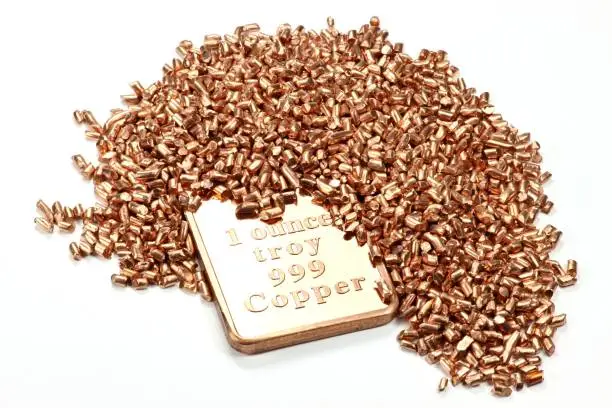
The makeup of the alloy has a big effect on its heat conductivity. Pure copper has the best values, around 400 W/m·K. Adding elements like phosphorus to help with deoxidation lowers conductivity a little but makes the casting better. Depending on the quantity, adding elements like tin, zinc, or aluminum can make heat conductivity much lower.
What casting processes provide the best thermal conductivity in copper components?
The best heat transfer is usually achieved by die casting and investment casting, which make the finest grain structures and fewest holes. Good temperature qualities can be achieved with sand casting if the process is controlled well, though the grain structures may be bigger. Rapid cooling in die casting makes microstructures that are very good at moving heat around.
How does copper thermal conductivity compare to aluminum in practical applications?
Copper is a better heat conductor than aluminum metals by about 70%, making it ideal for heat transfer uses. Copper is often more efficient and saves more energy than aluminum because it is better at handling heat. This is especially true for stationary equipment where weight is not as important.
Partner with Fudebao Technology for Superior Copper Casting Solutions
Use Fudebao Technology's knowledge of precise copper castings to get the most out of your heat control projects. With high-speed machining centers and low-pressure casting systems, among other advanced production tools, we can make parts that are very good at transferring heat and are accurate to within ±0.05mm in size. As a reliable copper castings company that works with the energy, industrial equipment, and car industries around the world, we offer full solutions from the blank to the finished product. Get in touch with hank.shen@fdbcasting.com to talk about your thermal conductivity needs and find out how our approved processes can help your products work better and your business run more smoothly.
References
American Foundry Society. "Thermal Properties of Cast Copper Alloys: A Comprehensive Guide." Foundry Technology and Research, 2023.
Davis, J.R. "Copper and Copper Alloys: Thermal Conductivity and Casting Considerations." ASM International Handbook of Nonferrous Metals and Alloys, 2022.
International Copper Association. "Heat Transfer Performance in Copper Casting Applications: Technical Guidelines for Industrial Applications." Copper Development Association Technical Report, 2023.
Metallurgical Society of America. "Microstructure Effects on Thermal Conductivity in Cast Copper Components." Journal of Casting Science and Technology, Vol. 45, 2023.
Society of Manufacturing Engineers. "Process Optimization for Thermal Properties in Copper Castings." Manufacturing Engineering and Technology Review, 2022.
Thermal Management Institute. "Comparative Analysis of Metal Casting Thermal Performance in Industrial Applications." Heat Transfer and Materials Engineering Quarterly, 2023.



YOU MAY LIKE
_1756348711711.webp "anti surge turbo housing")
_1756346668222.webp "Aluminum castings Decorative buckles")
_1756346570305.webp "Bracket aluminum casting")