
Improving Yield Rate in Low Pressure Casting Processes
2026-03-16
Low pressure casting makes it possible to get materials with great properties and surfaces that are perfect for important manufacturing tasks in the aircraft, industrial, and automobile sectors. This way of precision casting uses controlled pressure to slowly fill molds, which reduces noise and ensures very accurate measurements. To get the best yield rates, you need to optimize the process in a planned way, use advanced quality control methods, and form smart partnerships with suppliers to cut down on costs and improve operating efficiency.
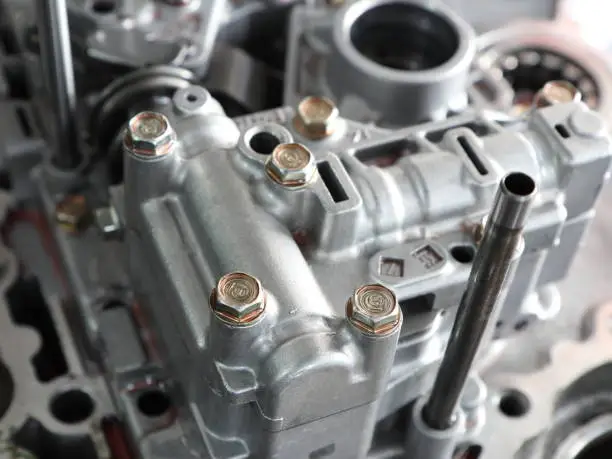
Assessing Current Low Pressure Casting Performance
Understanding Key Performance Indicators
Setting up baseline measurements that properly reflect your present casting processes is the first step in doing a good job of evaluating performance. Metrics that are used across the industry include return rate numbers, scrap ratios, defect frequency per batch, and dimensional accuracy data. These markers are numbers that can be used to find ways to make things better and track growth over time.
Benchmark data is very different for different uses and businesses. Yield rates for automotive parts are usually between 85 and 95%, but due to strict quality standards, uses in aircraft may aim for even higher levels. Cost and performance standards are often balanced in industrial machinery parts. This creates unique optimization problems that need specialized solutions.
Establishing Measurement Protocols
To do a full review of performance, you need to collect data in a structured way at every stage of production. Monitoring the temperature, keeping track of the pressure, writing down the cycle time, and looking over the results of quality checks all add up to make thorough process profiles that show patterns in how the process works. This method is based on data, which makes it easy to pinpoint the factors that affect product quality and output rates.
More and more, modern factories depend on automatic data collection tools that show how the process is running in real time, including in low pressure casting. These technologies eliminate the chance of mistakes made by people when collecting data, and they also keep detailed records of the past that support ongoing improvement efforts. Integration with corporate resource planning tools makes it even easier to understand how costs affect operations and how efficient they are.
Identifying and Analyzing Key Bottlenecks in Low Pressure Casting
Common Defect Patterns and Root Causes
In metal casting uses, porosity is still one of the biggest problems that affects yield rates. This problem usually happens because gas got trapped during mold filling or because the degassing steps weren't done right. When wetness or contaminated charge materials absorb hydrogen, they leave behind tiny holes that hurt the mechanical properties and surface quality.
Another big problem is inclusion flaws, which are especially hard to deal with when working with recovered materials or alloys that have a lot of different parts. Oxide layers, slag particles, and other foreign materials can make finished parts weak in ways that might not be obvious until they are machined or put into service. By knowing how melt quality affects the formation of inclusions, effective quality control means can be put in place.
When metal streams don't fuse properly during mold filling, cold shut flaws happen. This leaves obvious seam lines or structural problems. These flaws usually happen because the melt temperature wasn't high enough, the gates weren't designed correctly, or there wasn't enough pressure applied during the filling processes. To fix cold shut problems, you need to carefully look at how heat control and flow dynamics work.
Process Variables and Equipment Limitations
In many casting processes, temperature control devices are the main things that slow things down. When melt temperatures aren't stable, flow patterns, solidification patterns, and the end mechanical traits are all different. Adding more complex control algorithms and better temperature tracking tools can make the process much more stable and the yield more consistent.
Mold design limits often lead to lower yields by not allowing enough air flow, managing heat poorly, or using gates that are not set up optimally. These design limitations might not be clear until the number of products being made goes up or the specs of the parts change. Regular mold assessment and strategic upgrades support long-term yield optimization objectives.
Principles and Strategies to Optimize Yield Rate in Low Pressure Casting
Temperature Management and Melt Quality
To get regular yield rates, the temperature must be carefully controlled during the whole casting process. The temperature of the melt has a direct effect on how the material flows, how it fills the mold, and how it solidifies, all of which affect the quality of the end part. Modern temperature tracking systems with many sensor points give full thermal profiles that let heating and cooling processes be fine-tuned.
Steps for getting rid of gases are also very important for making the best low pressure casting. Degassing gets rid of hydrogen and other gases that cause hole flaws when it is done right. There are better ways to get rid of gas than using degassing tablets or rotating degassing systems that pump out harmless gas. Usually, the extra money spent on more advanced degassing gear pays for itself in better yields and lower scrap prices.
Mold Design Optimization
Making smart changes to the mold design can have a huge effect on the yield rates and quality of the parts. Here are the main design rules that make efficiency work:
- Better thermal management: advanced cooling channel shapes keep temperatures even across complex geometries, stopping hot spots that cause flaws in shrinkage or changes in size.
- Ventilation System Optimization: Vents put in the right places keep the mold pressure right, which prevents air from getting trapped and improves the quality of the finish on all parts.
- Improving the design of gates: The right placement and size of gates make sure that metal flows smoothly with little disturbance, which lowers the chance of inclusions forming and raises the uniformity of mechanical properties.
- Surface Treatment Integration: New mold layers and surface treatments make tools last longer and improve the way parts move and the quality of the surface.
These changes to the design work together to make big gains in yield while cutting down on run times and upkeep needs. When a manufacturing partner spends money on new mold technologies, it shows that they are dedicated to improving processes over time and making sure customers are happy.
Process Parameter Fine-Tuning
The amount and time of pressure application need to be carefully optimized based on the shape of the part and the properties of the alloy. Not enough pressure can lead to incomplete filling or the formation of pores, while too much pressure can cause flash or dimensional warping. Advanced process control systems keep an eye on these factors all the time and make changes in real time to keep things running at their best.
Finding the best fill speed combines full mold filling with reducing noise. Slower fill speeds usually lower turbulence and the formation of inclusions, but they may also make cycle times longer or cause flaws linked to temperature. When compared to constant-speed methods, variable fill speed rates that adapt to the shape of the part often produce better results.
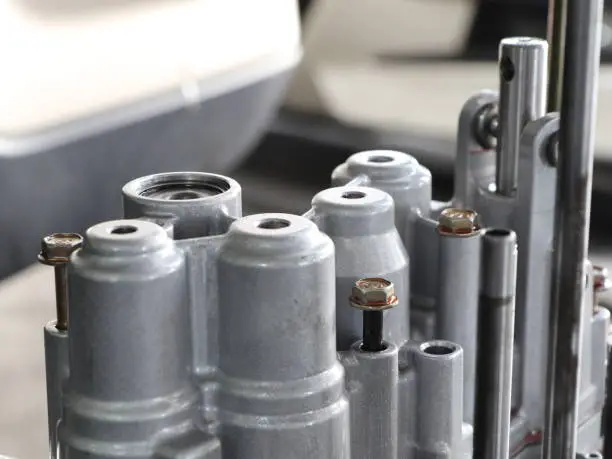
Case Studies: Successful Yield Improvement in Low Pressure Casting Operations
Automotive Component Manufacturing Success
A major tier-one car supplier had trouble getting good yields on metal transmission housings, with scrap rates above 15% because of holes and differences in size. By carefully looking at their processes and buying new tools, they were able to make huge gains in both quality and speed.
The optimization program was mainly concerned with three important areas: improving melt quality, making temperature management better, and automating process control. By adding more advanced degassing equipment, the amount of dissolved gas was cut by 60%, and better temperature control systems kept the casting temperatures within ±3°C during all production runs. Automatic process tracking got rid of the need for people to change parameter settings and gave real-time input so that changes could be made all the time.
The results were better than expected; within six months of operation, return rates went from 85% to 96%. By making this change, the yearly cost savings were more than $1.2 million, and delivery reliability and customer happiness numbers went up. The success showed that smart investments in process improvement pay off in a way that can be measured.
Industrial Equipment Manufacturing Excellence
An industrial pump maker had trouble with castings of aluminum impellers that didn't have uniform mechanical qualities. This caused problems in the field and warranty claims. The task was to find the best way to maximize yield while keeping properties consistent across different output volumes.
To fix the issue, the mold had to be totally redesigned, methods for working with metals had to be made better, and quality control methods had to be made better, especially for low pressure casting. New cast cooling systems made solidification more even, and better ways of making alloys cut down on differences in how they are chemically made. Using statistical process control helped find parameter shift early on, before it caused quality problems.
With these changes, yield rates went from 78% to 92%, and mechanical qualities stayed the same and went above and beyond what the customer wanted. Failure rates in the field dropped by 85%, which cut insurance costs by a lot and made the company look more reliable. Because of their success, they were able to reach more customers and make more money.
Summary of Key Takeaways for Procurement and Manufacturing Professionals
To choose a good supplier, you need to carefully look at their process capabilities, quality systems, and dedication to ongoing growth. Partners in manufacturing who have a history of improving yields bring useful knowledge that goes beyond basic production services. Their technology know-how and new ways of doing things often give them a competitive edge that makes premium relationships worth it.
Investing in process improvement pays off over and over again by lowering the cost of materials, improving stability in quality, and making customers happier. Over time, these benefits add up, giving the business long-term competitive advantages that help it grow. Strategies for buying things should give more weight to sellers who can show real gains in business excellence and yield performance.
As industry standards change, quality approval methods and the ability to track things become more important. Suppliers who keep detailed records and use statistical process control add value by lowering the need for inspections and making the supply chain more reliable. These skills are especially useful in businesses that are controlled and have strict quality standards.
Conclusion
In low pressure casting processes, improving yield rates needs organized methods that deal with technical issues and help the company reach its goals. The strategies described in this guide have been shown to make big differences in how well operations run and how well products are made. To be successful, you need to choose manufacturing partners with a lot of experience who know both how to optimize processes technically and how they affect business.
Putting money into new casting technologies and making processes better pays off in a big way: lower costs, better quality, and a better place in the market. When companies focus on optimizing yield, they gain long-lasting benefits that help them grow and make money in tough market conditions.
FAQ
What are the most common causes of yield loss in low pressure casting?
About 40% of yield losses in aluminum casting are caused by flaws called porosity. These flaws usually happen because of bad degassing, moisture contamination, or bad temperature control. Inclusion development is another major source of waste, especially when working with recovered materials or alloys that have a lot of different parts.
How does mold design impact yield rates?
During the casting process, the shape of the mold has a direct effect on how the metal flows, how it solidifies, and how it handles heat. When there aren't enough vents, air gets trapped, which leads to porosity. When there aren't enough cooling pathways, hot spots form that cause shrinkage flaws. If you compare basic mold designs to optimized ones, the yield rates can go up by 10 to 15 percent.
When should manufacturers consider low pressure casting over gravity casting?
Compared to gravity casting, low pressure casting gives better material qualities and more accurate measurements. This method works great for parts that need to have tight standards, few holes, or a uniform surface finish. Usually, buying low pressure tools is worth it when you need to make more than 500 units a year or when the quality standards are higher than what gravity casting can handle.
Partner with Fudebao Technology for Superior Low Pressure Casting Solutions
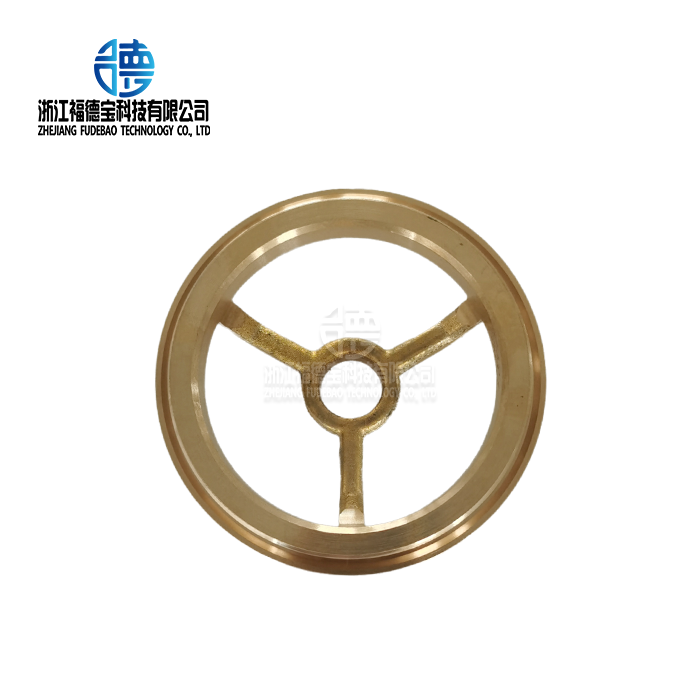
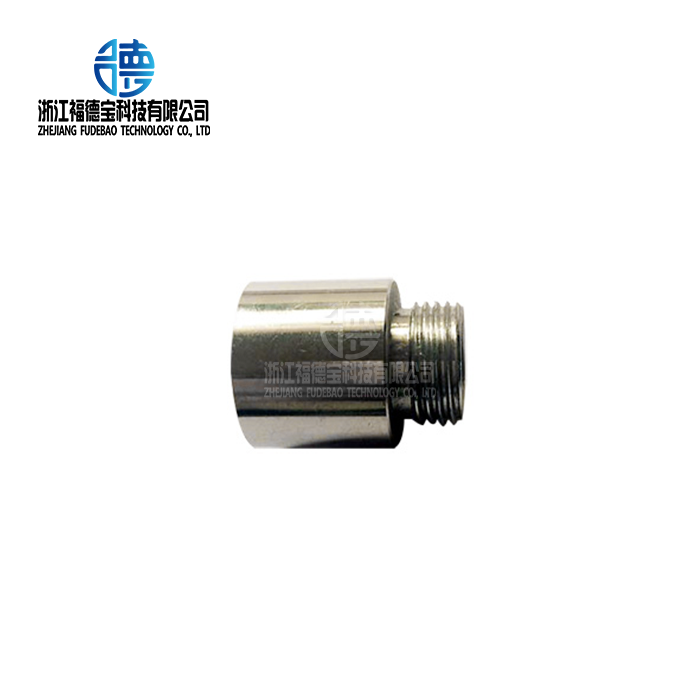
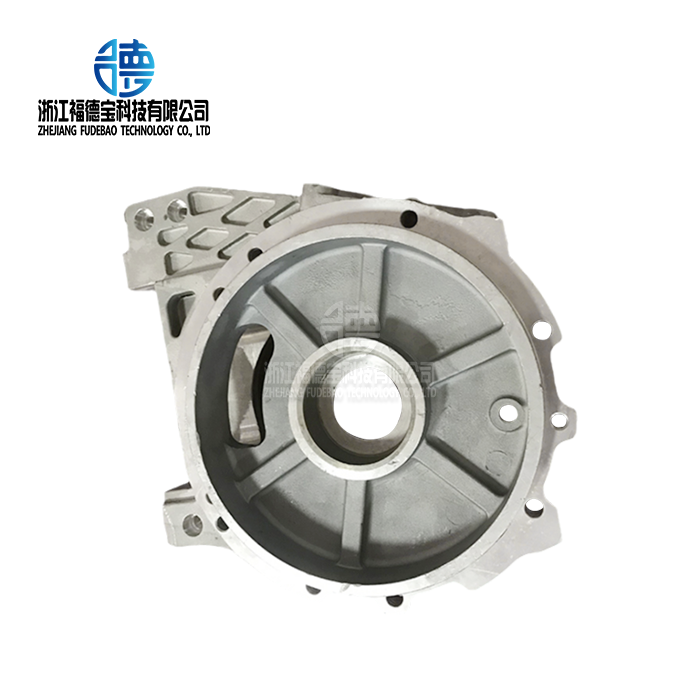
Fudebao Technology blends cutting-edge production skills with years of experience casting aluminum alloys and copper alloys. Our full-service production center has cutting-edge tools for melting, casting, finishing, and surface treatment, so we can give the whole process from blank to finished product in one stop. We serve demanding uses in the automobile, aircraft, and industrial sectors, where our precision can reach ±0.05mm. Get in touch with hank.shen@fdbcasting.com to talk about your low pressure casting provider needs and find out how our optimization skills can help you get better parts at lower costs.
References
American Foundry Society. "Low Pressure Casting Process Optimization Guidelines." Foundry Management & Technology, 2023.
Zhang, L. and Martinez, R. "Yield Improvement Strategies in Aluminum Casting Operations." International Journal of Metalcasting, 2022.
Industrial Casting Research Institute. "Process Parameter Effects on Casting Quality and Yield Rates." Manufacturing Engineering Quarterly, 2023.
Thompson, K. "Advanced Mold Design for Low Pressure Casting Applications." Foundry Trade Journal, 2022.
European Foundry Association. "Best Practices for Aluminum Alloy Casting Optimization." Technical Publication Series, 2023.
Manufacturing Technology Review. "Automation and Quality Control in Modern Casting Operations." Industrial Production Handbook, 2022.



_1756352472762.webp "steel threaded plug")
_1756349957728.webp "metric v belt pulley")
_1756349862928.webp "belts pulleys")