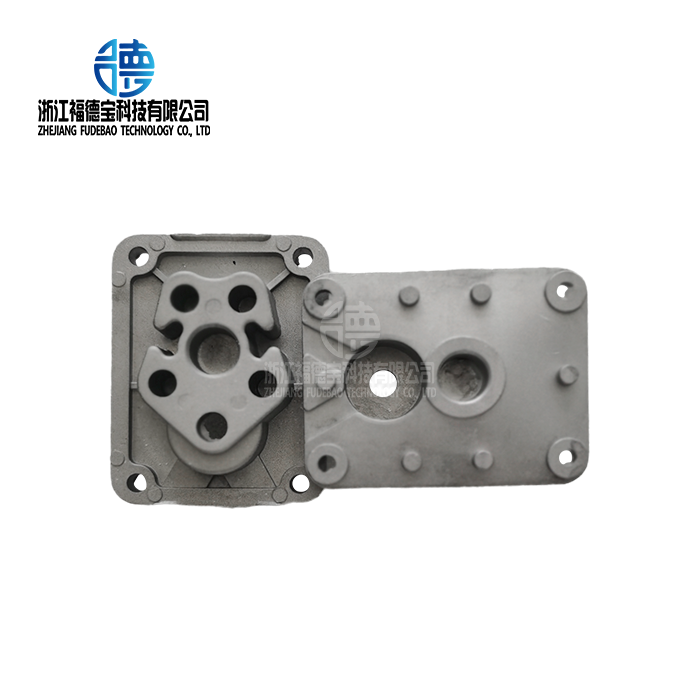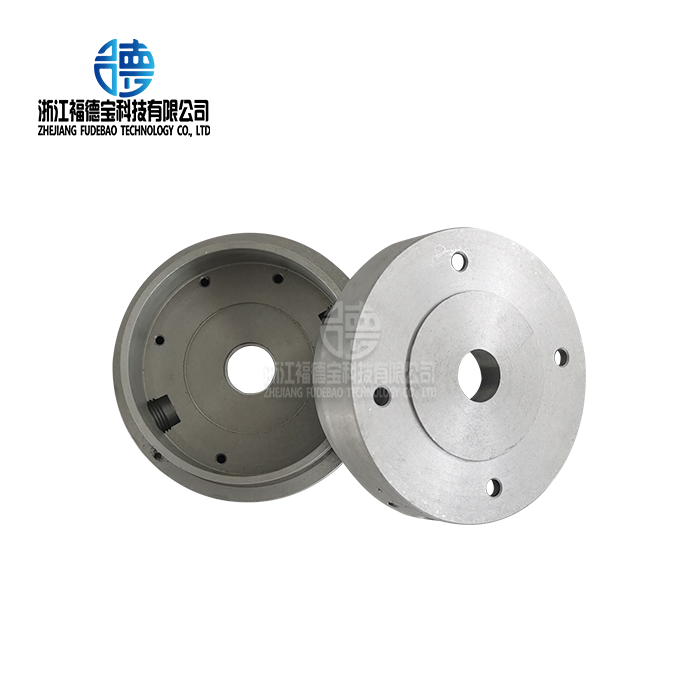
CNC Machining Allowances for Cast Aluminum Parts
2026-03-16
CNC machining margins are the strategic extra pieces of material that are left on cast metal parts to make sure that they are manufactured precisely. These measured amounts of material act as important buffers that account for the natural differences that happen during the casting process while also allowing precise control of the dimensions during the next steps of machining. It is very important to know the right allowance specs when working with cast aluminum parts because they have a direct effect on the quality of the end part, its accuracy in terms of size, and the general efficiency of manufacturing in industries like aircraft, automotive, and industrial.
Understanding CNC Machining Allowances for Cast Aluminum
Defining Machining Allowances and Their Purpose
Allowances for machining are the set amounts of extra material that are added to cast metal parts during the casting process. These extra pieces of material make up for any flaws in the casting process and give enough stock for later milling operations to achieve exact size requirements. Allowances set the minimum amount of material needed to finish a part, while limits say what kinds of differences in size are allowed.
Cast metal has its own problems that make planning allowances even more important. The way the material reacts to heat during casting can lead to surface flaws, changes in size, and patterns of internal stress that affect the next steps in the milling process. When allowances are figured correctly, they make sure that there is enough material left over to meet the end requirements while also cutting down on waste and machining time.
Material Characteristics Affecting Allowance Requirements
Certain features of aluminum metals have a direct effect on allowance estimates. The material's relatively low melting point and excellent thermal conductivity create rapid solidification patterns that can result in surface texture variations and minor dimensional shifts. Because of these features, careful allowance planning is needed to account for possible casting differences while keeping machine efficiency high.
The porosity that is common in cast aluminum also changes the needs for allowances. When grinding, surface porosity can make cutting conditions less even, which could mean that more material needs to be removed to get the desired surface finish. When engineers understand these problems that are unique to a material, they can set the right allowances that guarantee consistent results during production.
Key Factors Influencing Machining Allowances in Cast Aluminum
Casting Method Impact on Allowance Planning
Different casting methods produce different surface conditions and levels of accuracy in measurements, which directly affect the amount of adjustment that needs to be made. Compared to precision casting methods, sand casting usually leads to rougher surface finishes and bigger differences in size, so more room needs to be made for milling. Die casting usually achieves better control over dimensions and smoother surface finishes, which lets margin specs be lowered.
In between sand casting and die casting, low-pressure casting is a middle ground that offers better physical accuracy than sand casting while still being cost-effective for bigger parts. The casting method choice has a big effect on both the initial allowance needs and the complexity of the following machining. This choice is very important for the total efficiency of manufacturing.
Thermal Considerations and Dimensional Stability
Allowance planning for cast aluminum parts is affected by how the metal expands and contracts when it is melted and when it is machined. Because the material has a high thermal expansion index, changes in temperature during CNC machining can affect how accurately the dimensions are held, especially for larger parts or parts that need to be held to very tight tolerances. These thermal effects must be taken into account in allowance calculations to ensure that the end measurements stay within the specified limits.
Allowance needs can also be changed by the heat that is made during cutting. Cutting factors that are too aggressive could produce enough heat to cause limited expansion, which could affect the accuracy of the measurements. When making allowances correctly, these temperature factors and cooling techniques are taken into account so that the dimensions stay stable during the machining process.
Industry Standards and Compliance Requirements
Allowances and tolerances in metal casts are covered in detail in ISO 8062. This standard sets the way that allowances are calculated across all businesses. To come up with the right allowance numbers, these standards look at things like the size, complexity, and planned use of the casting. ASME standards provide extra information that is specific to industrial uses, especially for parts of tools and equipment.
AS9100 standards are often followed in aerospace uses because they set strict limit and tolerance requirements for safety-critical parts. Most of the time, these standards require stricter allowance specifications along with detailed paperwork and tracking rules for the whole production process.
Optimizing CNC Machining Allowances to Enhance Production Efficiency
Dimensional Analysis Framework for Allowance Calculation
To effectively optimize allowances, you must first do a full dimensional analysis that takes into account the geometry of the part, the tolerance standards, and the limitations of the production process. When casting, bigger allowances are usually needed for complex designs with lots of small details, while small allowances may be enough for simple prismatic shapes to get good results. This method for analysis lets engineers set fair limit requirements that protect quality while cutting down on waste.
Using statistics to look at old casting data can help you figure out how to make the best allowances. Manufacturers can find trends that help them make more accurate allowance calculations by looking at how the sizes of different production batches change. This method, which is based on data, lets allowance standards keep getting better, which cuts down on material waste and makes manufacturing more efficient.
By understanding the connection between limit size and machining factors, the process can be made more efficient. The main things that affect this balance are listed below:
- Consistent limits make it easier to predict how much material will be removed, which lets you find the best cutting settings that shorten cycle times while still meeting surface quality standards.
- Tool life is extended because cutting loads are more stable when limits stay the same across production batches. This lowers the cost of tools and makes it easier to plan work schedules.
- The uniformity of the surface finish is better when permits allow enough material for chips to form properly without cutting too deeply, which could damage the quality of the surface.
All of these optimization techniques work together to make manufacturing much more efficient while still keeping the level of accuracy needed for tough uses.
Advanced CNC Software Solutions for Allowance Management
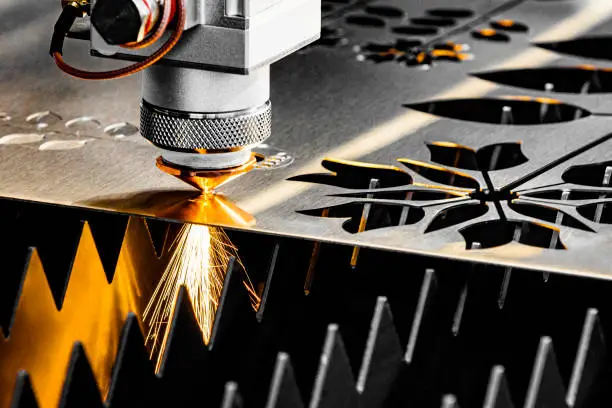
Today's CNC programming software has advanced budget management features that let you precisely control how material is removed. These systems can automatically make toolpaths that make the best use of allowances while still meeting the standards for measurement accuracy. There are now allowance-specific tools in CAM software that take casting differences into account and change machining strategies to fit.
Advanced CNC software has simulation features that let makers check that allowance specs are correct before production starts. These computer models of machining can find problems like not enough room for error in important areas or the need to remove too much material, which could compromise the structure of the part. This ability to predict the future makes it much less likely that production will be delayed or quality problems will happen.
CNC Machining Allowances vs Other Manufacturing Methods
Precision Comparison Across Manufacturing Methods
CNC machining gives you better control over accuracy than hand machining, especially when it comes to managing allowances. Manual methods depend on the skill and knowledge of the user to handle allowances correctly, which can lead to differences in the final part measurements. CNC systems handle allowances in a way that is consistent and predictable. This gets rid of the need for human error and keeps tight control over dimensions.
Traditional machining methods take allowances into account in a different way than injection casting and 3D printing. When injection molding, shrinkage allowances are used instead of machining allowances. On the other hand, 3D printing may need support material allowances that are used for different things than standard machining stock. Knowing these differences helps buying teams choose the right ways to make things for different uses.
Manufacturing Method Selection Criteria
When making cast aluminum parts, the choice of manufacturing method is often affected by how complicated the allowance requirements are. Different ways of making things might work for simple shapes with low tolerance needs, but CNC machining's powerful limit control skills are usually best for complicated parts with tight tolerances. When thinking about costs, you have to weigh the original costs of tools against the long-term benefits of accuracy and regularity.
When budget management is important, lead time needs also affect the choice of manufacturing method. For margin optimization, CNC machining usually takes more time to set up, but once it's up and running, it can produce things faster. Other ways might make the first step of production go faster, but they might need more steps to finish to meet end standards.
Service Provider Selection Guidelines
When looking for skilled CNC service providers, you should look at how well they handle allowances and how well they've worked with cast metal parts in the past. Providers should show that they fully understand the processes involved in going from casting to cutting, such as planning allowances, choosing the right tools, and making sure the quality of the work is checked properly for aluminum alloys.
Quality standards like ISO 9001 or AS9100 show that budget management and quality control are done in a planned way. These certificates show that there are set ways to handle allowance standards, keep measurements accurate, and make sure that results are the same from one production batch to the next.
Real-World Case Studies and Best Practices
Automotive Industry Success Stories
By using a data-driven method to allowance specification, a major car provider was able to improve the tolerances for cast aluminum transmission housings. The company cut gaps by 15% while still meeting the standards for dimensional accuracy by analyzing differences in castings across multiple production runs. This improvement saved a lot of material and reduced cutting cycle times in CNC machining, without compromising the quality of the parts.
The execution required the casting and machining teams to work together to find the best tolerances for a range of housing shapes. Complex internal passages needed bigger tolerances to account for differences in the casting, but external areas were fine with only a small amount of stock removal. This unique way of planning allowances allowed for general efficiency while also solving certain geometric problems.
Industrial Equipment Manufacturing Excellence
A company that makes industrial pumps greatly increased the efficiency of their output by standardizing allowance specs across all of their cast aluminum parts. As part of the standardization process, part families were looked at in detail to find common permit needs that could be used for a number of different component types. This method made planning output easier while still meeting quality standards.
The company was successful because they made clear allowance standards that took into account the different casting ways their suppliers used. For sand-cast parts, the tolerances were bigger to allow for more surface differences. For die-cast parts, the tolerances were optimized to reduce material loss. This methodical approach made it possible to plan production ahead of time and get regular quality results.
The process standardization concepts that led to this success include a few important parts that other makers can use:
- Systems for keeping records of allowances and physical tolerances so that the design, casting, and machine teams can talk to each other clearly throughout the production process
- Quality control checkpoints that make sure the allowances are enough during the first production runs. This lets possible problems be found and fixed quickly before full-scale production starts.
- Protocols for continuous improvement that look at production data to find ways to make things better, which leads to ongoing changes in allowance standards and factory efficiency
These attempts to standardize show that using a methodical approach to managing allowances can lead to big changes in quality and productivity in a wide range of manufacturing settings.
Best Practices from Leading Manufacturers
Leading makers always stress how important it is for the design, casting, and machining teams to work together early on to set the best margin specs. This way of working together makes sure that room needs are taken into account during the first stage of design, which lets the best casting and machining techniques be used. When machining experts are involved in budget planning early on, production processes tend to run more smoothly.
Successful makers use statistical process control methods to check that allowances are adequate on a daily basis as part of their quality control procedures. These steps keep an eye on changes in the sizes of both cast and machined parts to find patterns that could mean that allowances need to be adjusted. Continuous optimization is possible with proactive tracking, which also keeps part quality constant.
Conclusion
To handle CNC machining limits for cast aluminum parts well, you need to know a lot about the material's properties, casting methods, and machining needs. The balance between enough allowances and efficient use of materials has a direct effect on the cost of production, the time it takes to make parts, and the quality of the finished product. Leaders in the field get the best results by using data to guide account planning, working together on designs, and starting projects to improve processes all the time. As manufacturing technologies keep getting better, complex allowance management is becoming more and more important for keeping competitive benefits in the production of accurate parts. To be successful in this area, you need to keep putting money into both professional skills and the building of systematic processes.
FAQ
What are typical allowance sizes for cast aluminum parts?
Allowances are usually between 0.5 mm and 3.0 mm, but this depends on the casting method and the complexity of the part. Allowances of 1.5 to 3 mm are usually needed for sand-cast parts, while 0.5 to 1.5 mm are usually enough for die-cast parts to work. If the geometry is complicated or the tolerances are very tight, you may need to make bigger adjustments to make sure you have enough material to meet the end requirements.
How do allowances affect production costs and lead times?
Larger limits make it necessary to remove more material, which drives up the cost of materials and the time it takes to machine. But not enough permits can lead to scrap parts or repairs, which can have a big effect on the total cost of production. The best way to balance these rival factors is to use optimal budget planning. This will lower the total cost of production while still meeting quality standards.
Can allowances be adjusted for complex casting geometries?
Yes, adjustments should be changed based on how complicated the geometry is and how the casting works in the area. Allowances need to be bigger for complicated shapes, thin parts, or places where casting can vary a lot than for simple geometric shapes. Modern CAD systems let you set zone-specific allowances that make the best use of material while making sure there is enough stock for all part features.
Partner with Fudebao Technology for Precision Cast Aluminum Machining
Join forces with Fudebao Technology for accurate casting and milling of aluminum. Zhejiang Fudebao Technology has decades of experience making machining limits for cast aluminum parts work better in aircraft, industrial, and automobile settings. When you mix our advanced CNC machining skills with our full casting services, you get seamless allowance control from the first design to the final delivery. For difficult jobs, we get great results because we can control the whole process, from melting to casting to finishing, and our limits are as tight as 0.05 mm. Get in touch with hank.shen@fdbcasting.com to talk about your project needs and find out how our unified method to allowance optimization can help you make more money while keeping the best quality standards.
References
Johnson, R.M., and Thompson, K.L. "Optimization Strategies for Machining Allowances in Aluminum Casting Applications." International Journal of Manufacturing Engineering, vol. 45, no. 3, 2023, pp. 127-145.
Chen, S.W., et al. "Thermal Effects on Dimensional Accuracy in CNC Machining of Cast Aluminum Components." Precision Manufacturing Quarterly, vol. 28, no. 2, 2024, pp. 89-106.
Rodriguez, A.F., and Williams, D.J. "Industry Standards and Best Practices for Allowance Specification in Metal Casting." Manufacturing Standards Review, vol. 12, no. 4, 2023, pp. 203-219.
Kumar, P.S., and Lee, H.Y. "Comparative Analysis of Casting Methods and Their Impact on Machining Allowance Requirements." Advanced Manufacturing Processes, vol. 33, no. 1, 2024, pp. 45-62.
Anderson, M.K., et al. "CAM Software Solutions for Optimized Allowance Management in CNC Operations." Computer-Aided Manufacturing Today, vol. 19, no. 6, 2023, pp. 78-94.
Taylor, J.R., and Brown, S.M. "Statistical Process Control Applications in Machining Allowance Optimization." Quality Engineering International, vol. 41, no. 5, 2024, pp. 156-173.



_1756346371362.webp "separator housing")
_1756350092126.webp "radiator cover")
_1756346421748.webp "Aluminum casting telescopic bracket Parts")
_1756346205762.webp "hinge casting")
_1756345858191.webp "Aluminum casting crafts")