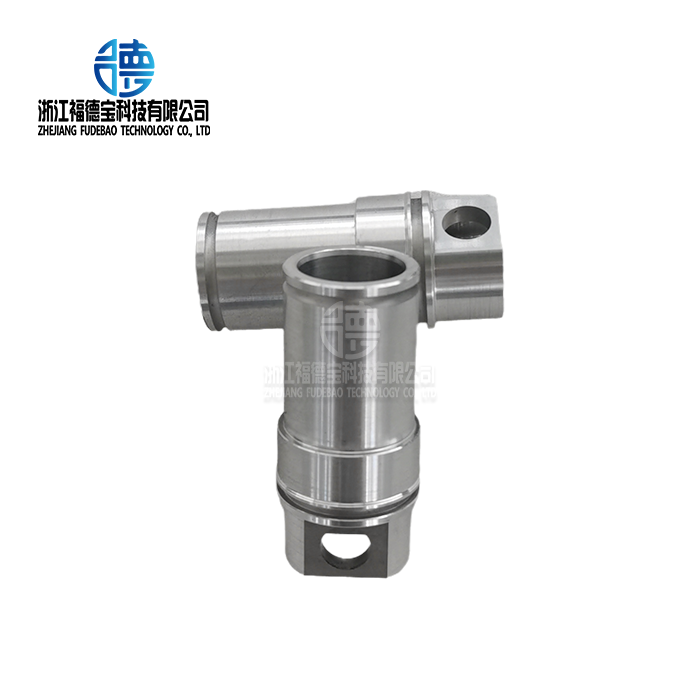
Strength and Durability: The Science of Alloy Copper Casting Aerospace Parts
2026-07-01
When aircraft engineers need parts for mission-critical uses, they choose copper casting because it has the best heat conductivity, corrosion protection, and structural stability of any material. Copper-based alloys, such as aluminum-bronze, nickel-aluminum-bronze, and cupronickel, have tensile strengths higher than 750 MPa and great anti-galling qualities that are needed in high-stress situations.
When compared to wrought making, the casting method allows for near-net-shape production of complex shapes, which drastically cuts down on machining time and material waste. This basic metalworking method solves problems in the aerospace industry by making it easier to machine complicated internal passages, making parts more resistant to cyclic fatigue, and making sure they work reliably in a wide range of temperatures, from cryogenic fuel systems to high-heat engine environments.
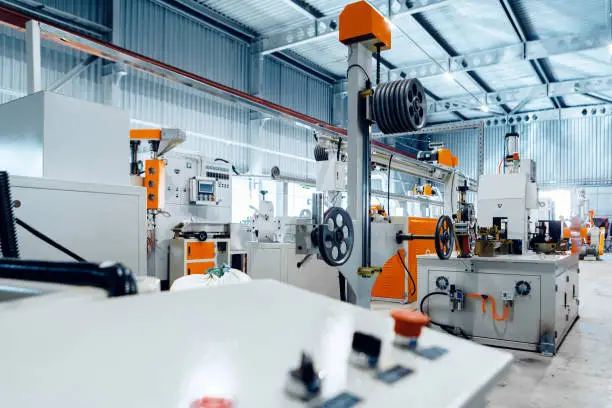
Understanding Alloy Copper Casting for Aerospace Applications
Why Copper Alloys Dominate Aerospace Manufacturing
Few materials can handle the practical demands that aerospace parts have to deal with. Aluminum and titanium aren't strong enough to compare to copper alloys when it comes to both mechanical strength and heat management. Bronze and brass casts are the only way to get electrical conductivity and load-bearing ability at the same time, like in generator housings or electrical bus bars. Because the material doesn't naturally crack under stress, it's needed for hydraulic valves and fuel system parts that come into contact with harsh fluids.
Different aircraft needs are met by investment casting, sand casting, and centrifugal casting. Investment casting makes complex valve bodies and connection housings with accuracy of ±0.05mm, which meets the standards of AS9100 for traceability. Sand casting is used for bigger structural parts like landing gear joints, where high compression strength keeps them from wearing out too quickly. Centrifugal casting spins molds under high G-forces to make dense, impurity-free cylindrical parts like bearing covers. This gets rid of any holes that could shorten the part's wear life.
The Casting Process: Precision at Every Stage
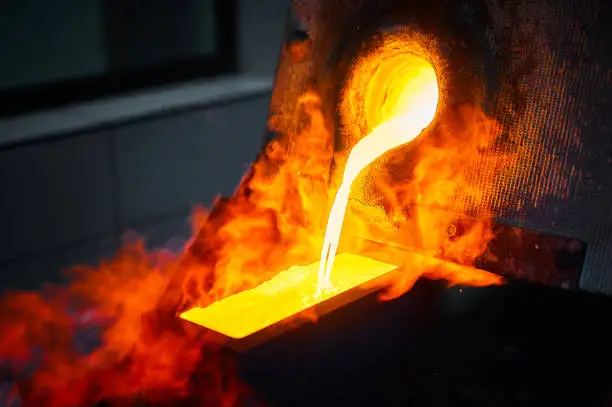
Controlling the temperature during melting affects the properties of the end product. To keep hydrogen gas from getting trapped inside aluminum-bronze alloys, which causes internal holes, they need to be carefully deoxidized with phosphor-copper additions. Mold materials, like clay shells for investment casting or bound sand for bigger parts, need to be able to handle pouring temperatures above 1100°C while still letting the metal solidify in a controlled way. Engineered gating systems allow directional cooling, which makes sure that the material solidifies gradually from thin parts toward feeds. This reduces the number of flaws caused by shrinkage.
Quality control starts when the pattern is being designed. Engineers figure out machining limits that are between 1.5 mm and 6 mm, based on the size of the part. They do this by weighing the promise of a clean, bright metal finish against the cost savings in materials. Before parts go through grinding, non-destructive testing methods like x-rays and ultrasounds make sure they are structurally sound on the inside. This strict method makes sure that the parts meet the requirements of ASTM B148 for aluminum-bronze casts and EN 1982 for chemical stability.
Overcoming Technical Challenges in Aerospace Castings
Porosity is still the biggest problem in copper casting. Gas porosity happens when hydrogen dissolves in liquid metal, and shrinking porosity happens when the metal doesn't get enough feed while it's solidifying. We deal with these problems by following strict melting procedures that include nitrogen-argon degassing, finding the best pouring temperatures, and using computer tools to figure out where to put the risers. This makes the material denser than 99.5%, which is very important for aircraft parts that need to hold pressure.
Cracks that form during solidification are called hot tearing, and they can damage thin-walled areas where heat stress is high. Picking the right alloy is very important here; nickel-aluminum-bronze is better at resisting hot tears than regular tin bronzes. In copper casting, strategic placement of chills in the mold design helps control temperature gradients, which is critical for preventing hot tears in complex shapes. Stress-relieving heat processes at 275°C get rid of any remaining stresses before the final machining. These rules make sure that parts can withstand proof testing at 150% of their original pressure without breaking.
Strength and Durability: Scientific Principles Behind Copper Alloy Casting
Metallurgical Properties That Define Performance
The texture of copper alloys has a direct effect on how they behave mechanically. When aluminum-bronze is cooled slowly, it forms a two-phase structure with kappa intermetallic precipitates and an alpha copper solid solution. This microstructure has tensile strengths of 620–750 MPa and stretch rates of 12–18%, so it is both strong and flexible. Hardness levels between 170 and 210 HB keep bearings from wearing out and keep the ability to be machined.
As-cast qualities are changed by heat treatment to achieve aerospace-grade performance. Solution annealing at 930°C and cooling break down brittle stages. Aging at 540°C then forms fine particles that make the material stronger. This process raises the yield strength by 30% compared to material that has already been cast. Fatigue resistance gets a lot better—aluminum-bronze parts that have been properly handled can survive over 10 million stress cycles at 60% of their ultimate tensile strength. This is important for parts that will be vibrating loads for the life of an airplane.
Corrosion protection comes from oxide layers that protect the metal. Cupronickel alloys create stable cuprous oxide films that protect against chloride attack much better than stainless steel in marine and coastal aircraft sites. Aluminum-bronze creates a strong layer of aluminum oxide that is not easily damaged by fuels that contain sulfur dioxide. These passive films fix themselves when they get broken, so they cover for a long time without needing to be coated regularly.
Comparative Advantages Over Alternative Methods
Forging aligns the grain flow with the shape of the part, which is good for uses with high loads and one-way stress. Forging, on the other hand, is not an efficient way to make the complex internal pathways that are needed in manifolds and junction blocks. When making complicated shapes, machining from billet loses up to 70% of the raw material as chips, but casting makes forms that are almost net and uses more than 85% of the raw material.
When making more than 50 units, the cost structure favors copper casting. Using the same tools for multiple batches lowers the cost of each part by a large amount compared to CNC cutting that takes a long time. When hours of five-axis programming and setup are taken away, lead times shorten when casting. Each casting exactly copies the pattern shape, which improves quality consistency. On the other hand, machining builds up tolerances by doing processes one after the other.
Selecting the Best Copper Casting Methods for Aerospace Components
Investment Casting for Precision Components
Investment casting is great for making complicated aircraft parts that need to be made with very precise measurements. The process starts with making wax patterns that are then put together in the shape of trees and covered with several layers of clay slurry. For copper casting, the clay cast is filled with molten copper alloy after it has been dewaxed and fired at a high temperature. Surface finishes can reach Ra 3.2 µm as-cast, which means that extra grinding processes are often not needed. Tolerances of ±0.13mm per 25mm length meet the needs of aircraft drawings without needing too much cutting.
This method works well for parts that weigh between 0.05 kg and 50 kg, like valve bodies, propeller hubs, and electrical link housings. Pattern development can take anywhere from 6 to 8 weeks, and it's more cost-effective to make more than 100 pieces at a time. Casting of high-copper alloys that are hard to make normally is possible because the materials are flexible. The process makes it possible to create features that can't be done any other way: zero-draft walls, internal cooling lines, and integrated mounting bosses cut down on the number of assembly parts needed.
Sand Casting for Large Structural Elements
Sand casting can handle parts that weigh more than 100 kg. Bonded sand molds can handle the temperature shock of large amounts of metal while still letting gases escape during filling. It can handle walls as thick as 6mm to 50mm, which makes it good for bearing housings, pump cases, and structural frames. To meet flight standards for surface finishes, they need to be machined, but large stock limits allow this to be done without running out of materials.
The economic split happens at lower numbers. Because of the lower cost of tools, sand casting can be done for 10 to 20 pieces. Pattern changes take days instead of weeks, which helps with iterative design improvement during development projects. When the gating design is right, the mechanical qualities match investment casts, which means the material is sound. Before investing in production tools for higher-volume methods, sand casting is a good way to make prototypes.
Evaluating Supplier Capabilities and Certifications
Aerospace copper casting suppliers must show that they have AS9100 approval, which means that their quality control systems meet aviation standards. AS9100 adds important standards to ISO 9001's basic process control, such as first article inspection reports (FAIR), material traceability to heat lot, and configuration management methods. Suppliers should keep an approved source list for raw materials and make sure that the metal chemistry meets AMS standards instead of general ASTM grades.
The ability to inspect sets approved sources apart from general foundries. Coordinate measuring tools (CMM) with measurement error less than 0.015 mm are used to make sure that the dimensions are correct. Spectrographic analysis proves chemistry within tight specification bands. For example, the amount of aluminum in aluminum-bronze needs to stay within the 0.5% range to keep the properties stable. Mechanical test labs that can do tension testing at high temperatures make sure that the product will work in real-world situations. Each shipment comes with a package of paperwork that includes material approvals, dimensional records, and non-destructive test results. This sets up the tracking chains that airworthiness authorities need.
Procurement Insights: Sourcing High-Quality Copper Castings for Aerospace
Critical Supplier Evaluation Criteria
Reputation in the aircraft supply chain is the first thing that is looked at. Suppliers who work with well-known OEMs have shown they can handle strict standards and close audit scrutiny. It's very important to have a lot of experience melting aerospace-grade alloys like cupronickel C71500 and aluminum-bronze C95800, which are different from market brass. In copper casting, experience with these specific alloys directly correlates with defect reduction and mechanical consistency. Look through seller customer lists for names of tier-1 aircraft companies. These names show that the supplier has been approved before, which speeds up the qualification process.
Assessing technical ability is more than just giving licenses. Ask for process flow models that show the steps for melting, filling, heat treating, and inspecting. Check to see if foundries use modeling software for gating design. Computational fluid dynamics can predict fill patterns and solidification, which saves money by avoiding expensive tooling rounds that are made by trial and error. Ask about the use of statistical process control; Cpk numbers above 1.33 show that the processes are stable and capable, and they are not likely to make nonconforming material.
Geographic Sourcing and Supply Chain Management
Nearby U.S. sources have benefits like faster lead times, better contact, and easier operations for prototype iterations. During the growth phase, regional foundries quickly adapt to changes in engineering. But global sourcing gives you more choices for capacity when production goes up and local facilities can't work around their schedules. Asian suppliers, especially those with certifications from the aerospace division, offer reasonable production costs for well-known designs with set specs.
To handle lead time, you need to know how casting schedules work. It takes 6–10 weeks to make a pattern, and then 4–6 weeks to ship the final forms for investment cast parts. There are rush fees for faster delivery, but delivery times are rarely cut below 50% of the normal time. Smart procurement sets up blanket purchase orders with set release dates. This lets foundries batch similar alloys and cut down on waste from changeovers. When compared to spot buying, this kind of cooperation usually leads to cost savings of 10 to 15 percent.
Balancing Cost, Quality, and Sustainability
Copper alloy prices change with the London Metal Exchange rates, and pricing models take into account the cost of materials, the wear and tear on tools, and the difficulty of the process. Investment copper castings cost more per pound than sand castings because they use ceramic shell materials and have longer cycle times. However, when cutting savings cancel out the higher casting price, the total cost of the part often favors investment casting. To find ways to save money, ask for specific cost estimates that separate material, tooling, processing, and checking.
Sustainability concerns are becoming more and more important in choosing a source. Foundries that use closed-loop water recycling, electric induction melting (instead of fossil fuel furnaces), and scrap recovery show they care about the environment, which is in line with what companies are required to do by their buying policies. Copper alloys are naturally environmentally friendly. The material can be recycled over and over again without losing any of its properties, and approved remelters bring used aircraft scrap back into the supply chain. Suppliers who keep track of the amounts of recycled content help you meet your Scope 3 emissions reduction goals while keeping the performance of the materials the same.
Conclusion
By carefully controlling the alloy chemistry, copper casting technology gives aircraft uses the strength, longevity, and dependability they need. Knowing the scientific rules behind the properties of materials helps procurement pros make smart buying choices that balance the need for efficiency with the need to save money. By choosing skilled sources with aerospace certifications, advanced skills, and a dedication to innovation, you can be sure that you can get parts that meet the highest standards in the industry. As metals get better and factories become more automated, aerospace supply chains will need to keep working with skilled copper casting makers to be successful in global markets that are becoming more competitive.
FAQ
What makes copper casting superior to machined components for aerospace parts?
Copper casting makes it possible to make parts with complicated internal shapes, like coolant tubes and built-in mounting holes, that would normally need a lot of multi-axis cutting or putting together of many separate pieces. In near-net-shape casting, the process cuts down on waste from 70% in block cutting to less than 15%. Casting also lets you use metals like aluminum-bronze that are hard to machine in other ways because they strengthen when they are worked on. Copper alloys that are properly cast and heat-treated have a better resistance to fatigue than materials that have been highly machined and have grain flow problems.
How do aircraft copper plates keep working well when the temperature is very high?
The mechanical features of copper alloys stay the same at temperatures ranging from -196°C to 400°C. At 300°C, aluminum-bronze still has 80% of its strength at room temperature, which is better than aluminum alloys. The material's high thermal conductivity (120–160 W/m·K) gets rid of areas of high heat, which keeps the material from wearing out too quickly. Copper alloys have thermal expansion rates that are very close to those of steel. This means that contact stresses are kept to a minimum in parts that will be thermally cycling during flight operations.
What licenses should I look for in copper casting suppliers?
It is required to have AS9100 approval, which confirms aircraft quality management systems that include tracking and controlling configurations. Accreditation by Nadcap for non-destructive testing shows that checking skills have been checked and approved by a third party. Instead of general market standards, suppliers of materials should show that their products meet AMS specs (like AMS 4880 for aluminum-bronze) with certificates. Make sure that the sellers you're working with have approved sources for their raw materials and can provide full tracking from casting records to original mill certificates for copper and alloying elements.
Partner with Fudebao Technology for Aerospace-Grade Copper Casting Excellence
Zhejiang Fudebao Technology is the best copper casting maker in China's metalworking business. They have high quality standards and work with customers in aerospace, automotive, and precision equipment. Our factory handles the whole production process, from induction melting and low-pressure and investment casting to CNC cutting and surface treatment. This makes sure that the dimensions are accurate to within ±0.05mm, which is very important for flight uses. We give parts that meet the traceability standards of AS9100 and the material specifications of ASTM B148 because we have high-speed machining centers and coordinate measuring tools.
From optimizing the design to production, our engineering team works with sourcing professionals, drawing on decades of experience in making aluminum-bronze, cupronickel, and other specialty alloys. As required by aircraft quality systems, we keep strict process controls in place. These include spectrographic analysis, non-destructive testing, and statistical process tracking. If you need prototype investment castings or large quantities of precision-machined parts, Fudebao Technology can help. They offer quick contact, competitive wait times, and the technical know-how to support your mission-critical applications.
Hank Shen, our aerospace solutions expert, can be reached at hank.shen@fdbcasting.com to talk about your copper casting needs. We'd love the chance to show you how our skills match up with your performance requirements and output standards. International aerospace providers trust Fudebao Technology as their copper casting seller for parts that can't fail. Visit fdbcasting.com to look at our technical tools and learn why.
References
1. Davis, J.R. (2001). Copper and Copper Alloys: ASM Specialty Handbook. ASM International, Materials Park, Ohio.
2. Campbell, J. (2015). Complete Casting Handbook: Metal Casting Processes, Metallurgy, Techniques and Design (2nd Edition). Butterworth-Heinemann, Oxford.
3. Kaufman, J.G. and Rooy, E.L. (2004). Aluminum Alloy Castings: Properties, Processes, and Applications. ASM International, Materials Park, Ohio.
4. Beeley, P.R. (2001). Foundry Technology (2nd Edition). Butterworth-Heinemann, Oxford.
5. American Society for Testing and Materials (2019). ASTM B148-19: Standard Specification for Aluminum-Bronze Sand Castings. ASTM International, West Conshohocken, Pennsylvania.
6. Society of Automotive Engineers (2018). AMS 4880: Aluminum Bronze Castings, High Strength. SAE International, Warrendale, Pennsylvania.



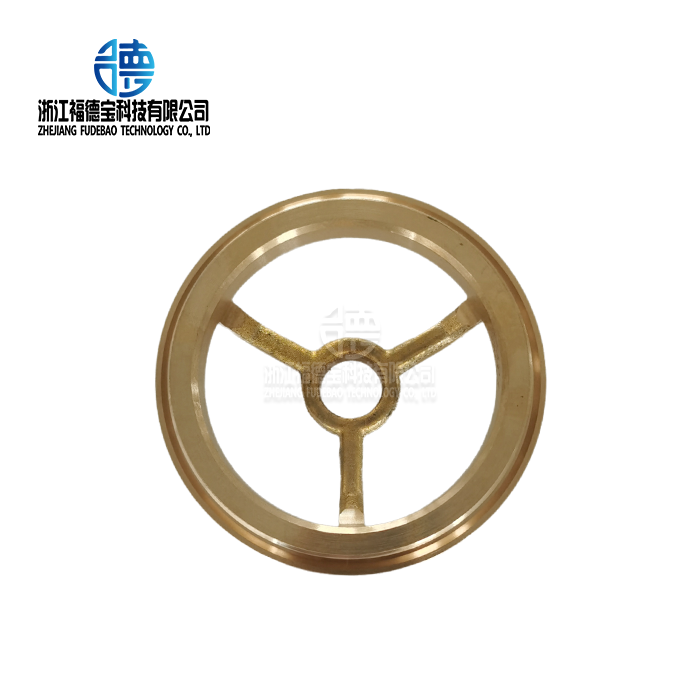
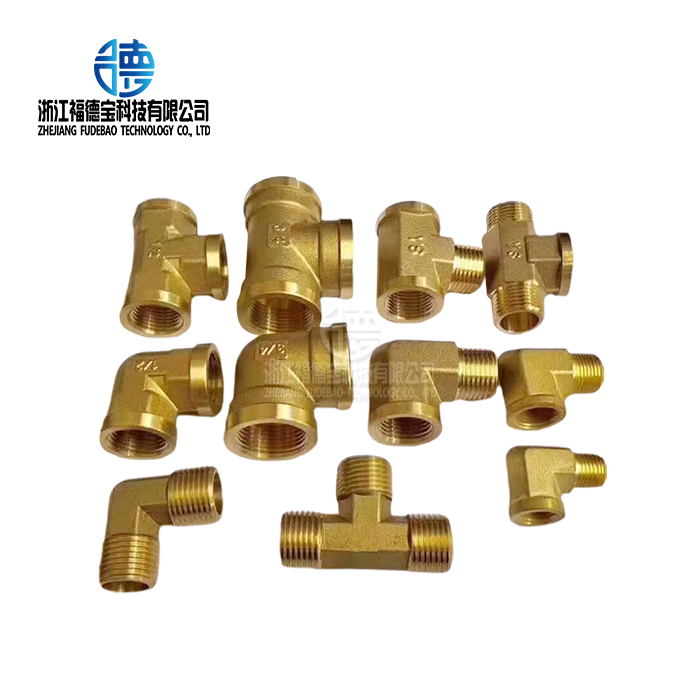
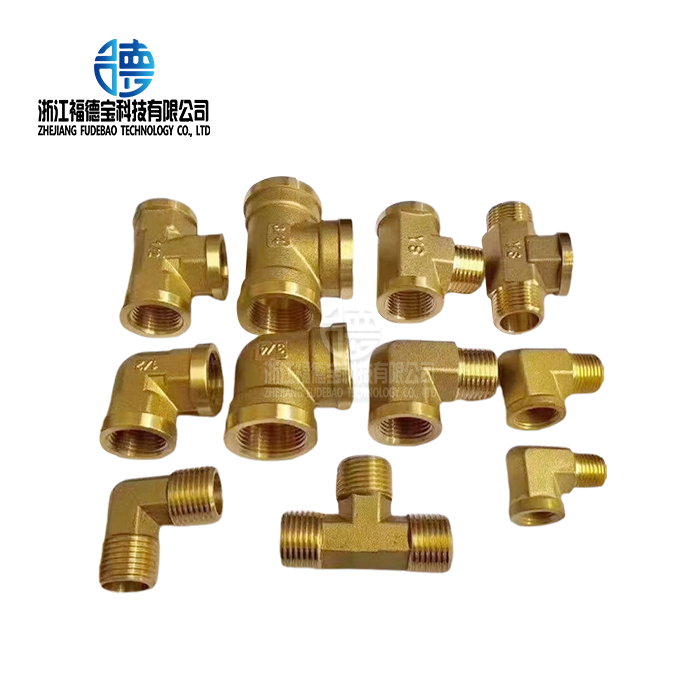
_1756348489473.webp "Automobile intake valve")
_1756348300182.webp "Aluminum die-cast housing")
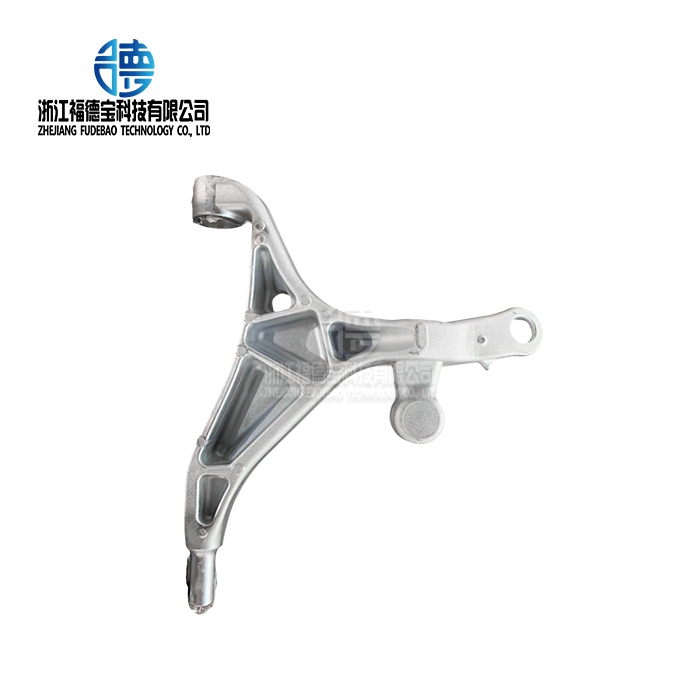
_1756346310015.webp "Aluminum castings Crane bracket")