Sand Casting vs Shell Molding for Steel Pump Bodies
2026-02-02
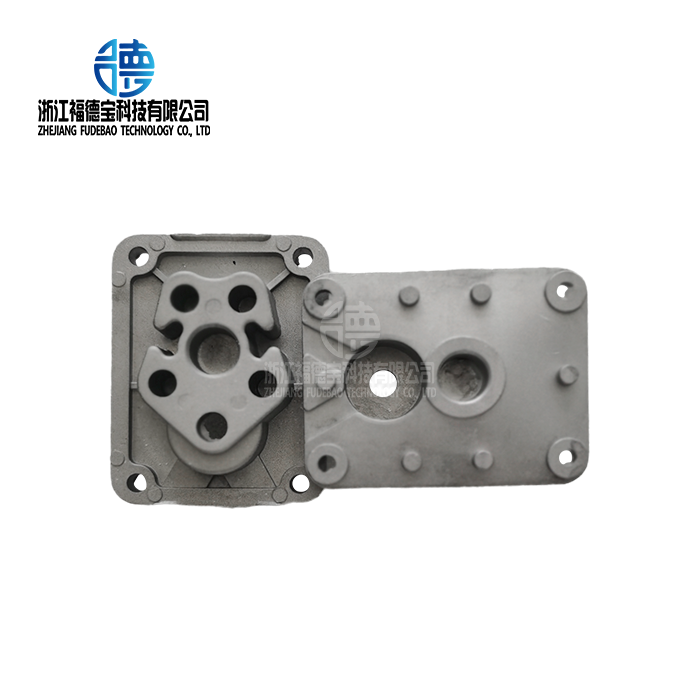
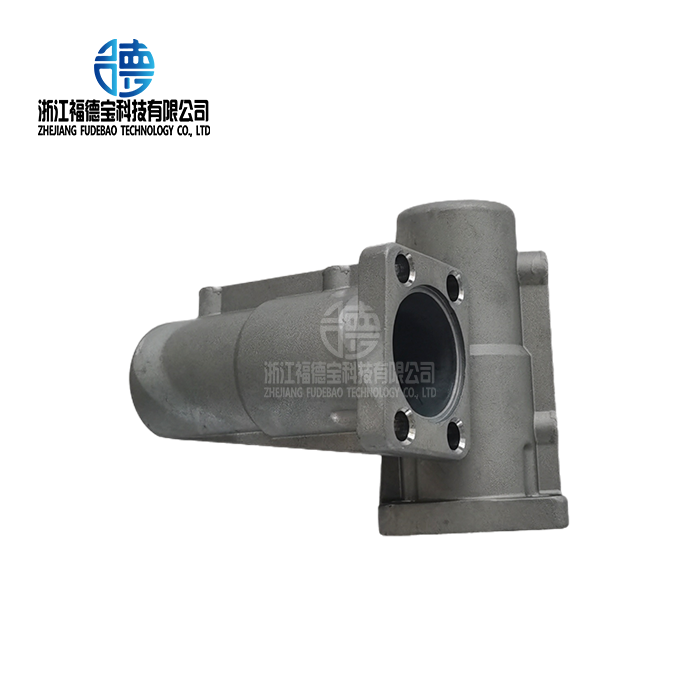
Manufacturers must make a crucial choice between sand casting and shell molding for steel pump bodies. This choice affects the quality of the product, the efficiency of production, and the total costs. Sand casting is very flexible and cost-effective for making complicated shapes and different amounts of product, which makes it perfect for custom pump uses. Precision-critical pump parts work better because shell molding gives them better measurement accuracy and surface finish quality. In the industrial machinery market, each way meets different needs. Which one to use depends on performance needs, production volumes, and quality standards.

Understanding the Basics of Sand Casting and Shell Molding
Sand Casting Fundamentals
Making molds out of loose sand mixes, like silica sand mixed with clay binders and water to make moldable materials, is called sand casting. This old-fashioned casting method works well with many types of steel and complicated shapes. This makes it especially useful for making custom pump bodies with lots of small holes and mounting points inside them.
The process starts with making a pattern. Next, sand mixes that are easy to shape around the pattern are used to prepare a mold. If you pour molten steel into a sand mold and let it cool, the mold will break away, exposing the cast pump body. This method can be used with a lot of different steel alloys, such as carbon steels, stainless steels, and special corrosion-resistant grades that are often used in pump uses.
Shell Molding Process Overview
Shell molding uses resin-coated sand to make a thin, rigid shell around a heated design. This makes mold cavities that are very accurate and easy to control in terms of size. In this method, the design is heated to around 200–300°C, the resin-coated sand is added, and the resin is left to harden into a strong shell structure.
When compared to traditional sand casting methods, the models that are made are more accurate in terms of size and have smoother surfaces. Shell molding is especially good at making pump bodies with tight specs and little need for machining. This is why it is becoming more and more popular for high-performance uses where accuracy directly affects how well the pump works and how long it lasts.
When procurement specialists understand these basic differences, they can match manufacturing capabilities with product specs and quality expectations, making sure that the best results are achieved for their specific pump body needs.
Comparison of Sand Casting and Shell Molding for Steel Pump Bodies
Quality and Surface Finish Characteristics
The changes in quality between these casting methods have a big effect on how well pumps work and what needs to be done afterward. Surface roughness from sand casting is usually between 200 and 400 microinches, so a lot of machining is needed to get areas that can be used for sealing and mounting.
Shell molding creates surfaces with better quality and roughness levels that are usually less than 125 microinches. This makes cutting much faster and requires less material removal. This better surface quality directly leads to better sealing and less wear in pump applications where surface integrity affects how well the pump works.
Another important quality factor is the accuracy of the measurements. For standard pump bodies, sand casting usually keeps tolerances of ±3-5mm, while shell molding always keeps tolerances of ±1-2mm. This edge in precision is especially useful for pump designs that need precise internal geometries for the best hydraulic performance.
Production Efficiency and Cycle Times
The efficiency of production varies a lot between these methods, and each has its own benefits based on the amount of work that needs to be done and how complicated the process is. It is possible for shell molding to finish cycles 25–40% faster than similar sand casting processes because it has better heat transfer properties and shorter cooling periods.
Sand casting, on the other hand, gives you more freedom to make design changes and test prototypes without having to spend a lot of money on new tools. For custom pump uses and low-volume specialty products, sand casting is a great choice because patterns can be changed quickly to fit new designs.
Cost Analysis and Economic Considerations
Total cost of ownership analyses show how things like the amount of work that needs to be done, the amount of materials that are used, and wait times affect purchasing strategies. Sand casting usually takes less money to buy the first tools, which makes it a good choice for smaller production runs and prototype development.
Shell molding needs more expensive patterns and special tools, but these investments usually pay off in the end with lower machining costs and higher return rates. Better surface quality and accuracy in measurements can get rid of the need for extra steps, which lowers the total cost of production for medium to high-volume uses.
This comparison based on data gives procurement workers all the information they need to choose the best process based on performance needs and supply chain limitations.
Criteria for Selecting the Right Casting Method for Steel Pump Bodies
Performance Requirements and Operating Conditions
To choose the right casting method, you need to carefully look at performance factors that have a direct effect on how reliable the pump is and how long it lasts. Corrosion resistance is very important in chemical processing and marine uses because the quality of the casting affects how well the part can handle harsh environments.
The amount of mechanical strength needed depends on the working pressures and hydraulic stresses that the pump has to deal with. Because the metallurgical structure is better and there are fewer holes, shell molding often creates better mechanical properties. This makes it good for high-pressure situations where the structure can't be compromised.
Surface integrity standards are very important for how well seals work and how long they last. Shell casting is a great way to control the size and quality of the surface of pump bodies that need to fit bearings, seals, and impeller assemblies precisely.
Volume Considerations and Production Scalability
The amount of casting that needs to be done has a big effect on which method is chosen, since each process has its own benefits at different levels of production. When tooling flexibility is more important than accuracy, sand casting is the best choice for small-batch customization and prototype development.
As production volumes rise, shell molding becomes more cost-effective as better repeatability and lower per-unit costs more than make up for higher beginning investments. Because the method can keep quality the same over long production runs, it's a good choice for standard pump designs.
Sustainability and Environmental Impact
When making modern purchasing choices, people are choosing casting methods that are better for the environment and last longer. Long-term running costs and corporate responsibility goals are affected by how easily materials can be recycled, how much energy they use, and how much waste they produce.
Because sand molds are only used once, sand casting makes more trash per casting, while shell molding's resin content limits the types of materials that can be recycled. These environmental factors help purchasing managers balance technical needs with goals for sustainability, making sure that the methods they choose are in line with the company's environmental policies and what the market expects.

Case Studies and Industry Applications
Automotive Industry Implementation
A major car supplier switched from sand casting to shell molding for water pump housings and was able to cut machining time by 35% and improve consistency in dimensions by 20%. The better surface quality got rid of the need for extra finishing steps, which cut down on production costs and made the parts more reliable.
It cost money to buy special tools and teach people on how to use them, but the payoff was seen 18 months later when efficiency went up and reject rates went down. Quality changes meant that warranty problems caused by porosity were no longer an issue, and sealing worked better in high-temperature situations.
Industrial Equipment Success Story
An industrial equipment maker improved the quality of their pump bodies by using both casting ways together, depending on the needs of the application. For consistency and efficiency, high-volume standard designs used shell molding. Custom configurations, on the other hand, used sand casting for freedom and the ability to make quick prototypes.
Overall production costs went down by 15% with this hybrid method, but delivery options for both standard and custom pump configurations stayed the same. The plan showed that knowing the strengths and weaknesses of each method is important for getting the best use of resources and keeping customers happy.
These real-life examples show how sand casting and shell molding have been used successfully to make steel pump bodies. They show the pros and cons of each method and how they can be used in real life, which procurement workers can use to help them make decisions.
Company Introduction and Product Service Overview
Zhejiang Fudebao Technology Co., Ltd. has become a world leader in precision casting and machining services, specializing in parts made of aluminum alloy, copper alloy, and stainless steel for the automotive, industrial equipment, and machinery production industries around the world. We have full manufacturing skills that cover the whole production range, from melting materials to treating the final surface.
Our modern building has important machines like high-speed machining centers, CNC lathes, low-pressure casting machines, and die casting systems. These machines allow us to provide full solutions, from raw pieces to finished products with accuracy up to ±0.05mm. This unified method works well for tough jobs like making precise parts for cars, housings for medical equipment, and parts for industrial pumps that need to be reliable and of high quality.
The company is skilled in more than just standard casting. They also offer advanced surface treatments and precision machining services that make parts work better and last longer. Our quality management systems are up to international standards. This makes sure that we always give parts that go above and beyond what customers expect, and our prices stay low.
Through strategic partnerships with international brands like American HAAS automation machine tools and ESS energy storage systems, Fudebao Technology has shown that it can be a direct supplier to global markets, cutting out the middleman and keeping quality standards high.
Conclusion
When choosing between sand casting and shell molding for steel pump bodies, there are a lot of things to think about, such as the performance requirements, the production volumes, the cost, and the quality standards. For complex geometries and changing production needs, sand casting is the most flexible and cost-effective option. Shell molding, on the other hand, gives you better accuracy in measurements and surface quality for precise uses. When procurement professionals understand these basic differences, they can make choices that improve both technical performance and economic efficiency. The choice comes down to finding the best balance between short-term cost concerns and long-term operational needs and quality standards.
FAQ
Which casting method provides better corrosion resistance for steel pump bodies?
Corrosion resistance depends primarily on steel grade selection rather than casting method, though shell molding's reduced porosity can enhance protective coating adhesion and overall corrosion performance in aggressive environments.
How do lead times compare between sand casting and shell molding?
Sand casting typically offers shorter lead times for prototype and low-volume production due to simpler tooling requirements, while shell molding may extend initial setup time but provides faster cycle times for volume production.
What design complexity limitations exist for each casting method?
Sand casting accommodates virtually unlimited design complexity including intricate internal passages and undercuts, while shell molding handles moderate complexity with superior dimensional control but may require design modifications for extreme geometries.
How do material waste levels differ between these casting processes?
Sand casting generates more waste material per part due to single-use molds, while shell molding produces less waste but includes non-recyclable resin components that require special disposal considerations.
Partner with Fudebao Technology for Your Steel Casting Needs
Choosing the right sand casting manufacturer requires expertise, advanced capabilities, and proven reliability in delivering precision components that meet your exact specifications. Fudebao Technology combines decades of foundry experience with cutting-edge equipment and quality systems to support your pump body production requirements. Our comprehensive services include design optimization, prototype development, volume production, and precision machining to deliver complete solutions that exceed industry standards. Contact hank.shen@fdbcasting.com today to discuss your specific casting requirements and discover how our expertise can enhance your product quality while optimizing production costs.
References
American Foundry Society. "Steel Casting Design Guidelines for Industrial Applications." Technical Publication Series, 2023.
Anderson, Michael K., and Sarah J. Thompson. "Comparative Analysis of Casting Methods in Pump Manufacturing." Journal of Manufacturing Processes, Vol. 45, 2023.
International Association of Foundry Engineers. "Surface Quality Standards for Cast Steel Components in Industrial Equipment." Technical Standards Manual, 2022.
Roberts, David L. "Cost-Benefit Analysis of Shell Molding versus Sand Casting in High-Volume Manufacturing." Industrial Manufacturing Review, 2023.
Steel Founders Society of America. "Quality Control Procedures for Steel Pump Component Casting." Manufacturing Guidelines, 2022.
Williams, Jennifer A., et al. "Environmental Impact Assessment of Modern Casting Processes in Industrial Manufacturing." Sustainability in Manufacturing Journal, Vol. 12, 2023.



_1756347888208.webp "New energy motor shell")
_1756352400994.webp "chassis enclosure")
_1756346570305.webp "Bracket aluminum casting")
_1756346205762.webp "hinge casting")