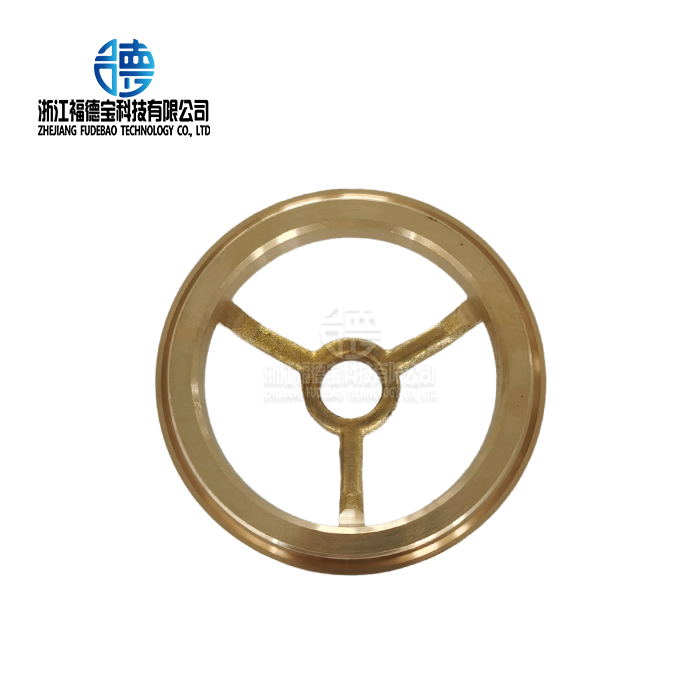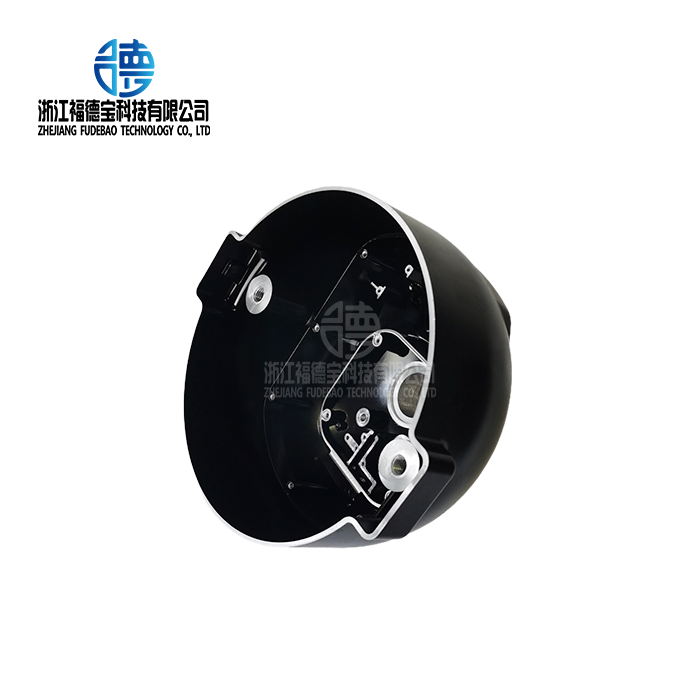
Your particular application requirements, manufacturing volume, and quality standards will all influence your decision between shell molding and sand casting. Shell molding offers better surface smoothness and dimensional accuracy for smaller, precise parts, whereas sand casting is excellent at creating huge, complicated components with affordable equipment for low to medium quantities. Engineering teams may make well-informed judgments that strike a balance between production costs and performance objectives by being aware of these basic distinctions.

Understanding Sand Casting Fundamentals
One of the most adaptable metal casting techniques used in contemporary production is sand casting. Using compacted sand as the main mold material, this foundry method forms molten metal into the appropriate components by forming cavities.The process begins with pattern creation, followed by flask preparation and green sand compaction around the pattern. For sand casting processes to be effective, the gating system design is essential. In addition to reducing porosity and shrinkage flaws, proper gate and riser location guarantees sufficient metal flow. By controlling the sand's ideal grain size, permeability, and moisture content, modern foundries are able to achieve exceptional consistency. Among the main benefits of sand casting are:
1. Exceptional design flexibility for complex geometries
2. Cost-effective pattern and mold development
3. Wide range of compatible alloys and metals
4. Scalable production from prototype to medium volumes
5. Minimal tooling investment compared to permanent mold processes
If you need large structural components or complex internal passages, sand casting offers unmatched design freedom and economic viability.
Shell Molding Process Overview
Sand covered with resin is used in shell molding, sometimes called shell mold casting, to produce thin, inflexible mold shells. Using this precision casting technique, metal designs are heated to between 200 and 300°C before being covered with combinations of resin-bonded sand. Excellent dimensional stability is provided by the resultant shell thickness, which normally falls between 8 and 15 mm. When compared to conventional green sand techniques, the shell molding process produces a surface with better quality. Surface roughness levels typically fall between 3.2 and 6.3 μm Ra, which is far smoother than the results of traditional sand casting.This enhanced finish often eliminates secondary machining operations for non-critical surfaces. Shell molding advantages include:
1. Exceptional dimensional accuracy (±0.3mm typical)
2. Superior surface finish quality
3. Reduced machining requirements
4. Consistent wall thickness control
5. Minimal draft angle requirements (0.5-1.0°)
The accuracy and consistency needed for demanding applications are provided by shell molding if you need precise components with tight tolerances and superior surface quality.
Process Comparison: Technical Performance Data
A key distinction between these casting techniques is dimensional precision. Shell molding often produces ±0.3-0.8mm accuracy, whereas sand casting usually reaches tolerances of ±1.5-3.0mm. Sand casting produces 12.5–25 μm Ra roughness, whereas shell molding produces 3.2–6.3 μm Ra values, according to surface finish measurements. Production cycle times vary significantly between processes. Sand casting cycle times range from 30-120 minutes depending on component size and cooling requirements. Shell molding cycles typically complete within 15-45 minutes due to improved heat transfer characteristics and reduced section thickness.| Parameter | Sand Casting | Shell Molding |
|---|---|---|
| Dimensional Tolerance | ±1.5-3.0mm | ±0.3-0.8mm |
| Surface Roughness | 12.5-25 μm Ra | 3.2-6.3 μm Ra |
| Cycle Time | 30-120 minutes | 15-45 minutes |
| Draft Angle | 1-3 degrees | 0.5-1 degree |
| Wall Thickness | 6-150mm | 3-50mm |
Cost Analysis and Economic Considerations
Initial tooling costs represent the primary economic difference between sand casting and shell molding. Because sand casting patterns are easier to build and use less materials, they usually cost 30–50% less than shell molding equipment. However, for medium to large volume manufacturing, shell molding's longer pattern life often offers superior long-term value. Sand casting is more cost-effective since it uses recyclable sand and less resin. Shell molding uses new resin-coated sand for every cycle, while green sand methods attain 95-98% sand reclamation rates. In situations involving big components or huge manufacturing volumes, this distinction becomes noteworthy.
The amount of labor needed varies according to quality standards and automation levels. Sand casting operations typically require more manual finishing work due to surface roughness and dimensional variations. Shell molding's superior as-cast quality reduces secondary operations, offsetting higher material costs through reduced labor content. Energy consumption patterns differ between processes. Shell molding requires additional heating for pattern temperature maintenance, increasing energy costs by 15-25% compared to conventional sand casting. However, reduced cycle times and improved yield rates can offset these energy expenses. If you need cost-effective production for large components or prototype quantities, sand casting provides optimal economic performance.

Automotive Industry Applications
Automotive manufacturers utilize both casting methods for different component categories. Sand casting dominates engine block, transmission case, and structural component production due to size capabilities and cost effectiveness. These uses make use of sand casting's capacity to create intricate cooling canals and interior passageways. Shell molding is used for precise automobile parts that need excellent surface quality and strict tolerances. Typical applications include valve bodies, small brackets, and mounting hardware where dimensional accuracy directly impacts assembly quality. The reduced machining requirements make shell molding economically viable for these components. PPAP documentation requirements favor shell molding for critical dimensions due to improved process capability indices.
For comparable dimensions, shell molding usually yields Cpk values between 1.33 and 1.67, while sand casting often yields values between 1.0 and 1.33. This statistical benefit lowers the need for inspections and streamlines quality documentation. Precision casting techniques are becoming more and more popular in weight optimization efforts. Shell molding helps achieve overall vehicle weight reduction objectives by allowing thinner wall sections without compromising structural integrity. For aluminum components that need to be both strong and lightweight, modern automobile lightweighting attempts often call for shell molding. Shell molding provides the accuracy and consistency required by automotive quality standards if you want automotive components with crucial dimensions and low post-processing requirements.
Industrial Equipment and Heavy Machinery
Industrial machinery applications favor sand casting for large, complex components. Pump housings, compressor bodies, and gearbox cases benefit from sand casting's size flexibility and design freedom. These applications often require thick sections and intricate internal geometries that challenge other casting processes. Heat resistance requirements in industrial applications align well with sand casting capabilities. The process accommodates high-temperature alloys and specialized materials required for extreme service conditions. Refractory materials and cooling strategies in sand casting support applications operating above 500°C continuously.
Flexible batch production represents a key advantage for industrial equipment manufacturers. Sand casting adapts easily to varying production volumes without significant tooling modifications. This flexibility supports custom equipment manufacturing and replacement part production with minimal lead times. Component size capabilities distinguish sand casting in heavy machinery applications. Parts weighing several tons remain feasible with appropriate foundry equipment and handling systems. Shell molding practical limits typically restrict components to under 50kg due to pattern heating and handling constraints. Sand casting offers the size capabilities and design flexibility needed for heavy-duty performance if you need big, robust components with intricate internal features for industrial applications.
Electrical and Energy Sector Requirements
For correct fit and electrical performance, accurate dimensional control is necessary throughout the production of electrical components. When manufacturing motor housings, electrical enclosures, and connector bodies with precise tolerances, shell molding performs very well.The superior surface finish reduces electrical leakage paths and improves component reliability. Thermal management applications benefit from shell molding's dimensional precision. Heat sink components and thermal interface parts require accurate surface profiles for optimal heat transfer performance. Shell molding achieves the geometric precision necessary for effective thermal management solutions. Corrosion resistance considerations influence material selection and surface quality requirements.
Corrosion-resistant metals may be used in both methods, but shell molding offers stronger baseline protection because to its improved surface quality. The smoother surface makes it easier to apply protective coatings and decreases contaminant retention. Conductivity requirements in electrical applications favor precision manufacturing methods. Shell molding's dimensional control ensures consistent electrical contact surfaces and reliable current paths. This precision becomes critical in high-current applications where resistance variations impact performance. If you need electrical components with precise dimensions and superior surface quality, shell molding provides the accuracy and consistency required for reliable electrical performance.
Aerospace and Defense Applications
Aerospace component requirements emphasize weight reduction, strength optimization, and dimensional precision. Shell molding supports these requirements through improved material utilization and reduced machining allowances. The process enables near-net-shape production of complex aluminum components for aircraft applications. Certification and traceability requirements in aerospace favor controlled processes with consistent results. Shell molding's superior process capability supports stringent quality requirements and reduces inspection burden. The improved dimensional consistency simplifies certification testing and documentation. Advanced inspection compatibility becomes crucial for aerospace components.
Shell molding's dimensional stability supports non-destructive testing methods including X-ray and ultrasonic inspection. The consistent material properties and reduced porosity improve inspection reliability and defect detection sensitivity. Material property optimization benefits from shell molding's controlled cooling characteristics. The uniform shell thickness provides consistent cooling rates, improving mechanical properties and reducing internal stress variations. This control becomes essential for aerospace components operating under extreme stress conditions. If you need lightweight, high-strength components meeting aerospace quality standards, shell molding delivers the precision and consistency required for critical flight applications.
Fudebao Technology Sand Casting Advantages
Fudebao Technology distinguishes itself as a leading sand casting manufacturer through comprehensive process capabilities and quality systems. Our integrated approach combines advanced foundry equipment with precision machining centers, supporting one-stop delivery from molten metal to finished components. Our sand casting capabilities include:
- Advanced green sand preparation systems ensuring optimal sand properties and consistency
- Automated molding lines supporting high-volume production with consistent quality
- Comprehensive pattern development services from concept through production tooling
- Multi-alloy melting capabilities including aluminum, copper, and specialized alloys
- Integrated heat treatment facilities for optimized mechanical properties
- Precision machining centers achieving ±0.05mm accuracy on cast components
- Complete surface treatment options including coating, plating, and anodizing
- Statistical process control ensuring consistent dimensional and metallurgical quality
- PPAP documentation support for automotive and aerospace applications
- Flexible production scheduling accommodating prototype through production volumes
- Advanced inspection equipment including CMM and metallurgical analysis capabilities
- Experienced engineering support for design optimization and cost reduction
Quality certifications demonstrate our commitment to excellence across multiple industries. Our ISO 9001:2015 certification ensures consistent quality management systems. Automotive applications benefit from IATF 16949 compliance, while aerospace components meet AS9100 requirements. Environmental responsibility guides our foundry operations through advanced filtration systems and material recycling programs. Our green sand reclamation achieves 96% reuse rates, minimizing waste and environmental impact.
Energy-efficient melting systems reduce carbon footprint while maintaining production flexibility. Technical expertise supports customer success through application-specific process optimization. Our metallurgical engineers collaborate with customers to optimize alloy selection, heat treatment, and machining strategies. This partnership approach ensures components meet performance requirements while minimizing total cost. Manufacturing flexibility accommodates diverse customer requirements from prototype quantities to high-volume production. Our scalable processes adapt to changing demands without compromising quality or delivery performance.

Conclusion
Sand casting and shell molding serve distinct roles in modern manufacturing, each offering unique advantages for specific applications. Sand casting excels in large, complex components where design flexibility and cost effectiveness drive decision-making. Shell molding provides superior precision and surface quality for smaller components requiring tight tolerances. Understanding these fundamental differences enables engineering teams to select the optimal process for their specific requirements, balancing performance needs with economic constraints. Success depends on matching process capabilities to application demands while partnering with experienced manufacturers who understand both technical requirements and industry standards.
Partner with Fudebao Technology for Superior Sand Casting Solutions
Selecting the right sand casting supplier determines project success across automotive, industrial, electrical, and aerospace applications. Fudebao Technology combines decades of foundry expertise with modern equipment and quality systems to deliver exceptional results for demanding applications. Our comprehensive capabilities eliminate the complexity of managing multiple suppliers. From initial design consultation through final inspection and delivery, our integrated approach ensures seamless project execution. This single-source advantage reduces coordination challenges while maintaining accountability throughout the manufacturing process. Quality assurance systems support the most demanding industry requirements.
Our statistical process control monitors critical parameters throughout production, ensuring consistent results batch after batch. Advanced inspection capabilities verify dimensional accuracy, mechanical properties, and surface quality before shipment. Global supply chain experience enables effective communication and project management across time zones and cultural differences. Our technical team provides responsive support during design development, production planning, and quality resolution activities. Ready to optimize your metal casting requirements with proven sand casting expertise? Our application engineers stand ready to evaluate your specific requirements and recommend the most effective manufacturing approach. Contact us at hank.shen@fdbcasting.com to discuss your project requirements and discover why leading companies choose Fudebao Technology as their preferred sand casting supplier.



_1756361423150.webp "Cryopump body")
_1756352625880.webp "plug stainless")
_1756352472762.webp "steel threaded plug")
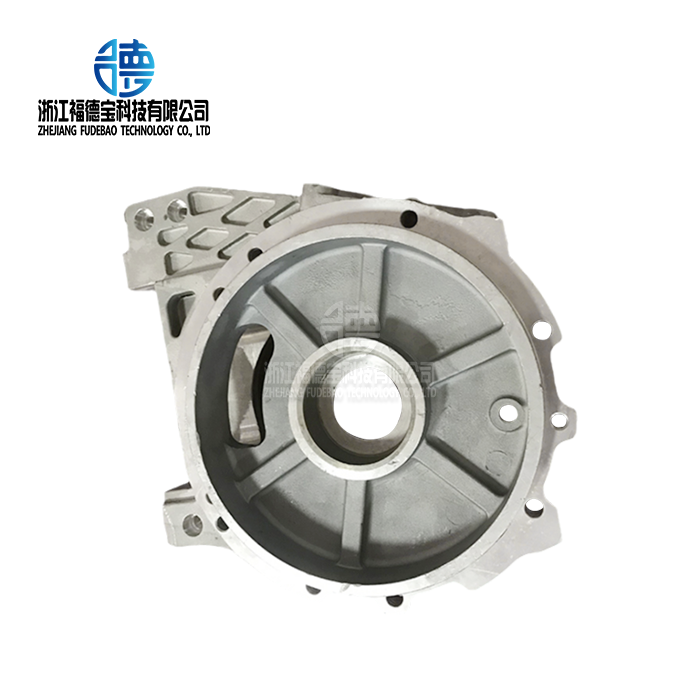
_1756348356531.webp "Automobile engine oil pan")
_1756346144394.webp "aluminum die casting hinge")