Sand Casting - Process, Sand Properties, Pros & Cons
2026-03-26
Sand casting represents one of the most versatile and enduring metal forming processes in modern manufacturing. This foundational technique utilizes bonded sand mixtures to create expendable molds, into which molten metal flows to produce complex components. Accounting for over 60% of all metal castings globally, this process eliminates the prohibitive tooling costs associated with die casting while accommodating massive component weights ranging from ounces to over 100 tons. The method's unmatched alloy flexibility allows casting of high-melting-point ferrous and non-ferrous metals, making it indispensable across automotive, aerospace, and industrial applications.
Understanding the Sand Casting Process
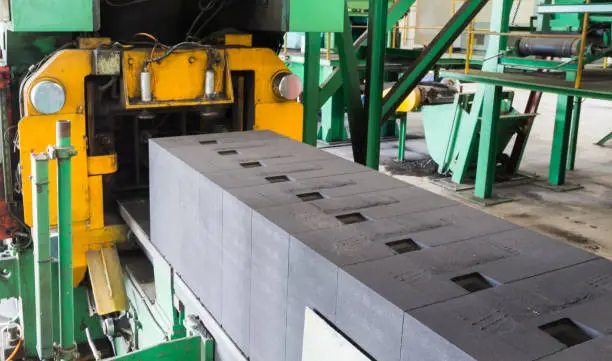
A carefully planned series of processes is used in the sand casting method to turn raw materials into precisely made parts. This tried-and-true method is very flexible and can be used to make complicated shapes that would be hard to make or not possible cheaply using other methods.
Pattern Creation and Mold Preparation
The casting cycle starts with pattern development. Skilled workers then use wood, metal, or advanced polymer materials to make copies of the desired part. These models include important parts like draft angles, machining limits, and gating systems that make sure the metal flows smoothly when it's poured. The correctness of the pattern's measurements has a direct effect on the quality of the final casting, so it's important to pay close attention to shrinkage adjustment and thermal expansion.
After the pattern is finished, the mold hole is made by packing specially made sand mixes around the pattern. This is called mold preparation. For instant use, green sand casting uses clay-bonded mixes that contain water, while resin sand systems use chemical binders that cure to provide better dimensional stability and surface finish quality.
Metal Pouring and Solidification Control
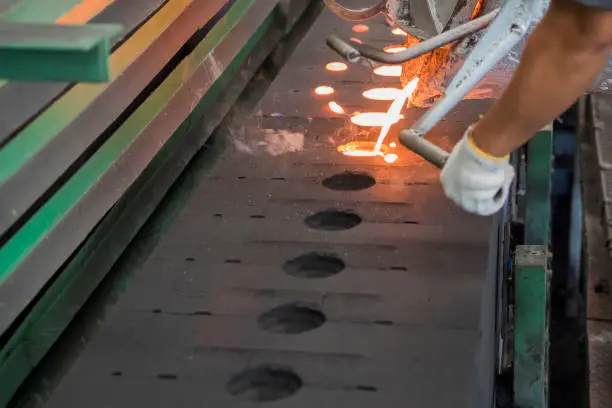
For the best results, you need to carefully control the temperature and time during the pouring step. Depending on the material, molten metal temperatures usually run from 1200°C to 1650°C. Defects like cold shuts and incomplete filling can be avoided by carefully watching the process. Modern foundries use automatic casting systems that keep flow rates steady and reduce turbulence, which lowers the risk of oxide inclusions and gas porosity.
As the metal inside the mold changes from a liquid to a solid, it's important to keep an eye on the solidification process. Managing the cooling rate by placing chillers, risers, and feeding systems in a smart way makes sure that the material solidifies in a way that reduces internal stresses and stops flaws caused by shrinking. For big parts, this step usually takes a few hours, and foundry workers keep an eye on thermal gradients to make sure the mechanical qualities are at their best.
Essential Properties of Sand in Casting
The quality, accuracy, and dependability of finished parts in sand casting are directly related to how well the casting sand works. When procurement workers know about these basic features, they can choose the right sand solutions to meet their quality standards and manufacturing goals.
Physical and Chemical Characteristics
This is one of the most important properties of sand because it determines how well the mold can let the gases that are made when metal is poured escape properly. This property, which is measured in standard permeability units, stops gas-related flaws like blowholes and pores that weaken the casting's integrity. Permeability ratings for silica sand are usually between 50 and 200 units, while synthetic options like olivine sand work better in some situations.
The sand's refractoriness tells us how well it can withstand high temperatures and chemical reactions with molten metal. Good silica sand can survive temperatures above 1600°C without breaking down much, so the mold body stays intact during the casting process. The spread of grain size affects both permeability and surface finish. For example, smaller sands make casting surfaces smoother, but they let less gas through.
Binder Systems and Additives
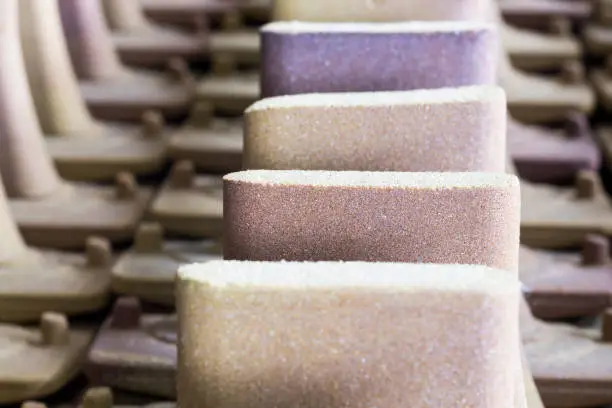
Modern foundries use complex binder methods to get the best output out of the sand. Bentonite clay is the main ingredient in green sand systems. It gives the mixture the flexibility and strength needed for mold handling while still letting enough water pass through. The amount of bentonite usually runs from 6 to 10 percent by weight, and the amount of water is carefully kept between 3 and 5 percent to get the best molding qualities.
Furan, phenolic, or ester-cured resins used in chemical binding systems give better performance in tough situations. These systems harden through catalytic processes, making molds that are strong, stable in shape, and have great surface finish capabilities. Iron oxide, coal dust, and special anti-veining chemicals are some of the additives that improve performance by making the surface better and stopping metal from penetrating it.
Pros and Cons of Sand Casting
While sand casting has clear benefits in some production situations, it also has some issues that need to be carefully thought through when choosing a process. Knowing about these trade-offs helps people make smart choices that improve both technical success and economic results.
Key Advantages and Applications
When you think about how much tools cost and how flexible output can be, the economic benefits of this process are clear right away. Pattern costs are a small part of the investment needed for fixed tools. This means that sand casting can be used for low to medium production runs without breaking the bank. This cost benefit is especially helpful during the development stages of a product, when design changes are typical.
Sand casting stands out from many other methods due to its capacity for geometric complexity. A lot of the time, internal holes, undercuts, and complicated surface features that would need to be machined or joined together multiple times would be able to be cast as a single piece. Automotive engine blocks are a good example of this benefit because they have complicated fitting and cooling channels that could not be made with traditional cutting alone.
Being able to work with a wide range of materials lets casting be used for more things. Sand casting techniques can be used to successfully process high-temperature superalloys, tool steels, and specialized copper alloys that are hard to work with with other casting methods. This adaptability is very important in aircraft uses where using rare materials can greatly improve performance.
Limitations and Mitigation Strategies
When comparing sand casting to more precise methods like die casting or investment casting, the main problem is the quality of the surface finish. Surface roughness levels usually fall between 6.3 and 12.5 Ra (microns), which means that important areas need to be machined afterward. Modern resin sand methods and advanced casting techniques, on the other hand, have made it possible to get much better surface quality.
Sand castings usually meet ISO 8062 CT10–CT13 class tolerances, so dimension tolerances are another factor to take into account. Even though they work fine for many uses, precision parts often need to be machined after they are cast to get the right fits and gaps. These problems can be fixed by using strategic design methods that reduce the size of important parts and include large cutting tolerances.
To keep defects from happening, you need to carefully control the process and use quality management tools. Porosity from not enough air flow, sand particles from cast erosion, and differences in size from pattern wear are all common problems. These risks can be kept to a minimum while keeping consistent output quality by putting in place strong quality control methods and preventative maintenance programs.
Sand Casting Compared with Other Manufacturing Methods
When choosing a manufacturing method, it's important to look at all of the technical skills, economic factors, and output needs. This process of making things called sand casting is one of a kind because it has specific benefits in some situations but also drawbacks in others.
Comparative Analysis with Alternative Processes
Die casting gives you better control over the dimensions and finish of the part's surface, but you have to pay a lot of money up front for the tools needed, which can be over $100,000 for complicated auto parts. Depending on the complexity of the part, the break-even point is usually between 10,000 and 50,000 pieces. This means that sand casting is cheaper for smaller production runs. Also, die casting only lets you use metals with lower melting points, like aluminum, zinc, and magnesium.
When you use investment casting, you can get a very smooth surface and exact measurements, even for complicated shapes and rare materials. But the cost of the clay shell and the longer cycle times make the prices per piece much higher. It is still cheaper to use sand casting for parts that weigh more than a few pounds, since investment casting costs too much.
CNC cutting from solid billets gives you the best control over dimensions and surface finish, but it wastes a lot of material and takes a long time to make complicated parts. When you use sand casting for near-net form production and finish machining together, you get the best use of materials, accurate measurements, and lower total manufacturing costs.
Strategic Process Selection Criteria
Volume needs have a big impact on process selection choices. Sand casting works best when the number of pieces made each year is between 100 and 10,000. This is because machine amortization is easy to handle and piece costs are reasonable. For higher numbers, investments in die casting may be worth it, but for prototypes and very low quantities, machining or 3D printing may be better.
Process effectiveness is often determined by the size and weight of the parts. While die casting cannot be used for parts heavier than about 100 pounds because of machine limits, sand casting can handle parts from ounces to several tons without making major changes to the process. A few examples of things that can only be made by sand casting are large pump housings, naval blades, and industrial valve bodies.
Procurement Insights: Choosing the Right Sand Casting Supplier
The choice of supplier for sand casting has a big effect on the success of the project. It affects everything from the quality of the parts and how well they are delivered to the project's long-term cost competitiveness. Setting review standards that include technical skills, quality processes, and operational excellence is the best way to make sure that relationships work well and offer long-term value.
Technical Capability Assessment
The review of manufacturing capacity should look at both the equipment's skills and the production volume's flexibility. Modern sand casting plants usually have automatic molding lines, induction melting systems, and built-in heat treatment tools that make sure the quality and performance of the products are always the same. Core-making skills are especially important for parts that need internal holes or complicated shapes.
Metallurgical knowledge is a key factor that sets casting providers apart from each other. The performance and dependability of a part are directly affected by how well you can create the best alloy compositions, manage the settings for solidification, and use effective heat treatment processes. Suppliers that have their own metals labs and qualified materials experts show that they have the technical depth needed for tough jobs.
Quality management systems show how committed a seller is to delivering regular results. ISO 9001 certification is the basic requirement, while certifications specific to an industry, like ISO/TS 16949 for automotive uses or AS9100 for aerospace, show that the company has specialized knowledge. The ability to do PPAP (Production Part Approval Process) is very important for car suppliers who need to keep a lot of paperwork and proof.
Partnership Development Strategies
Location affects both the cost of services and how well people can communicate. When it comes to design optimization projects, working with regional sources can be helpful because they often offer lower shipping costs, shorter lead times, and easier ways for people to work together. If you need a lot of something, though, global buying might save you money because the piece price savings are greater than the costs of transportation.
The ability to work together technically is what sets special sellers apart from commodity providers. Being able to take part in design studies, suggest ways to improve manufacturing, and offer value engineering advice builds relationships that go beyond just buying things. Suppliers who offer combined machining can make supply chains more efficient and make sure that the casting and finishing processes work well together.
Conclusion
A fundamental manufacturing method that provides great value in a wide range of industrial settings, sand casting is still used today. The method's natural adaptability, low cost, and ability to work with a wide range of materials make it essential for making complex parts that would be hard to make or not possible cheaply using other methods. Surface finish and dimensional accuracy limits need to be thought about, but these problems can be solved by strategically integrating post-casting machining processes. To be successful, you need to carefully choose your suppliers, paying special attention to their technical skills, quality systems, and ability to work with you to make the best parts perform better and lower your total cost of ownership.
FAQ
What distinguishes green sand from resin sand casting systems?
Green sand uses clay binders that have a fixed amount of wetness. It can be used for standard tolerance applications and high-volume production at a low cost. It costs more to make resin sand systems because they use chemical agents that cure to give better shape accuracy, a smoother surface, and stronger molds for big or complicated parts.
How can gas porosity defects be prevented in casting operations?
To stop gas porosity, you have to carefully manage a lot of different factors, such as optimizing the permeability of the sand, planning how to vent the mold strategically, and degassing the hot metal. Using the right sand blend, venting ducts, and degassing agents can get rid of hydrogen and other gases that cause porosity problems.
What minimum wall thickness limitations apply to sand cast components?
Minimum wall thickness varies depending on the material and the shape of the part, but it's usually between 3 and 5 mm for non-ferrous metals and 5 to 9 mm for ferrous alloys. Thinner parts run the risk of not filling completely because the metal solidifies too quickly, but strategic design methods can sometimes make walls thinner in certain situations.
Partner with Fudebao Technology for Superior Sand Casting Solutions
Fudebao Technology delivers comprehensive sand casting manufacturing excellence through our integrated aluminum alloy, copper alloy, and stainless steel casting capabilities. Our facility features advanced low-pressure casting machines, high-speed machining centers, and precision CNC equipment that support complete "melting-casting-finishing-surface treatment" operations with tolerances reaching ±0.05mm. As a trusted sand casting supplier to global automotive, industrial equipment, and aerospace sectors, we provide seamless one-stop delivery from raw materials to finished components. Contact hank.shen@fdbcasting.com today to discover how our proven expertise can optimize your manufacturing requirements and accelerate project success.
References
Campbell, John. "Complete Casting Handbook: Metal Casting Processes, Metallurgy, Techniques and Design." Butterworth-Heinemann, 2015.
Brown, John R. "Foseco Foundrymanās Handbook: Facts, Figures and Formulae." Butterworth-Heinemann, 2000.
Beeley, Peter. "Foundry Technology." Butterworth-Heinemann, 2001.
Stefanescu, Doru M. "Science and Engineering of Casting Solidification." Springer, 2009.
American Foundry Society. "Sand Casting Manual." American Foundry Society Technical Publications, 2018.
Dieter, George E. "Mechanical Metallurgy: SI Metric Edition." McGraw-Hill Education, 1988.



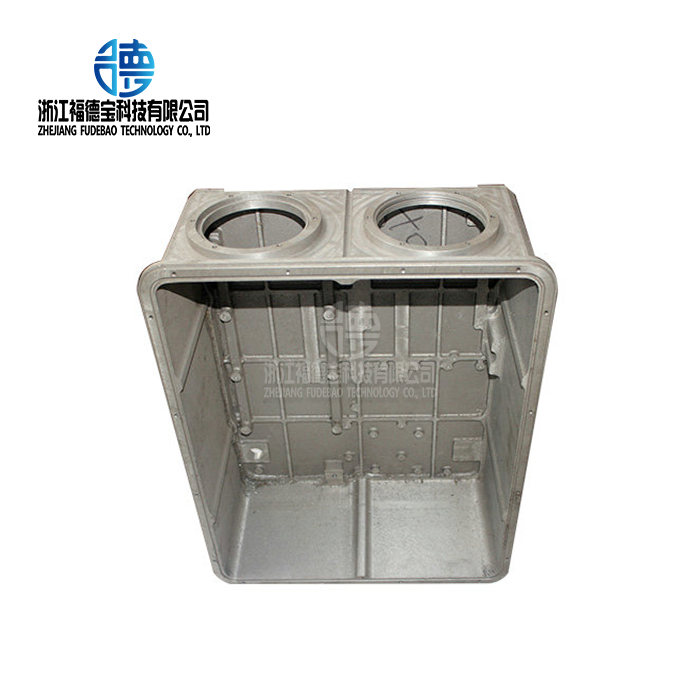
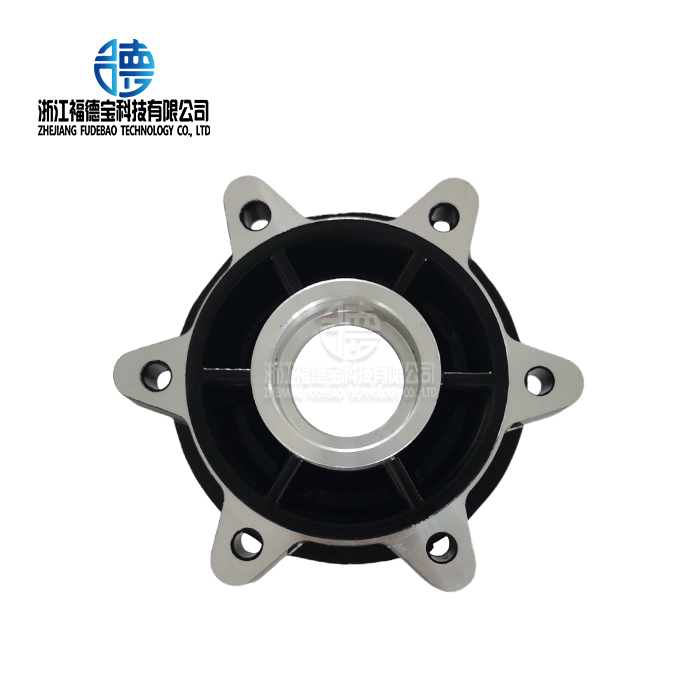
_1756349146076.webp "Lawn mower case casting")
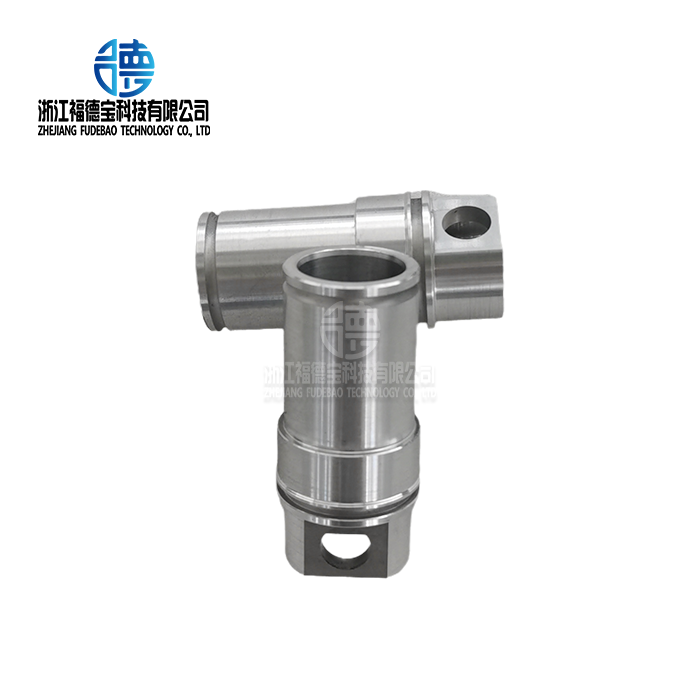
_1756349002499.webp "Aluminum alloy clamp casting")
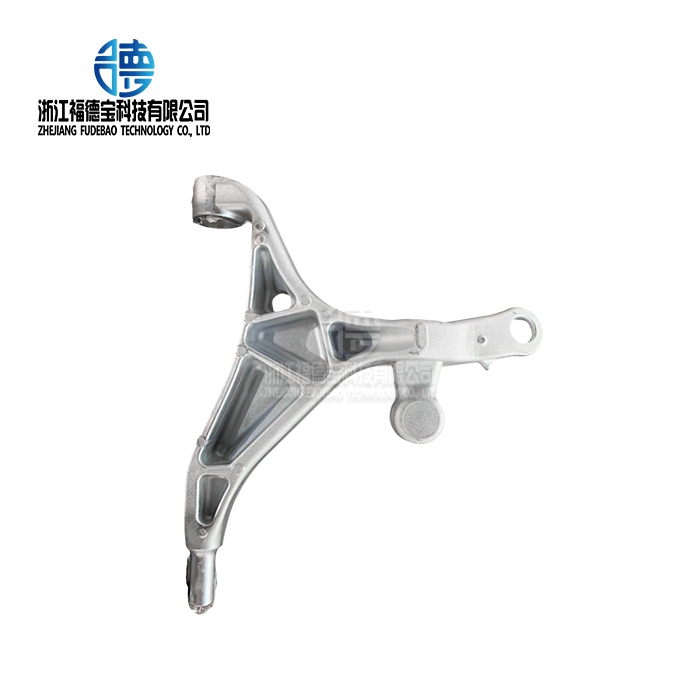
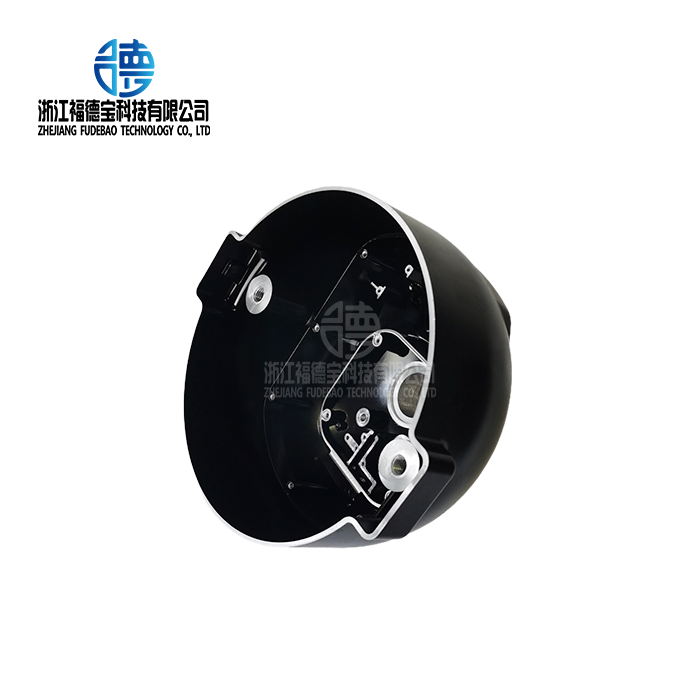
_1756346144394.webp "aluminum die casting hinge")