Copper Casting: A Cornerstone of Automotive Manufacturing
2026-03-25
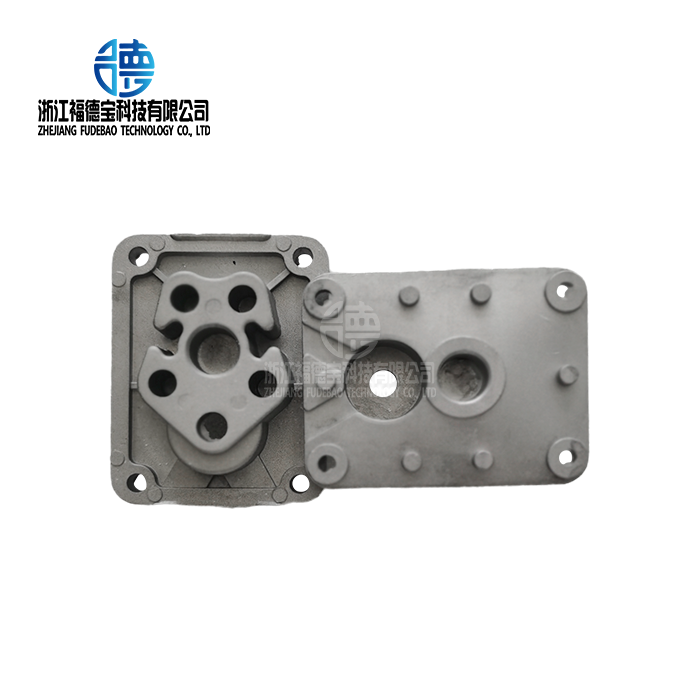
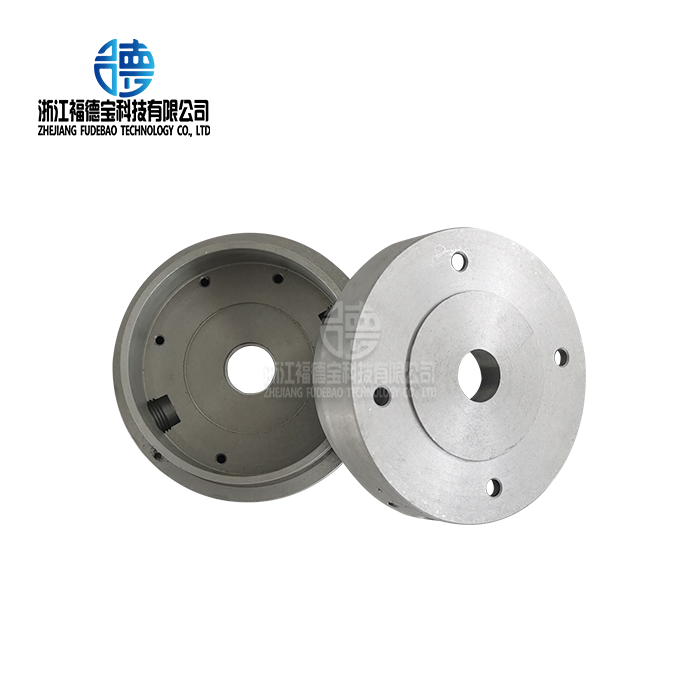
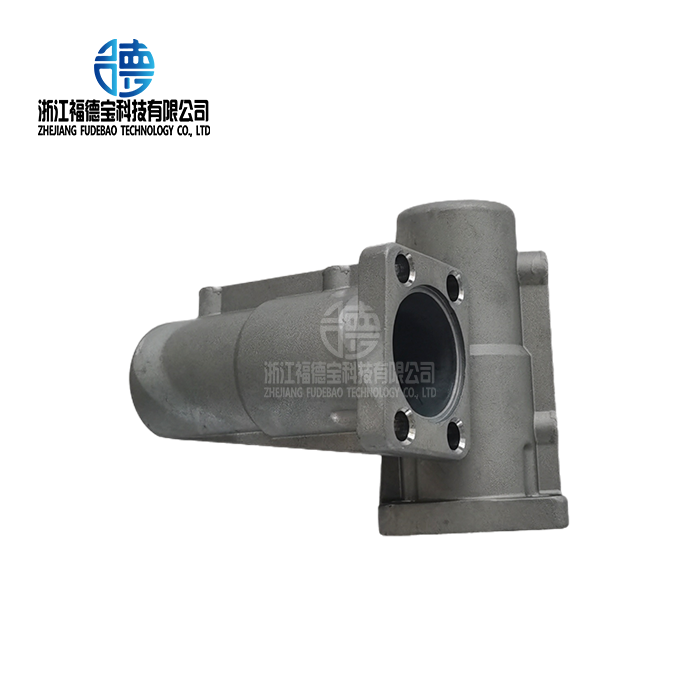
Copper casting represents the sophisticated metallurgical process of shaping molten copper and its alloys into precision-engineered automotive components through various molding techniques. This manufacturing method serves as a fundamental pillar in automotive production, delivering exceptional thermal conductivity, corrosion resistance, and mechanical durability essential for modern vehicle systems. Unlike alternative materials, copper-based castings provide superior electrical performance and heat dissipation capabilities critical for automotive electrical systems, engine components, and thermal management applications.
Understanding Copper Casting in Automotive Manufacturing
Copper-based alloys are used a lot in the car industry for parts that need to work very well in harsh circumstances. Many parts of modern cars are made of copper, such as heat exchanges, brake system parts, electrical housings, and motor parts. Due to its natural qualities, copper casting is used in many situations where it is needed to carry heat and electricity well while also being strong.
Essential Copper Alloys for Automotive Applications
Choosing the right copper alloys has a direct effect on how well and how long a component works. C11000, also called electrolytic tough pitch copper, has a highest electrical conductivity of up to 101% IACS. This makes it perfect for electrical connectors and wire systems. On the other hand, C93200 bearing bronze is great for engine joints and gearbox parts because it is very resistant to wear and can hold a lot of weight.
Automotive experts often choose these metals based on specific performance needs. Phosphor bronzes, like C51000, work great in spring uses because they don't wear down easily. C11000 is better at resisting rust in cooling systems for cars. Copper alloys naturally have antimicrobial qualities because of their oligodynamic effect, which makes them useful for cabin air filter systems.
Fundamental Casting Processes and Their Applications
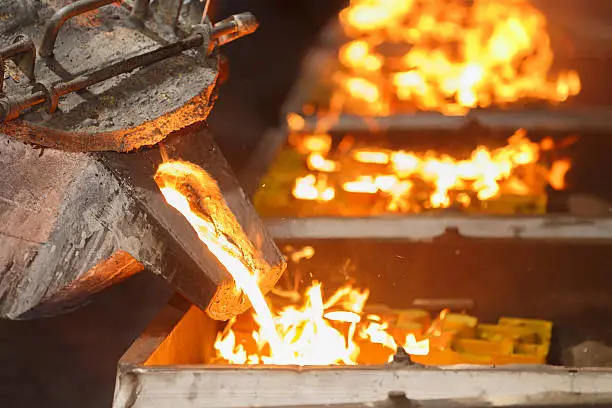
Different casting methods are used for different purposes in the car industry. For making a lot of parts, like motor housings and pump cases, sand casting is still the most flexible method. This method lets you make parts with complicated internal shapes at a low cost for medium to large production runs.
When you use the lost-wax method for investment casting, you can get better surface finishes and accurate measurements that are necessary for making precise car parts. This method works especially well for complicated parts that need to stay within ±0.05mm standards, like turbocharger housings and fuel pump parts.
Through controlled solidification, centrifugal casting makes parts with better mechanical features. This method makes brake drums and clutch parts with better grain structure and less porosity, which means they work better in high-stress car uses.
Comparing Copper Casting Methods & Alloys for Automotive Applications
When choosing between copper, aluminum, and bronze casting choices, people who work in procurement have to look at a number of factors. Depending on the purpose and efficiency needs of an automobile, each material has its own unique benefits.
Performance Characteristics and Material Selection
Copper casting works great in situations where the best heat and electrical exchange is needed. Copper's thermal conductivity of 401 W/mK is much better than aluminum's 237 W/mK, which makes it better for cooling systems in cars. This better ability to transfer heat lowers working temperatures and increases the life of parts in harsh automotive settings.
This is because bronze metals are very strong and don't wear down easily, which makes them perfect for heavy-duty uses. When pressed, tin bronzes have forces greater than 200 MPa, and they are also very easy to shape after casting. These qualities are very helpful for transmission parts and engine bearings that are constantly under mechanical stress.
Casting aluminum is lighter, which is important for improving fuel economy. Copper-based alloys, on the other hand, work better in electrical uses where conductivity can't be harmed. When choosing between materials, it's often a matter of weighing the benefits of lighter weight against better electrical performance.
Cost Considerations and Supply Chain Optimization
Figuring out what causes costs makes budgeting and predicting purchases more accurate. The prices of raw materials change with the price of copper around the world. Usually, 60 to 70% of the total cost of casting goes to these materials. Prices per unit are greatly affected by the amount needed, with higher numbers getting better economies of scale.
Overall prices are affected by processing complexity because it requires more work and takes longer to make something. When it comes to finishing, simple basic shapes don't need many extra steps, but complicated parts with tight specs do. Lead times range from 4 to 8 weeks for basic parts to 12 to 16 weeks for complicated, high-precision parts that need a lot of quality testing.
Procurement Insights: How to Source High-Quality Copper Castings?
For sourcing methods to work, they need to look at the foundry's skills, quality processes, and the reliability of the supply chain as a whole. Automotive providers must show that they can consistently offer high-quality goods and meet strict certification standards.
Evaluating Foundry Capabilities and Certifications
The best foundries keep their ISO 9001:2015 approval and also keep standards for the car industry like IATF 16949. These approvals make sure that the quality management systems are strong enough to meet the needs of the car production industry. Statistical process control and real-time tracking tools are also used by advanced foundries to make sure that the quality of each production run is the same.
Capacity for production and the ability to grow are important assessment factors. Established foundries have more than one production line with backups, so they can keep supplies going even when demand is high. It is possible for flexible manufacturing systems to meet the needs of both prototype development and high-volume output without lowering quality standards.
Where you live affects both cost and wait time performance. Regional suppliers can usually respond more quickly and offer cheaper shipping, while global sellers may have more specialized skills or lower prices. The best buying strategy combines these factors based on the needs of the program and the level of risk that is acceptable.
Strategic Supplier Relationship Development
Zhejiang Fudebao Technology is a good example of the wide range of skills that modern car suppliers need. Our building has high-tech tools like high-speed machining centers, CNC lathes, and specialized casting machines that cover the whole production process, from melting the metal to delivering the finished part. Customers in the automotive industry can be sure of better quality control and shorter wait times with this integrated method.
Because we are dedicated to making precise products, we can keep errors to within ±0.05mm, which meets the strict needs of engine and electrical systems in cars. Fudebao Technology is a trustworthy partner for demanding car uses that need both quality and on-time delivery because they have advanced metallurgical knowledge and cutting-edge equipment.
Ensuring Quality and Avoiding Pitfalls in Copper Casting for Automotive Use
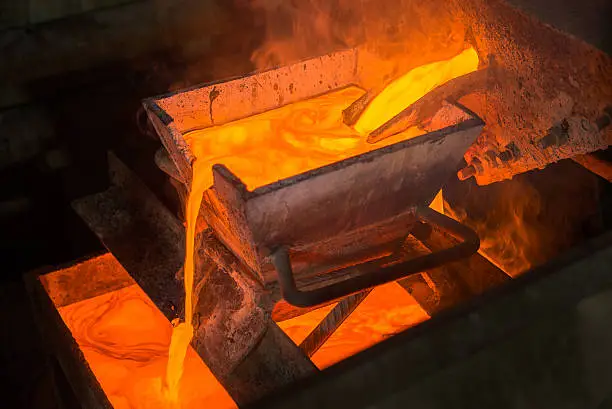
To ensure quality in copper casting for cars, organized methods are needed to stop defects and make the process run more smoothly. Knowing the most common casting flaws and what causes them lets you improve quality and cut costs without delay.
Common Defects and Prevention Strategies
The most common casting flaw is porosity, which is usually caused by not degassing enough or designing the gates incorrectly. To keep gases from getting stuck, modern foundries use vacuum degassing devices and computer-aided gate design. Real-time monitoring during the casting process finds problems before they affect the quality of the final part.
Shrinkage flaws happen when the metal doesn't get enough food to make up for its shrinking during solidification. With the right riser design and controlled cooling rates, these problems can be avoided while still keeping the dimensions correct. Today's modeling software can predict how solids will form, which lets engineers make better molds that don't have any places where they might shrink.
Too much heat stress during solidification can cause hot tears, especially in shapes that aren't simple. By placing cooling lines strategically and controlling the solidification processes, temperature gradients are kept to a minimum, which stops cracks from forming. Choice of material also affects vulnerability. For example, some copper metals are better at resisting hot tears than others.
Advanced Quality Control Protocols
Foundries that are on the cutting edge use multi-stage checking processes that combine old-fashioned methods with new technologies. X-rays can find problems inside things that can't be seen from the outside, and coordinate measure tools make sure that all the important parts are the right size. These thorough testing methods make sure that quality standards for cars are met.
Statistical process control keeps an eye on important process factors during production rounds. Variables like melt temperature, filling rate, and cooling time can be tracked by control charts. This makes it easy to find process drift quickly, before it changes the quality of the product. This method is based on data and helps with programs for predictive maintenance and ongoing growth.
Future Trends & Innovations in Copper Casting for Automotive Manufacturing
Copper casting methods and procedures are constantly evolving due to the automotive industry's growth. New trends are centered on technology, ecology, and making things work better.
Industry 4.0 Integration and Smart Manufacturing
Digital technologies are being used more and more in modern foundries to make operations run more smoothly and ensure consistent quality. Internet of Things sensors keep an eye on the surroundings and how well equipment is working in real time. This lets repair plans be made ahead of time and processes run smoothly. Machine learning systems look at trends in past data to find quality problems before they happen.
Digital twin technology makes virtual copies of casting processes so that they can be improved without stopping output. These models try changes to parameters and guess what will happen. This speeds up cycles of process improvement and lowers the cost of development. Integration with business resource planning tools lets you see the whole supply chain at a glance.
Sustainability and Environmental Considerations
Sustainability in the environment is becoming more and more important in the supply lines for cars. Modern foundries use energy recovery systems to keep the building warm or make electricity from the waste heat from casting. These systems lower operating costs while cutting total energy use by 15–25%.
The goal of recycling programs is to get as much copper as possible from old car parts. Copper can be recycled over and over again without losing any of its qualities. This supports the ideas of the circle economy. Modern separation technologies make it possible to get copper out of complicated car parts more efficiently, which lowers our reliance on new materials.
Closed-loop cooling systems and water cleaning reduce damage to the environment while cutting costs. These systems clean and reuse process water, so there is no need to dump it, and natural resources are saved. These kinds of methods often cut water use by 30 to 40 percent compared to the way things were done before.
Conclusion
Copper casting is still an important technology that makes current cars better and more innovative. Copper-based alloys are essential for important car uses because they have the right mix of thermal conductivity, electrical performance, and mechanical qualities. Procurement professionals can make better buying choices that meet both performance and cost goals when they know about casting methods, material selection criteria, and quality standards. For automotive projects to be successful, they need to work with suppliers that can consistently offer high-quality goods and show they can keep getting better.
FAQ
What makes copper casting essential for automotive applications?
Copper casting is better at conducting heat and electricity than other materials, which is why it is used so often in car cooling systems, electrical parts, and heat management. The natural resistance to corrosion and mechanical longevity of the material make it effective in harsh car working conditions.
How do different copper alloys perform in automotive environments?
Because of their different qualities, different copper alloys are used for different vehicle needs. Copper with a high conductivity, like C11000, works great in electrical uses. Bearing bronzes, on the other hand, are very resistant to wear in mechanical parts. Phosphor bronzes are very good at resisting stress for use in springs, and aluminum bronzes are much stronger for use in structural parts.
What quality standards apply to automotive copper castings?
Along with material-specific requirements like ASTM B584 for bronze castings, automotive copper castings must meet IATF 16949 quality standards. Parts need to have dimensions that are within ±0.05 mm, a certain surface finish, and their mechanical properties to be confirmed through standard testing procedures.
How do lead times vary for different copper casting applications?
Lead times depend on how complicated the parts are and how many you need. Standard car parts usually take between 4 and 8 weeks to deliver from the time an order is placed. However, complicated, high-precision parts may take between 12 and 16 weeks, which includes time for developing tools and making sure the quality is acceptable. For first models, prototyping normally takes two to four weeks.
Partner with Fudebao Technology for Premium Copper Casting Solutions
Fudebao Technology has a lot of skills and a history of success that can help automotive procurement workers find trusted copper casting manufacturers. Our cutting-edge factory makes precise copper castings that meet strict car standards and have accuracy levels of ±0.05mm. Get in touch with our engineering team at hank.shen@fdbcasting.com to talk about custom solutions for your copper casting needs in the car industry and find out how our approach to integrated production can help your supply chain work better.
References
Davis, J.R. "Copper and Copper Alloys: Properties and Applications in Automotive Manufacturing." ASM International Materials Engineering Handbook, 2019.
Thompson, Michael K. "Advanced Casting Technologies for Automotive Applications: A Comprehensive Analysis of Copper-Based Alloys." Journal of Automotive Engineering and Manufacturing, Vol. 45, 2021.
Rodriguez, Elena M. "Quality Control and Defect Prevention in Automotive Copper Casting Operations." International Foundry Research Institute Technical Publication, 2020.
Chen, Wei-Lin. "Sustainable Manufacturing Practices in Modern Copper Foundries: Environmental and Economic Considerations." Materials Science and Engineering Review, 2022.
Anderson, Robert P. "Digital Transformation in Metal Casting: Industry 4.0 Applications for Copper Alloy Production." Manufacturing Technology Today, Vol. 18, 2021.
Kumar, Rajesh S. "Automotive Supply Chain Optimization: Strategic Sourcing of Precision Cast Components." International Journal of Production Economics, 2020.



_1756361323684.webp "column guide sleeve")
_1756360265131.webp "Aluminum casting chair legs")
_1756352472762.webp "steel threaded plug")
_1756349794241.webp "round belt pulley")
_1756348300182.webp "Aluminum die-cast housing")