
What is CNC Machining? How Does CNC Machining Work?
2026-03-26
CNC machining is the highest level of precision production. It uses Computer Numerical Control (CNC) technology to run machine tools automatically by programming them with instructions. This method of making takes away material from solid objects to make unique parts that are very accurate and consistent. CNC machining, on the other hand, gets rid of human error and makes it possible to make complicated shapes that couldn't be made any other way. Through automatic G-code execution, the technology crosses the gap between prototyping and mass production, ensuring the same tolerances whether only a few samples are made or thousands of aircraft-grade parts.
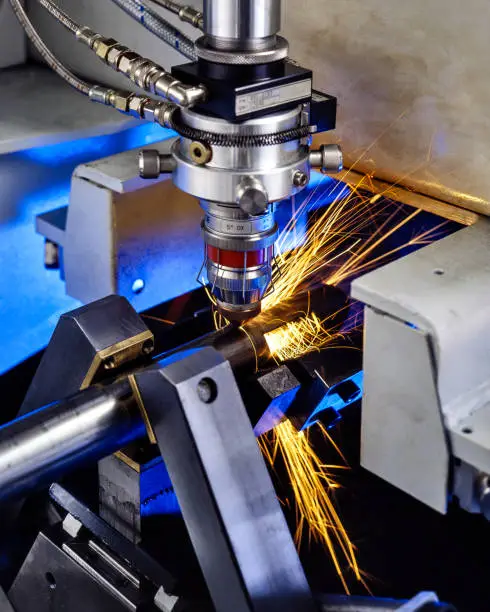
What is CNC Machining?
Computer Numerical Control (CNC) machining changes the way things are made by replacing human machine operation with computer-controlled automation that makes accuracy and consistency possible that have never been seen before. With this technology, computer plans are turned into physical parts by carefully removing material in a way that follows pre-programmed directions that manage the whole machining process.
Core CNC Machining Types and Applications
There are a number of different CNC methods used in manufacturing, and each one is best for a certain type of part or output situation. CNC milling uses rotating cutting tools to take material from fixed workpieces. This makes complicated features like pockets, slots, and curved surfaces that are needed for parts in cars and spacecraft. CNC turning involves rotating the product around cutting tools that stay in one place. This makes cylindrical parts like shafts, pins, and threaded screws that are essential for putting together industrial machinery.
When CNC drilling, precise holes with regular sizes and depths are made. These holes are used for a wide range of things, from housings for electrical connectors to heat exchanger parts in equipment used in the energy sector. When you grind harder materials, you can get better surface finishes and tighter tolerances. This is especially useful for aircraft uses that need surfaces that look like mirrors and accuracy in measurements down to the micrometer level.
Material Capabilities Across Industries
The choice of material affects how well something works in high-stakes situations where a broken part could have disastrous results. Due to their high strength-to-weight ratios and resistance to corrosion, aluminum alloys, especially 6061-T6 and 7075-T6, are used a lot in aircraft and automobiles. These materials are easy to work with and keep their shape even when heated and cooled many times.
316L and other types of stainless steel are used in CNC machining to make medical devices that need to be biocompatible and resistant to cleaning. Titanium alloys, such as Ti-6Al-4V, make it possible for aircraft engine parts to work in temperatures above 1,000°C while still remaining structurally sound under high stress. Engineering plastics like PEEK and POM are good at resisting chemicals and insulating electricity. They are used in the energy sector for tasks that need to be strong and good at conducting electricity.
How Does CNC Machining Work?
Through organized digital processing and automatic material removal, the CNC workflow turns idea designs into real things. It starts with Computer-Aided Design files that specify exact geometric details and size needs.
Digital Design to Physical Production
Computer-Aided Manufacturing (CAM) software reads CAD models and creates toolpath strategies that are best for the machining process, the material, and the quality standards. During this step, the programming computer figures out the best cutting speeds, feed rates, and tool contact settings to get the job done quickly and accurately, without damaging the tool or the object. This process creates the G-code computer language, which gives machines directions that can read and control the spindle's speed, the movement of its axes, and the flow of coolant during the machining cycle.
Setting up a machine includes fixing the item in place using clamps, vises, or custom jigs that hold parts in place while still letting cutting tools reach them. Which tool to use depends on the qualities of the material and the finish you want on the surface. For example, carbide end mills can be used on both aluminum and steel, while diamond-coated tools are better at cutting unusual materials that need to be resistant to wear.
Precision Control and Quality Assurance
When automated machining is used, it follows pre-programmed guidelines with little help from a person. This makes sure that results are the same across output runs while lowering the variation that comes with manual operations. During the process, real-time tracking systems keep an eye on tool wear, dimensional accuracy, and surface quality. If any of these factors go outside of acceptable ranges, they automatically make changes or send out alerts.
Checking the accuracy of dimensions with a coordinate measuring machine, testing the roughness of the surface to make sure it meets the standards for a good finish, and certifying the material's chemical make-up and mechanical properties are all part of quality control. These thorough evaluation steps make sure that the part works well in important situations where failure would have consequences beyond money issues.
Comparative Manufacturing Analysis
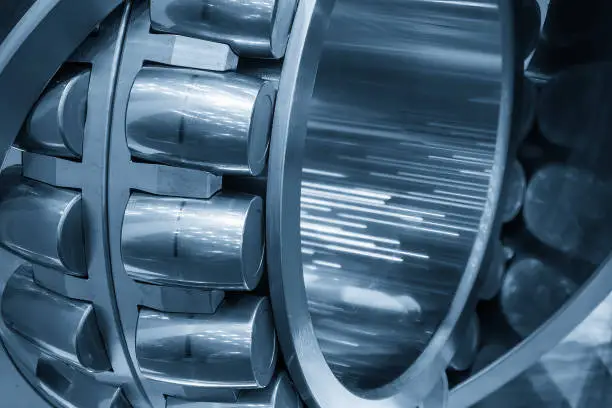
CNC machining is great for tasks that need precise measurements, high-quality finishes on the outside, and unique qualities of the material that can't be achieved any other way. CNC processing is cheaper than injection molding because it doesn't require expensive tools for small-scale production and lets designers make changes quickly without having to pay a lot of money to change the mold. When compared to 3D printing, CNC parts keep the full bulk and mechanical qualities of solid stock materials.
Laser cutting is faster for working with sheet metal, but it can't get the same level of accuracy in measurements or surface quality as precise machining. Traditional manual machining is flexible, but it doesn't have the repeatability and exact stability needed for modern industrial uses that need quality systems and statistical process control.
Benefits of CNC Machining for B2B Procurement
Precision production directly affects the performance of the supply chain by lowering the number of inspections that need to be done, making it easier to put things together, and making products more reliable over their entire service lives.
Unmatched Precision and Repeatability
Tolerances of modern CNC tools are always within ±0.005mm across production runs. This gets rid of the differences in size that make assembly harder and raise the rate of rejection. This level of accuracy helps with uses in the car industry that need PPAP paperwork, aerospace parts that need to be able to track their approval, and medical devices that need to meet FDA validation standards.
The built-in statistical process control in CNC machines provides proof of consistent dimensions, which cuts down on the need for new inspections and speeds up output schedules. When compared to manual processes that require multiple steps, being able to make complicated shapes in a single setup reduces stack-up tolerances and increases the total accuracy of the component.
Scalability and Lead Time Optimization
Automated production makes it easy to go from small amounts of a sample to full-scale production without having to retool or change the process. This scalability benefit is especially helpful for car providers who are in charge of launching new products and can't be sure what the demand will be during the early stages of the market introduction.
Programming freedom lets you quickly switch between different versions of a component, which supports lean production and lowers the cost of keeping supplies on hand. Getting rid of routine setup changes speeds up production schedule and makes delivery more predictable, which is important for just-in-time supply chain operations.
Design Flexibility and Material Adaptability
CNC machining processing can handle complicated shapes that can't be made with traditional methods. This lets designers come up with new ways to make parts work better while making assemblies simpler. With multi-axis machining, you can make organic forms and compound angles that improve how fluids move, how stress is distributed, and how heat is managed.
The range of materials used is very wide, from soft aluminum alloys to rare superalloys. This gives buying teams a lot of choices for matching performance needs with cost concerns. This adaptability helps value engineering projects choose the best materials based on what they need to do the job, not on the limits of manufacturing.
How to Choose the Right CNC Machining Service Provider?
The choice of supplier has a direct effect on the success of the project through the materials they can provide, quality certifications they hold, production capacity, and professional help they offer throughout the lifespan of a product.
Technical Capabilities Assessment
When looking at possible suppliers, you need to see how much experience they have processing aluminum alloys, stainless steels, and other unusual materials that are important to your purpose. Quality certifications like ISO 9001, AS9100 for aircraft uses, and ISO 13485 for medical products show that companies follow structured quality management methods that are necessary for regulated industries.
Tolerances must match engineering requirements, especially for uses that need precise geometric measurements and tolerancing to be followed. Surface finish options, which include normal machined finishing and precise grinding, affect both how well the part works and what other processing needs to be done afterward.
Production Capacity and Scalability
Lead time performance has a direct effect on production schedules and inventory management strategies. To keep delivery promises, it is essential to measure suppliers' capacity. Scalability factors include the availability of tools, the flexibility of the workforce, and the ability to buy materials in a way that can handle changes in number without affecting quality or delivery performance.
Heat treatment, surface finishing, and assembly services are examples of secondary operations that make the supply chain simpler and make it easier for production processes to work together. Integrated service providers get rid of the logistics of transfers and the quality risks that come with coordinating with multiple vendors.
Global Sourcing Considerations
When you buy from international sources, you may save money because of better exchange rates and lower labor costs. But you have to weigh these benefits against problems with communication, longer wait times, and possible problems with quality control. Some of the benefits of being close are faster prototyping processes, easier quality teamwork, and lower shipping costs for heavy parts.
Supply chain risk management includes checking the financial stability of suppliers, their ability to provide backup output, and the political security of the areas where suppliers are located. Diversified buying methods lower the risk of dependence while keeping costs low, which is important for staying competitive in the market.
Conclusion
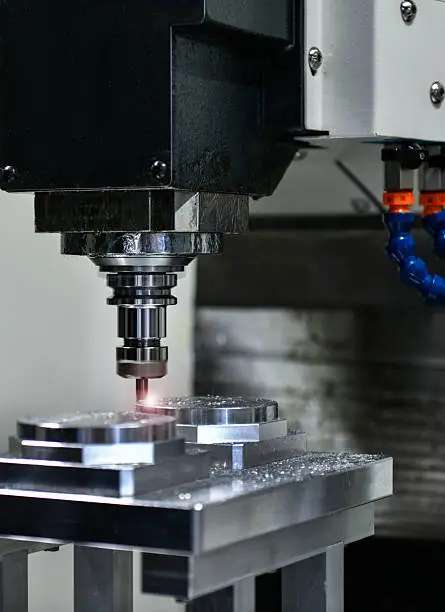
CNC machining keeps improving production skills by using new technologies, a wider range of materials, and smart process control systems that adapt to changing market needs. The use of Industry 4.0 technologies offers higher output, more consistent quality, and lower operating costs in a wide range of industrial settings.
When hiring manufacturers and making the best use of supply chain strategies, procurement workers can make better decisions when they know about these technological skills. CNC processing is a key technology for getting ahead in global markets because it allows for precise making, the use of a wide range of materials, and production capacities that can be increased or decreased.
FAQ
What tolerance levels can CNC machining achieve consistently?
Modern CNC machining centers routinely achieve tolerances within ±0.005mm for standard operations, with precision equipment capable of ±0.002mm for critical dimensions. These tolerances depend on the properties of the material, the shape of the part, and the variables in the surroundings during processing. For aerospace uses, tolerances need to be even tighter, which can be done with special tools and controlled manufacturing conditions.
How does material selection impact CNC machining costs?
Material costs change a lot depending on the type of alloy, its supply, and how it can be machined. Aluminum metals are often the most cost-effective option because they are easy to work with and widely available. Titanium and other rare superalloys are very expensive because they are hard to work with and require special tools. Machinability factors, such as cutting speeds, tool wear rates, and cycle times, have a direct effect on industrial prices that go beyond the cost of raw materials.
What factors determine CNC machining lead times?
Lead times depend on how complicated the parts are, how long the production line is, and what needs to be done in a secondary operation. Simple shapes can be machined quickly, but complex multi-axis parts take longer to set up and process. Getting materials can take a long time if they are rare metals or large amounts that need mill certifications. Delivery plans take more time into account when secondary processes like heat treatment, coating, or testing are done.
Partner with Fudebao Technology for Your CNC Machining Needs
Fudebao Technology delivers exceptional CNC machining solutions through state-of-the-art equipment including high-speed machining centers, precision CNC lathes, and comprehensive finishing capabilities. Our integrated manufacturing approach covers the complete process from aluminum alloy casting through precision machining and surface treatment, achieving dimensional accuracy within ±0.05mm for automotive, aerospace, and industrial applications.
As a trusted CNC machining supplier serving global markets, we combine advanced automation technology with experienced engineering support to optimize your component designs and production strategies. Our quality certifications and proven track record with international brands demonstrate our commitment to excellence and reliability. Contact our team at hank.shen@fdbcasting.com to discuss your precision machining requirements and discover how our comprehensive manufacturing capabilities can enhance your supply chain performance while reducing total cost of ownership.
References
Smith, R. Manufacturing Engineering Handbook: CNC Machining Fundamentals and Advanced Applications. Industrial Press, 2023.
Johnson, M. et al. Precision Manufacturing Technologies: Computer Numerical Control Systems and Quality Management. Academic Press, 2022.
Chen, L. Advanced Materials Processing in CNC Machining: Aerospace and Automotive Applications. Materials Science Review, 2023.
Williams, P. Industry 4.0 Integration in Manufacturing: IoT and Smart Factory Technologies. Technology Publishing, 2022.
Anderson, K. Supply Chain Optimization Through Advanced Manufacturing Technologies. Business Strategy Quarterly, 2023.
Thompson, D. Quality Control Systems in Modern CNC Manufacturing: Standards and Best Practices. Quality Management Press, 2022.



YOU MAY LIKE
_1756345939856.webp "Aluminum casting chassis")
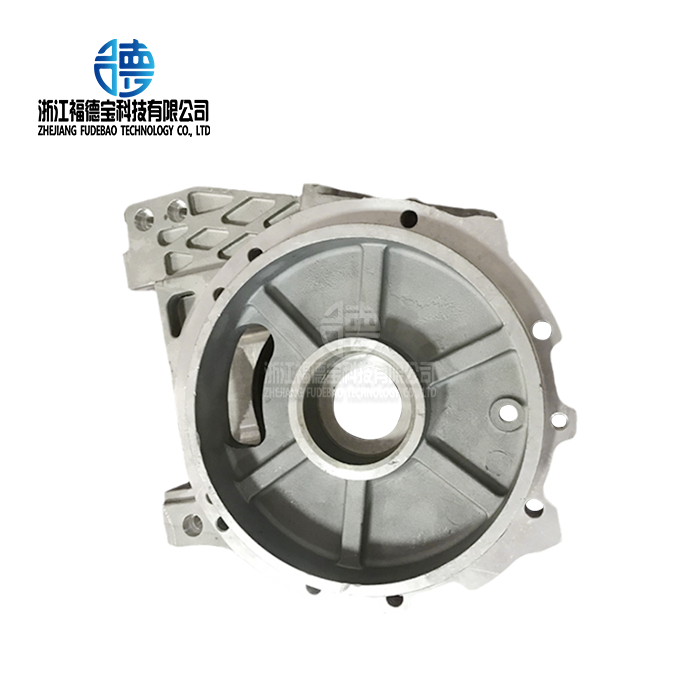
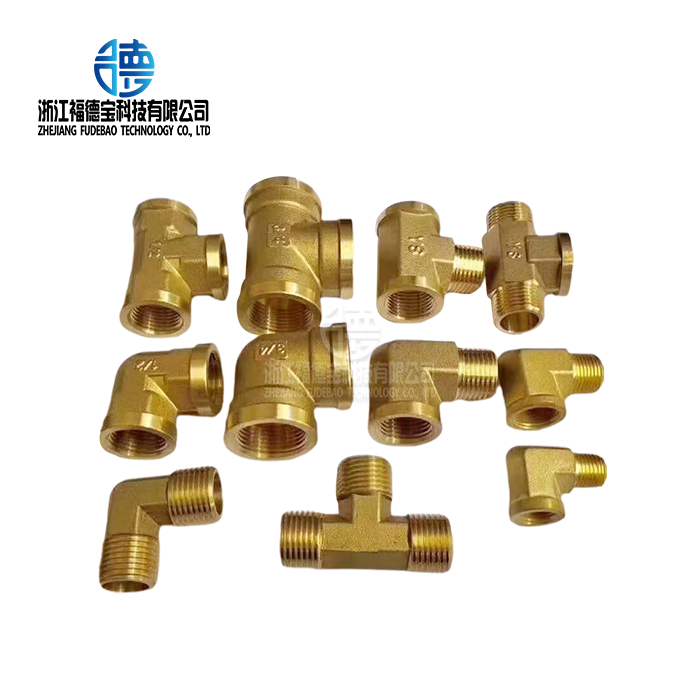
_1756349146076.webp "Lawn mower case casting")
_1756348780785.webp "porting turbo compressor housing")
_1756346421748.webp "Aluminum casting telescopic bracket Parts")
_1756346144394.webp "aluminum die casting hinge")