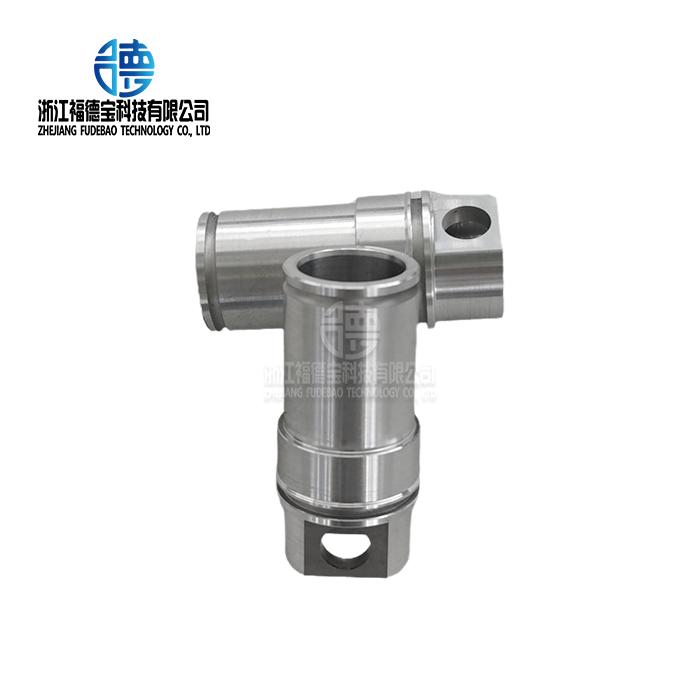
One of the most useful and common ways to shape metal in modern production is through sand casting. The main ideas, material concerns, and built-in limits of sand casting technology are all covered in this detailed guide. Understanding the sand casting process is important whether you're making parts for cars, machines, or electrical housings. It helps you make smart choices about what materials to use, how to improve designs, and how to make sure the quality is good. The method is very adaptable and can be used for both making prototypes and large-scale production runs in many different fields.

Understanding the Sand Casting Process Fundamentals
The first step in sand casting is making a sample, which is a copy of the end part that is wanted. Patterns are usually made from wood, metal, or plastic, based on how many they need to be made and how complicated they need to be. In the casting process, this design is put into a flask that has a carefully made sand mixture in it.
Green sand is made up of silica sand, clay fillers, and the right amount of water to make it easy to shape. To make sure the sand mold is the right size, it needs to be carefully packed down around the design. After the design is taken off, there is a hole that matches the shape of the part that is wanted.
Pouring molten metal requires careful management of the flow rate and temperature. The design of the gate system has a direct effect on the filling properties and possible casting flaws. The right placing of the risers provides proper feeding during solidification, which stops problems linked to shrinking. The rate at which the metal cools affects how the grains form and the casting's mechanical features.
When internal spaces or complicated shapes are needed, core placement is important. Cores are forms made of sand that are already formed. They stand up to melting metal and keep their shape while they are being poured. Newer core materials are more stable in terms of their dimensions and are easier to remove after they have solidified.
Material Selection and Properties for Sand Casting
Because they are so strong for how light they are, aluminum alloys used in sand casting are used a lot in aircraft and cars. Some common aluminum casting metals are A356, A380, and A319. Each has its own unique properties. Because it has better engineering qualities and doesn't rust, A356 is perfect for building parts. The A380 has great flexibility and die-filling properties for shapes with complicated shapes.
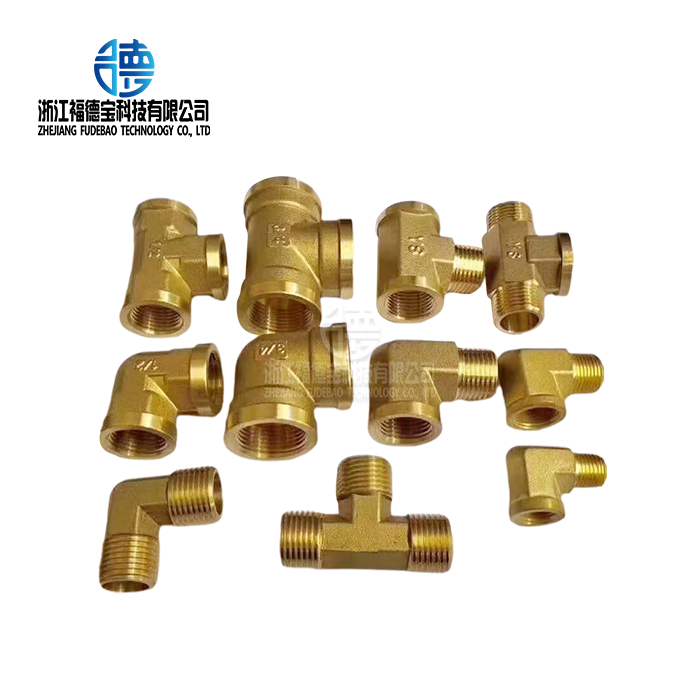
Copper alloys find extensive use in electrical and energy sector applications. Bronze and brass castings are very good at conducting electricity and resisting rust. These materials work great in naval settings and electrical parts that need to be reliable for a long time. There are different types of heat treatments that can improve mechanical qualities and physical stability even more.
Castings made of iron and steel are used in heavy-duty industry tools. Gray iron is very good at dampening noise and can be easily machined. Ductile iron has better tensile strength and resistance to pressure. Castings made of carbon steel are used in high-stress situations where strength and toughness are needed.
When choosing a material, it's important to think about a number of important factors, such as the working temperature range, the dynamic stress needs, and the conditions of the surroundings. When used at high temperatures, refractory qualities become very important. Depending on the surface finish needed, certain alloys or processes after casting may have to be used.
Design Considerations and Limitations
Draft angle standards keep surface damage and problems with pattern removal from happening during demolding. Depending on the depth of the space and the way the surface is oriented, draft angles are usually between 1 and 3 degrees. When draft angles aren't right, mold surfaces get torn and measurements don't match up.
Uneven cooling rates and thermal stress buildup can't happen if wall thickness is regular. Sudden changes in thickness can cause hot spots and places where cracks might form. Gradual changes and the right section width ratios keep the structure strong while preventing defects from forming.
When sand casting, undercut details are very difficult to work with. Multi-part patterns or special core setups may be needed for shapes that are very complicated. These problems make it more expensive to make tools and take longer to do cycles. They may also affect the quality of the measurements.
The surface finish is limited by the size of the sand grains and how easily mold can get through them. Fine sand makes the surface better, but it makes it harder for gases to escape. Getting these different needs to work together usually means that important areas need to go through extra grinding steps.
For general measurements, the range of tolerances is usually between ±3 and 5 mm. Tighter controls may be needed for certain features, which can be done by making patterns more accurate and improving the process. Post-casting cutting is needed when the level of accuracy needed is higher than what the process itself can handle.
Quality Control and Defect Prevention
Porosity is a common flaw in casting that happens when gas gets trapped or when the material shrinks. When metal is poured, gas can escape if the mold is permeable enough. When opening systems are designed correctly, pressure doesn't build up and pores don't form. Before dumping, degassing processes take away any dissolved gases from the liquid metal.
Inclusions happen when sand wears away or slag gets stuck during the filling process. When gates are designed correctly, they reduce the chance of turbulence and damage. Methods for getting rid of slag make sure that clean metal gets to the mold hole. Contaminants can be stopped before they get to important places by filter systems.
When solidification pressures are higher than the material's strength at high temperatures, hot tears form. With the right riser design, you can eat while you're contracting. Controlled cooling rates make temperature gradients less severe. The choice of alloy affects how easily it tears when heated.
Differences in dimensions can be caused by pattern wear, mold shift, or temperature effects. Dimensional precision is kept up by checking patterns regularly. If you line up the flask correctly, the mold won't move while you pour. Calculations of thermal growth make sure that the end sizes meet the requirements.
Industry Applications and Performance Requirements
For use in cars, lightweight parts that are very accurate in terms of size are needed, which can be produced through sand casting. To be reliable, engine blocks, transmission housings, and chassis parts need to be made with exact specs. PPAP paperwork makes sure that the quality system meets the standards for compliance and tracking.
For pump housings, gear cases, and structure frames, industrial machinery relies on sand casting. It is possible for these parts to work in difficult circumstances and with heavy loads. Strength and resistance to heat become the most important factors in choosing a material. Consistent specs make sure that the parts fit together and work properly.
Conductivity and rust protection are important in the electrical field. While letting heat escape, motor housings and electrical casings protect sensitive parts. Tight-tolerance connection ports and mounting features can be made possible by precision cutting.
Aerospace parts need materials with special qualities and strict testing procedures. Weight reduction efforts encourage the use of metal alloys while keeping the structure's stability. Certification systems make sure that strict business standards and requirements for tracking are met.

Process Optimization and Technology Advances
Simulation software lets you look at a computer casting before the real one is made. Computational fluid dynamics models can guess how fluids will fill and find places where defects might happen. Solidification modeling helps find the best ways to cool things down and place risers. These tools cut down on the time it takes to create and make casting better.
Automated casting systems make things more consistent while requiring less work. Robotic pattern handling cuts down on mistakes made by humans and speeds up run times. Automated filling systems let you precisely control the flow rate and temperature. These tools improve quality and repeatability.
Newer sand methods have better qualities and are better for the earth. Chemically bound sands give better surface finish and security of shape. Reclaim methods cut down on trash while keeping the qualities of the sand the same. Using water-based binders is better for the earth and the workplace.
During production rounds, real-time tracking tools keep an eye on important process factors. For the best pouring conditions, temperature sensors make sure of it. Mold quality problems can be found by measuring the pressure. Statistical process control finds patterns and stops quality from changing.
Conclusion
Sand casting technology is a flexible way to make things that can be used in many different industries. Understanding the basics of the method, the qualities of the material, and its natural limits helps people make smart decisions about how to build components. Quality control methods and new technologies keep making casting better and more consistent. Design optimization takes into account the need for draft, the regularity of wall thickness, and the expected tolerances. When choosing a material, you have to balance its practical features with the needs of the purpose. Applications in the automobile, industrial machinery, electrical, and aircraft industries each have their own hurdles and performance standards. To make sand casting work, you need to know a lot about metals, process control, and quality assurance in order to make parts that meet strict requirements and standards for dependability.
Join Forces with Fudebao Technology for Top-Notch Sand Casting Services
With decades of foundry experience and the ability to do precise cutting, Fudebao Technology offers a full range of sand casting maker services. Our combined building has both modern casting methods and CNC machine centers, so we can help you with all of your part needs, from the raw material to the finished product. Email us at hank.shen@fdbcasting.com to talk about your unique casting needs and find out how our tried-and-true methods offer unbeatable quality and dependability.
References
Campbell, John. "Complete Casting Handbook: Metal Casting Processes, Techniques and Design." Butterworth-Heinemann, 2015.
Brown, John R. "Foseco Foundryman's Handbook: Facts, Figures and Formulae." Pergamon Press, 2000.
Stefanescu, Doru Michael. "Science and Engineering of Casting Solidification." Springer, 2009.
ASM International. "ASM Handbook Volume 15: Casting." ASM International Materials Park, 2008.
Beeley, Peter. "Foundry Technology." Butterworth-Heinemann, 2001.
Ravi, B. "Casting Simulation and Optimization: Benefits, Bottlenecks and Breakthrough." Indian Foundry Journal, 2008.



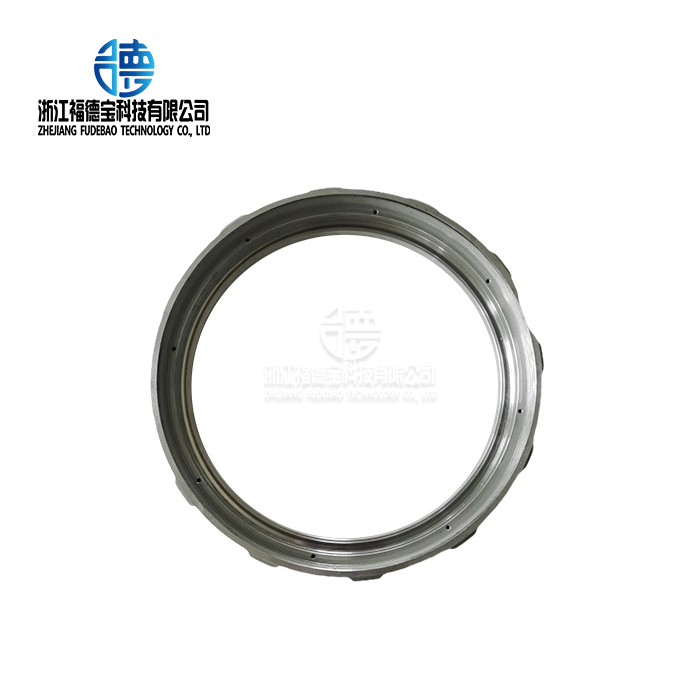
_1756352625880.webp "plug stainless")
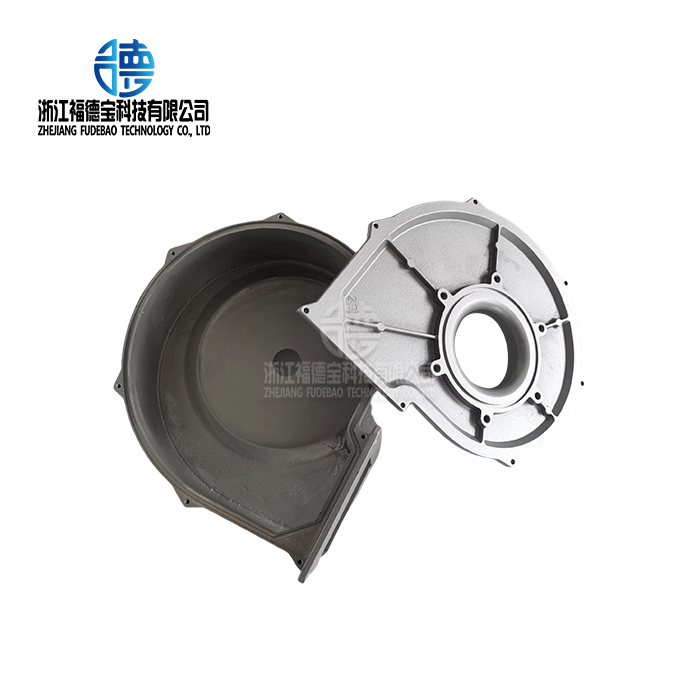
_1756348623524.webp "Turbine compressor housing")
_1756348300182.webp "Aluminum die-cast housing")
_1756345858191.webp "Aluminum casting crafts")