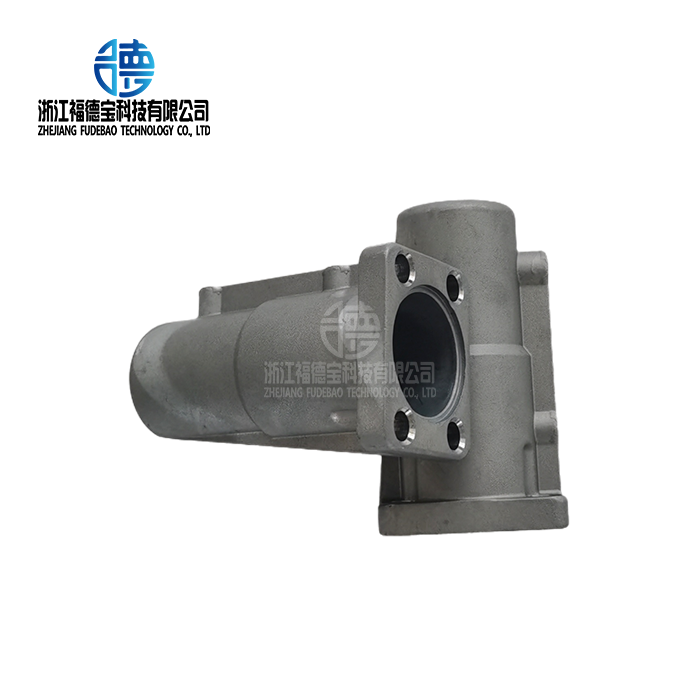
Reducing Scrap Rate in Aluminum Die Casting Production
2026-03-12
Lowering the amount of scrap in aluminum die casting is very important for companies that want to improve their operations and cut costs. When handled correctly, modern aluminum die casting methods can get scrap rates below 5%, which makes the use of materials much more efficient and the cost of production much lower. Optimizing process parameters, using advanced quality control systems, and forming smart partnerships with suppliers are all effective ways to cut down on scrap. Together, these things improve the quality of the casting and reduce the amount of faulty output.
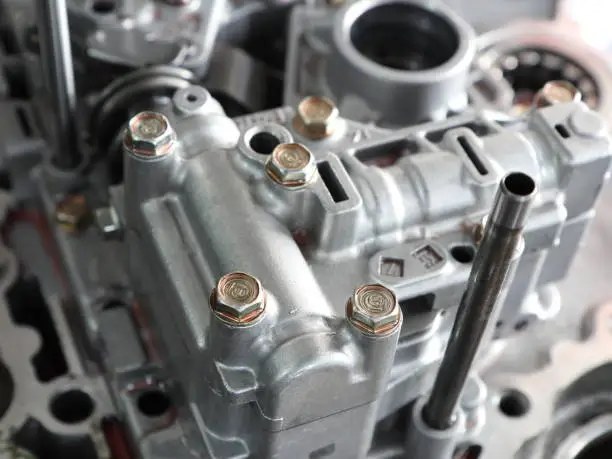
Understanding the Scrap Rate Problem in Aluminum Die Casting
Defining Scrap Rate Impact on Production Economics
The scrap rate measures the number of flawed casts that are thrown away during production and is an important way to measure how efficiently an operation is running. Industry standards show that well-run die casting operations keep their scrap rates between 3 and 8 percent. On the other hand, processes that aren't well managed can have rejection rates of more than 15 percent. This difference is directly related to production costs, since each casting that is turned down wastes material, energy, and labor.
The financial effects go beyond the instant loss of money. To meet delivery dates, high scrap rates force overproduction, which uses up extra machine capability and raises the cost of making each part. These errors cause price pressures that mess up budgets for purchases and talks with suppliers.
Common Defect Patterns and Their Consequences
Die casting flaws show up in different ways, and each one makes quality control and process improvement more difficult. Porosity is still the most common problem. It happens when trapped gases make holes inside the material that weaken its mechanical properties and surface stability. In structural parts where strength is very important, these flaws affect parts the most.
Surface flaws, like cold shuts and flow marks, affect both how the surface looks and how well it works. In car settings, these flaws can make it hard for coatings to stick or cause height points that shorten the life of parts. By understanding these ways that defects happen, buying teams can set reasonable quality standards and factors for judging suppliers.
Supply Chain Implications of High Scrap Rates
When scrap rates are high, they affect shipping schedules, inventory planning, and relationships with suppliers all along B2B supply lines. When casting suppliers have problems with quality, makers further down the line have to change their production plans or keep more safety stock on hand to account for the uncertain delivery times.
Inconsistencies in quality also make it harder to qualify suppliers because they need more checking resources and longer validation times. When procurement teams choose a provider, they have to think about these risks and weigh the costs of quality, dependability, and supply chain stability.
Key Factors Causing Scrap in Aluminum Die Casting Production
Process Parameter Optimization and Control
Aluminum die casting works best when you carefully manage a variety of factors that affect the process. For each part shape and material, the machine settings must be perfect. This includes the injection speed, pressure profiles, and cycle time. Controlling the temperature throughout the aluminum die casting process affects how the metal flows and how it solidifies, which directly impacts how defects form.
Die casting companies today use high-tech process tracking tools that keep track of changes in parameters in real time. Statistical process control methods help workers find parameter drift before it leads to casts that aren't right. However, a lot of providers don't have the technical know-how or money to buy the right tools for optimal parameter control. This leads to variations in quality that affect scrap rates.
There isn't always a straight line between process factors and casting quality. Small changes in the speed or temperature of the injection can set off a chain of events that show up as more holes or changes in the size of the particles. Successful providers put money into process planning and programs that train operators so that the same parameters are used on all production runs.
Material Selection and Quality Management
Choosing the right aluminum metal has a big effect on the quality of the casting and how likely it is to have defects. Different alloy compositions have different flow properties, solidification patterns, and mechanical qualities that change how they need to be processed. The A356 aluminum alloy is often used in automobile uses. It is easy to cast, but the temperature needs to be carefully controlled to keep the pores from forming.
Quality control for raw materials includes more than just the makeup of the alloy. It also includes standards for cleaning and degassing processes. Inclusion flaws and gas porosity are more likely to happen when melted aluminum is contaminated or not prepared properly. To make sure that the quality of the melt stays the same, the best providers use detailed procedures for handling materials, such as filtration systems and checking the hydrogen level.
Other things about the material, like how much release agent is used and how well the die is oiled, can also affect the quality of the casting. Applying too much lubricant can leave surface flaws, while not enough covering can make die soldering and part removal difficult. To balance these needs, you need to know how to run the process and follow the same steps every time.
Design and Tooling Considerations
Die design basics have a direct effect on the quality of the casting and the amount of scrap that can be made. The right placement of gates, the right size of runners, and the right design of vents all help metal flow and air escape during hole filling. Turbulence and gas trapping are caused by inadequate venting, which leads to porosity and surface flaws that raise the rate of scrap.
In aluminum die casting, how well the cycle time works and how regularly the solidification happens depend on how the cooling system is built. When carefully put throughout the die structure, conformal cooling ducts help get rid of heat evenly and lower thermal stresses that can cause the die to warp or change size. More modern tool designs include these features to make aluminum die casting more consistent and less likely to have flaws.
Tooling maintenance plans and keeping an eye on the state of dies are very important for keeping scrap from happening. Over time, quality decreases because die surfaces get worn, venting systems get broken, and cooling performance goes down. Suppliers with strong tools management systems have lower rates of scrap and more consistent quality performance across production runs.
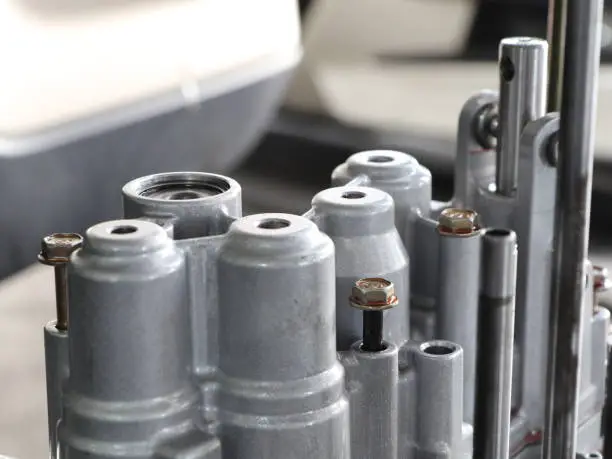
Proven Strategies to Reduce Scrap Rate in Aluminum Die Casting
Advanced Process Optimization Techniques
Implementing advanced process control methods is the basis of successful efforts to cut down on scrap. With real-time parameter tracking tools, process deviations can be found right away, so operators can fix the problem before castings that aren't good are made. These systems keep an eye on important factors like the temperature of the metal, the injection velocity patterns, and the cavity pressure features.
Implementing statistical process control gives you data-driven information about how stable and capable a process is. Control charts and process capability studies show the parameter ranges that regularly make casts that are good, as well as the conditions that make defects more likely. This scientific method lets you handle quality in a way that prevents problems instead of just fixing them when they happen.
Die casting modeling software has changed the way process optimization is done by letting parameter pairs be tested virtually before they are put into production. These tools can guess how metal will flow, find places where defects might happen, and find the best ways to cool things down so that as little scrap as possible is made. Forward-thinking sellers use simulations to make sure that process changes work and to lower the risks of development.
Innovative Cooling and Solidification Management
Controlling the temperature during the casting and solidification process has a big impact on the quality and accuracy of the end part's measurements. Advanced cooling methods, like conformal cooling channel designs and variable cooling zone control, allow precise temperature management that lowers loads inside the material and makes it stronger.
Vacuum-assisted die casting methods get rid of gases and air from the die hole before the metal is injected. This makes it much less likely that pores will form. This technology has shown that it is possible to cut the amount of scrap metal used by 20 to 40 percent in situations where gas porosity used to cause quality problems. Investing in vacuum systems usually pays off quickly because they increase yield and cut down on extra operations.
Controlled solidification methods, like squeeze casting, use pressure during solidification to reduce flaws caused by shrinkage and improve mechanical qualities. These advanced methods need special tools and process knowledge, but they produce consistently high quality results for important uses.
Comprehensive Quality Control Integration
Modern quality control systems use a number of different screening tools to make sure that every part is checked throughout the whole production process. X-ray inspection devices can find flaws inside a material, like holes and other particles, that normal surface checks can't. Automated systems make it possible to check everything without slowing down production.
When coordinate measuring tools are used with aluminum die casting, they give accurate readings that make sure the casting meets engineering standards. Statistical study of dimensional data helps find trends in the process and improves the accuracy of quality control. When strict standards are needed, these methods work especially well, and differences in size directly affect the amount of scrap that is made.
Closed-loop quality control systems use real-time quality feedback loops to link inspection results to changes in process parameters. When checking tools find changes in quality, the process is automatically changed to keep the best conditions for casting and stop problems from getting worse. This combination is the best way to control quality in die casting today.
Selecting the Right Aluminum Die Casting Supplier to Minimize Scrap and Maximize Value
Quality Certification and Process Capability Assessment
When evaluating suppliers, the most important thing should be quality management system certifications that show a dedication to process control and ongoing growth. ISO 9001 approval sets the basic standards for a quality system. Automotive-specific standards like IATF 16949 add the extra process discipline needed for important uses.
Advanced sellers often get extra approvals, like ISO 14001 for environmental management or AS9100 for aircraft uses. These certificates show that the quality systems and processes are more advanced, which is usually linked to lower scrap rates and more reliable delivery performance.
Documentation of process capabilities, such as Cpk studies and statistical process control data, shows that the work was done well and is a fact. When suppliers can show that their process skills go above 1.33 for key characteristics, they usually get scrap rates below the industry average while keeping their delivery performance stable.
Technology Investment and Continuous Improvement Culture
The best die casting companies spend money on new tools and methods that make the finished products better. Modern die casting machines with closed-loop process control, high-tech checking tools, and complex gear management systems show a dedication to quality excellence and lowering scrap.
Continuous improvement programs, like using Six Sigma and lean production, show that providers are always trying to cut down on waste and make aluminum die casting more efficient. When it comes to making quality changes that last, these cultural factors often work better than buying new tools.
When two or more suppliers work together on quality goals and projects to make things better, the relationships are cooperative and good for both sides. These relationships make it possible to share information and improve processes, which lowers the amount of waste and makes the supply chain work better overall.
Supply Chain Integration and Communication Excellence
Communication systems that work well let you deal with quality problems quickly and stop small problems from getting worse and leading to large amounts of scrap. Suppliers who have advanced quality reporting systems and aggressive communication methods show that they care about the success of their customers and the quality of their partnerships.
Supply chain integration tools, such as electronic data interchange and real-time output tracking, make it easier to work together and solve problems more quickly. When a new product is released or a process is optimized, these skills become even more useful because everyone needs to work together to be successful.
Long-term partnerships that align the incentives of suppliers with the quality goals of customers build long-term economic benefits. These connections let money be spent on process changes and new technologies that help both providers and customers by lowering the amount of waste and making things work better overall.
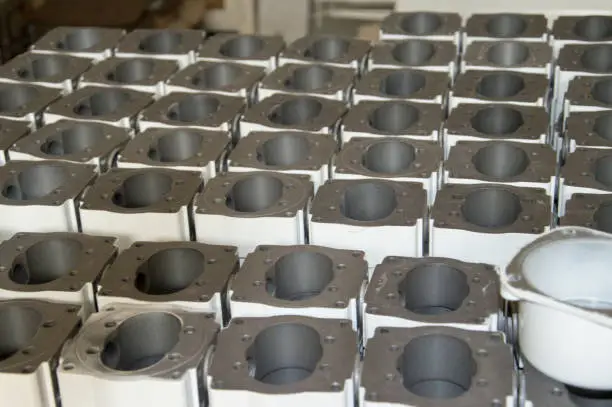
Conclusion
To effectively lower scrap in aluminum die casting, you need to use strategies that include process improvement, choosing the right suppliers, and integrating the quality system. The data shows that well-run businesses regularly keep their scrap rates below 5% by using advanced process control, new cooling methods, and strict quality management systems.
Successful buying strategies combine technical skills with the chance to work together with suppliers, knowing that reducing scrap in a way that lasts requires ongoing teamwork and a dedication to always getting better. Putting money into properly evaluating suppliers and building relationships with them pays off in a big way: consistent quality, lower total cost of ownership, and more reliable supply chains.
FAQ
What are the most common defects that increase scrap rates in aluminum die casting?
The most common type of flaw is porosity, which accounts for 40 to 60 percent of casting rejects in normal operations. Gas porosity happens when hydrogen or air gets caught during solidification, and shrinking porosity happens when the material doesn't get enough food while it's cooling. Another important group is cold shuts and flow marks, which usually make up 15 to 25 percent of flaws and are caused by bad metal flow or not controlling temperatures well enough.
How does alloy selection impact scrap rates in die casting operations?
The makeup of the alloy has a big effect on the quality of the casting and how likely it is to have defects. A356 aluminum alloy, which is made up of silicon and magnesium, is very easy to cast and has a normal scrap rate of 3-6% when it is handled correctly. The A380 metal is better at filling dies, but it may have higher flaw rates if it isn't properly degassed. To get the best performance and lowest scrap rates, alloy selection must match the needs for mechanical properties with the ways that the alloy can be worked.
What supplier qualifications are essential for maintaining low scrap rates?
Important requirements for suppliers include quality management certifications such as ISO 9001, recorded process control skills with Cpk values above 1.33, and the use of statistical process control. Using high-tech inspection tools like coordinate measuring machines and X-ray systems shows that you are serious about checking the quality. Just as important are plans for continuous improvement and records of successful scrap reduction in related uses.
How can buyers evaluate supplier process control capabilities during qualification?
For evaluation to work well, statistical process control data, process capability studies, and quality performance metrics from current users need to be looked at. Facility checks should look at the state of the equipment, the training programs for operators, and how well the quality system is being used. Ask for proof of recent process changes and efforts to cut down on waste in order to assess the mindset of continuous improvement and the technical skills.
Partner with Fudebao Technology for Superior Aluminum Die Casting Solutions
Fudebao Technology is ready to meet your needs as an aluminum die casting provider. They have advanced manufacturing methods and have been able to reduce scrap in the past. Our thorough quality control systems, certified methods, and dedication to always getting better give your buying team the trust they need. Email our engineering team at hank.shen@fdbcasting.com to talk about your unique casting needs and find out how our knowledge can help you improve the performance of your supply chain while reducing waste and increasing value.
References
American Foundry Society. "Aluminum Die Casting Quality Control Standards and Best Practices." AFS Technical Publication Series, 2023.
Zhang, L., Chen, M., and Wang, H. "Process Parameter Optimization for Scrap Reduction in High-Pressure Die Casting Operations." Journal of Manufacturing Science and Engineering, Vol. 145, 2023.
North American Die Casting Association. "Statistical Analysis of Defect Patterns in Aluminum Die Casting Production." NADCA Research Report, 2023.
Thompson, R.K., Martinez, C., and Liu, Y. "Advanced Quality Control Systems for Die Casting Applications." International Journal of Metalcasting, Vol. 17, 2023.
European Aluminium Association. "Sustainable Manufacturing Practices in Aluminum Die Casting: Waste Reduction and Process Optimization." EAA Technical Guidelines, 2023.
Johnson, P.D., Anderson, K.L., and Brown, S.M. "Comparative Analysis of Casting Methods: Scrap Rate Performance and Economic Considerations." Materials and Manufacturing Processes, Vol. 38, 2023.



_1756361494985.webp "sliding block copper castings")
_1756361323684.webp "column guide sleeve")
_1756352625880.webp "plug stainless")