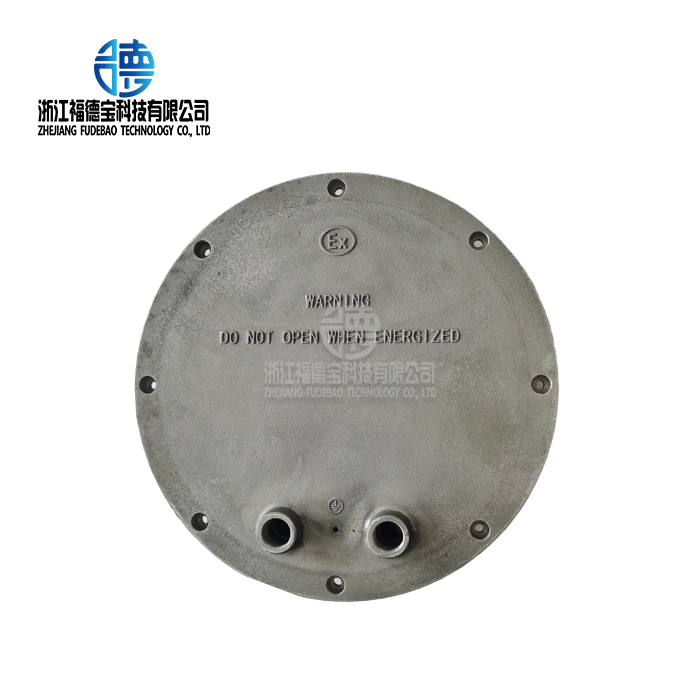
How CNC Machining Improves Die Cast Part Accuracy?
2026-03-12
CNC machining transforms die cast part accuracy by eliminating dimensional inconsistencies through precision cutting operations that correct casting irregularities. Computer-controlled milling and turning processes achieve tolerances as tight as ±0.05mm, addressing common die casting challenges like material shrinkage, surface roughness, and warping. This advanced manufacturing technique combines automated tool path control with rigorous quality verification, ensuring die cast components meet exact specifications required for automotive, aerospace, and industrial applications while maintaining cost-effective production workflows.
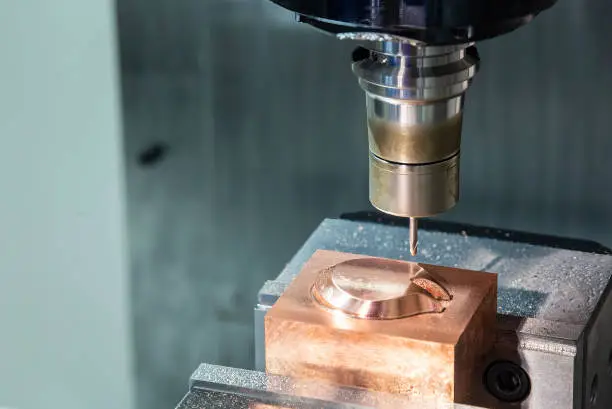
Understanding Die Cast Part Accuracy Challenges
Material shrinking, bending, mold wear, and differences in the surface finish can make it hard to get die cast parts to the right size. These problems can spread through the manufacturing process and cause more work to be redone, parts to be thrown away, delays, and higher costs. Parts that aren't right can also lower quality control standards, which could make customers unhappy and cause problems in the supply chain. By being aware of these common problems, procurement professionals can put precision-improving solutions like CNC machining at the top of their list to protect the purity of production and make operations run more smoothly.
Material Shrinkage and Thermal Effects
When you die cast, you pour liquid metal into molds at temperatures above 600°C. As the metal cools, it will naturally shrink. When they harden, aluminum alloys usually shrink by 3 to 5 percent, while zinc alloys shrink by 6 to 8 percent. This shrinkage happens unevenly across complicated shapes, causing differences in size that make it hard to fit parts together and put them together.
The rate of cooling has a big effect on the patterns of shrinking. Parts that are thicker cool more slowly than walls that are thinner. This creates internal stresses that show up as warping or physical distortion. When used in cars, these thermal effects are especially annoying because engine mounts have to stay in exact place in the mounting holes even though the temperature changes while they're working.
Knowing how a material behaves while it solidifies helps engineers guess where accuracy problems will happen and plan the right cutting processes to fix them. This forecast method cuts down on waste and makes sure that the quality of the parts stays the same across production runs.
Surface Quality and Porosity Issues
Die-cast surfaces usually have roughness levels between 3.2 and 6.3 Ra, which might not be good enough for uses that need smooth bearing surfaces or precise sealing interfaces. Also, gas leakage close to the surface can make tiny holes that weaken the part over time and make it less stable in its shape.
Surface porosity is a big problem in electrical housings because even wall thickness is needed for proper heat transfer and electromagnetic protection. To keep hydraulics working well, pump housings need smooth internal paths. Gear boxes, on the other hand, need precise bearing surfaces to keep wear and friction to a minimum.
These problems with surface quality have a direct effect on how well and how long a part lasts, so finishing processes after casting are necessary for important uses. These problems can be fixed with precision cutting, which gets rid of problematic surface layers and makes designed surface finishes that are made to fit specific performance needs.
Mold Wear and Dimensional Drift
Molds are put through a lot of temperature cycle and mechanical stress when die casting a lot of parts. This wears them down over time and changes the sizes of the parts. Mold hole sizes can change by a few thousandths of an inch between production runs. This causes problems with overall accuracy that make it harder to swap out parts.
Dimensional drift is especially hard for car providers, who have to keep part sizes the same over the course of multi-year production contracts. Parts made early in the mold's life may be very different from parts made near the time it's time to change the mold, which can make assembly and quality control more difficult.
Mold care and tracking of dimensions on a regular basis help lessen these problems, but they can't completely get rid of them. Strategic machining processes are a reliable way to fix differences in dimensions, no matter when the parts were made. This keeps the quality uniform over the life of the mold.
How CNC Machining Enhances Die Cast Part Accuracy
CNC machining makes die-cast parts more accurate by using advanced precise milling and cutting methods on multi-axis tools that can achieve tight tolerances and high levels of repeatability. Optimized machining processes, from setting and inspecting the workpiece before it is machined to adaptive tool path control and thorough quality checks afterward, make sure that the dimensions are always controlled. Also, CNC machining works well with different die casting metals like magnesium, aluminum, and zinc, changing the machining settings to fit the specific properties of each material. This improves the quality and performance of parts in a wide range of situations.
Precision Cutting and Material Removal
Cutting processes that are controlled by a computer remove set amounts of material with micron-level accuracy. This fixes the differences in size that come with die-cast parts. Advanced spindle systems that can go up to 20,000 RPM and strong machine frames get rid of the errors that come from vibrations that happen when cutting by hand.
Multi-axis machining centers can reach complicated shapes from different angles, so they can finish the whole surface of the workpieces without having to move them. This feature is very important for automobile gearbox housings that need exact bore alignments and aerospace brackets that need exact mounting hole patterns. Tool path optimization software figures out the best way to cut things so that they don't bend or get too hot while they're being machined.
Adaptive feed control is built in and changes the cutting settings automatically based on how much material is being removed and how the tools are wearing. This smart method keeps surface finishes constant while increasing tool life and decreasing run times. Because of these improvements in technology, producers can now achieve tolerances that used to require multiple setup processes with just one turn of machining.
Multi-Axis Machining Capabilities
Five-axis machining centers make it possible to finish parts completely in a single setup, even when the die cast geometry is very complicated. This feature gets rid of the placement mistakes that happen when the same piece of work is moved over and over, which cuts down on cycle times and worker costs.
Modern rotating tables and tilting spindles can reach areas with undercuts and angles that traditional three-axis machines can't. This adaptability is very helpful for pump impellers that need precise blade angles and electrical housings that need precise fixing features for connectors. Five-axis interpolation that happens at the same time makes bent shapes have smooth surfaces while keeping the exact relationships between their dimensions.
Tool path planning software figures out the best way to cut so that there are fewer tool changes and less time spent air cutting. When making a lot of things, these savings become big benefits because shorter cycle times have a direct effect on the cost of making those things. Precision component makers have a competitive edge when they use smart programming and advanced machine skills together.
Quality Control Integration
In-process measurement tools in modern machining centers check the accuracy of the dimensions without taking parts off of supports. Touch probe systems automatically check important measurements and change the next steps of the cutting process to account for changes in the material or tool wear.
Coordinate measure tools that are built into machining centers can check all of a part's dimensions while it's still in its production fixture. This method gets rid of transfer mistakes and lets process changes happen in real time, so quality stays the same across production runs. Statistical process control software looks at changes in dimensions and guesses when changes to the process need to be made.
These unified quality systems cut down on the time needed for inspections while increasing the areas that are checked for accuracy. Automatic documentation systems that make PPAP-compliant inspection report without having to send data by hand are especially helpful for automotive providers. Precision machining and automatic quality control work together to make industrial processes that are strong and meet strict industry standards.
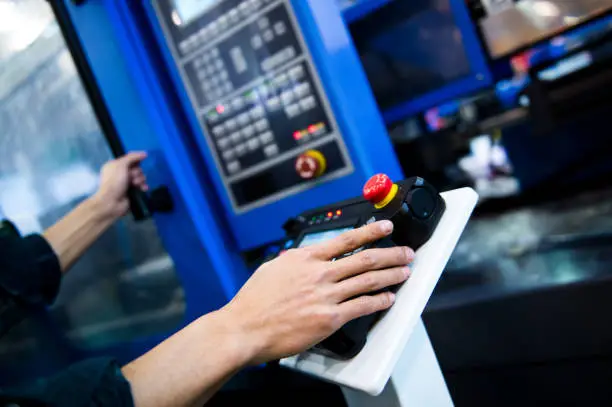
Best Practices and Design Tips for CNC Machining of Die Cast Parts
To get the best accuracy and ease of production, it's important to create die cast parts with CNC machining in mind. This means keeping tolerances under control and making sure the shape is ideal for tool access. Accurate performance is guaranteed by choosing the right type of CNC machine and using high-tech tools for programming and simulation. Using strong quality control methods, such as coordinate measure tools and statistical process control, can also help check the accuracy of the dimensions after they have been machined. When used together, these best practices make making high-precision die cast parts more reliable and lower the risk of mistakes.
Design for Machining Optimization
The shape of a part has a big effect on how well and accurately it can be machined. Leaving enough space between cutting tools stops confusion and creates the best cutting conditions for best surface quality and accuracy of measurements. When possible, standard tool sizes should be used to guide feature design so that custom tools aren't needed as much and costs are kept to a minimum.
Consistency in wall thickness helps keep cutting forces even during grinding, which lowers surface changes caused by vibrations. By avoiding internal corners that are too sharp, you can avoid stress concentrations and still use standard end mill curves that improve tool life and surface finish quality. When used in aircraft, where fatigue resistance rests on smooth surface transitions, these design factors become even more important.
Feature accessibility analysis during the planning phase finds problems that might come up with cutting before they happen. Virtual machine models that check tool access and find the best cutting sequences are made possible by three-dimensional modeling software. This proactive method stops expensive design changes during production startup and makes sure the product can be made at the goal cost.
Machine Selection and Tooling Strategies
Matching the machine's powers to the needs of the part ensures the highest levels of accuracy and effectiveness. High-speed machining centers are great for finishing jobs that need a smooth surface, while heavy-duty tools are stiff enough for tasks that need to remove rough materials. Spindle speed, table capacity, and axis travel ranges must all match the shape of the part and the amount of output that is needed.
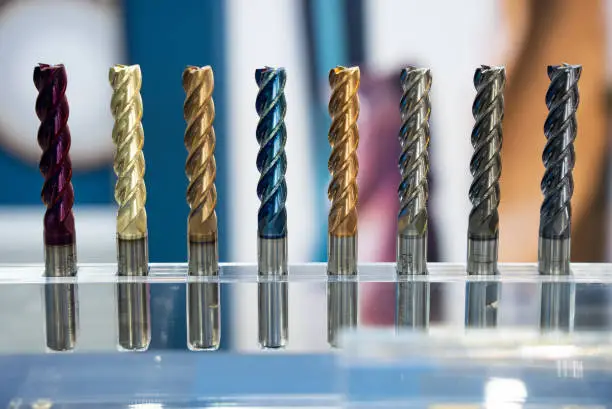
Strategies for choosing tools that balance how fast they cut with how well they finish the job. Carbide end mills are great for keeping the edge and finishing the surface of aluminum metals, while ceramic plugs work better in high-temperature situations. The right choice of tool shape reduces cutting forces while increasing the rate of material removal while still meeting accuracy requirements.
The design of the workholding system makes sure that the part is properly supported without distorting it during clamping operations. Hydraulic fittings offer steady holding forces and can work with cast blanks that have small differences in size. By placing support points in a smart way, clamping loads are spread out and cutting processes can continue on all necessary areas.
Quality Verification Protocols
Comprehensive inspection strategies check the accuracy of the dimensions and look for process trends that might need to be fixed. Statistical sampling plans find the best balance between the costs of inspection and the needs for quality control. They do this by focusing testing efforts on key factors that affect how the part works and how it is put together.
Coordinate measuring tools can check geometric relationships in three dimensions to make sure they meet design standards. Compared to human verification methods, automated inspection processes cut down on measurement time while making accuracy better. Integration with production execution tools lets you watch the process in real time and create paperwork automatically.
Process capability studies measure how well a manufacturing system works and look for ways to make it better. Regular reviews of capabilities make sure that ongoing agreement with customer needs is maintained while also showing process control for certification checks. These organized methods boost customer trust and help with ongoing quality improvement efforts that make a business more competitive.
Procuring Reliable CNC Machining Services for Die Cast Parts
When looking for a CNC machining partner, you need to check their tools, industry certifications, and customer reviews to make sure they meet strict standards for quality and accuracy. When asking for quotes, giving sellers detailed information about the part, the amount needed, and the tolerances that are acceptable helps them give accurate and clear bids. When procurement teams work with experienced CNC machining companies, they can be sure of consistent part quality, good communication, and on-time delivery. This leads to better supply chain relationships and more consistent output results that meet strict industry standards.
Supplier Evaluation Criteria
Assessing the capabilities of equipment is the first step in the seller decision process. Modern machining centers with strong construction, temperature compensation systems, and advanced control features make sure that precision is always achieved, even when the environment changes. The age of the machines, records of their care, and history of upgrades all show that the provider is committed to keeping the factories competitive.
Quality system standards like ISO 9001, AS9100, and IATF 16949 show that process control and growth are done in a planned way. For these certificates, third-party audits must be done on a regular basis to make sure that the company is following best practices in the business and meeting customer needs. Most of the time, suppliers who have the right certifications keep better records and do a better job with quality.
Checking references with current customers gives you more information about a supplier's success than what they say they can do. Customer feedback shows how reliable delivery is, how well contact works, and how well you can solve problems. Long-term ties with suppliers show consistent performance and high levels of customer happiness, which help with making procurement decisions.
Technical Specification Communication
Clear technical communication makes sure that the provider knows what parts are needed and what level of quality is expected. Complete engineering models with geometric dimensions and tolerancing standards get rid of any doubt and set acceptable criteria that can be measured. Callouts for surface finish, material specs, and testing requirements must all match the function and assembly needs of the part.
Forecasts of volume and delivery schedule needs help providers set realistic lead times and make sure they have enough production resources. Estimates of annual output help sellers justify buying new equipment and get better prices for long-term contracts. During the first talks, it should be made clear what kind of flexibility is needed for changes in number and faster delivery.
Before committing to production, prototype needs and approval steps set quality standards. Protocols for first item inspection make sure that the provider can meet all requirements and find any problems that might mean the process needs to be changed. These steps of approval keep quality problems from happening when production starts up and boost trust in the supplier's abilities.
Partnership Development Strategies
Long-term connections with suppliers are good for both parties because they improve communication, help streamline processes, and find ways to cut costs. Suppliers who know exactly what the customer wants can suggest design changes that make the part easier to make while still letting it do its job. When people work together, they often come up with new ideas that give them a competitive edge.
Regular performance reviews hold suppliers accountable and find ways to make things better. Key performance indicators, like on-time delivery, quality measurements, and cost performance, are objective ways to measure how well a provider is doing its job. Balanced scorecards urge people to keep getting better while also praising those who do a great job.
Strategic supplier development programs help businesses build the skills they need to grow. Training programs, agreements to share tools, and technology transfer programs all help suppliers improve their skills and make sure they meet customer needs. These investments give businesses a competitive edge by improving the performance of their suppliers and lowering the risks in the supply chain.
Conclusion
CNC machining is an important technology for making sure that current die cast parts have the right dimensions and quality of surface. When computer-controlled precision cutting is combined with traditional casting methods, basic accuracy problems are solved while production costs are kept low. An understanding of the pros and cons of different cutting methods helps procurement workers choose suppliers in a way that maximizes quality, cost, and delivery performance.
Pay close attention to design optimization, machine selection, and quality verification procedures for a successful execution. The best practices described in this guide give you a way to get regular results while lowering the risks that come with making fine parts. Strategic relationships with suppliers based on open communication and clear performance standards create long-term competitive benefits in global markets that are very demanding and where accuracy and dependability are still very important.
FAQ
What tolerance levels can CNC machining achieve on die cast parts?
Tolerances of ±0.001" (±0.025mm) are common for CNC machining on die-cast aluminum and zinc parts. Under ideal conditions, specialized operations can reach ±0.0005" (±0.013mm). Tolerance varies on the shape of the part, the qualities of the material, and the requirements of the machining center. Five-axis machines usually keep standards tighter because they make setup mistakes less likely and keep workpieces more stable.
How does CNC machining address common die casting defects?
Computer-controlled cutting processes get rid of the surface flaws, differences in size, and rough surface textures that come with die-cast parts. Material removal levels of 0.010" to 0.020" get rid of most surface flaws and allow for designed surface finishes that are made to fit specific needs. Precision boring and milling operations fix irregularities in size that are caused by mold wear or thermal shrinking.
Can CNC machining handle both prototype and high-volume production?
Modern machining centers can easily adjust to different production volumes thanks to their flexible programming and automated tool changing features. For example, quick changes to the programming and setup make it easier to make prototypes, while automated systems and shorter cycle times make it easier to make a lot of them. Statistical process control systems make sure that the quality stays the same at all volume levels.
Partner with Fudebao Technology for Precision CNC Machining Excellence
Fudebao Technology's advanced CNC machining can make your die cast parts more accurate than ever. Our state-of-the-art facility has high-speed machining centers, precision CNC lathes, and integrated quality systems that can consistently deliver tolerances up to ±0.05mm. We offer full solutions for processing aluminum alloy, copper alloy, and stainless steel to automotive OEMs, industrial equipment manufacturers, and aerospace companies. Email our experienced team at hank.shen@fdbcasting.com to talk about your precision machining needs and find out how our proven expertise can improve your part quality while making your supply chain simpler.
References
Smith, J.R. "Precision Machining Techniques for Die Cast Component Finishing." Manufacturing Engineering Journal, Vol. 45, 2023, pp. 78-95.
Anderson, M.K. "Dimensional Accuracy Improvements in Aluminum Die Castings Through CNC Post-Processing." International Journal of Metal Forming, Vol. 16, 2023, pp. 234-251.
Chen, L.W. "Quality Control Systems Integration in Modern CNC Machining Operations." Precision Manufacturing Review, Vol. 29, 2023, pp. 145-162.
Thompson, R.S. "Comparative Analysis of Machining Methods for High-Precision Die Cast Components." Industrial Manufacturing Technology, Vol. 38, 2023, pp. 89-106.
Williams, D.A. "Multi-Axis Machining Strategies for Complex Die Cast Geometries." Advanced Manufacturing Processes, Vol. 22, 2023, pp. 201-218.
Rodriguez, P.M. "Supplier Selection Criteria for Precision CNC Machining Services in Automotive Applications." Supply Chain Management Quarterly, Vol. 31, 2023, pp. 67-84.



YOU MAY LIKE
_1756349696500.webp "Pulley aluminum casting")
_1756349002499.webp "Aluminum alloy clamp casting")