How Sand Mold Quality Impacts Casting Surface Finish?
2026-03-13
The quality of the sand mold is absolutely necessary for getting a great surface finish during sand casting, which directly affects both the look and function of the finished parts. Important factors like dimensional accuracy, surface roughness, and the rate at which defects form are affected by the complex link between mold features and surface quality. To make parts that meet strict industry standards in the automotive, aerospace, and industrial sectors, modern sand casting methods rely on being able to precisely control mold factors like grain distribution, moisture content, permeability levels, and binder chemistry.
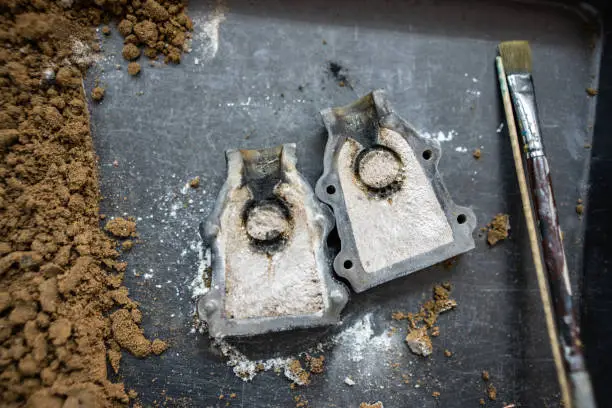
Understanding Sand Mold Quality and Its Role in Sand Casting
Quality of the sand model is the most important part of a successful casting process because it sets the standards for a perfect surface finish and accurate measurements. Modern manufacturing is very complicated, so it's important to know exactly how the qualities of the mold affect the quality of the finished product. This is especially important when making parts for important parts in car bodies, industrial equipment, and precision machinery.
Critical Parameters Defining Mold Excellence
The main thing that determines the quality of a surface's smoothness is the spread of its grains. Coarser grains can make surfaces less smooth, while finer grains can make surfaces more even. The American Foundry Society (AFS) grain fineness number is a common way to measure grain fineness. Higher numbers mean finer grains and better surface quality possibilities in general. The way gas escapes during metal casting is controlled by its permeability. This keeps flaws like gas porosity and surface cracking from happening, which would damage both the look and the strength of the structure.
To keep the mold's strength without adding flaws caused by steam during metal solidification, the moisture content needs to be precisely calibrated. Depending on the type of sand and binding system, the ideal moisture level is usually between 3 and 6 percent. Any changes outside of this range can cause mold to break or too much gas to be produced. The choice of binder chemical affects both the green strength, which is used for handling, and the dry strength, which is used for keeping the shape during casting.
Material Selection Impact on Performance
Choosing between silica sand, chromite sand, and other specialized refractory materials has a big effect on the surface quality and accuracy of the casting. Because it is thermally stable and affordable, silica sand is still the standard for aluminum and copper metal uses. On the other hand, chromite sand works better in high-temperature situations where precise measurements are needed.
These days, foundries are using synthetic sands more and more. These sands are made for specific metal systems and surface finish needs in sand casting. These materials are better than natural sands because they don't have uniform grain distribution, can't control how much they expand at high temperatures, and don't have the best permeability. There is generally a noticeable difference in the quality of the first pass and less need for extra finishing when you buy expensive sand systems for sand casting.
Key Factors Affecting Sand Mold Quality and Casting Surface Finish
There are a lot of factors that affect how well the mold is prepared and how good the finished surface is, so the whole casting process needs to be carefully controlled and watched. Engineers and procurement workers can set the right quality standards and properly evaluate a supplier's skills if they understand these connections.
Grain Structure and Distribution Control
The possible surface roughness values are directly related to the grain fineness number. For premium surface uses, AFS grain fineness numbers above 50 are usually needed. The form of the distribution curve changes the balance between packing density and permeability. Narrow distributions give a consistent surface texture, while wider distributions may have better permeability properties.
Modern foundries use grain measurement tools to keep the particle size distribution uniform and within certain limits. This way of looking at things analytically makes sure that the surface quality results are reliable and lowers the variation between production runs. Sand reclamation systems need to keep the grain specifications intact by using mechanical and heat processes that keeps the particle size distribution stable.
Moisture and Permeability Balance
To avoid surface flaws and keep mold strength at a good level, the link between moisture content and transparency needs to be carefully optimized. When metal is poured, too much wetness can turn into steam, which can lead to surface blisters, a rough roughness, and changes in the shape of the metal. Mold stability is compromised when there isn't enough moisture, which causes sand inclusion flaws and surface irregularities.
Standardized methods for permeability tests make sure that the ability of gas to escape is the same from one production run to the next. Target permeability values depend on how complicated the casting is and what kind of metal it is made of. For car aluminum parts, the normal range is between 80 and 200 permeability units. Real-time monitoring tools let changes be made right away to keep conditions at their best during production rounds.
Binder System Optimization
These days, there are more ways to control how mold strength grows and how the surface looks when sand casting. Phenolic urethane systems are good for making surfaces smooth and strong quickly, while furan resin systems are better for tough jobs that need to stay stable at high temperatures. Clay-bonded materials can still be used for many sand casting tasks, but the amount of water they contain needs to be carefully managed.
The curing process has a big effect on the possible quality of the surface. It makes the strength build up evenly, which stops local weak spots that can lead to surface flaws. When compared to traditional air-set processes, advanced hardening methods like controlled atmosphere curing and microwave processing produce better accuracy and surface quality.
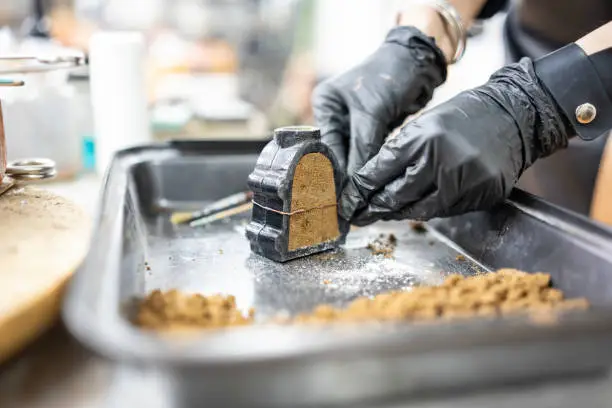
Common Casting Surface Defects Linked to Sand Mold Deficiencies
Surface defects are often caused by problems with the quality of the mold. This makes defect analysis an important tool for improving processes and judging suppliers. By preventing defects instead of finding them and fixing them, proactive quality control and cost savings are made possible.
Roughness and Texture Variations
Surface roughness that is higher than the standard limits is usually caused by choosing the wrong grain size or not controlling how the grains are distributed. Coarse sand grains give mechanical texture to the casting surface, while uneven grain distribution makes the surface texture of the component change. When permeability and grain packing let liquid metal get past the mold's intended limit, metal penetrates into the mold's surface.
For automotive parts that need paint to stick to them or areas that seal them, the surface roughness must be below certain levels. This makes grain selection very important for the success of production. Parts of industrial tools may be able to handle higher levels of roughness, but they still need a uniform texture to work right and look good.
Inclusion and Contamination Issues
When mold material gets lodged in the casting surface, sand inclusion flaws show up as raised areas and varying textures that make the casting look bad and not work properly. These flaws usually happen because the glue isn't strong enough, there is too much water in the mixture, or the mold wasn't handled properly during the preparation and pouring steps.
Adding alien materials to the sand system can make surface flaws and changes in size happen in specific areas. To avoid these problems, good sand preparation methods use magnetic separation, screening, and pollution tracking. Regular testing of the sand finds possible sources of pollution before they affect the quality of the production.
Dimensional and Geometric Distortion
When metal hardens in a sand casting form that isn't stable, it can leave surface flaws and shape changes that might need a lot of extra cutting to fix. When the rates of heat expansion of the sand and the metal are not the same, it can cause surface stress patterns and localized warping, which can change both how it looks and how accurately it is measured.
The quality of the core sand is especially important for parts that have internal pathways or complex shapes, because a rough surface affects how fluid flows and how well the part works. To keep parting line flaws from happening, the cope and drag mold parts need to be perfectly aligned and have a good surface quality.
Best Practices to Optimize Sand Mold Quality for Superior Surface Finish
Using organized methods for mold quality control makes it possible to consistently meet surface finish goals while lowering the number of defects and production variations. Choosing materials, controlling the production process, and making sure quality are all coordinated during the whole production cycle is needed for these practices to work.
Advanced Material Selection Strategies
To choose the right sand and binder strategically, you must first carefully look at the needs of each part, such as its surface finish requirements, size limits, and functional performance standards. When a material is compatible with a certain metal system, chemical processes that could damage the surface quality or accuracy of the dimensions don't happen.
Here are the main benefits of using modern methods to choose materials:
- Engineered Sand Systems: Compared to natural options, synthetic sands offer uniform particle size distribution, controlled thermal qualities, and better surface finish potential.
- Specialized Binder Chemistry: Modern binder systems offer customized strength growth patterns, better surface quality, and better performance in harsh environments.
- Optimizing for specific metals: choosing the right material for aluminum, copper, or iron alloys guarantees the best results in terms of thermal stability and surface finish.
- Quality Certification: High-quality products come with detailed test reports and quality approvals that help meet traceability standards.
Because of these benefits, the surface quality problems that come up in tough situations are directly solved, and the first-pass quality rates go up while the need for extra finishing goes down.
Process Control and Monitoring Systems
Monitoring important factors in real time lets you react right away to changes that might have an effect on the surface quality results. Controlling the temperature while the mold is being prepared affects how the water is distributed and how the glue works, so it's important to be able to precisely watch and make changes.
Automated sand preparation systems can safely keep the mixing ratios, moisture content, and temperature stable, which isn't possible with human methods. Statistical process control programs find patterns and changes before they affect the quality of the result. This lets changes be made proactively instead of reactively.
Quality Assurance Integration
Comprehensive testing methods make sure that the quality of the mold stays the same during all production runs. Modern scientific technology in sand testing labs lets them give quick feedback on important factors like grain distribution, moisture content, porosity, and compressive strength.
Clear quality standards and testing processes are set by supplier qualification programs. This makes sure that the quality of materials from outside sources is always the same. Suppliers are held accountable through regular checks and performance reports, which also find ways to keep improving the quality of the surface.
Case Studies: Successful Improvements in Casting Surface Finish Through Mold Quality Enhancements
Using mold quality improvements in the real world shows that they are useful in many different types of industries. These examples show real-world ways to improve the finish on a surface while also showing how quality changes can affect a business.
Automotive Component Surface Enhancement
A big company that makes transmission housings for cars kept having problems with the finish on the outside, which meant they had to do a lot of extra work on the machine, which sped up production and cost more money. Analysis showed that uneven sand grain distribution and poor moisture control led to surface roughness differences that were higher than what was allowed by specification.
Using designed sand casting methods with controlled particle size distribution made the surface finish 40% more uniform right away. During production runs, automatic moisture control systems kept the conditions just right, which cut the number of surface flaws from 12% to less than 3%. Buying better tools for preparing the mold saved money because they cut down on the need for extra cutting and made the first pass better.
As an added bonus, the dimensions were more accurate, which made assembly easier and raised customer happiness numbers. Because this project worked so well, similar quality changes were made to more product lines and manufacturing sites.
Industrial Equipment Durability Enhancement
A company that makes industrial pumps had problems with parts breaking down too soon because of poor surface finish, which affected how well the parts sealed and how they wore. An investigation found that sand addition flaws and changes in surface roughness were the main reasons why parts didn't last as long.
Process improvements were mostly made to the binding system and the way the sand was prepared. These changes got rid of sources of contamination and made the surface more consistent. New quality control measures, such as measuring the roughness of the surface and setting standards for eye inspection, kept broken parts from getting to the assembly steps.
As a result, 60% fewer guarantee claims were made about problems with the surface finish, and customers had more faith in the stability of the product. Manufacturing efficiency went up because less work had to be redone and the surface finish results were more consistent across production runs.

Conclusion
The surface finish of the sand casting depends a lot on how well the mold is made. It's because controlling the wetness, the chemistry of the binder, and the handling of the process all work together in a complicated way. To get a good surface finish, you need to be very careful to pick the right materials, make the process as efficient as possible, and make sure quality control is part of the whole production process. Better mold quality changes more than just how it looks on the outside. It also changes how well the part works, how exactly it measures, and how happy customers are with it. All of these things have a direct effect on how competitive and profitable production is.
FAQ
What part does the size of the sand grains play in making the casting areas smooth?
The size of the sand grains directly affects how the surface roughness transfers from the mold to the casting. Finishes with smaller grains tend to be smoother. AFS grain fineness numbers above 50 usually give the surface quality needed for precision and automotive uses. Coarser grains may be fine for structural parts where surface finish standards are not as strict.
How can companies make sure that the amount of water in sand molds stays the same?
Automated mixing systems, environmental controls, and real-time tracking tools that keep goal moisture levels within tight ranges are needed for consistent moisture control. During the production process, storage conditions, controlling the atmospheric humidity, and how the sand is handled all have an effect on its moisture stability.
What flaws show that the quality of the sand mold during production was poor?
Surface roughness that is too rough, sand addition flaws, dimensional changes, and gas-related surface blistering are all common signs. Systematic flaw analysis helps find specific problems with the quality of the mold and directs efforts to make things better.
Partner with Fudebao Technology for Premium Sand Casting Solutions
To get an excellent surface finish, you need to know a lot about advanced sand casting techniques and be able to make things very precisely. Zhejiang Fudebao Technology Co., Ltd. has decades of experience working with metals and uses cutting edge tools like high-speed machining centers, CNC lathes, and low-pressure casting machines to make sure the surfaces they work on are of the highest quality. Our sand casting maker can handle the whole production process, from preparing the melt to finishing the piece. This means that we can guarantee dimensions to within 0.05 mm and surface quality that meets the highest standards in car and industrial settings. Get in touch with hank.shen@fdbcasting.com to find out how our tried-and-true quality systems and technical know-how can help you meet your component surface finish needs.
References
American Foundry Society. "Sand Testing Handbook: Procedures and Standards for Foundry Sand Quality Control." 2019 Edition.
Campbell, John. "Complete Casting Handbook: Metal Casting Processes, Metallurgy, Techniques and Design." 2nd Edition, Butterworth-Heinemann, 2015.
Brown, J.R., editor. "Foseco Foundryman's Handbook: Facts, Figures and Formulae." 11th Edition, Butterworth-Heinemann, 2000.
Heine, R.W., Loper, C.R., and Rosenthal, P.C. "Principles of Metal Casting." 2nd Edition, McGraw-Hill, 1967.
Beeley, Peter. "Foundry Technology." 2nd Edition, Butterworth-Heinemann, 2001.
American Society for Testing and Materials. "Standard Test Methods for Sand Casting Quality Control." ASTM International, 2020.



_1756348543350.webp "Automotive Turbine Casting")
_1756361323684.webp "column guide sleeve")
_1756349146076.webp "Lawn mower case casting")
_1756348356531.webp "Automobile engine oil pan")