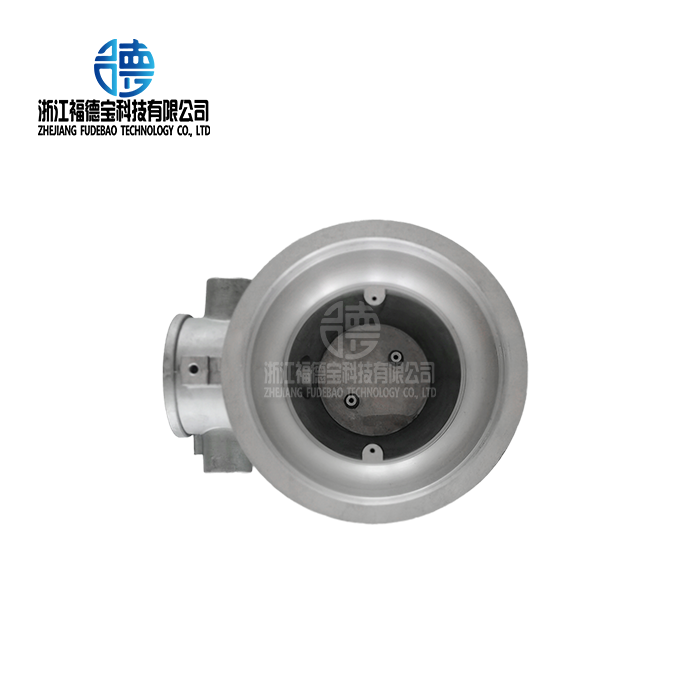
Precision Machining of Copper Castings Explained
2026-03-10
Precision machining of copper castings is a specialized way to make parts from raw copper alloys that are very exact in size and tolerance and are needed for important industrial uses. Copper castings have great heat transfer, electrical qualities, and corrosion resistance, which makes them essential in fields that need to work reliably in harsh circumstances. During the machining process, copper's unique qualities must be carefully thought through. For example, copper has a tendency to work-harden during cutting operations. When makers understand these basics, they can get better surface finishes and more accurate measurements while still getting the benefits that make copper castings so popular in precision manufacturing.
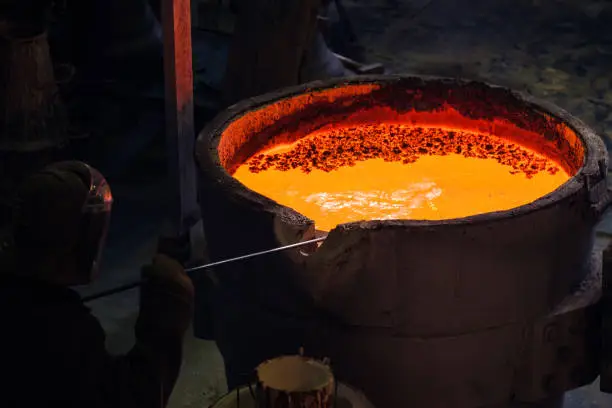
Understanding Copper Castings and Their Precision Machining
Copper alloy casts include a wide range of parts that are made using different manufacturing methods, each of which has its own benefits for certain uses. Some of the most common ways to cast are sand casting for complicated shapes, investment casting for fine details, and die casting for mass production with great surface quality.
Casting Methods and Material Properties
Sand casting is still the most flexible way to make copper parts, especially for bigger parts that need complicated internal features. Investment casting is perfect for aircraft and medical devices because it gives the best surface finish and most accurate measurements. Die casting is a fast way to make things with stable standards, but it costs a lot to buy the tools that are needed.
Copper has a heat conductivity of about 400 W/m·K, which makes it difficult to machine precisely. During cutting processes, heat can make the item expand, which can change how accurately the dimensions are held. Copper is also malleable, which can cause cutting tools to build up edges, which needs special tooling techniques and cutting parameters.
Precision Machining Fundamentals
With precision machining, cast copper parts can be turned into finished products that meet strict spec standards and are often accurate to within ±0.05mm. To get to the end size, material has to be removed while the surface integrity and mechanical qualities are kept. Modern CNC machining centers have improved spindle systems and liquid supply devices that make it possible for production runs to produce the same results.
Choosing the right tools is a very important part of getting the best results. Sharp, positive-rake cutting tools use less force and heat, and special finishes make the tools last longer and make the surface better. Cutting speeds are usually between 200 and 800 surface feet per minute, but they can be higher or lower based on the metal and the shape of the part.
Key Considerations in Precision Machining of Copper Castings
To successfully machine copper castings, you have to deal with a number of issues that are unique to the material and can have a big effect on the quality of the parts and the speed of production. Manufacturers can build strong processes that regularly offer high-quality parts when they know about these things.
Common Defects and Quality Control
When it comes to copper casting cutting, porosity is one of the biggest problems. When material is removed, subsurface gaps can become visible, which can damage the surface and make it harder to get accurate measurements. Ultrasonic testing and computed tomography are two examples of advanced checking methods that can help find problems before they happen during machining.
Stress reduction in cast parts causes them to warp during machining processes. Distortion risks are kept to a minimum by using the right fixturing methods and heat treatment techniques. Progressive grinding methods, in which material is removed in several passes with stress-relief processes, help keep the dimensions stable during the whole process.
During the pre-machining check, surface flaws like inclusions and cold shuts need to be carefully looked at. These breaks in the surface can damage tools and lower the quality of the finish. Setting clear acceptance criteria based on the needs of the program makes sure that quality standards are maintained across all production runs.
Best Practices for Machining Excellence
To find the best cutting settings, you have to find a balance between quality and efficiency. Here are the most important things you can do to make sure you get the same results with different types of copper alloys:
- Cutting speed optimization: keeping speeds between 300 and 600 SFPM stops too much heat from building up and makes sure that material is removed quickly and efficiently. This is especially important for copper because it conducts heat very well.
- Implementing the coolant strategy: Flood cooling with high-pressure delivery systems gets rid of heat well while letting chips escape, which stops the buildup of edges that often happens with copper materials.
- Choosing the right tool geometry: Cutting edges that are sharp and have positive rake angles reduce cutting forces and heat production. This makes the tool last longer and improves the quality of the surface finish on a range of copper alloys.
- Things to think about when holding work: Rigid fixturing systems spread clamping forces out evenly, which keeps the workpiece from warping and allows for heat expansion during long cutting cycles.
All of these methods work together to make a complete plan that handles the special problems that copper's features bring up. When used correctly, these methods help manufacturers keep production rates high while getting regular accuracy in measurements.
Both in-process and end inspection steps must be included in quality assurance processes. Using coordinate measuring tools to check the sizes makes sure they meet engineering standards. Measuring the surface roughness makes sure that the finish meets the requirements, and testing the material makes sure that its mechanical qualities stay within accepted limits.
Inspection and Standards Compliance
Following international quality standards like ISO 9001 and ASTM specs makes sure that the quality of the products is always the same and that customers are happy. For aerospace and automobile uses, documentation needs to be complete and easy to follow throughout the whole manufacturing process. Statistical process control methods help find patterns and stop quality problems before they slow down production.
Comparing Copper Castings to Other Metal Castings for Precision Applications
Compared to other materials, copper casts have clear benefits when used for accurate machining. When buying teams know about these performance traits, they can make better choices based on the needs of the application and the limitations of the operation.
Performance Comparison Analysis
Aluminum castings have great strength-to-weight ratios and are easier to work with than copper castings, but copper castings are better at conducting electricity and heat. Steel casts are very strong and last a long time, but they need to be machined in a more aggressive way and are hard to get smooth surfaces on. Brass casts have many of the good qualities of copper, but they are easier to work with and don't carry electricity as well.
Copper is better than most other materials at resisting corrosion in sea and chemical industry settings. This feature makes parts last longer and requires less upkeep, so even though they cost more at first, they are worth it in the long run. Copper is useful in medical and food processing settings where keeping germs from spreading is important because it kills microbes.
Cost Factors and Lead Time Considerations
Copper castings generally have higher material costs than options made of metal, but when you look at the total cost of ownership, they are still competitive. Copper is easy to work with, which cuts down on production time compared to harder materials. This helps to partly make up for the higher cost of raw materials. Pricing is heavily affected by the amount that is needed, and bigger production runs benefit from economies of scale in both casting and cutting.
Lead times for copper castings depend on how complicated they are and how many are needed. Standard metal compositions usually have faster shipping times because the materials are easier to get. Custom metal specs may mean that getting the materials and setting up the schedule at the factory will take longer than expected. Setting up long-term supply deals with qualified foundries helps make sure that your products are always available and that you can get good prices.
Copper's electrical and heat properties make it worth paying more for in situations where these qualities are necessary for the function. Copper's performance benefits are greater than its cost in applications like power transfer components, heat exchangers, and electrical housings.
Procurement Insights: How to Source Quality Precision Copper Castings
To successfully buy precision copper castings, you need to carefully look at the skills, quality processes, and specialized knowledge of the suppliers. Building partnerships with reputable foundries guarantees a steady supply while upholding the high quality standards needed for tough uses.
Supplier Evaluation Criteria
Quality licenses are important ways to tell if a supplier is qualified and dedicated to doing a great job. ISO 9001 certification shows that a basic quality system has been put in place, while certifications specific to an industry, like AS9100 for aircraft uses, show that the company has specialized knowledge. Environmental standards like ISO 14001 show a dedication to environmentally friendly production methods that are becoming more and more important to business responsibility programs.
Technical skills include both working in a factory and knowing how to machine things. Dimensional accuracy possibilities can be seen by looking at the powers of the equipment, such as the specs of CNC machines and inspection tools. Looking at past performance records and customer references can help you confirm the claimed skills and find possible performance risks.
Collaboration and Customization Options
Successful relationships with suppliers go beyond just buying things. They also include strategic partnerships that help with product creation and efforts to make things better all the time. Here are the main areas of teamwork that make projects better:
- Help with design optimization: Foundries with a lot of experience can give advice on casting designs that make them easier to make and cheaper, because they know how materials flow and solidify.
- The ability to make prototypes: Rapid prototyping services let you test your idea before you buy production tools. This lowers the risk of development and speeds up the time it takes to get new goods on the market.
- Quality system integration: For industries with a lot of rules, like aircraft and medical devices, shared quality planning and control processes make sure that standards are the same all along the supply chain.
- Help with technical paperwork: Full documentation packages with things like material certificates, dimensional reports, and process validation data meet the needs of regulatory compliance and customer approval.
These joint methods add value above and beyond basic manufacturing services by encouraging new ideas and making operations more efficient. Setting up clear rules for communication and holding regular review meetings helps keep everyone on the same page throughout the lifecycle of a project.
Another important thing to think about when choosing a source is how flexible their production is. Being able to handle both small amounts for prototypes and large amounts for full production without affecting quality or shipping performance is a very useful business flexibility. Knowing the minimum order amounts and setup costs can help you make the best decisions about what to buy and how to handle your inventory.
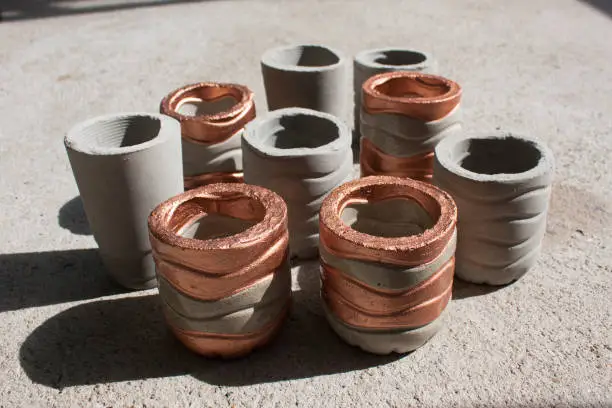
Future Trends and Innovations in Copper Casting and Machining
The copper casting business is always changing because of new technologies and shifting market needs. Throughout the supply chain, new ideas are driven by the merger of automation, environmentally friendly production methods, and new application areas.
Technological Advancements
The development of CNC machining technology makes it possible to make copper parts with more complicated shapes and tighter tolerances. Five-axis machining centers make it easier to get to complicated features while minimizing setup time, handling time, and the accuracy of dimensions. Adaptive control systems change the cutting settings automatically based on real-time feedback. This makes the machine work better in a variety of material circumstances.
Additive manufacturing technologies work with traditional casting methods to make it possible to make complex copper parts quickly and in small batches. Even though these technologies aren't quite ready for mass production yet, they can be used for design evaluation and specific tasks that need shapes that can't be made with traditional casting methods.
Smart manufacturing systems collect and analyze data throughout the whole production process. This lets repair be planned ahead of time and quality be improved. By keeping an eye on machine factors in real time, trends that could mean tool wear or process drift can be found. This stops quality problems before they affect production output.
Market Demand Evolution
Copper parts used in solar panels, wind machines, and energy storage systems are in higher demand as the renewable energy sector grows. To meet the efficiency and dependability needs of these uses, special alloy compositions and precise manufacturing are needed. Copper demand for battery systems, charge facilities, and motor parts grows even more as more electric vehicles are sold.
Copper's natural ability to prevent biofouling and protect against corrosion makes it useful in the marine business. For modern vessel systems and offshore renewable energy projects, parts need to be able to survive harsh marine conditions while keeping their shape and mechanical qualities for long periods of time.
Environmental factors are becoming more and more important in choosing materials and making things. Copper can be recycled and lasts a long time, which is good for green goals. Also, new casting technologies use less energy and have less of an effect on the environment than older ones.
Conclusion
For the best results, precision cutting of copper castings is a complex manufacturing process that needs specialized knowledge and skill. Copper's unique qualities, such as its high resistance to corrosion and great heat and electrical conductivity, make these parts necessary in a wide range of industrial settings. To be successful, you need to know how the material works, use the right cutting techniques, and keep strict quality standards throughout production. As technology keeps getting better and new market possibilities open up, copper castings will stay important parts for uses that need solid performance and long-term durability. Strategic relationships with suppliers and ongoing process improvement make sure that you can get high-quality parts that meet the changing needs of the industry and help you stay ahead of the competition.
FAQ
What distinguishes copper castings from bronze castings in precision applications?
Copper casts have a higher copper content, usually above 99%, than bronze alloys, so they carry electricity and heat better. Tin, aluminum, or other alloying elements are added to bronze models to make them stronger and more resistant to wear, but they also make the metal less conductive. Pure copper castings are best for electrical applications that need the best conductivity. Bronze castings, on the other hand, work best in bearing and wear applications where mechanical properties are more important than electrical properties.
Which casting method provides the highest precision for small copper components?
When it comes to small copper parts, investment casting gives you the most accurate measurements, with errors of just 0.003 inches and a great surface finish. The process uses wax patterns that can be thrown away and ceramic shell molds, which make it possible to cast detailed features and complex shapes that would not be possible with other methods. Even though investment casting has longer lead times and costs more for tools, the accuracy it achieves means that extra cutting is often not needed for many features.
How can manufacturers prevent common machining defects in copper castings?
To stop cutting flaws, the whole process must be carefully managed, from checking the materials to making sure the finished quality is good. Ultrasonic checking before cutting finds internal porosity that could lead to surface flaws when the material is removed. Choosing the right cutting tools with sharp edges and the right rake angles will keep built-up edges to a minimum. Using the same amount of coolant every time keeps the dimensions of the workpiece from changing during cutting processes.
What quality standards apply to precision copper casting applications?
Depending on the needs of the business, copper casting uses must follow more than one quality standard. AsTM B505 talks about casting requirements for copper alloys, and ISO 1338 talks about copper castings' size limits. For aerospace uses, you need to be certified to AS9100 and meet AMS requirements. Parts for cars have to meet PPAP standards and any applicable QS standards. For medical device uses, ISO 13485 approval and, if necessary, FDA compliance are needed.
Partner with Fudebao Technology for Superior Copper Castings
Zhejiang Fudebao Technology Co., Ltd. is ready to provide you with precision-machined copper castings that meet or exceed your quality and performance needs. Our cutting edge building has advanced CNC lathes and experts in working with copper alloys, so we can get measurements to be accurate to within ±0.05mm for the toughest jobs. We are a reliable copper castings supplier that works with the automobile, industrial, electrical, and aerospace industries around the world. We offer full solutions, from helping with the planning phase to delivering the finished part. Get in touch with hank.shen@fdbcasting.com to talk about your unique needs and find out how our proven skills can help your next project succeed.
References
ASM International Handbook Committee. "Copper and Copper Alloys: Casting, Classification and Properties." ASM International Handbook Series, Volume 15, Materials Park, Ohio, 2018.
Campbell, John. "Complete Casting Handbook: Metal Casting Processes, Metallurgy, Techniques and Design." Butterworth-Heinemann Engineering Materials and Processes Series, Oxford, 2020.
Davis, Joseph R. "Copper and Copper Alloys: Machining, Forming, and Surface Treatment Practices." ASM International Specialty Handbook Series, Materials Park, Ohio, 2019.
International Organization for Standardization. "Copper Alloy Castings: Technical Delivery Conditions and Quality Requirements." ISO 1338 Standards Publication, Geneva, Switzerland, 2021.
Machinery's Handbook Editorial Board. "Precision Machining of Non-Ferrous Metals: Copper, Aluminum and Specialty Alloys." Industrial Press Technical Reference Series, New York, 2022.
Society of Manufacturing Engineers. "Advanced CNC Machining Techniques for Copper Alloy Components in Precision Applications." SME Manufacturing Engineering Series, Dearborn, Michigan, 2023.



_1756361423150.webp "Cryopump body")
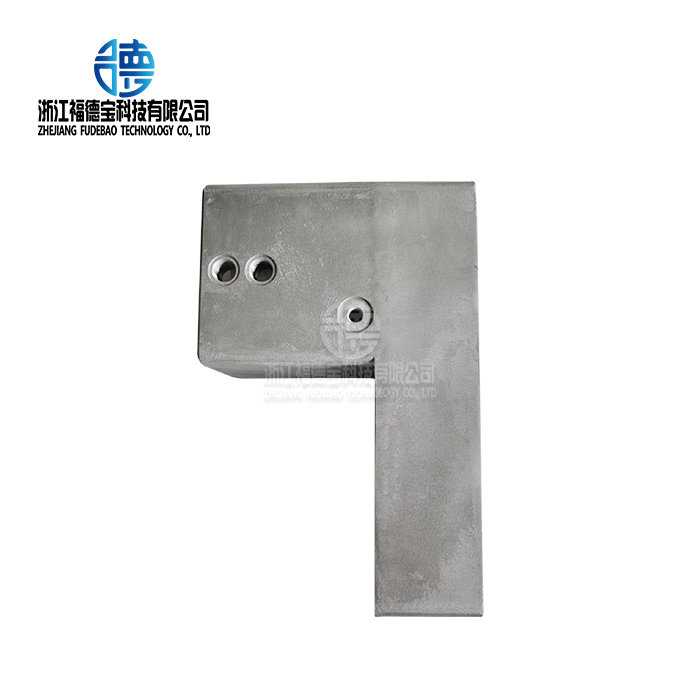
_1756349862928.webp "belts pulleys")
_1756349794241.webp "round belt pulley")
_1756349146076.webp "Lawn mower case casting")