Heat Treatment Options After Aluminum Die Casting
2026-03-10
After aluminum die casting, there are a number of important steps that can be done using heat to turn raw cast parts into high-performance parts that meet strict industry standards. Some of these post-casting processes are solution heat treatment, artificial aging, and stress relief annealing. They improve mechanical qualities like strength, hardness, and resistance to corrosion while also dealing with problems like porosity and leftover stress. When procurement teams know about these methods for improving aluminum die casting, they can make decisions that improve the performance of parts used in automobile, aerospace, and industrial settings.
Understanding Aluminum Die Casting and the Role of Heat Treatment
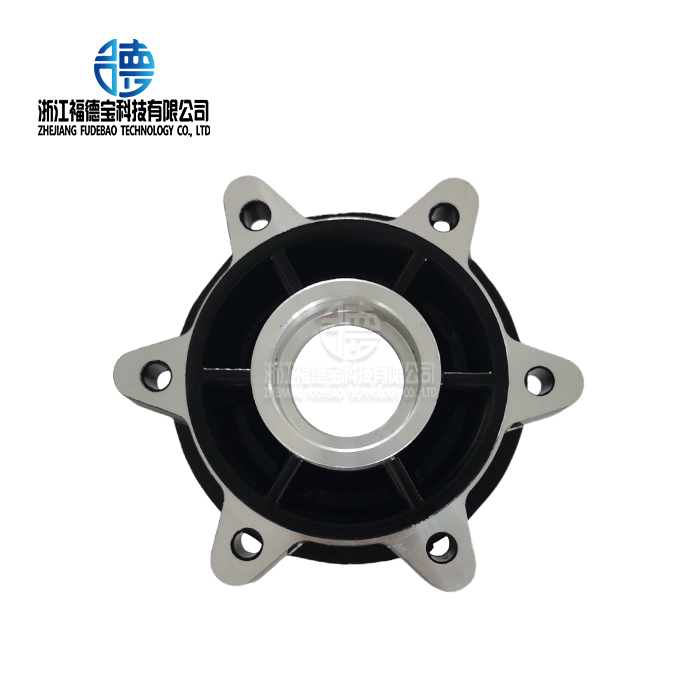
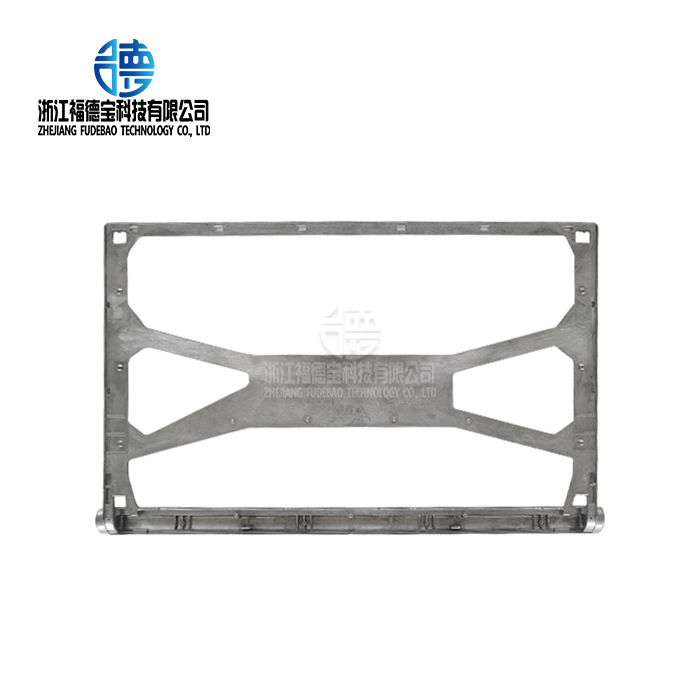
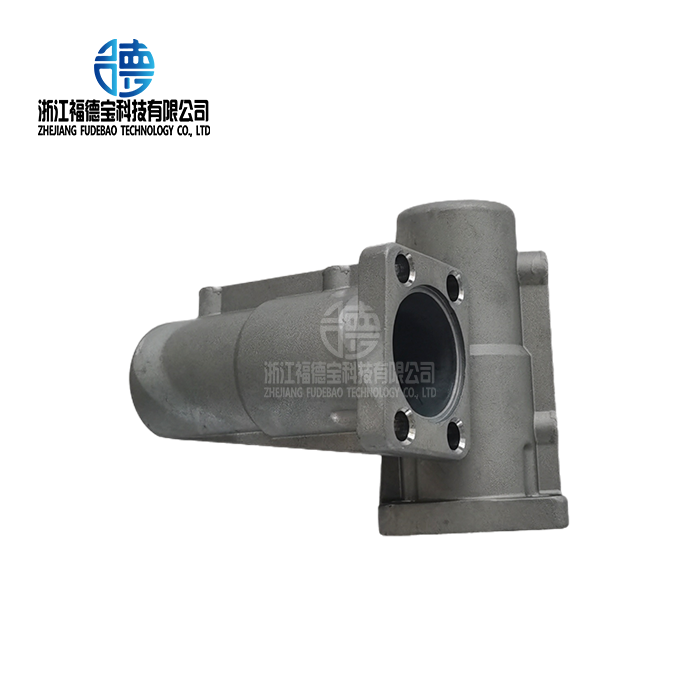
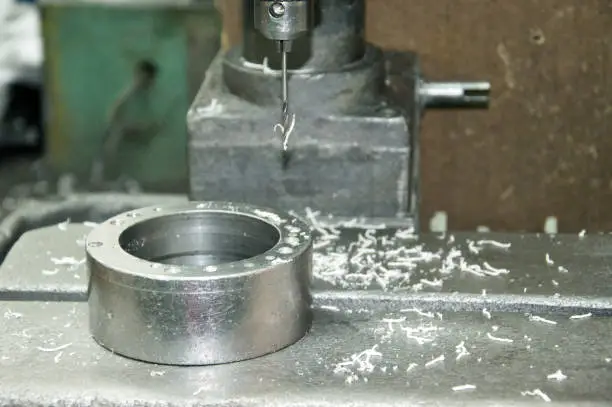
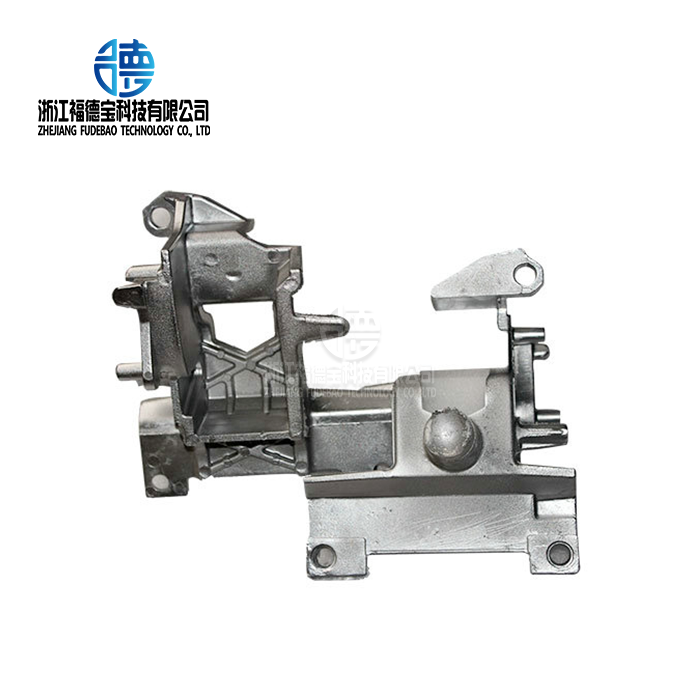
One of the most efficient ways to make large quantities of complicated, high-precision parts is through aluminum die casting. With this method, liquid aluminum metal is pushed into steel molds under a lot of pressure. This makes parts that are very accurate in size and have a smooth surface. From the car industry to the aircraft industry, this process is used to make engine housings and structural brackets that need to be strong and light at the same time.
The Science Behind Post-Casting Enhancement
A lot of the time, microstructural flaws in raw aluminum castings can hurt their long-term performance. These parts often have leftover loads from cooling quickly, holes from gas trapping, and uneven grain structures that change their mechanical properties. Controlled temperature processes that rearrange the metal's atomic structure are how heat treatment solves these basic problems.
Metallurgical changes that happen during heat treatment include the dissolution and precipitation of alloying elements, the transfer of stress, and the changing of grain boundaries. These changes have an immediate effect on the part's ability to handle practical pressures, protect against corrosion, and keep its shape throughout its useful life. Engineers know that the right heat treatment can boost tensile strength by 20–40% and wear resistance by a large amount.
Critical Applications Across Industries
When weight reduction and strength improvement are the most important factors, automotive makers gain the most from heat-treated die cast parts. Post-casting heat treatment is needed to improve the qualities of engine blocks, transmission housings, and suspension parts. In the same way, aircraft uses need the high strength-to-weight ratios that can only be achieved through careful heat processing.
Major Heat Treatment Methods for Aluminum Die Casting
The right heat treatment method is chosen based on the alloy's makeup, the qualities that are wanted, and the needs of the end use. Each method has its own benefits and focuses on different performance factors that are important for the component to work.
Solution Heat Treatment Fundamentals
During solution heat treatment, parts made of aluminum die casting are heated to temperatures between 480°C and 540°C, based on the alloy used. Copper, magnesium, and silicon are alloying elements that are broken down by this method into the aluminum core, making a solid solution that is regular. These parts stay in place after fast cooling, getting the material ready for the next steps in the aging process.
A380 and ADC12 are two popular metals that respond very well to solution treatment, making them much easier to bend and machine. Usually, the process needs between 4 and 12 hours of soaking time to make sure that all of the secondary stages are dissolved across the whole cross-section of the casting.
Aging Processes: Natural and Artificial
Aging is the planned formation of dissolved alloying elements in order to reach certain goals for strength and hardness. Over a few days or weeks, natural aging happens at room temperature. Artificial aging, on the other hand, speeds up the process and makes the product stronger by heating it to 150°C to 200°C.
By carefully controlling time and temperature, artificial aging lets you have exact control over the end features. T6 tempering, which is done by treating the steel in a solution and then artificially aging it, usually raises the yield strength by 60–80% compared to the state it was in when it was first made. Because of this huge improvement, T6-treated parts can be used in places with a lot of stress, like engine parts for cars and aircraft structures.
Stress Relief Annealing Applications
Stress relief annealing gets rid of internal stresses in a metal without changing its texture too much. This lower-temperature process (200°C to 300°C) is great for making precise parts that need to stay the same size. Stress relief is especially helpful for parts with complicated shapes or thin walls because it keeps them from distorting during later cutting processes.
Comparing Heat Treatment Options: Criteria and Outcomes
When choosing a heat treatment choice, procurement teams have to look at a lot of different things. They have to balance performance needs with cost and time constraints. Understanding these trade-offs helps everyone in the supply line make better choices.
Mechanical Property Optimization
Different ways of heating something make it stronger, more flexible, or tougher in different ways. Solution-treated and old parts are the strongest but also the least flexible, which makes them perfect for load-bearing uses. On the other hand, stress-relieved parts keep their flexibility while making them more stable in terms of their dimensions.
When choosing a treatment for best results, think about the following things:
- T6 treatment is good for high-stress situations because it increases tensile and yield strength while keeping enough flexibility for most operating needs.
- Stress relief annealing is often needed for precision parts with tight specs to keep them from warping during finishing operations.
- Places where corrosion is very likely to happen may need certain age conditions that make the structure of the precipitation better for better defense.
Because these property relationships have a direct effect on how well and how long a component works, choosing the right method is an important engineering decision. Transmission housings for cars need to be strong and precise, so they usually get the full T6 treatment, even though it costs more and takes more time.
Cost and Timeline Implications
Depending on the size and complexity of the treatment, heat treatment can add two to five days to the production plan. Solution treatment rounds can last anywhere from 8 to 16 hours, and age processes need more time to work at their best. These time constraints affect plans for inventory and shipping times, especially for high-volume automotive uses.
There are big differences in processing prices based on the part's shape, the batch size, and the treatment type. In aluminum die casting, it costs more to make complicated shapes that need to be carefully fixed in place to keep them from warping than it does to make simple shapes. But these investments usually pay off because they make things more efficient. This means that parts last longer and there are fewer guarantee claims.
Common Challenges and Quality Concerns in Heat Treating Aluminum Die Castings
The success of heat treatment rests on carefully managing a number of factors, and deviating from the best settings can cause major quality problems. Knowing about these possible issues helps buying teams set the right quality standards and needs for suppliers.
Distortion and Dimensional Control
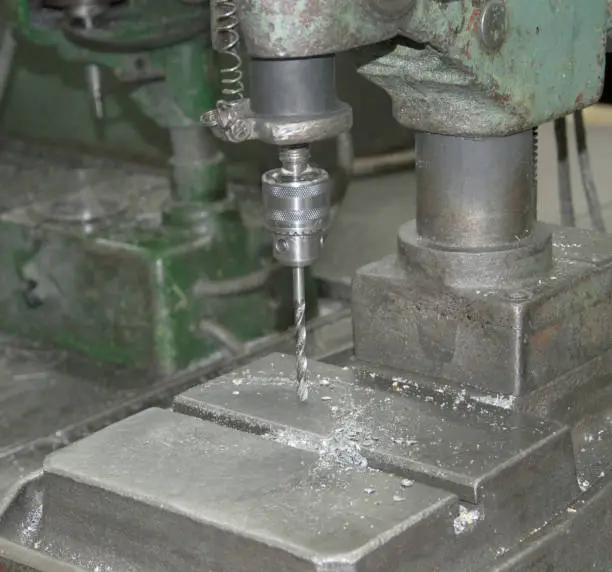
During heat treatment, thermal cycle can cause warping, especially in shapes with thin walls or a lot of corners. Dimensional differences that may be too big or too small can be caused by uneven heating, bad fixtures, or bad cooling methods. For heat treatment to work, the fixtures must be specially made to hold the parts in place during thermal processes and allow for thermal expansion.
Modern furnaces with multiple heating zones and automated temperature control help lower the risk of distortion. Some sellers buy vacuum furnaces, which have better temperature stability and don't have to worry about oxidation, but they cost more to process.
Mechanical Property Consistency
To get mechanical traits that are the same from one production batch to the next, strict process control and quality tracking are needed. Just 10°C changes in temperature can have a big effect on the end properties, so it's important to calibrate and keep an eye on the oven properly. Tensile testing and hardness readings should be done on a regular basis to make sure that treatments meet the standards.
Process documentation is very important for car providers that need to follow PPAP. Supporting quality system standards, detailed heat treatment records with time-temperature curves and property verification data make it possible to track goods all the way through the supply chain.
Surface Quality Preservation
If you don't keep an eye on it, heat treatment can change the finish on the surface and cause rust. Protective atmospheres or vacuum conditions keep the surface from wearing down, and the good surface finish that die casting makes possible is kept up with the right handling methods. In some cases, the surface may need to be prepared after treatment in order to get the best finish qualities back.
How to Select the Right Aluminum Die Casting Heat Treatment Service
To pick the right heat treatment partner, you need to carefully look at their professional skills, quality processes, and ability to work with your supply chain. Having the right relationship with your suppliers can have a big effect on both the performance of your parts and the speed of your production.
Technical Capability Assessment
Before you can judge a possible heat treatment supplier, you need to know what kind of tools they have and how well they know how to use it. Modern facilities should have digital controls for furnaces, methods for managing the atmosphere, and the ability to do all kinds of tests. Some sellers are better than others because they can handle parts of different sizes and shapes while still meeting quality standards.
Different industries have different certification needs. For example, car suppliers usually need to be compliant with TS16949, while aerospace uses need to be compliant with AS9100. These quality system standards make sure that processes are always the same and that the right paperwork is kept for tracking purposes.
Service Integration Options
Service for heat treatment can be added to the business process in a number of ways. Some companies that make aluminum die castings offer full solutions that include heat treatment and end cutting. Other suppliers only do casting and hire outside companies to do the heat processing. Depending on how much is needed and how strict the quality control needs to be, each way has its own pros.
Integrated providers make it easier to communicate and take responsibility, which makes them a good choice for complicated projects where the conditions for casting and heat treatment need to be closely coordinated. Specialized heat treatment businesses may have better technical knowledge and tools, but they need to coordinate their supply chains more.
Supplier Relationship Management
To build good ties with suppliers, you need to be clear about what you need and what you expect. Specifications that are very detailed about the treatment, the tests that need to be done, and the quality standards help avoid confusion and guarantee consistent results. Regular performance reviews and checks of suppliers keep quality standards high and find ways to make the process better.
Most of the time, long-term partnerships work out better than short-term interactions. Suppliers who care about their customers' success offer helpful technical support and suggestions for optimizing processes that can make things better in the long run, both in terms of quality and cost.
Conclusion
After aluminum die casting, there are several heat treatment choices that are necessary to get better part performance in tough industrial settings. Manufacturers can improve the mechanical qualities of materials while meeting the needs of specific applications by carefully choosing the solution treatment, aging, and stress relief methods they use. Putting money into the right heat treatment usually pays off in a big way by making parts more reliable, improving their performance, and lowering guarantee worries. To be successful, you need to know how the alloy's composition, treatment factors, and desired traits are related to each other. You also need to work with skilled suppliers who have strict quality standards and the ability to control the process.
FAQ
What are the most common heat treatment methods for aluminum die castings?
Solution heat treatment, fake aging (T6 temper), natural aging, and stress release annealing are the main types of heat treatment. At 480–540°C, solution treatment breaks down the alloying elements. This is followed by cooling and aging to reach the appropriate strength levels. When solution treatment is combined with fake aging at 150–200°C, the T6 treatment gives the strongest results for tough uses.
How does alloy composition affect heat treatment selection?
Based on the alloying elements they contain, different aluminum alloys react to heat treatment in different ways. The T6 process makes the silicon and copper-based A380 alloy very strong, but the higher silicon content in the ADC12 alloy may need different conditions. It is very important to choose the right metal for treatment because it affects the temperatures at which it dissolves, how it reacts to age, and the highest levels of properties that can be reached.
What quality control measures ensure consistent heat treatment results?
For consistent results, you need to be able to precisely control the temperature (within 5°C), the time, the atmosphere, and the equipment in the furnace on a frequent basis. Quality control includes checking the product before it is processed, keeping an eye on it the whole time it is being processed, and testing it afterward, such as measuring its stiffness and tensile strength. All process factors must be written down so that they can be tracked and improved all the time.
How much time does heat treatment add to production schedules?
Heat treatment can add anywhere from two to five days to the production time, based on the size of the part and how complicated the treatment is. Solution treatment needs 4 to 12 hours of heating time, and aging processes need an extra 8 to 24 hours. The total cycle time includes times for cooling and handling between processes. To meet delivery schedules, it is important to plan ahead of time.
Partner with Fudebao Technology for Superior Heat Treatment Solutions
With decades of experience in metalworking and cutting-edge heat treatment tools, Zhejiang Fudebao Technology Co., Ltd. can give you the best results for your aluminum die casting projects. Our center handles the whole process, from melting to finishing, so the casting and heat treatment activities can work together perfectly. With accuracy up to ±0.05mm and a lot of experience working with car, aircraft, and industrial equipment companies, we know how important it is for heat-treated parts to work well in tough situations. Our team of metals experts works closely with your engineering teams to find the best treatment settings for both performance and cost. Get in touch with us at hank.shen@fdbcasting.com to talk about your heat treatment needs and find out why top makers trust Fudebao Technology as their aluminum die casting provider.
References
Davis, J.R., ed. "Aluminum and Aluminum Alloys Heat Treatment Handbook." ASM International Handbook Committee, Materials Park, Ohio, 2018.
Kaufman, J.G. and Rooy, E.L. "Heat Treatment of Aluminum Die Castings: Properties and Performance Optimization." The Aluminum Association Technical Manual, 2019.
Mondolfo, L.F. "Aluminum Alloys: Structure and Properties After Heat Treatment." Butterworth-Heinemann Technical Publications, London, 2020.
Sheppard, T. "Heat Treatment Effects on Aluminum Die Cast Component Mechanical Properties." International Journal of Materials Processing Technology, Vol. 245, 2021.
Totten, G.E. and MacKenzie, D.S. "Handbook of Aluminum Die Casting Heat Treatment Processes and Quality Control." Marcel Dekker Professional Engineering Series, New York, 2019.
Polmear, I.J., StJohn, D., Nie, J.F., and Qian, M. "Light Alloys Heat Treatment: Metallurgy of Aluminum Die Castings, Fifth Edition." Butterworth-Heinemann Materials Engineering, Oxford, 2020.



YOU MAY LIKE
_1756346668222.webp "Aluminum castings Decorative buckles")